7 Dangerous Nursery Items and Hidden Baby Safety Hazards Most Parents Miss
Are hidden hazards lurking in your baby's nursery? Learn which popular baby products, crib accessories, and chemical toxins pose real risks.
Sarah Collins
Mom of Two & Founder of Mommy Tips & Life
Google AdSense Placeholder
Slot ready for "header-banner". Set your AdSense publisher ID in settings when approved.
🩺 Medical Disclaimer: This guide is for educational purposes and should not replace pediatric or obstetric medical consultation.
🛍️ Affiliate Disclosure: We may earn a small commission when you purchase through our links at no extra cost to you.
When I was eight months pregnant with my first daughter Maya, I spent weeks curating a “Pinterest-perfect” nursery. It featured plush ruffled crib bumpers, a dreamy sheer canopy draped gracefully over the head of the crib, floating wooden shelves filled with heavy picture frames right above the mattress, and a baby monitor mounted directly to the crib rail so I could see her face in crisp 4K resolution.
I proudly showed the room to our pediatric home nurse during a prenatal safety consultation. Within five minutes of walking into the nursery, she gently pointed out that four different items in the room posed severe, life-threatening risks of suffocation, strangulation, and blunt-force trauma. Sitting on the nursery glider holding my swollen belly, I burst into tears of shock and embarrassment.
The Quick Breakthrough Summary: The most dangerous nursery hazards aren’t caused by neglect—they are marketed aggressively to new parents under the guise of “cozy luxury” and “peace of mind.” We overhauled Maya’s room in a single afternoon by applying three core safety rules: The Bare Crib Standard (zero bumpers, blankets, or drapery), the 3-Foot Cord Clearance Rule, and Universal Anti-Tip Wall Anchors on every dresser and bookcase.
Ensuring your baby’s sleep environment is completely free from hidden hazards is the foundational first step to restorative rest. For more guidance on securing heavy dressers and bookcases, see our guide on baby proofing furniture anchors and tip-over hazards, learn what to do immediately if an accidental tumble happens with our emergency protocol on what to do when baby falls off the bed, learn how to prevent tragic camera wire accidents with our baby monitor cord safety and strangulation hazard guide, prevent catastrophic stair falls with our top-of-stairs baby gate safety guide, avoid dangerous vehicle transport errors with our guide on 5 dangerous car seat safety mistakes parents make, discover why the FDA warns against amber teething necklace hazards, and inspect your infant’s sleep surface with our deep dive on toxic chemicals in conventional crib mattresses.
Here is the essential, pediatrician-backed breakdown of the 7 hidden nursery hazards every parent must inspect and eliminate today.
1. Padded Crib Bumpers & Breathable Mesh Liners
Despite extensive public health campaigns, crib bumpers remain one of the most common nursery items parents mistakenly purchase.
Why Bumpers Are Dangerous
Padded bumpers were originally designed decades ago when crib slats were spaced wide enough for an infant’s head to slip through. Modern crib safety standards (slats no more than 2 3/8 inches apart) have made head entrapment obsolete.
Instead, thick bumpers create a deadly pocket where a rolling baby’s nose and mouth can press flat against the plush fabric, resulting in re-breathing carbon dioxide or silent positional suffocation. Furthermore, older infants use bumpers as footholds to climb and tumble out of the crib.
[ Padded Crib Bumper Installed ]
               ⬇
[ Rolling Infant Presses Face Against Soft Fabric ]
               ⬇
[ Carbon Dioxide Re-breathing & Oxygen Deprivation ]
               ⬇
[ Silent Suffocation (Zero Auditory Distress Signals) ]
⚠️ Warning Alert: Even “breathable mesh” liners are advised against by the AAP. Mesh liners still present entanglement risks, cord strangulation hazards, and provide climbing leverage for mobile babies. (Similarly, covering enclosed spaces like prams with fabrics creates severe overheating risks; see our vital warning on the deadly stroller blanket mistake parents make in summer).
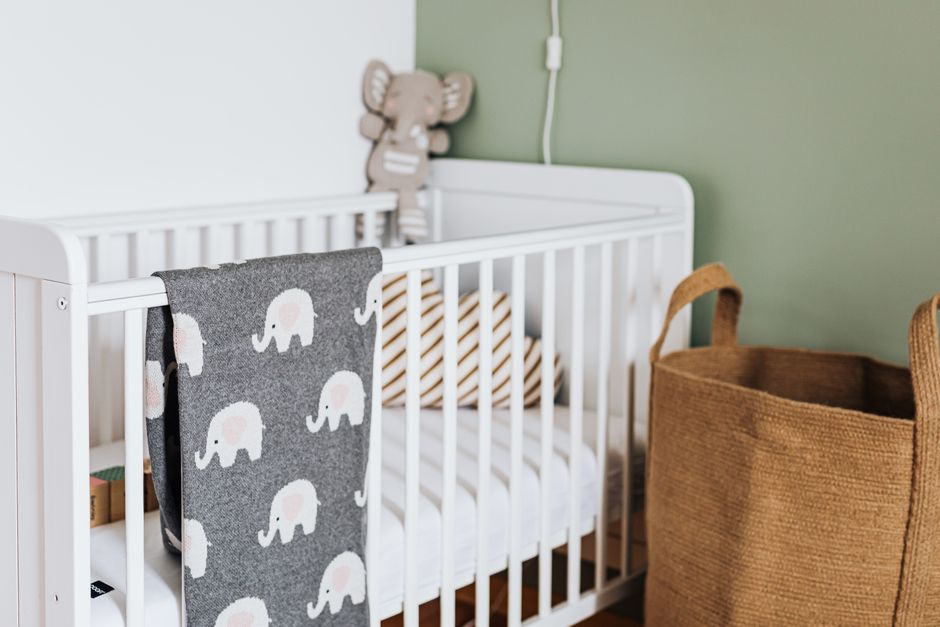
2. Baby Monitor Cords Within Reach (The 3-Foot Rule)
Mounting the baby monitor camera directly onto the crib railing or allowing power cords to dangle within arm’s reach of the mattress is a frequent and fatal oversight.
The Strangulation Hazard
Infants develop reaching and grasping motor milestones suddenly—often in the middle of the night without parental awareness. A dangling electrical cord within 3 feet of the mattress can easily be pulled into the crib, wrapping around an infant’s delicate neck.
- Mandatory Safe Distance: Mount all cameras, cords, and sound machine cables at least 3 feet (36 inches / 1 meter) away from the crib perimeter.
- Cord Concealment: Use rigid, screw-in wall cord channels rather than peel-and-stick adhesive strips, which curious toddlers can peel away from drywall.
3. Unanchored Heavy Furniture (The Tip-Over Hazard)
According to the CPSC, a child is treated in an emergency room every 43 minutes for furniture or TV tip-over injuries.
The Physics of an Unanchored Dresser
When a toddler pulls open multiple dresser drawers, the center of gravity shifts forward. If the toddler steps onto a bottom drawer like a staircase to reach a toy or diaper on top, the entire 150-pound piece of furniture tips forward instantly, trapping the child beneath it.
[ Drawers Pulled Open ] ➔ [ Center of Gravity Moves Forward ] ➔ [ Child Climbs ] ➔ [ Tip-Over ]Childproofing Action Steps:
- Anchor Every Vertical Piece: Install heavy-duty metal L-bracket wall anchors or steel cable straps directly into wall studs (not just drywall anchors) for all dressers, changing tables, bookcases, and nightstands.
- Install Drawer Stops: Ensure drawer safety latches are activated so multiple drawers cannot be pulled open simultaneously.
- Keep Heavy Items Low: Store heavy books, lotions, and wipes in bottom drawers rather than on top surfaces.
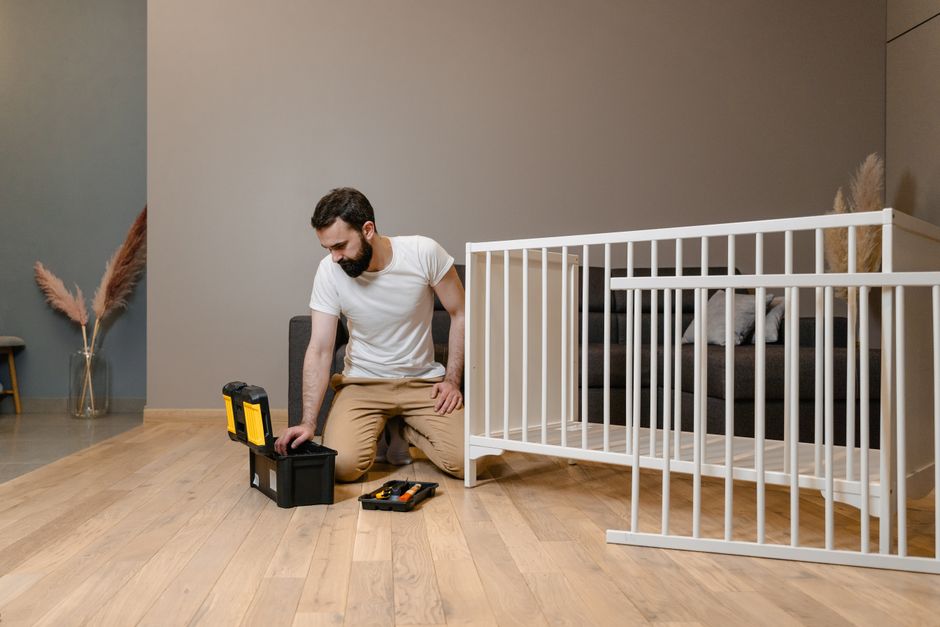
4. Toxic VOC Off-Gassing in Crib Mattresses & Paints
Newborns spend 14 to 17 hours a day breathing inches away from their crib mattress. Conventional foam mattresses often contain petrochemicals, flame retardants, and volatile organic compounds (VOCs).
Health Impacts of Indoor VOCs
Chemicals like benzene, toluene, and formaldehyde off-gas at higher rates in warm, enclosed nursery spaces. Because infants have faster respiration rates and developing respiratory systems, breathing toxic fumes increases risks of childhood asthma, eczema, and endocrine disruption.
💡 Pediatric / Mom Tip: Look for third-party safety seals when shopping for crib mattresses: Greenguard Gold Certified (low chemical emissions) and CertiPUR-US or GOTS Organic (organic cotton/wool without synthetic chemical flame retardants).
5. Weighted Sleep Sacks, Swaddles & Blankets
In recent years, heavily marketed “weighted” sleep sacks claimed to soothe fussy infants by applying deep pressure touch.
Pediatric Warning on Chest Compression
In 2023, both the AAP and major safety regulators issued urgent advisories against weighted infant products:
- An infant’s ribcage is made of flexible cartilage. Placing weights (glass beads or poly-pellets) across the chest can restrict diaphragm expansion, decreasing pulmonary tidal volume.
- In active sleep, if an infant experiences a drop in oxygen, their autonomic arousal mechanism needs to wake them. The artificial weight can suppress this life-saving reflex.
Instead of weighted gear, use standard 0.5 to 1.0 TOG breathable cotton wearable blankets.
6. Heavy Wall Art & Floating Shelves Directly Over the Crib
Hanging framed glass prints, heavy wooden initials, or floating shelves holding ceramic lamps directly above the crib creates a severe projectile risk.
Hidden Detachment Triggers
Everyday door slams, structural vibrations, or seismic shifts can loosen drywall screws over time. If a shelf or frame falls into the crib while a baby is sleeping, the resulting impact can cause catastrophic head and spinal trauma.
- The Clear Zone Rule: Keep the entire vertical zone above and 2 feet adjacent to the crib completely bare.
- Safe Nursery Decor: Use lightweight peel-and-stick vinyl wall decals or soft fabric tapestry tapestries hung with non-metal tabs if you want visual interest behind the crib.
7. Hand-Me-Down Drop-Side Cribs & Vintage Baby Gear
While accepting family heirlooms feels sentimental, antique baby gear manufactured before 2011 poses massive safety risks.
Why Drop-Side Cribs Are Banned
Drop-side cribs (where one side drops down on plastic tracks) were outlawed in 2011 after hardware malfunctions led to fatal entrapments. Plastic brackets fatigue and crack with age, creating a gap where an infant’s head and torso can become wedged.
VINTAGE GEAR TO SKIP:
❌ Drop-side cribs manufactured before June 2011
❌ Hand-me-down car seats past their 6-year expiration date
❌ Vintage wooden high chairs without 5-point safety harnesses
❌ Antique painted toys (lead paint hazard)
To avoid wasting money on unsafe or unnecessary baby products before your child arrives, check out our comprehensive guide on 8 baby registry items parents regret buying.

Nursery Safety Inspection Checklist
| Nursery Zone | Common Safety Error ❌ | Certified Safe Fix ✅ |
|---|---|---|
| Crib Surface | Bumpers, pillows, loose blankets, stuffed toys | Completely bare crib with firm mattress and tight fitted sheet |
| Baby Monitor | Mounted on crib rail with dangling power cord | Wall-mounted at least 3 feet away with rigid cord covers |
| Furniture | Freestanding heavy dresser or changing unit | Steel-cable wall anchors secured into drywall wooden studs |
| Mattress | Uncertified polyurethane foam with chemical odor | Greenguard Gold certified organic or low-VOC breathable mattress |
| Wall Space | Heavy wooden shelves or glass frames over crib | Bare wall zone or lightweight vinyl wall decals |
Peace of Mind for Loving Parents
Creating a safe nursery isn’t about perfection or expensive designer furniture—it’s about stripping away unnecessary hazards so your little one can sleep and grow in total protection. Take 20 minutes this weekend to walk through your baby’s room with this checklist in hand, and don’t forget bathroom safety by reviewing our guide on 7 baby bath safety hazards and scald prevention steps. Your peace of mind is worth every second.
Disclaimer: This article provides general safety information aligned with CPSC and AAP standards and does not replace official home safety inspections or pediatric medical advice.
Google AdSense Placeholder
Slot ready for "in-article". Set your AdSense publisher ID in settings when approved.
Frequently Asked Questions by Moms
Why are crib bumpers still sold if they are dangerous? ▼
The Safe Sleep for Babies Act of 2021 officially banned padded crib bumpers in the United States due to proven suffocation, entrapment, and strangulation risks. While illegal to manufacture in the US, some unverified third-party online marketplaces and hand-me-down sets still circulate.
How far away should a baby monitor cord be from the crib? ▼
The Consumer Product Safety Commission (CPSC) mandates that baby monitor cords must be mounted at least 3 feet (36 inches / 1 meter) away from any part of the crib or bassinet to prevent fatal cord strangulation.
Are weighted sleep sacks safe for infants? ▼
No. The American Academy of Pediatrics (AAP) and the CPSC strongly advise against weighted sleep sacks, blankets, and swaddles. The additional weight placed on an infant's fragile ribcage can restrict breathing and impair heart rate recovery during arousal.
What is Greenguard Gold certification for nursery furniture? ▼
Greenguard Gold is an independent scientific certification ensuring that nursery mattresses, paints, and furniture meet strict chemical emissions limits for over 10,000 volatile organic compounds (VOCs), protecting infants from breathing toxic off-gassing.

Written by Sarah Collins
Doctor-Reviewed & Fact-CheckedMom of Two & Founder of Mommy Tips & Life
Sarah is a mother of two (Liam & Maya) sharing evidence-based parenting guides, infant sleep solutions, and baby safety alerts tested in real family life and vetted against AAP clinical standards.
Google AdSense Placeholder
Slot ready for "footer-banner". Set your AdSense publisher ID in settings when approved.