The Hidden Furniture Tip-Over Danger: 5 Baby Proofing Mistakes Leaving Your Child at Risk
Unanchored dressers and TVs cause emergency visits every 43 minutes. Discover essential furniture anchoring rules, STURDY Act standards, and baby proofing steps.
Sarah Collins
Mom of Two & Founder of Mommy Tips & Life
Google AdSense Placeholder
Slot ready for "header-banner". Set your AdSense publisher ID in settings when approved.
🩺 Medical Disclaimer: This guide is for educational purposes and should not replace pediatric or obstetric medical consultation.
🛍️ Affiliate Disclosure: We may earn a small commission when you purchase through our links at no extra cost to you.
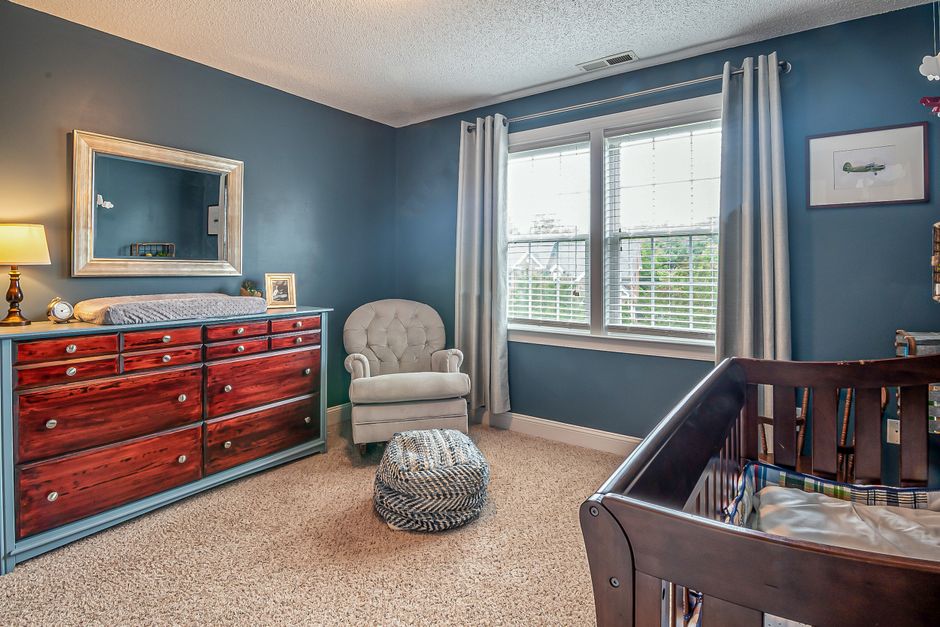
When my oldest child Leo was fourteen months old, he went into his bedroom for barely forty-five seconds while I folded laundry in the adjacent hallway. Suddenly, a sickening, thunderous crash shook the floorboards, followed by the terrifying sound of shattering glass and a suffocating, dead silence.
I dropped the laundry basket and sprinted into his room. A heavy six-drawer solid wood dresser had tipped forward onto the carpet. A toy airplane he had been trying to reach lay smashed beside it. By some miracle, the open top drawer had jammed against his toy chest, creating a 4-inch pocket that spared his head and chest. I pulled him out trembling violently, sobbing uncontrollably as the horrifying reality set in: if that toy chest hadn’t been there, my baby could have been crushed to death in less than two seconds.
The Upfront Breakthrough Summary: According to the U.S. Consumer Product Safety Commission (CPSC), a child is treated in an emergency room for furniture tip-over injuries every 43 minutes, and over 70% of fatal incidents involve children under the age of six. Furniture tip-overs are 100% preventable, but standard baby-proofing often fails due to improper anchoring into hollow drywall rather than wall studs. By switching to solid steel anti-tip brackets screwed into solid wood studs, installing drawer stops, and removing attractive top-shelf items, you eliminate this silent killer permanently.
1. The Physics of a Tip-Over: The “Drawer Ladder” Trap
Many parents believe that heavy, expensive, solid oak furniture is “too heavy to tip over.” In reality, the heavier the dresser, the deadlier the tip-over.
Toddlers do not possess adult risk perception. When a favorite stuffed animal or tablet is placed on top of a tall dresser or changing table, toddlers see one thing: a staircase.
[ Toddler Opens Bottom 3 Drawers ]
                   ⬇
[ Center of Gravity Shifts Drastically Forward ]
                   ⬇
[ Toddler Climbs Drawer Lip (Adding 25-35 lbs of Leverage) ]
                   ⬇
- If Anchored into Wood Stud with Steel Brackets: Zero Movement ✅
- If Unanchored or Attached to Hollow Drywall: Immediate Catastrophic Fall ❌
When multiple drawers are pulled open, the furniture’s center of gravity moves outside its base of support. As soon as a 25-pound child puts their feet on the lower drawer edge, they create a mechanical lever arm that easily overturns a 150-pound piece of furniture within 0.75 seconds—far faster than any parent can react, even if standing in the same room. Along with securing heavy furniture, make sure you also eliminate floor-level blind spots by checking our guide on 7 hidden household choking hazards most parents overlook.
2. The 5 Dangerous Baby Proofing Mistakes Leaving Your Child at Risk
Most parents who experience a close call or tragedy actually thought they had baby-proofed. Here are the 5 critical installation errors you must fix today:
Mistake #1: Screwing Anchors into Hollow Drywall Instead of Wall Studs
The single most common installation mistake is using plastic butterfly anchors into hollow drywall:
- The Danger: Drywall is made of compressed gypsum powder. When subjected to the outward pulling force of a falling dresser, plastic plugs tear straight out of drywall like paper.
- The Safe Fix: Always use a magnetic or electronic stud finder to locate the solid wood vertical studs behind your drywall. Drive minimum 2-inch #8 or #10 wood screws directly into the center of the wooden stud.
Mistake #2: Relying on Adhesive Furniture Straps or Cheap Plastic Zip-Ties
Many budget baby-proofing kits sold online contain cheap plastic buckles or peel-and-stick adhesive pads:
- The Danger: Adhesive glue degrades under temperature changes and dry air, failing suddenly without warning. Cheap plastic zip-ties become brittle over time and snap under impact.
- The Safe Fix: Use only heavy-duty braided aircraft steel cables or forged steel L-brackets bolted with machine screws into the solid wood frame of the furniture.
⚠️ Warning Alert: Never attach anchors to the flimsy cardboard or thin particleboard backing found on the back of many flat-pack bookcases. Anchors must be drilled into the thick, top structural wooden rails of the furniture piece itself.
Mistake #3: Ignoring Low Dressers, Nightstands, and TVs
Parents diligently anchor tall 6-foot bookshelves but overlook 30-inch three-drawer nightstands or flat-screen TVs:
- The Reality: According to CPSC data, nearly half of all tip-over fatalities involve low dressers because children easily grab the top edge. Flat-screen televisions with high centers of gravity topple forward with slight bumps.
- The Safe Fix: Anchor every piece of furniture over 24 inches tall, and use dedicated TV safety wall mounts or heavy-duty TV anti-tip straps.
For a complete nursery inspection, review our full guide on dangerous nursery items and hidden room safety hazards and avoiding toxic crib mattress off-gassing.
Mistake #4: Storing “High-Value” Items on Top of Furniture
Leaving temptations on top of dressers is an open invitation for climbing:
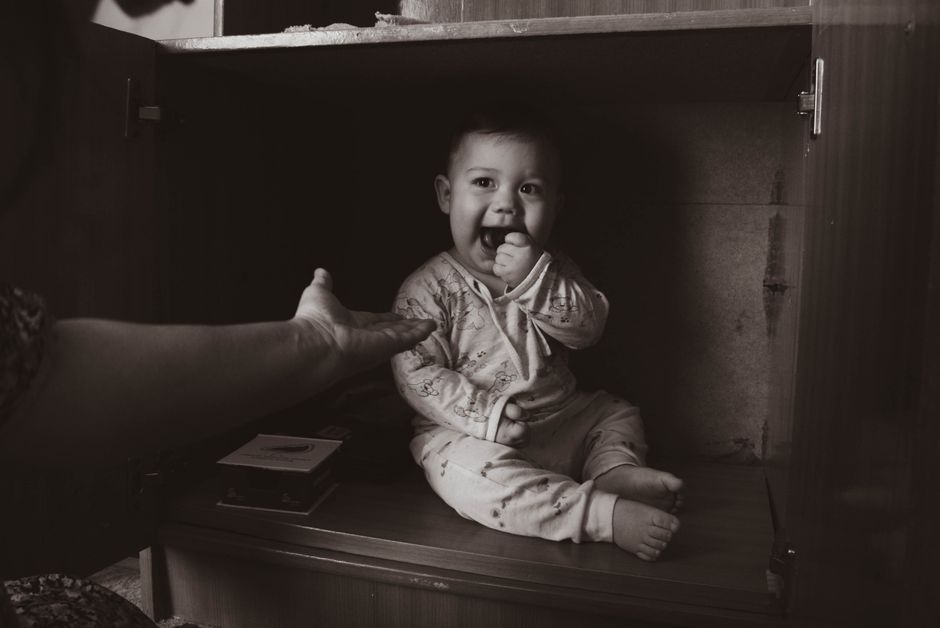
- Items like sound machines, baby monitors, remote controls, pacifiers, or colorful toys catch a toddler’s eye.
- The Safe Fix: Keep dresser tops completely bare or use wall-mounted floating shelves well above climbing reach. Ensure all monitor cords are placed at least 3 feet away from cribs to prevent strangulation.
Mistake #5: Forgetting Drawer Latches and Stops
Even with wall anchors, open drawers can pinch fingers, cause falls, or allow toddlers access to dangerous items:
- Install magnetic childproof locks or mechanical drawer safety latches that prevent toddlers from opening multiple drawers simultaneously.
3. Comparison Guide: Weak Fixes vs. True Structural Anchoring
| Baby Proofing Method | Safety Rating | Why It Fails or Succeeds |
|---|---|---|
| Peel-and-Stick Adhesive Straps | ❌ Extremely Dangerous | Adhesive fails over time; cannot hold sudden dynamic child weight. |
| Plastic Plugs in Drywall | ❌ Unsafe (False Security) | Gypsum drywall crumbles under outward pulling leverage. |
| Plastic Zip-Tie Brackets | ⚠️ Temporary / Fragile | Plastic becomes brittle and snaps under sudden jerk forces. |
| Braided Steel Cable to Wood Stud | ✅ Pediatric Gold Standard | Holds 400+ lbs; withstands aggressive climbing force. |
| Direct Wall Stud L-Brackets | ✅ Maximum Security | Solid mechanical lock into structural frame of home. |
4. The 4-Step Room-by-Room Anchoring Checklist
Set aside one Saturday morning to secure your home. Here is your action checklist:
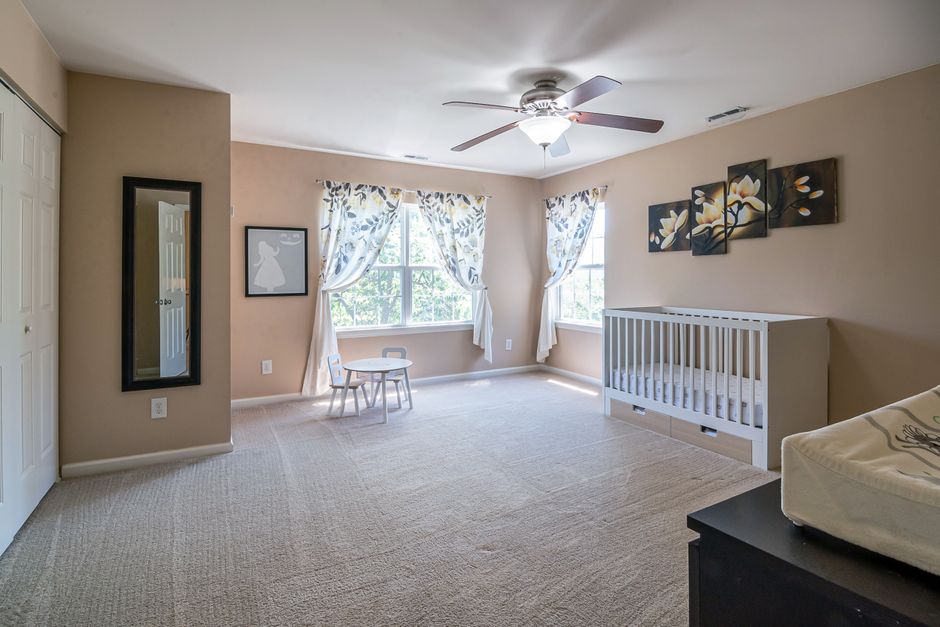
- The Nursery: Anchor the changing table, nursing bookshelf, nightstand, and toy storage units.
- The Living Room: Secure the main entertainment console, bolt flat-screen televisions to the wall studs, and anchor floor lamps.
- The Master Bedroom: If your toddler co-sleeps or visits your room in the morning, anchor adult dressers and mirrors immediately.
- The Hallways & Kitchen: Anchor freestanding pantry hutches and entryway shoe cabinets.
If you are currently setting up your baby’s gear and want to avoid dangerous or unnecessary products, see our guide on popular baby registry items parents regret buying and banned baby walkers and posture alternatives.
💡 Pediatric / Mom Tip: If you live in an apartment or rental property where landlords restrict drilling, remember that federal fair housing laws and tenant safety codes in many states protect childproofing modifications. A few small screw holes patched with spackle when you move out is a tiny price to pay for your child’s life.
5. Final Peace of Mind
Childproofing isn’t about creating a sterile, padded bubble; it is about eliminating catastrophic, irreversible hazards so your child has the freedom to explore, learn, and play safely.
Spend thirty minutes this weekend with a stud finder and heavy-duty steel anchors. Knowing that every dresser, TV, and shelf is bolted into the structural bones of your home will give you the deepest peace of mind every time your toddler plays in their room.
Google AdSense Placeholder
Slot ready for "in-article". Set your AdSense publisher ID in settings when approved.
Frequently Asked Questions by Moms
Why are heavy dressers and bookcases so dangerous to young toddlers? ▼
When a toddler opens multiple dresser drawers or pulls on shelves, the center of gravity shifts drastically forward. Toddlers instinctively use pulled-out drawers as stairs to reach toys on top. Under the child's body weight, even a 100-pound solid wood dresser will instantly tip forward with crushing force, trapping the child underneath within fractions of a second.
Can I use standard plastic drywall anchors to secure heavy nursery furniture? ▼
No. Standard plastic drywall plugs or expansion anchors are designed for shear downward loads (like lightweight picture frames) and will easily rip out of drywall when subjected to the pulling leverage of tipping furniture. Safety standards require steel cable or heavy-duty nylon straps screwed directly into solid wood wall studs with minimum 2-inch lag screws.
What is the STURDY Act in nursery furniture safety? ▼
The STURDY Act (Stop Tip-overs of Unstable, Risky Dressers on Youth Act), enacted by the US Consumer Product Safety Commission (CPSC), mandates rigorous safety testing on all clothing storage units over 27 inches tall. It requires dressers to remain stable with multiple open drawers, on carpeting, and with realistic 60-pound child climbing simulations.

Written by Sarah Collins
Doctor-Reviewed & Fact-CheckedMom of Two & Founder of Mommy Tips & Life
Sarah is a mother of two (Liam & Maya) sharing evidence-based parenting guides, infant sleep solutions, and baby safety alerts tested in real family life and vetted against AAP clinical standards.
Google AdSense Placeholder
Slot ready for "footer-banner". Set your AdSense publisher ID in settings when approved.