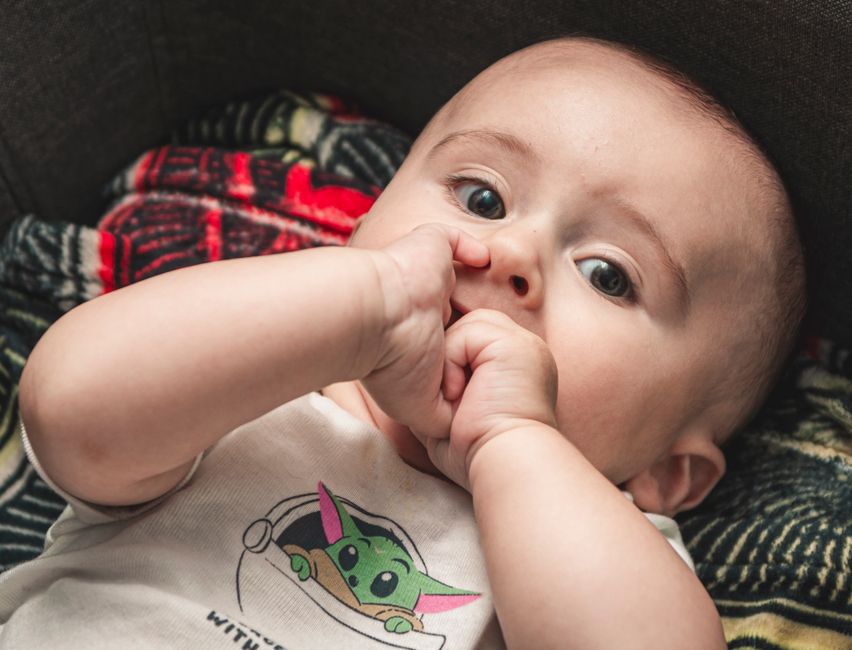
The Hidden Dangers of Baby Bath Seats: Why Pediatricians and the CPSC Warn Parents
Think a baby bath seat keeps your infant safe in the tub? Discover the dangerous suction cup failures, tip-over risks, and CPSC bath ring warning signs.
Sarah Collins
Mom of Two & Founder of Mommy Tips & Life
Google AdSense Placeholder
Slot ready for "header-banner". Set your AdSense publisher ID in settings when approved.
🩺 Medical Disclaimer: This guide is for educational purposes and should not replace pediatric or obstetric medical consultation.
🛍️ Affiliate Disclosure: We may earn a small commission when you purchase through our links at no extra cost to you.
When my first baby was six months old, bath time was a back-breaking circus. He was too big for his plastic newborn sink tub, but too wobbly to sit steadily in our giant family bathtub. One afternoon, while browsing baby gear online, I saw an advertisement for a pastel swivel baby bath seat with suction cups. The marketing photos made it look like a dream: a happy, contained baby splashing joyfully while the mother smiled beside the tub.
I clicked “Buy Now” immediately, convinced I had found the ultimate bath time hack.
Two weeks later, during a routine bath, I reached for the baby shampoo bottle on the edge of the tub—a movement that took my eyes and hands away for less than three seconds. In that brief instant, one of the suction cups released from the textured tub bottom. The seat tilted abruptly sideways, and my son slipped into the gap between the leg opening and the plastic ring. His face dipped below the soapy water.
I grabbed him instantly, coughing and spluttering, but my heart stopped. That terrifying moment opened my eyes to a horrifying reality that every parent needs to hear: bath seats do not prevent drownings—they facilitate them by creating a deadly illusion of safety.
The Upfront Safety Summary: Pediatricians and the Consumer Product Safety Commission (CPSC) have issued repeated warnings and mandatory recalls regarding infant bath seats. The danger lies in suction cup detachment, leg-hole entrapment, and above all, the “false security trap” that tempts parents to momentarily step away or multitask. By replacing containment seats with touch supervision, non-slip tub mats, and shallow 2-inch water levels, you protect your baby from the leading cause of non-fatal and fatal home accidents.
The Illusion of Safety: How Bath Seats Fail
The fundamental danger of a baby bath seat is psychological as much as mechanical. When a parent places their baby into a structured plastic seat, their brain registers the baby as “secure” and “contained”—much like a car seat or high chair.
       ┌────────────────────────────────────────────────────────┐
       │             THE BATH SEAT FALSE SECURITY TRAP          │
       ├──────────────────────────┬─────────────────────────────┤
       │ Parent Perception        │ Physical Reality            │
       ├──────────────────────────┼─────────────────────────────┤
       │ "Baby is seated & safe"  │ Suction cups fail on soap   │
       │ "I can grab a towel"     │ Baby slumps under leg bar   │
       │ "I will hear splashing"  │ Infant drowning is SILENT   │
       │                          │                             │
       │ ➔ MOMENTARY DISTRACTION  │ ➔ TRAPPED UNDERWATER IN 20s │
       └──────────────────────────┴─────────────────────────────┘
Unlike television dramatizations where drowning involves frantic waving and loud shouting, infant drowning is physiologically silent. When water enters an infant’s airway, the vocal cords spasm shut (laryngospasm) to protect the lungs. The baby cannot cry, cough, or splash.
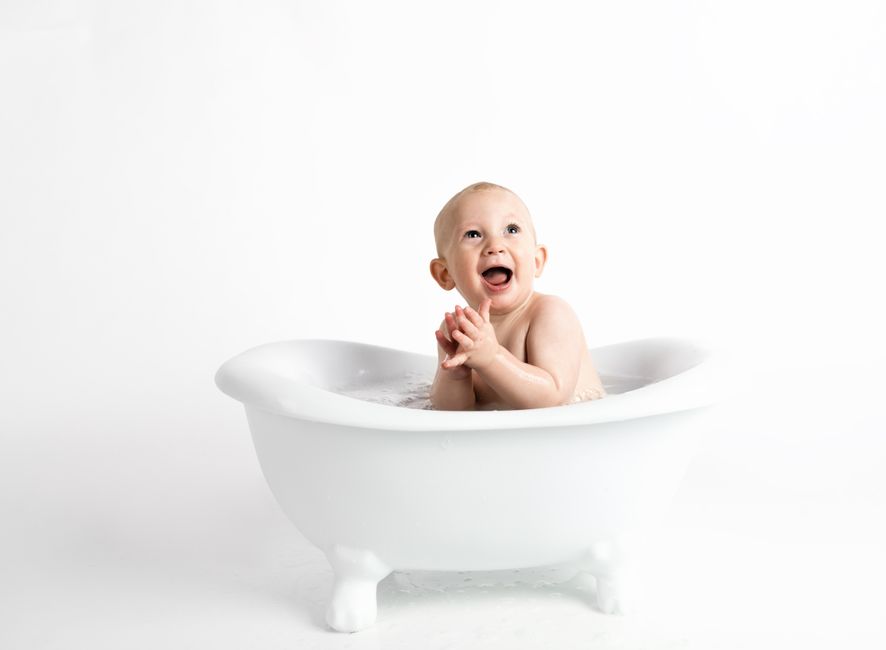
1. Suction Cup Failure on Modern Tub Surfaces
Most consumer bath seats rely on 3 or 4 rubber suction cups to anchor the base to the bottom of the tub. However, modern bathtubs present significant adhesion hazards:
- Textured or Non-Slip Tub Floors: Suction cups require an entirely smooth, non-porous surface to maintain vacuum pressure. Any micro-texture causes air to leak into the cup, breaking the seal.
- Soap Scum and Bath Oils: Baby wash, bubble bath, and moisturizing oils act as lubricants, allowing suction cups to slide or pop off under minimal lateral force.
- Curved Tub Basins: As the tub floor curves toward the drain or sidewalls, suction cups sit at uneven angles, placing extreme stress on a single anchor point.
   ❌ FAILED SUCTION ANCHOR          ✅ SECURE TOUCH SUPERVISION

     [Soapy Water / Curved Tub]           [Empty Tub Base / Non-Slip Mat]
              |                                      |
     ➔ Suction Seal Breaks               ➔ Parent Hand on Baby's Torso
     ➔ Seat Flips Sideways               ➔ Constant Physical Contact
     ➔ Baby Trapped Beneath Ring         ➔ Zero Risk of Silent Submersion
⚠️ Warning Alert: The CPSC reports that the vast majority of bath seat-related fatalities occurred when the product tipped over after one or more suction cups released unexpectedly, leaving the baby submerged upside down beneath the buoyant plastic ring. (A similar silent submersion risk exists with popular water accessories—read the FDA warning on baby neck floats and drowning hazards).
2. Entrapment and Submersion in Leg Openings
Even when suction cups hold, bath seats pose severe mechanical entrapment hazards. As babies kick and reach for bath toys, their slippery, soapy bodies can easily slide downward through the leg openings.

The Anatomy of Entrapment:
- The Sub-Pelvic Slide: A baby’s shoulders and torso are narrower than parents realize. When an infant slumps, their pelvis slips through the leg divide while their head gets caught beneath the rigid plastic armrest.
- Inability to Self-Rescue: Once a baby’s head is below the waterline under a rigid plastic frame, they cannot push themselves upward. The buoyant plastic frame actually works against them, holding them beneath the surface.
This dangerous mechanical risk mirrors the hazards seen in other recalled infant products, such as dangerous baby sleep loungers and positional hazards and mesh crib bumpers and nursery hazards.
3. The “Touch Supervision” Gold Standard (AAP Guidelines)
The American Academy of Pediatrics (AAP) states unequivocally: never leave a baby alone in the bath, even for a split second, and never rely on a sibling or bath ring to keep them safe.
| Supervision Level | What It Looks Like 👁️ | Is It Safe? 🛡️ |
|---|---|---|
| Touch Supervision | Hands on baby at all times, sitting within arm’s reach | 100% Safe (Gold Standard) ✅ |
| Visual Supervision | Sitting on toilet looking at phone or folding towels | Dangerous (Delayed Reaction) ❌ |
| Auditory Supervision | Stepping into hallway listening for splashing | Extremely Dangerous (Drowning is Silent) ❌ |
| Sibling Supervision | Leaving a 5-year-old in tub with the baby | Deadly (Siblings cannot rescue) ❌ |

The “Dry Run” Bath Protocol:
Before turning on a single drop of water, assemble all bath essentials within direct arm’s reach:
- Towel and washcloth
- Gentle baby wash
- Clean diaper and pajamas
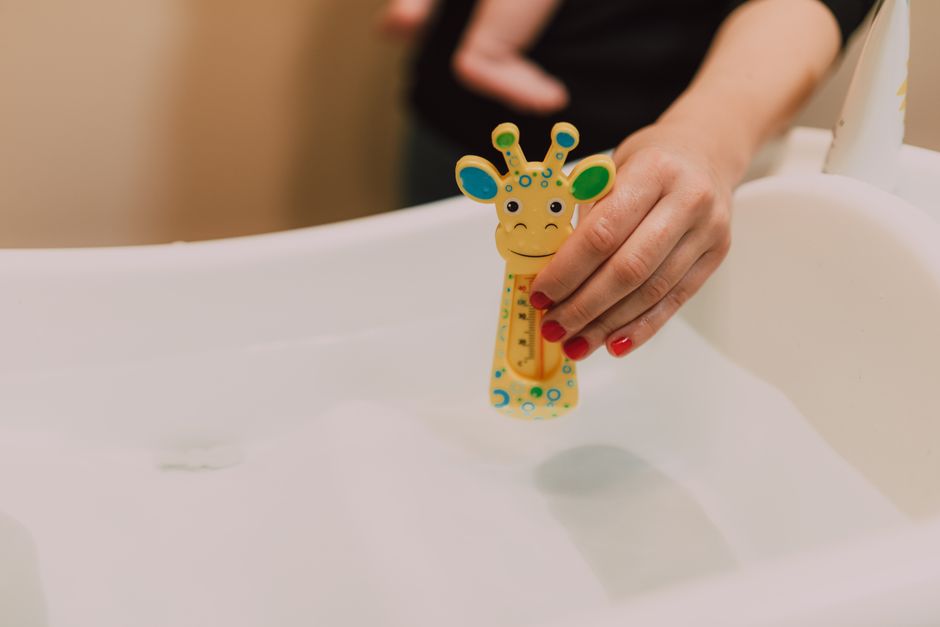
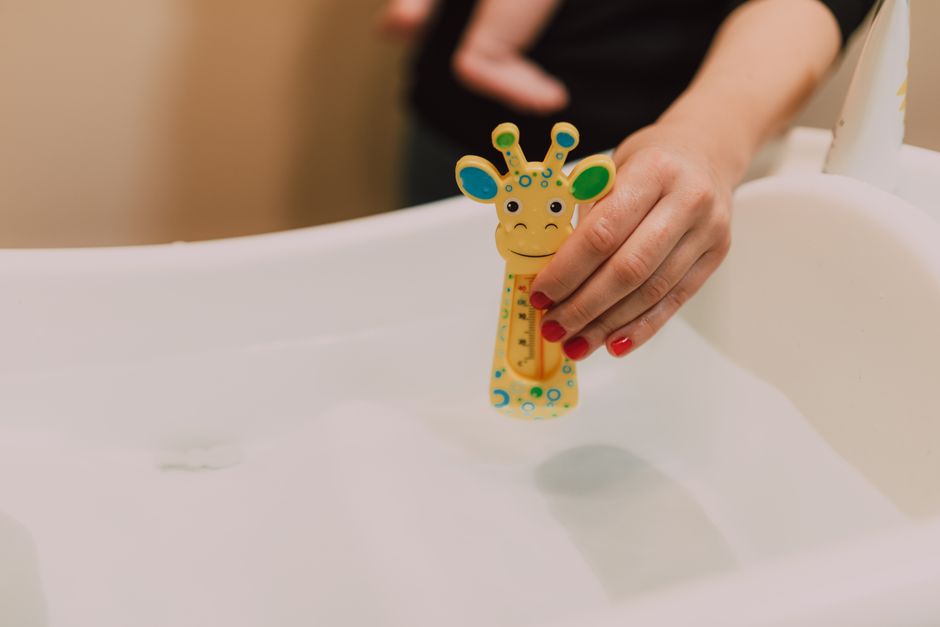
- Bath thermometer (water should be between 98°F and 100°F / 37°C to 38°C)
💡 Pediatric / Mom Tip: If the doorbell rings, your phone buzzes, or an older child cries in another room while you are bathing your baby, you have only two choices: ignore the distraction entirely, or wrap your baby in a towel and take them with you. Never leave them in water.
4. Safer Alternatives to Baby Bath Seats
You do not need an expensive or bulky plastic containment ring to bathe an infant who is learning to sit. Here are three doctor-approved, evidence-based alternatives:
1. The Shallow Water Floor Bath (Best for 6+ Months)
Fill the regular bathtub with only 1 to 2 inches of water—just enough to cover their legs while sitting. Place a full-length textured non-slip silicone bath mat across the bottom of the tub to prevent slipping.
2. The Laundry Basket Trick
Place a clean, smooth plastic laundry basket inside your regular bathtub. Fill the tub with 3 inches of water. The laundry basket allows water to flow through the slats while keeping bath toys within reach and preventing your baby from tipping backward across the wide tub floor. (Note: Touch supervision is still strictly mandatory!).
3. Co-Bathing
One parent gets into the tub with the baby, holding them securely on their lap or chest while washing them, then passes the baby to the other parent waiting with a dry towel.
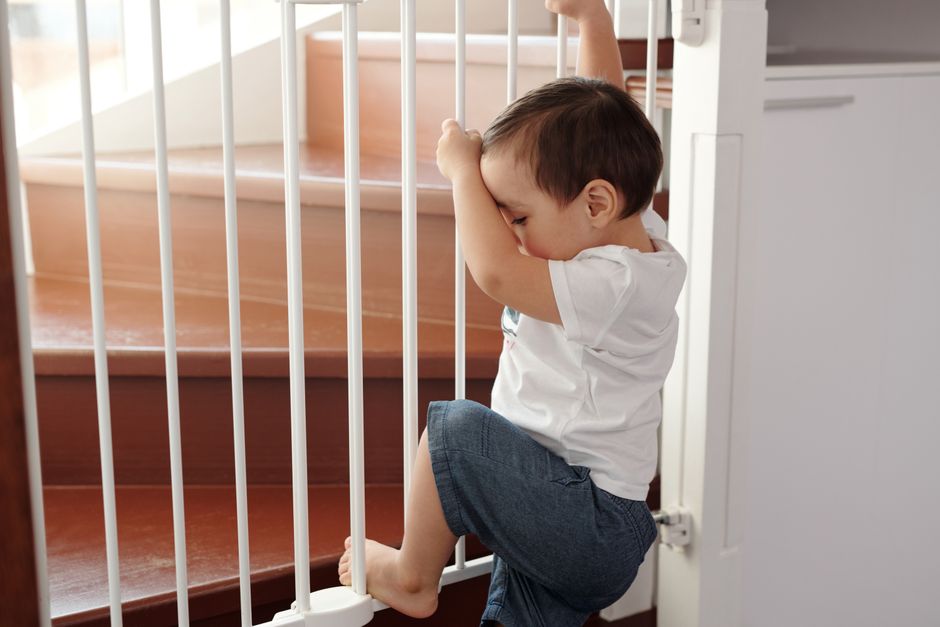
To ensure your entire home is protected from hidden domestic risks, make sure to review our guide on dangerous nursery items and hidden room hazards and window blind cord babyproofing essentials.
5. Summary: Bath Seat Mistakes vs. Safe Bathing Practices
| Common Mistake ❌ | Safe Pediatric Alternative ✅ | Why It Saves Lives 💡 |
|---|---|---|
| Using suction-cup bath seats in a full tub | Shallow water (1-2 inches) on non-slip mat | Eliminates tipping and entrapment risks |
| Stepping away for 10 seconds to grab a towel | Assembling all items before water is drawn | Ensures eyes and hands never leave baby |
| Relying on splashing sounds to monitor safety | Constant hands-on “Touch Supervision” | Drowning is physiologically silent |
| Letting an older sibling watch the infant | Adult hands-on care at every second | Children cannot recognize or execute rescue |
| Using bath oils that coat suction cups | Mild fragrance-free wash with tactile grip | Prevents slippery tub falls and gear failure |
Final Thoughts From Sarah
As parents, we are constantly searching for products that make daily routines easier. Bath seats promise convenience, but the margin for error when water is involved is razor-thin.
Ditching the bath seat and sitting right beside the tub with your hand on your baby’s belly turns bath time into an intimate, joyful bonding ritual rather than a hidden safety gamble. Keep the water shallow, keep your hands close, and cherish those warm, splashy smiles.
Google AdSense Placeholder
Slot ready for "in-article". Set your AdSense publisher ID in settings when approved.
Frequently Asked Questions by Moms
Are baby bath seats approved as safety devices? ▼
No. The U.S. Consumer Product Safety Commission (CPSC) and the American Academy of Pediatrics (AAP) explicitly emphasize that baby bath seats are bathing aids, NOT safety devices, and have been involved in numerous fatal infant drownings.
Why do baby bath seats tip over so easily? ▼
Bath seat suction cups frequently fail on curved, textured, or soapy acrylic tub surfaces. When a baby leans forward or kicks, the suction releases without warning, causing the seat to tip over and trapping the infant underwater beneath the leg openings.
At what age should parents stop using infant tubs and bath seats? ▼
Parents should discontinue reclined infant tub inserts once a baby can sit upright independently (around 6 months). For older babies, bathing directly in 1 to 2 inches of water in the main tub with constant hands-on touch supervision is far safer than using containment seats.
Can a baby drown in just two inches of water? ▼
Yes. Infants can silently drown in as little as 1 to 2 inches (2.5 to 5 cm) of water in under 30 seconds. Because babies lack the neck and core strength to lift their faces out of water when trapped, drowning is completely silent—there is no splashing or screaming.

Written by Sarah Collins
Doctor-Reviewed & Fact-CheckedMom of Two & Founder of Mommy Tips & Life
Sarah is a mother of two (Liam & Maya) sharing evidence-based parenting guides, infant sleep solutions, and baby safety alerts tested in real family life and vetted against AAP clinical standards.
Google AdSense Placeholder
Slot ready for "footer-banner". Set your AdSense publisher ID in settings when approved.