Are Amber Teething Necklaces Safe? 5 Hidden Dangers and FDA Warnings Every Parent Must Know
Thinking about Baltic amber teething necklaces for baby drool and teething pain? Discover the FDA warnings, strangulation risks, and safe pediatric teething alternatives.
Sarah Collins
Mom of Two & Founder of Mommy Tips & Life
Google AdSense Placeholder
Slot ready for "header-banner". Set your AdSense publisher ID in settings when approved.
🩺 Medical Disclaimer: This guide is for educational purposes and should not replace pediatric or obstetric medical consultation.
🛍️ Affiliate Disclosure: We may earn a small commission when you purchase through our links at no extra cost to you.
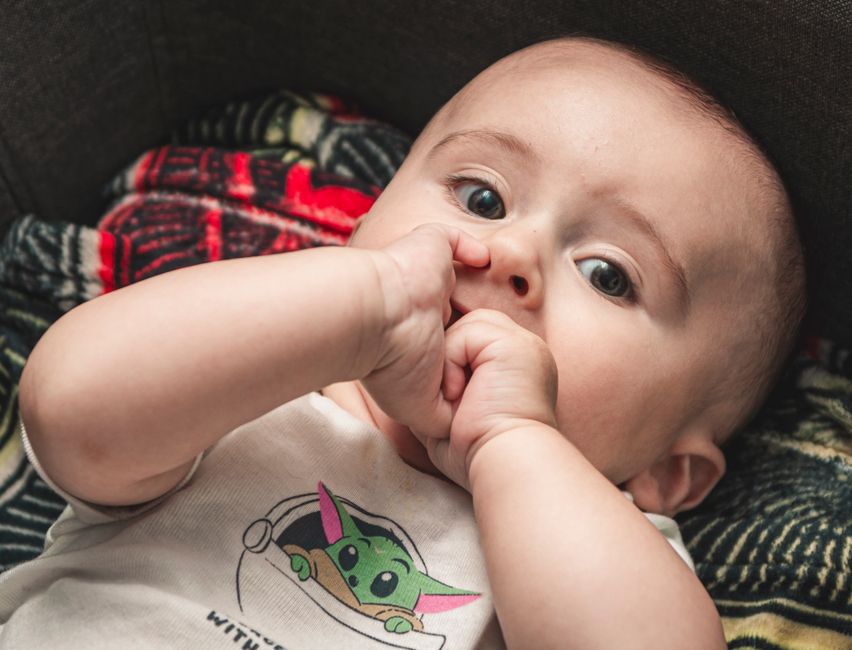
When my first daughter Maya began cutting her bottom central incisors at five months old, the teething fever, constant drool rashes, and endless crying pushed me to the brink of exhaustion. While browsing natural parenting forums and Instagram mom accounts, I kept seeing adorable infants sporting honey-colored Baltic amber bead necklaces.
Proponents claimed these ancient fossilized resin beads worked like magic: baby’s body heat supposedly caused the beads to release succinic acid, which was absorbed through the skin to eliminate teething pain and inflammation naturally. Convinced it was a harmless, holistic remedy, I bought one online and fastened it around Maya’s neck. But two days later, during a routine tummy time session, the necklace snagged on a toy basket edge, pulling taut against her throat before I rushed over to rip it off. My heart was in my throat—I immediately tossed the necklace in the trash and started reading the clinical medical alerts.
The Upfront Breakthrough Summary: Despite aggressive marketing on social media, the U.S. Food and Drug Administration (FDA), the American Academy of Pediatrics (AAP), and pediatric trauma centers explicitly warn that amber teething necklaces are hazardous and ineffective. Fossilized amber does not release pain-relieving chemicals at human body temperatures, and placing any beaded cord around an infant’s neck presents grave risks of strangulation, airway obstruction, and fatal choking. You can safely soothe inflamed gums using refrigerated solid silicone teethers, cold damp washcloths, and gentle finger pressure without exposing your child to life-threatening nursery hazards.
1. The Myth of Succinic Acid vs. Medical Reality
The entire marketing premise of Baltic amber rests on a pseudoscience claim: that natural succinic acid contained within the resin permeates the infant’s skin to act as an analgesic.
Let’s look at what laboratory chemistry and pediatric research prove:
- Melting & Release Point: Succinic acid requires temperatures exceeding 370°F (187°C) to melt and volatilize—temperatures impossible to reach against an infant’s skin (98.6°F / 37°C).
- Skin Barrier Permeability: Even if trace amounts existed on the bead surface, human skin is a formidable biological barrier that does not absorb solid resin molecules without chemical carrier agents.
- Absence of Clinical Efficacy: Multiple double-blind pediatric studies have found zero statistical difference in pain markers, inflammation, or saliva drool between infants wearing amber beads and control groups.
[ Marketing Claim: Amber Heats Up -> Releases Succinic Acid -> Relieves Pain ]
                                  ⬇
[ Laboratory Reality: Amber Inert at 98.6°F; Zero Skin Absorption ]
                                  ⬇
- If Kept Around Infant Neck: Strangulation & Inhalation Choking Hazard ❌
- If Removed & Replaced With Cold Teethers: 100% Safe, Proven Pain Relief ✅
For more advice on eliminating dangerous hidden items from your home, check out our guides on dangerous nursery items and safety hazards and baby monitor cord strangulation risks.

2. The 5 Major Safety Dangers of Amber Teething Necklaces
Pediatric emergency rooms and the FDA have documented severe adverse events involving infant jewelry. Here are the 5 critical hazards:
Hazard #1: Strangulation and Snagging Risks
Infants have short, fleshy necks and lack the motor coordination or strength to free themselves if a necklace becomes caught on a crib rail, high chair strap, clothing fastener, or nursery toy. Even “breakaway” clasps frequently fail under sudden torsional force.
Hazard #2: Fatal Choking on Loose Amber Beads
Infant teeth are sharp. When a baby chews directly on amber beads (despite warnings on packaging that they are “meant to be worn, not chewed”), the brittle resin easily cracks or the thread snaps, scattering small beads directly into the infant’s posterior airway.
⚠️ Warning Alert: In 2018, the FDA released a formal Safety Communication detailing the tragic death of an 18-month-old toddler who died from strangulation during a nap and severe choking incidents from broken amber beads.
Hazard #3: Unregulated Counterfeits and Toxic Coatings
Laboratory testing of amber necklaces purchased from popular online marketplaces revealed that over 50% were counterfeit plastic resins, glass, or treated copal containing toxic chemical residues, heavy metal dyes, or phthalates that leach into infant saliva.
Hazard #4: Secondary Bacterial Infections
Necklace cords trap drool, regurgitated milk, sweat, and dead skin cells against the baby’s warm neck crease, creating a breeding ground for yeast (Candida) and bacterial intertrigo infections.
Hazard #5: False Sense of Security During Sleep
Some parents leave necklaces on during naps or nighttime sleep under the false assumption that it prevents night waking. Placing any cord or necklace on a sleeping infant violates every foundational safe sleep guideline.

3. Comparison: Amber Beads vs. Pediatric-Approved Teething Solutions
| Teething Remedy | AAP / FDA Safety Status | Pain Relief Mechanism | Primary Hazard |
|---|---|---|---|
| Baltic Amber Necklaces | ❌ Strictly Warned Against | None (Placebo claim) | Strangulation, airway choking, infection |
| Solid Silicone Teethers (Chilled) | ✅ Pediatric Gold Standard | Vasoconstriction from cold numbs sore gums | None (One-piece design cannot break) |
| Clean Wet Washcloth (Twisted & Chilled) | ✅ Safe & Inexpensive | Textured friction & cooling sensation | None |
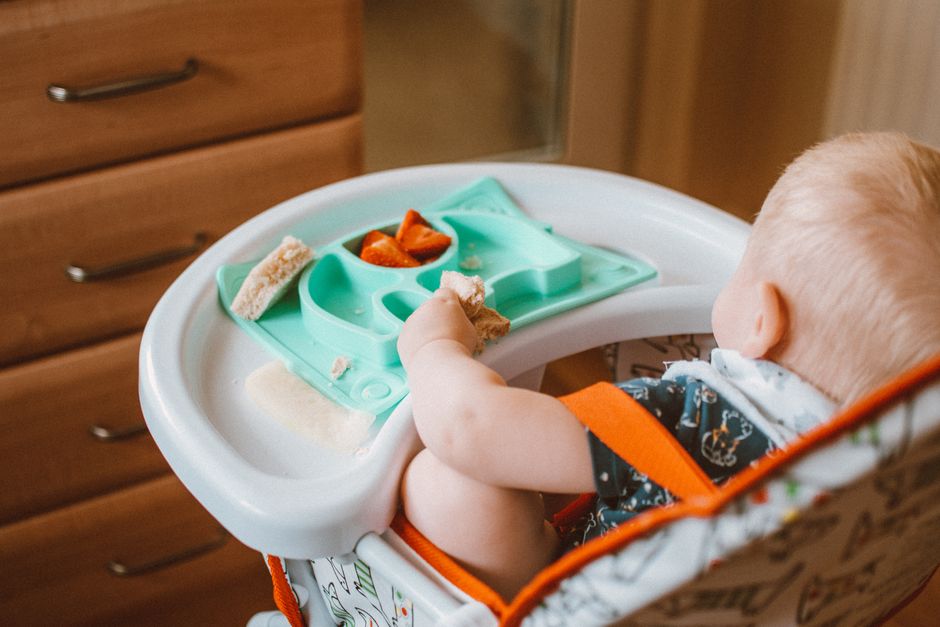
| Silicone Fresh Food Feeder | ✅ Safe with Supervision | Cold frozen fruit puree numbs gums | Supervise to prevent large food pieces |
| Topical Benzocaine / Numbing Gels | ❌ FDA Banned for Under 2 | Numbing agent | Methemoglobinemia (fatal oxygen depletion) |
4. Safe, Doctor-Vetted Ways to Soothe Teething Pain Fast
Teething is a natural developmental stage that causes localized gum soreness, mild fussiness, and excess drool. Here is how pediatricians recommend managing it safely:
1. Cold Solid Rubber or Silicone Teethers
Keep 3 to 4 one-piece silicone or natural rubber teething rings in the refrigerator (not the freezer, as rock-hard frozen teethers can bruise tender infant gums). The cool surface constricts blood vessels in inflamed gums, delivering immediate, natural numbing relief.
2. The Knotted Washcloth Trick
Take a clean cotton baby washcloth, wet one half with filtered water or breast milk/formula, twist it into a knot, and chill it in the fridge for 30 minutes. The combination of cold temperature and soft, grippable texture provides intense gum relief.
3. Clean Finger Counter-Pressure
Wash your hands thoroughly and use the pad of your index finger to apply firm, rhythmic pressure directly along your baby’s swollen gum line for 1 to 2 minutes.
💡 Pediatric / Mom Tip: If teething pain interferes with feeding or prevents sleep, consult your pediatrician regarding the exact weight-based dosage of infant acetaminophen or ibuprofen (for babies over 6 months). Never guess medication dosages.
5. What to Do If You Currently Own an Amber Necklace
If you have an amber teething necklace, bracelet, or anklet in your nursery, pediatric health authorities recommend taking immediate action:
- Remove It Immediately: Unfasten the jewelry and remove it from your infant’s nursery and diaper bag.
- Inspect Nursery Sleep Zones: Ensure no necklaces, bibs with strings, or cords hang near the crib mattress. Review our checklist on baby choking hazards and home safety prevention.
- Share the Facts: Help protect other families in your mom circle by sharing evidence-based guidance rather than risky wellness trends.
Your baby deserves soothing that is both wonderfully comforting and 100% safe.
Google AdSense Placeholder
Slot ready for "in-article". Set your AdSense publisher ID in settings when approved.
Frequently Asked Questions by Moms
Why does the FDA warn against amber teething necklaces? ▼
The US Food and Drug Administration (FDA) issued an urgent safety warning advising parents and caregivers not to use amber teething necklaces, bracelets, or anklets due to severe risks of strangulation, choking on broken beads, and mouth infections.
Does succinic acid in amber really absorb through infant skin? ▼
No. There is zero scientific evidence that succinic acid is released from fossilized tree resin at normal human body temperature (98.6°F / 37°C), nor that it can penetrate the skin barrier to provide systemic anti-inflammatory or pain-relieving effects.
What are safe, pediatrician-approved teething alternatives? ▼
Safe alternatives include solid refrigerated (not frozen) silicone teething rings, gentle gum massages with a clean wet washcloth, and chilled fruit in a silicone feeder mesh under adult supervision.

Written by Sarah Collins
Doctor-Reviewed & Fact-CheckedMom of Two & Founder of Mommy Tips & Life
Sarah is a mother of two (Liam & Maya) sharing evidence-based parenting guides, infant sleep solutions, and baby safety alerts tested in real family life and vetted against AAP clinical standards.
Google AdSense Placeholder
Slot ready for "footer-banner". Set your AdSense publisher ID in settings when approved.