Toxic Chemicals in Crib Mattresses: 5 Hidden Off-Gassing Hazards and How to Choose Non-Toxic
Is your baby's crib mattress off-gassing harmful VOCs, chemical flame retardants, or vinyl phthalates? Learn the hidden chemical risks and pediatrician-vetted non-toxic certifications.
Sarah Collins
Mom of Two & Founder of Mommy Tips & Life
Google AdSense Placeholder
Slot ready for "header-banner". Set your AdSense publisher ID in settings when approved.
🩺 Medical Disclaimer: This guide is for educational purposes and should not replace pediatric or obstetric medical consultation.
🛍️ Affiliate Disclosure: We may earn a small commission when you purchase through our links at no extra cost to you.
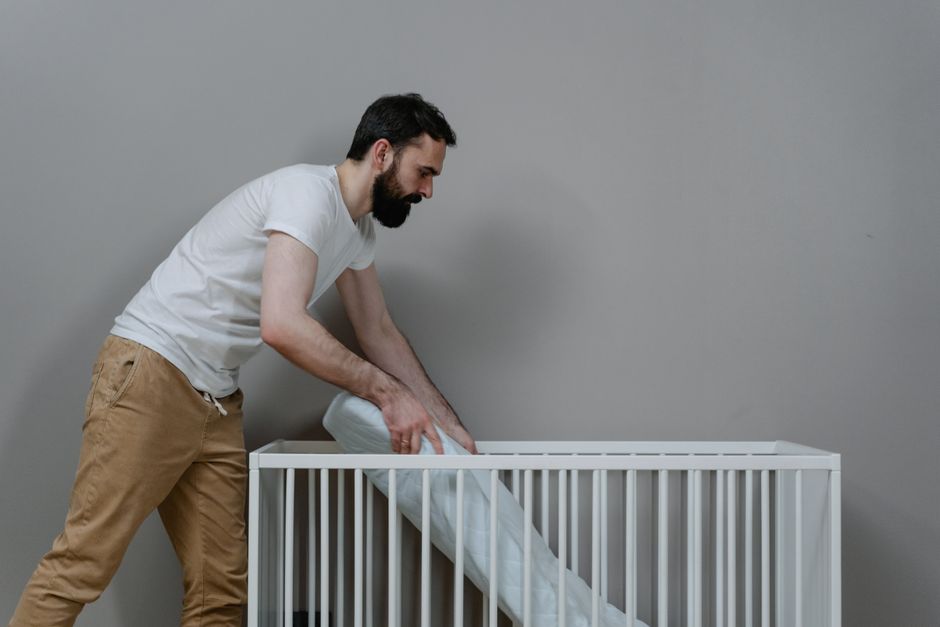
When I unpacked Maya’s first crib mattress six years ago, I tore off the heavy plastic shrink-wrap and was immediately hit by a sharp, pungent chemical smell that stung my nostrils. The salesperson at the baby superstore had assured me it was just “normal factory freshness that would air out in a few hours.”
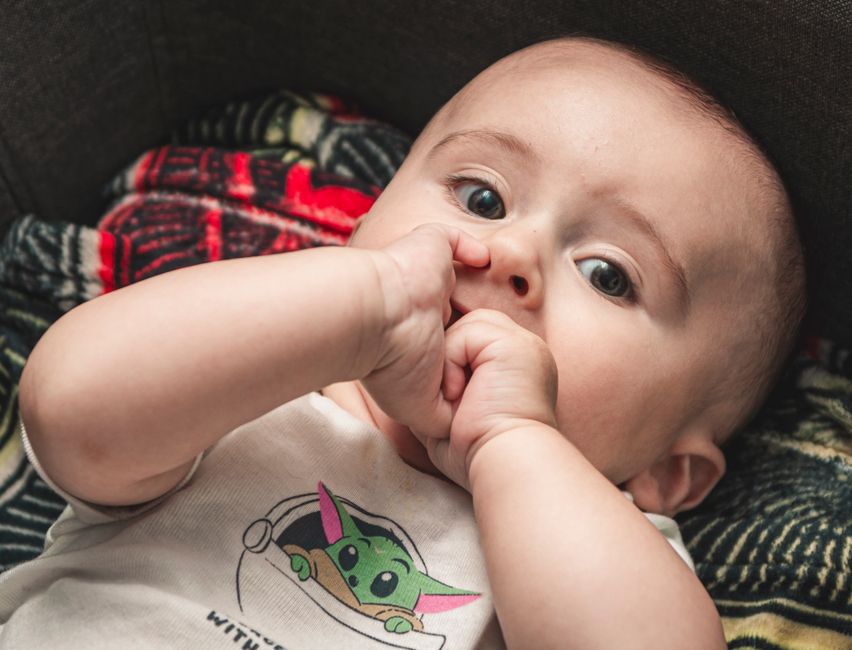
I set up the nursery, closed the door, and came back three days later—only to find the entire room still smelled like an industrial paint shop. Looking down at Maya, who would be pressing her tiny nose and mouth directly against that surface for up to 16 hours every day, a cold wave of panic hit me. Why are we meticulously washing baby clothes in gentle fragrance-free detergents, yet placing our newborns’ developing lungs directly onto petroleum byproducts and chemical flame retardants?
The Upfront Breakthrough Summary: Scientific testing from environmental health researchers shows that infant body heat actively accelerates the release of Volatile Organic Compounds (VOCs) from polyurethane foam mattresses into the infant “breathing zone.” The solution is not to panic, but to navigate past deceptive greenwashing with three strict criteria: swapping polyurethane foam for certified organic cotton, wool, or food-grade polyethylene cores, replacing toxic PVC/vinyl waterproof covers with GOTS-certified membranes, and demanding legitimate GREENGUARD Gold and MADE SAFE® third-party certifications.
1. The 5 Hidden Chemical Hazards Lurking in Conventional Crib Mattresses
Because crib mattresses must comply with federal flammability mandates without increasing manufacturing costs, conventional brands frequently cut corners with synthetic chemicals.
Hazard #1: Polyurethane Foam and VOC Off-Gassing
Standard foam mattresses are synthesized from crude oil derivatives and petrochemical solvents. As polyurethane foam ages and breaks down, it emits a cocktail of gaseous Volatile Organic Compounds (VOCs), including toluene, benzene, acetaldehyde, and formaldehyde.
In infants, prolonged inhalation of VOCs is linked to airway hyper-reactivity, frequent respiratory infections, chronic allergic sensitization, and skin irritation.
If you are currently evaluating your nursery for other overlooked dangers, check our essential guide on 8 dangerous nursery items most parents regret buying to childproof their sleep sanctuary.
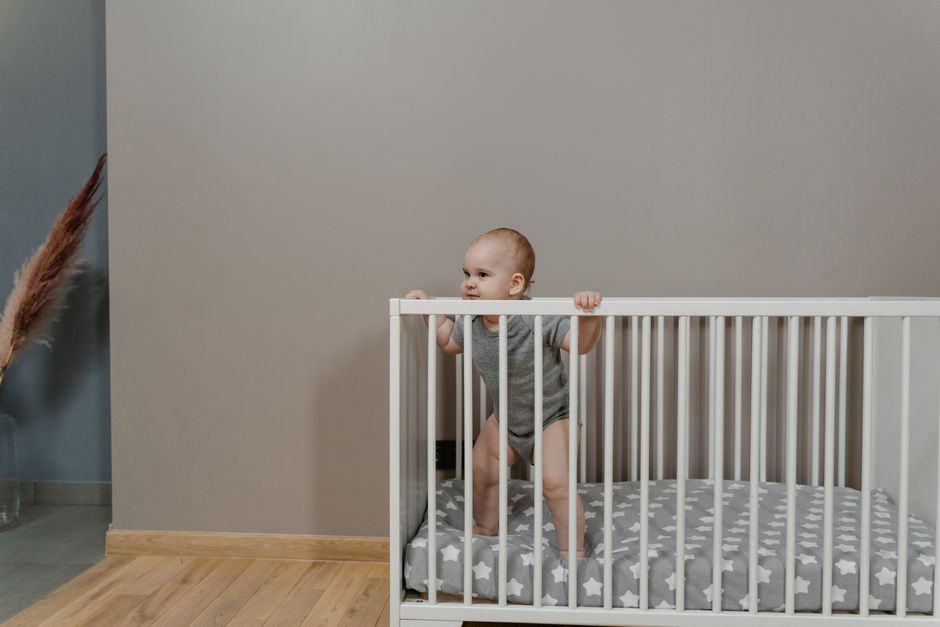
Hazard #2: Chemical Flame Retardants and Endocrine Disruptors
Under US federal standard 16 CFR Part 1633, all mattresses must withstand an open flame test. To meet this standard cheaply, conventional manufacturers historically doused foam with toxic chemical flame retardants, such as organohalogens, antimony trioxide, and chlorinated tris.
These chemicals do not stay locked in the foam; they migrate into household dust and are inhaled or absorbed through the skin. Pediatric toxicologists have linked flame retardants to thyroid hormone disruption, neurodevelopmental delays, and lower cognitive test scores.
⚠️ Warning Alert: Even when labels claim “Flame Retardant Free,” check how flammability compliance is achieved. Safer organic brands use naturally flame-resistant organic wool or pure hydrated silica barriers rather than chemical spray treatments.
Hazard #3: Vinyl / PVC Waterproofing and Toxic Phthalates
To make mattresses waterproof against blowouts and spit-ups, conventional mattresses often use Polyvinyl Chloride (PVC / Vinyl) sheeting.
PVC is considered one of the most environmentally toxic plastics on earth. Because rigid PVC must be softened with chemical plasticizers called phthalates, it releases reproductive and endocrine-disrupting chemicals that leach into infant sheets.
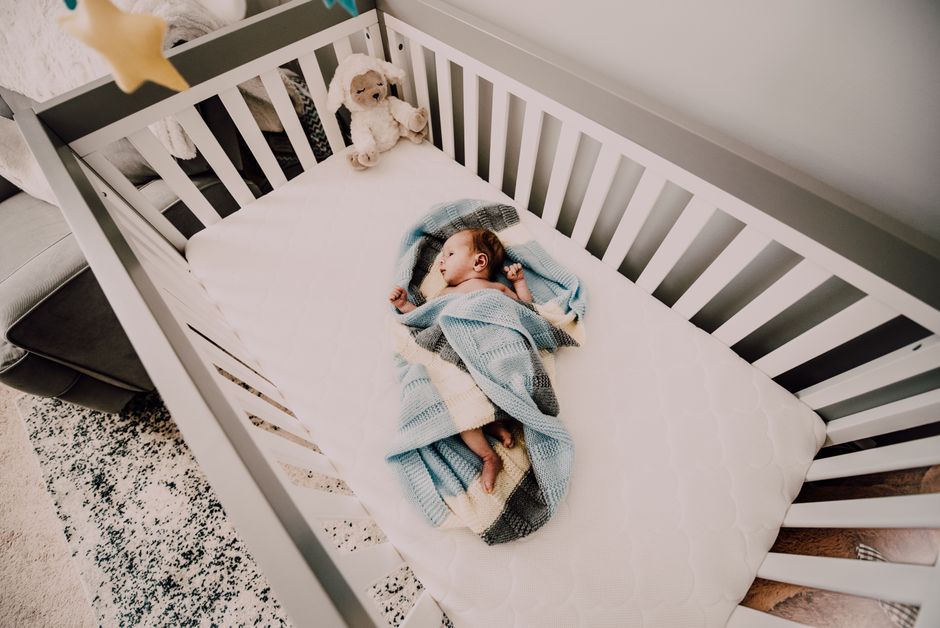
Hazard #4: The “Body Heat Micro-Climate” Effect
A groundbreaking study conducted by environmental engineers at the University of Texas discovered that a baby’s natural body heat elevates the surface temperature of the crib mattress by 5°F to 10°F.
This concentrated warmth increases chemical vapor emissions by up to four times, concentrating VOC vapors within a 2-inch bubble around your sleeping baby’s nose and mouth.
If your baby is also struggling with nighttime awakenings or bedtime resistance, ensure chemical irritation isn’t compounding sleep traps by reviewing our guide on why babies wake up 30 minutes after bedtime.
Hazard #5: Greenwashing Traps: The “Eco-Foam” and “Soy” Myth
Walk down any nursery aisle and you will see mattresses proudly branded as “Eco-Friendly Soy Core.”
The Reality: The vast majority of “soy foam” is simply standard polyurethane foam where only 5% to 10% of the petroleum polyols are substituted with soybean oil. It is still 90%+ petroleum, requires the same chemical catalysts, and off-gasses identical VOC profiles.
2. Conventional Mattress Traps vs. Non-Toxic Organic Swaps
| Conventional Mattress Trap ❌ | Pediatric-Recommended Non-Toxic Swap ✅ |
|---|---|
| Petroleum Polyurethane Foam: High VOC emission and synthetic chemical breakdown. | GOLS-Certified Organic Latex or Food-Grade Woven Polymer: Pure, zero-VOC cores. |
| Chemical Flame Barriers: Chlorinated flame retardant spray treatments. | GOTS-Certified Organic Wool: Natural protein barrier that chars naturally without burning. |
| PVC / Vinyl Waterproof Covers: Leaches phthalates and traps moisture. | GOTS-Certified Organic Cotton with Non-Toxic TPU: Breathable, food-grade moisture barrier. |
| Vague “Natural” Marketing Claims: Unverified eco-friendly claims with zero lab audits. | GREENGUARD Gold & MADE SAFE® Seals: Rigorous chamber emissions testing for over 10,000 chemicals. |
3. The 4 Non-Toxic Mattress Certifications That Actually Matter
When shopping for an organic nursery setup or building your registry, look for these gold-standard independent certifications:
1. GOTS (Global Organic Textile Standard)
Guarantees that at least 95% of the textile fibers (cotton and wool) are certified organic, processed without toxic bleaches, heavy metals, or carcinogenic dyes.
2. GOLS (Global Organic Latex Standard)
The premier global standard for organic latex derived from certified sustainable rubber tree sap, completely free of synthetic styrene-butadiene rubber (SBR).
3. MADE SAFE®
One of the strictest human health certifications in the world. It screens every single ingredient and compound down to the molecular level to ensure it does not harm human health, endocrine function, or aquatic ecosystems.
4. GREENGUARD Gold
Tests finished products in dynamic environmental chambers to ensure strict emission limits for volatile organic compounds and total chemical burden, specifically calibrated for infant respiratory vulnerability.
💡 Pediatric / Mom Tip: Before buying high-ticket nursery furniture, make sure you aren’t overspending on items you will quickly abandon. Explore our curated list of overhyped baby registry gear parents regret buying to invest your budget where safety matters most.
4. What If You Already Own a Conventional Mattress? (Immediate Action Steps)
If you cannot immediately replace your baby’s current crib mattress, you can dramatically lower chemical exposure today:
- The Sunlight Off-Gassing Protocol: Place the bare mattress outside in direct sunlight and fresh air for 3 to 5 sunny days before putting sheets on it. UV light and outdoor air speed up the release of volatile factory solvents.
- Add a Certified Organic Pure Wool / Cotton Topper: A thick, unbleached organic wool mattress pad creates a natural, breathable physical barrier between your baby and the underlying foam.
- Nursery Ventilation: Keep nursery windows cracked for 15 minutes daily and run a true HEPA air purifier equipped with an activated carbon filter (which actively captures airborne VOCs and chemical odors).
Summary: Prioritizing Clean Air in the Nursery
Your baby will spend thousands of hours sleeping during their most foundational stages of brain and lung development. Choosing a clean, non-toxic crib mattress is one of the most impactful, high-leverage safety investments you can make for your baby’s long-term health.
By demanding authentic third-party certifications and eliminating petroleum foam, you can rest easy knowing every breath your baby takes is pure and protected.
Google AdSense Placeholder
Slot ready for "in-article". Set your AdSense publisher ID in settings when approved.
Frequently Asked Questions by Moms
Why are infants more vulnerable to mattress chemical off-gassing than adults? ▼
Infants spend up to 16 hours a day in direct contact with their mattress, breathing at twice the respiratory rate of adults per pound of body weight. Furthermore, their body heat creates a warm micro-climate against the mattress surface, accelerating the release of volatile organic compounds (VOCs) right into their breathing zone.
What is 'soy foam' in crib mattresses, and is it truly non-toxic? ▼
'Soy foam' is largely a greenwashing marketing term. In reality, most 'plant-based' or 'soy' foam mattresses contain only 5% to 15% soybean oil, with the remaining 85% to 95% comprised of standard petroleum-derived polyurethane foam and chemical binding agents.
Which third-party certifications guarantee a non-toxic crib mattress? ▼
Look for Global Organic Textile Standard (GOTS), Global Organic Latex Standard (GOLS), MADE SAFE®, and GREENGUARD Gold certifications. These independent testing bodies verify the absence of toxic flame retardants, formaldehyde, heavy metals, phthalates, and harmful VOCs.

Written by Sarah Collins
Doctor-Reviewed & Fact-CheckedMom of Two & Founder of Mommy Tips & Life
Sarah is a mother of two (Liam & Maya) sharing evidence-based parenting guides, infant sleep solutions, and baby safety alerts tested in real family life and vetted against AAP clinical standards.
Google AdSense Placeholder
Slot ready for "footer-banner". Set your AdSense publisher ID in settings when approved.