Why Water Beads Are Dangerous for Babies and Toddlers: 5 Hidden Hazards Pediatricians Warn About
Marketed as harmless sensory toys, water beads pose life-threatening bowel obstruction and toxicity risks. Discover CPSC warnings and safe sensory alternatives.
Sarah Collins
Mom of Two & Founder of Mommy Tips & Life
Google AdSense Placeholder
Slot ready for "header-banner". Set your AdSense publisher ID in settings when approved.
🩺 Medical Disclaimer: This guide is for educational purposes and should not replace pediatric or obstetric medical consultation.
🛍️ Affiliate Disclosure: We may earn a small commission when you purchase through our links at no extra cost to you.
A little over a year ago, I set up what I thought was the ultimate Pinterest-inspired rainy day activity for my kids: a big plastic sensory bin filled with colorful, squishy water beads. Both Maya and Liam were captivated, giggling and running their fingers through the slippery rainbow balls while I snapped cute photos.
It wasn’t until three days later—when I found a stray, dehydrated bead wedged between the sofa cushions that had rolled away unnoticed—that a cold dread washed over me. Liam was in his peak “put everything in mouth” phase. If he had crawled under that couch and swallowed that tiny, pinhead-sized bead, it would have absorbed the moisture in his digestive tract and swollen into the size of a golf ball inside his tiny intestine.
The Quick Breakthrough Summary: Water beads are not harmless sensory toys—they are high-risk superabsorbent polymer hazards that pediatric surgeons consider among the most dangerous household items for infants and toddlers. The solution is simple: immediately discard all water beads from homes with children under age six, learn the emergency red flags of ingestion, and swap dangerous hydrogels for taste-safe culinary alternatives like cooked tapioca pearls (boba) and chia slime.
Here is the vital, medical-grade breakdown of the 5 hidden hazards of water beads, why they are invisible to standard hospital imaging, and how to keep sensory play 100% safe.
1. What Are Water Beads, and Why Were They Created?
Water beads (also sold as orbeez, sensory water pearls, hydrogels, crystal soil, or polymer gel beads) were never originally invented as children’s toys. They were engineered for agricultural soil moisture retention, floral arrangements, and industrial dehydration.
They are composed of superabsorbent polymers—primarily polyacrylamide or sodium polyacrylate—cross-linked chemical networks capable of absorbing hundreds of times their dry weight in liquid.
When sold as children’s sensory toys, they arrive as tiny, hard pellets roughly the size of a sprinkle or pinhead (1 to 2 millimeters). When soaked in water, they expand into marble-sized squishy spheres (10 to 15 millimeters). However, inside the human body, where fluids, digestive enzymes, and warm moisture are abundant, some industrial-grade water beads can swell up to tennis ball proportions (40 to 60 millimeters).
2. The 5 Life-Threatening Hazards of Water Beads in the Home
While choking on small toys is a well-known risk (as detailed in our home baby choking hazards and prevention guide), water beads present unique physiological threats that standard toy warnings fail to communicate.
Hazard #1: Fatal Intestinal Blockage and Perforation
When an infant or toddler swallows a tiny dry or partially hydrated water bead, it travels smoothly past the esophagus and stomach. But as it enters the narrow twists of the duodenum and ileum (small intestine), it continues absorbing digestive secretions, bile, and intestinal fluids.
As it swells, it acts like an expanding cork, completely occluding the bowel lumen. If not diagnosed quickly, the pressure cuts off blood circulation to the intestinal wall, leading to bowel necrosis (tissue death), perforation, peritonitis, septic shock, and fatal internal infection.
Hazard #2: Invisibility on Hospital X-Rays (Radiolucency)
In typical foreign body ingestions—like coins, metal screws, or deadly button batteries—an emergency room X-ray immediately pinpoints the object’s location.
Water beads, however, are radiolucent. Because their density matches surrounding human soft tissue and water, they do not show up on standard X-rays. Pediatricians must rely on high-resolution ultrasound, contrast fluoroscopy, or exploratory laparotomy surgery, leading to precious lost hours while the child deteriorates.
Hazard #3: Ear Canal and Nasal Cavity Expansion
Toddlers are notorious for inserting small objects into their ears and noses. When a water bead is pushed into the moist lining of the nasal cavity or external ear canal, it absorbs mucus or ear secretions:
- In the Ear: It expands, crushing delicate ear canal tissue, rupturing the tympanic membrane (eardrum), and causing permanent conductive hearing loss.
- In the Nose: It can occlude the airway or slip backward down the trachea into the lungs (bronchial aspiration), causing sudden respiratory arrest.
Hazard #4: Acrylamide Chemical Toxicity and Contaminants
While manufacturers frequently label water beads as “non-toxic,” chemical testing reveals that many discount polymer beads contain residual trace amounts of acrylamide—a known neurotoxin and suspected human carcinogen used in the manufacturing process. Furthermore, swallowed beads can leach industrial dyes into the bloodstream.
Hazard #5: The “Bouncy Stray” Trap in Multi-Child Homes
The physical nature of water beads makes them impossible to contain. When dropped, they bounce unpredictably across floors, roll under baseboards, wedge beneath rugs, and hide inside laundry baskets. Months after an older sibling plays with them, an infant practicing floor play or crawling (see our guide on baby motor milestones and floor play) will find that shiny colorful bead and ingest it in a split second.
┌─────────────────────────────────────────────────────────────┐
│               WATER BEAD INGESTION DANGER STAGES            │
├───────────────────┬─────────────────────────────────────────┤
│ Hour 0 to 4       │ Ingestion of tiny bead; zero symptoms.  │
│                   │ Passes easily into the upper GI tract.  │
├───────────────────┼─────────────────────────────────────────┤
│ Hour 6 to 24      │ Bead expands in small intestine. Baby   │
│                   │ develops mild fussiness or vomiting.    │
├───────────────────┼─────────────────────────────────────────┤
│ Hour 24 to 72     │ Complete bowel occlusion. Projectile    │
│                   │ bile vomiting, swollen belly, sepsis.   │
└───────────────────┴─────────────────────────────────────────┘
3. Emergency Signs of Water Bead Ingestion
Because ingestion is frequently unwitnessed, parents and doctors often mistake the early stages of water bead obstruction for standard gastroenteritis (a “stomach bug”).
⚠️ Warning Alert: If you have had water beads in your home and your child exhibits any of the following symptoms, go immediately to a Pediatric Emergency Room (Children’s Hospital) and inform the medical team that water bead ingestion is suspected:
- Persistent vomiting, especially dark green or yellow bile.
- Refusal to eat or drink fluids.
- Visible abdominal distension (bloated, hard, or tender belly).
- Severe lethargy, weakness, or unresponsiveness.
- High-pitched crying accompanied by pulling knees to the chest.
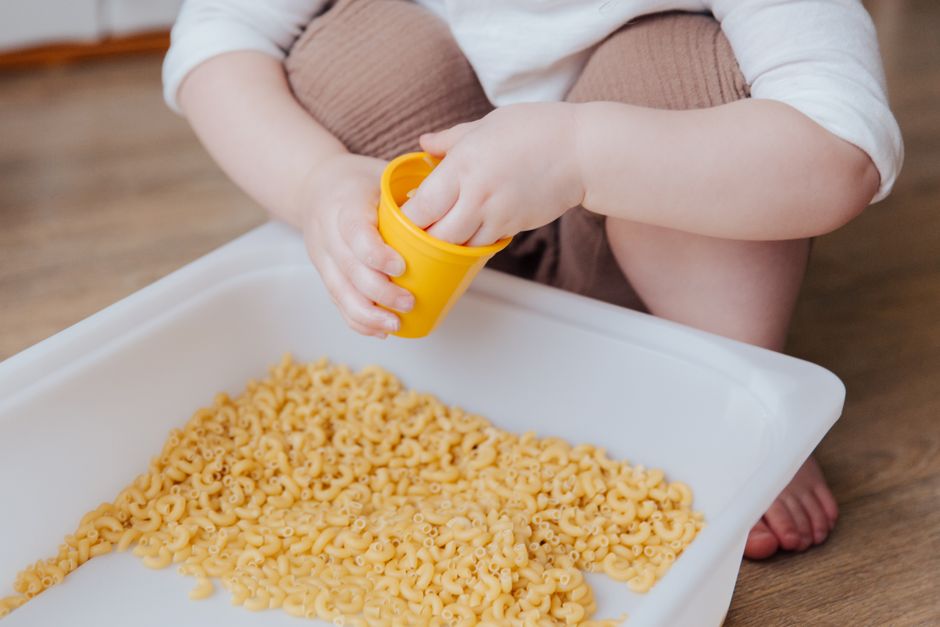
4. Safe, Taste-Safe Alternatives for Sensory Play
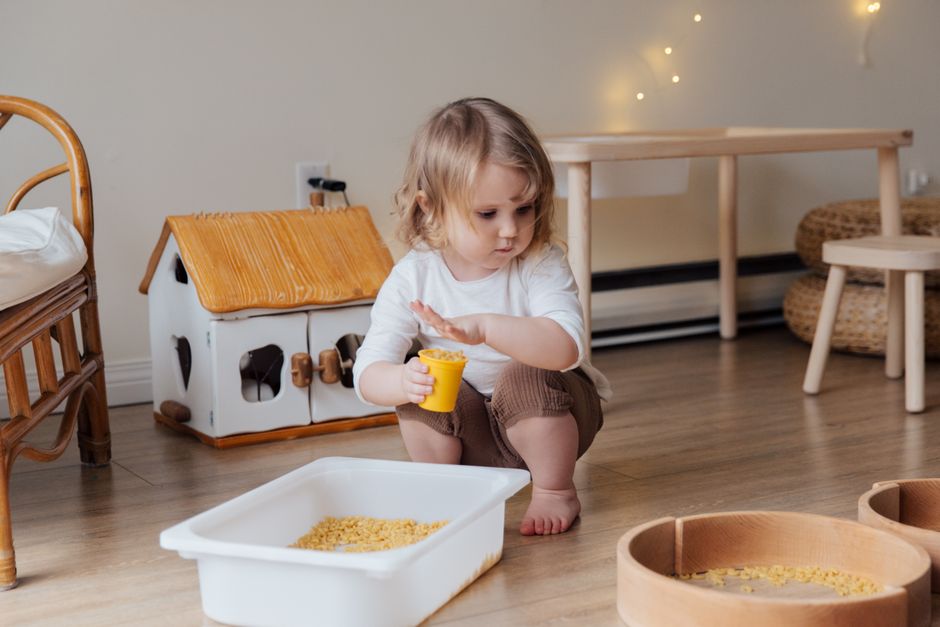
Sensory play is vital for toddler brain development, spatial awareness, and fine motor skills. You do not need hazardous polymer beads to provide rich tactile stimulation. Here are four pediatrician-approved, taste-safe swaps.
Alternative #1: Cooked Tapioca Pearls (Boba)
Boil large black or multi-colored tapioca pearls in water for 15 minutes, rinse in cold water, and toss with a drop of coconut oil. They are naturally squishy, slippery, non-expanding, and 100% digestible if swallowed.
Alternative #2: Hydrated Chia Seed “Galaxy” Slime
Mix 1/4 cup of chia seeds with 2 cups of water and natural food coloring. Refrigerate overnight. The chia seeds develop a natural, gel-like coating that feels delightfully gooey and squishy without any chemical additives.
Alternative #3: Gelatin Sensory Dig Trays
Prepare unflavored or fruit-flavored Knox gelatin in a shallow baking dish, hiding plastic animals or measuring spoons inside. Toddlers can squish the firm jelly, dig for toys, and practice scooping with zero expansion danger.
Alternative #4: Dyed Cooked Spaghetti
Boil regular spaghetti noodles, rinse, and toss with vegetable-based food dyes. It offers hours of stringy, stretchy, tactile manipulation that is completely non-hazardous.
5. Sensory Play Safety Comparison
| Dangerous Practice ❌ | Safe Pediatric Alternative ✅ |
|---|---|
| Water beads (polyacrylamide hydrogels) | Cooked tapioca pearls (boba) or chia slime (taste-safe and digestible). |
| Assuming “supervised” water bead play is safe | Ban water beads completely from homes with children under age 6. |
| Storing water beads in zip-top bags | Dispose of beads in sealed outdoor trash cans to prevent nursery leaks. |
| Using adult emergency rooms without pediatric surgery | Transport to a specialized Children’s Hospital if obstruction is suspected. |
| Allowing older siblings to bring beads home | Establish a strict “zero water bead” home policy with school and friends. |
6. Regulatory Actions and CPSC Warnings
In late 2023 and 2024, the U.S. Consumer Product Safety Commission (CPSC) issued urgent safety alerts linking water beads to thousands of emergency room visits and multiple infant fatalities. Major retailers—including Amazon, Target, and Walmart—officially prohibited the sale of water beads marketed to children.
Furthermore, federal lawmakers have introduced the Ban Water Beads Act, aiming to classify all water beads intended for children as banned hazardous substances under the Federal Hazardous Substances Act.
To ensure your entire nursery and playroom environment is protected against hidden chemical and physical hazards, explore our comprehensive guide on hidden nursery safety hazards and dangerous baby products.
Throw those water beads away today—no sensory activity is worth your baby’s life.
Google AdSense Placeholder
Slot ready for "in-article". Set your AdSense publisher ID in settings when approved.
Frequently Asked Questions by Moms
Why are water beads so dangerous if swallowed by a baby or toddler? ▼
Water beads are made of superabsorbent polymers that expand up to 1,500 times their original size when exposed to bodily fluids. If ingested, a bead can swell inside the small intestine, causing life-threatening bowel obstruction, intestinal perforation, sepsis, and death requiring emergency surgery.
Can doctors see water beads on an X-ray? ▼
No. Because expanded water beads are composed almost entirely of water and soft hydrogel, they are radiolucent and completely invisible on standard hospital X-rays. This causes dangerous diagnostic delays, often requiring exploratory ultrasounds, CT scans, or emergency surgery.
Have water beads been banned in the United States? ▼
The U.S. Consumer Product Safety Commission (CPSC) issued strong federal safety warnings urging parents to remove water beads from homes with young children, and major retailers including Amazon, Target, and Walmart have banned the sale of water beads marketed to children. Bipartisan federal legislation (the Ban Water Beads Act) has also been introduced.
What are safe, edible alternatives to water beads for sensory play? ▼
Safe alternatives include cooked tapioca pearls (boba), hydrated chia seed slime, gelatin sensory bins, or cooked dyed spaghetti. These provide identical squishy tactile sensations without the risk of expansion or surgical obstruction.

Written by Sarah Collins
Doctor-Reviewed & Fact-CheckedMom of Two & Founder of Mommy Tips & Life
Sarah is a mother of two (Liam & Maya) sharing evidence-based parenting guides, infant sleep solutions, and baby safety alerts tested in real family life and vetted against AAP clinical standards.
Google AdSense Placeholder
Slot ready for "footer-banner". Set your AdSense publisher ID in settings when approved.