The Hidden Winter Coat Car Seat Hazard: Why Puffy Jackets Turn Harnesses Deadly
Did you know puffy winter coats can cause babies to slip out of car seats in a crash? Discover the pinch test, harness compression physics, and safe warm layers.
Sarah Collins
Mom of Two & Founder of Mommy Tips & Life
Google AdSense Placeholder
Slot ready for "header-banner". Set your AdSense publisher ID in settings when approved.
🩺 Medical Disclaimer: This guide is for educational purposes and should not replace pediatric or obstetric medical consultation.
🛍️ Affiliate Disclosure: We may earn a small commission when you purchase through our links at no extra cost to you.
On a freezing 18-degree morning during my son Lucas’s first winter, I zipped him into an adorable, thick marshmallow puffer snowsuit, carried him to the car, and buckled him into his rear-facing infant car seat. The harness felt snug to my touch, the chest clip was clicked, and I felt like a responsible mother protecting her baby from the bitter frost.
That afternoon, I stopped by our local fire station for a free Child Passenger Safety Technician (CPST) inspection.
The technician smiled warmly, asked me to buckle Lucas in just as I always did, and then did something that made my blood run cold. Without adjusting the harness adjuster strap, he unbuckled Lucas, slipped off his puffy snowsuit, and buckled him back into the seat. The harness straps hung completely limp—there were nearly four full inches of loose slack between Lucas’s chest and the webbing. The technician looked at me with deep empathy and said: “Sarah, in a 30 mile-per-hour impact, that fluffy coat compresses instantly to paper-thinness. Lucas would have been ejected directly from this seat.”
The Quick Breakthrough Summary: Fluffy winter jackets create a deadly illusion of tightness. The kinetic force of a sudden crash compresses down and synthetic fiberfill in milliseconds, turning a seemingly snug harness into a loose net. The solution doesn’t mean letting your baby freeze: by using thin micro-fleece base layers, the 2-Step Pinch Test, and tucking warm blankets over the buckled harness, you achieve 100% crash-tested safety while keeping your little one toasty warm.
Here is the essential, CPST-approved guide to winter car seat safety, the physics of harness compression, and safe cold-weather travel strategies.
1. The Physics of Impact: How Fluff Compresses to Nothing in a Crash
To understand why winter coats are so dangerous, you have to look at the physics of an automobile collision.
   [ NORMAL HARNESS STRAPPING ]                  [ PUFFY COAT ILLUSION ]
   Harness Webbing ─── Snug Against Chest       Harness Webbing ─── Trapped Fluff Air
   Result: Instant G-Force Dissipation          Result: 4 Inches Fake Space
   Crash Outcome: Baby Held Safely in Shell     Crash Outcome: Instant Compression -> EJECTION ❌
When a car travelling at 30 mph comes to an abrupt halt, every unsecured object continues moving forward at 30 mph. The five-point harness is engineered to catch your child’s strongest skeletal points (the hips and collarbones) and distribute deceleration forces evenly across the rigid car seat shell.
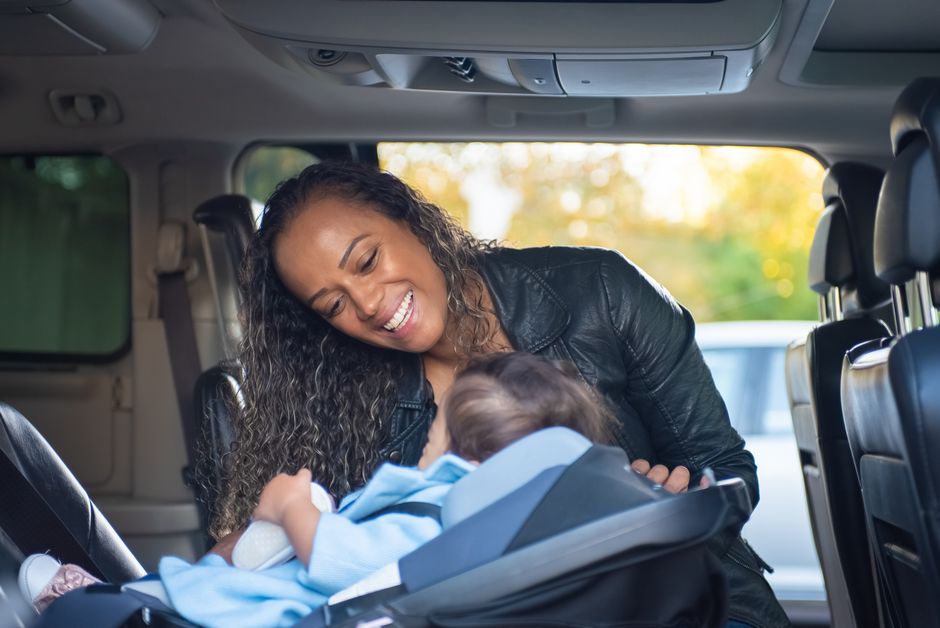
What Happens in a Collision with a Puffy Jacket:
- Instant Fluff Evacuation: The intense dynamic load forces all ambient air out of the jacket’s synthetic fill within 10 to 30 milliseconds.
- Deadly Harness Slack: The harness suddenly has 3 to 5 inches of free play.
- Catastrophic Ejection Risk: The child’s body surges forward before the loose straps engage, causing severe spinal whiplash, internal organ bruising from strap slamming, or complete ejection from the child seat.
If you want to ensure your entire vehicle setup meets gold-standard guidelines, see our comprehensive guide on the most common car seat safety mistakes parents make.
2. The 2-Step “Pinch Test”: How to Test Any Winter Outfit at Home
You don’t need special equipment to determine if a jacket, sweater, or bunting suit is safe for car seat travel. You can do the CPST Pinch Test in your living room in two minutes:
   STEP 1: Buckle child WITH the coat on. Tighten harness until snug.
           Do NOT touch the harness adjuster strap after this!
   STEP 2: Unbuckle, remove coat, and buckle child back in with regular clothes.
   TEST:   Try to pinch the harness webbing at the collarbone between your fingers.
           • Can't pinch webbing? ──► SAFE & CAR-SEAT APPROVED ✅
           • Can pinch a fold?    ──► DANGEROUS HIDDEN SLACK ❌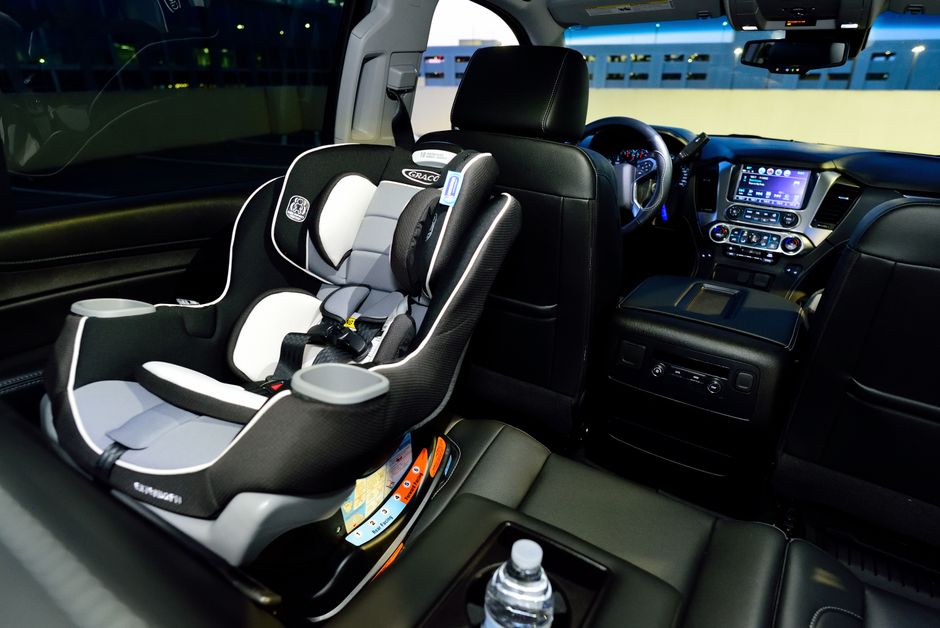
If you can gather and pinch any vertical fold of harness webbing between your thumb and index finger at your child’s shoulder, that outfit is too thick for travel and must be removed before buckling.
💡 Pediatric / Mom Tip: High-density, single-layer micro-fleece jackets (such as thin Columbia or Patagonia fleece pullovers) almost always pass the pinch test with zero strap loosening, making them ideal for everyday winter errands.
3. Dangerous Aftermarket Products: The “Bundle-Me” Trap
Walk down the baby aisle of any major retailer, and you will see dozens of plush shearling seat liners, padded strap covers, and zippered sleeping-bag inserts marketed as “car seat warmers.”
Many parents assume that if a product is sold in stores, it must be government-tested. This is false.
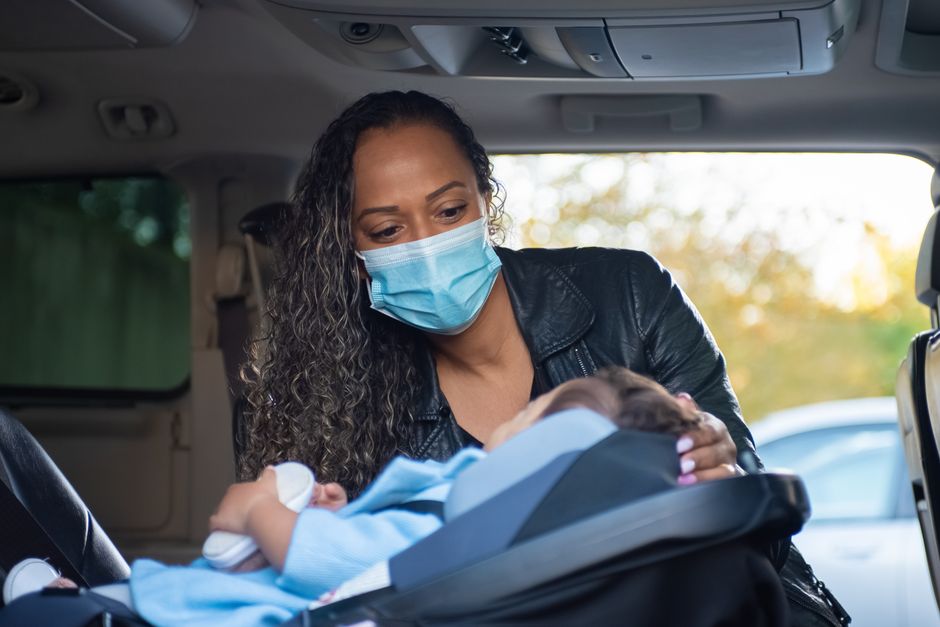
Why Aftermarket Inserts Are Dangerous:
- Zero Regulatory Crash Testing: Aftermarket accessories are not regulated by NHTSA and are not crash-tested with your specific car seat brand.
- Webbing Alteration: Any insert that slips behind the child’s back or weaves through harness slots alters the geometry of the straps and introduces dangerous compressibility.
- Voiding Manufacturer Warranty: Installing unapproved items immediately voids your car seat manufacturer’s liability in the event of an accident.
⚠️ Warning Alert: The only safe car seat cover is a “shower-cap style” cover that slips elasticized edges over the exterior plastic rim of the infant carrier without passing any fabric between the baby and the harness. For other dangerous nursery gear to avoid, check our essential guide on dangerous nursery items and hidden baby hazards.
4. Four CPST-Approved Warmth Strategies That Keep Babies Safe
You never have to choose between freezing temperatures and car crash protection. Here are the 4 gold-standard ways to keep your little one cozy in winter:
Strategy 1: The “Backward Coat” Trick
Put your child in their normal indoor clothing (long sleeves or light sweater). Buckle and tighten the harness properly. Once secured, slip their arms backward through the sleeves of their winter coat, laying the coat over their chest like a blanket. If the car warms up, you can easily pull it off without stopping the vehicle.
Strategy 2: Tucking Blankets OVER the Buckled Harness
Buckle your baby securely, ensuring the harness passes the Pinch Test. Place a plush fleece or wool blanket over the child, tucking the edges firmly around their sides beneath their legs. Never tuck blankets behind their head or back.
Strategy 3: The Car Seat Poncho
For older babies and toddlers, a fleece car seat poncho is a lifesaver. The back of the poncho flips up over the back of the car seat shell, the front flips up over the chest while you buckle the harness underneath, and then drapes back down over their lap like a warm tent.
Strategy 4: Thin Thermal Layering
Dress your child in three thin, breathable layers:
- Base Layer: Cotton onesie or thermal underwear
- Middle Layer: Long-sleeve shirt and fleece-lined leggings
- Outer Layer: Thin, single-layer micro-fleece zip-up jacket + warm knit beanie and booties
If you are also traveling with strollers or prams in cold or warm weather, be careful not to trap stagnant air; learn why covering strollers with blankets creates dangerous thermal and suffocation hazards.
5. The Overheating & Positional Asphyxiation Double-Trap
Winter travel carries a secondary, less obvious risk: overheating in heated vehicles.
Infants have an immature thermoregulatory system and sweat very little. When placed in a car seat with heavy clothing inside a car where the heater is blowing at 72°F, babies can rapidly overheat. Overheating causes extreme lethargy, deep sleepiness, and increases the risk of positional airway obstruction.
Safe Winter Travel Checklist:
- Remove hats, hoods, and heavy outer blankets once the vehicle’s cabin heater warms up.
- Keep the car seat handle in the manufacturer-approved travel position (check your car seat manual).
- Ensure your baby’s chin remains lifted off their chest at all times to keep their narrow airway wide open. To safeguard your home environment, see our home baby-proofing guide on choking and airway hazards.
Summary Comparison: Winter Travel Gear
| Winter Travel Practice | Dangerous Mistake ❌ | CPST-Approved Practice ✅ |
|---|---|---|
| Jacket Style | Puffy down/synthetic puffer jackets in car seat | Thin single-layer micro-fleece or thermal knitwear |
| Warmth Application | Layering heavy clothing under the harness | Buckling first, then laying coat or blanket over top |
| Accessories | Thick aftermarket inserts with harness cutouts | Shower-cap style elasticized outer covers only |
| Tightness Check | Feeling tightness with hands over thick coat | Performing the 2-step Pinch Test at the collarbone |
| In-Car Temperature | Leaving heavy blankets on in a heated cabin | Removing top blankets once the car reaches comfortable warmth |
Keeping your baby safe in the car is one of the most powerful gifts you can give your family. By skipping the puffy coat in the car seat and using smart, crash-tested layering, you guarantee that your child is surrounded by genuine warmth and lifesaving protection on every single drive.
Google AdSense Placeholder
Slot ready for "in-article". Set your AdSense publisher ID in settings when approved.
Frequently Asked Questions by Moms
Why are puffy winter coats dangerous in a car seat? ▼
Puffy coats and snowsuits contain thick pockets of trapped air between synthetic down or fiberfill. While the harness may feel tight to your hands, the immense g-forces of a 30 mph collision instantly compress that fluff flat, leaving 3 to 5 inches of loose webbing slack. This allows the child to slip out of the harness or suffer severe internal impact injuries.
How do I know if my child's winter jacket is too thick for a car seat? ▼
Perform the simple 'Pinch Test': Harness your child in their car seat wearing the coat and tighten the straps. Unbuckle without loosening the straps, remove the coat, and buckle your child back into the seat. If you can pinch any webbing between your thumb and forefinger at the collarbone, the jacket is unsafe for travel.
How do I keep my baby warm in the car without a winter coat? ▼
Dress your baby in thin, breathable layers (such as a thermal onesie and micro-fleece sleeper), buckle and tighten the 5-point harness snugly against their chest, and then place a warm blanket or their winter coat over them backward on top of the already-buckled harness straps.
Are 'Bundle Me' car seat inserts with back cutouts safe? ▼
No. The American Academy of Pediatrics (AAP) and NHTSA strongly advise against any aftermarket product that places a thick layer of fabric or padding behind the child's back or underneath the harness straps. Only shower-cap style covers that stretch over the exterior shell without interfering with the harness are crash-tested and safe.

Written by Sarah Collins
Doctor-Reviewed & Fact-CheckedMom of Two & Founder of Mommy Tips & Life
Sarah is a mother of two (Liam & Maya) sharing evidence-based parenting guides, infant sleep solutions, and baby safety alerts tested in real family life and vetted against AAP clinical standards.
Google AdSense Placeholder
Slot ready for "footer-banner". Set your AdSense publisher ID in settings when approved.