How to Boost Toddler Speech and Language at Home: 5 Common Communication Traps
Worried about your toddler's vocabulary? Discover 5 common language development traps, speech therapy strategies, and daily speech-boosting activities.
Sarah Collins
Mom of Two & Founder of Mommy Tips & Life

Google AdSense Placeholder
Slot ready for "header-banner". Set your AdSense publisher ID in settings when approved.
🩺 Medical Disclaimer: This guide is for educational purposes and should not replace pediatric or obstetric medical consultation.
🛍️ Affiliate Disclosure: We may earn a small commission when you purchase through our links at no extra cost to you.
When my son turned nineteen months old, a heavy cloud of anxiety settled over our home. At playgroup, other toddlers were pointing at ducks and babbling little two-word phrases, while my son communicated almost entirely in frantic grunts, pulling my pant leg, and pointing. Every time someone asked how many words he had, I felt a knot in my stomach and an overwhelming wave of guilt.
I began obsessively buying “educational” electronic talking toys, showing him flashcards, and constantly quizzing him: “What’s this? Can you say truck? Say TRUCK!” Instead of talking, he would look away, become visibly frustrated, and throw the toys. It wasn’t until I sat down with a pediatric Speech-Language Pathologist (SLP) that I realized my well-meaning tactics were actually silencing him.
If your toddler is also exposed to digital devices or fast-paced media, you know how easily modern habits can hinder early verbal processing—as we detailed in our guide on 5 screen time traps causing toddler speech delays.
The Quick Breakthrough Summary: Boosting toddler language at home isn’t about flashcards or aggressive quizzing. The breakthrough came from three evidence-based SLP techniques: switching from testing questions to “sportscasting narration,” implementing the clinical “5-second communication pause,” and using the “Expansion + 1” verbal modeling rule. Within six weeks, our son blossomed from 8 isolated words to over 45 spontaneous words and two-word combinations.
Here is the clinician-vetted breakdown of the five biggest communication traps parents make and how to turn everyday moments into language goldmines.
1. The “Pop Quiz” Trap (Asking Too Many Direct Questions)
When parents want their toddler to speak, their instinct is to ask continuous questions: “What color is that? What does the cow say? Is that a ball? What are you eating?”
       THE POP QUIZ SPIRAL
   ┌────────────────────────────────────────────────────────┐
   │ Parent asks: "What is this? Say apple!"                │
   │                    ▼                                   │
   │ Toddler feels performance pressure & evaluation        │
   │                    ▼                                   │
   │ Brain shifts from playful processing to anxiety freeze │
   │                    ▼                                   │
   │ Result: Silence, gaze aversion, or verbal refusal      │
   └────────────────────────────────────────────────────────┘
Constant questioning turns everyday interaction into a high-stakes exam. Toddlers don’t learn language by being tested on words they barely know; they learn by hearing rich, contextual vocabulary modeled without pressure.
The 3:1 Commenting Rule
For every 1 question you ask your toddler, provide 3 descriptive comments:
- Instead of: “What color is the car?”
- Say: “Look at that bright red car! It’s zooming fast down the track. Vroom! Wow, it stopped at the red light.”
This provides auditory mapping without forcing an immediate verbal response.
💡 Pediatric / Mom Tip: Replace testing questions with curious wondering. Instead of asking “What did you build?”, say “I see tall blue blocks wobbling on top!” Wondering invites spontaneous conversation rather than right-or-wrong pressure.
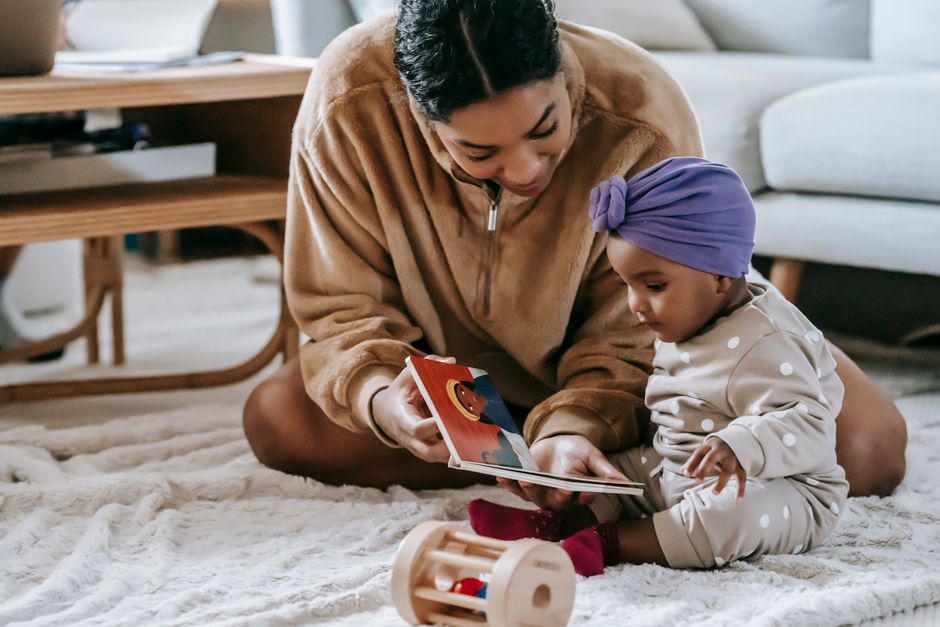
2. Anticipating Every Need Before They Can Speak
Mothers possess an uncanny superpower: we can decipher what our toddler wants from a single 2-second grunt or glance at the refrigerator. However, instantly handing your child their milk cup before they have a chance to gesture or vocalize removes their biological motivation to communicate.
       INSTANT ANTICIPATION                  CREATING COMMUNICATION TEMPTATIONS
   ┌───────────────────────────┐         ┌───────────────────────────┐
   │ Toddler grunts at counter │         │ Toddler grunts at counter │
   │ Mom instantly hands juice │   ───►  │ Mom pauses & models: "Cup"│
   │ Zero vocal effort needed  │         │ Toddler attempts sound    │
   │ Result: Stagnant speech   │         │ Mom rewards: "Open cup!"  │
   └───────────────────────────┘         └───────────────────────────┘
The Strategy: Communication Temptations
Create gentle, natural opportunities where your child wants to use language to solve a problem:
- Place favorites in sight, but out of reach: Keep favorite toys in clear plastic bins so they must point and request assistance (if your little one isn’t gesturing yet, read our guide on baby not pointing milestone signs and exercises).
- Give small portions: Serve 3 blueberries at a time instead of a full bowl, creating repeated natural opportunities to request “more” or “berries”.
- Perform silly sabotages: Hand them a spoon with no food, or put their shoe on your own head. This sparks laughter and natural verbal objection!
3. Not Giving Enough Processing Time (The 5-Second Pause)
An adult brain processes spoken language and formulates a response in roughly 200 milliseconds. An infant or toddler brain, however, requires up to 5 to 8 seconds to:
- Decode auditory acoustic signals into phonemes.
- Search mental memory banks for matching conceptual meaning.
- Coordinate the diaphragm, vocal cords, tongue, and lips to produce sound.
When parents ask a question and jump in after 2 seconds to answer for the child, they interrupt the toddler’s neurological formulation process.
The “Count to 5 in Your Head” Technique
Whenever you say something or pause during play, look expectantly at your toddler with a warm, open smile and silently count to five (one-Mississippi, two-Mississippi…). You will be amazed how often words emerge at second 4 or 5 when given adequate space.
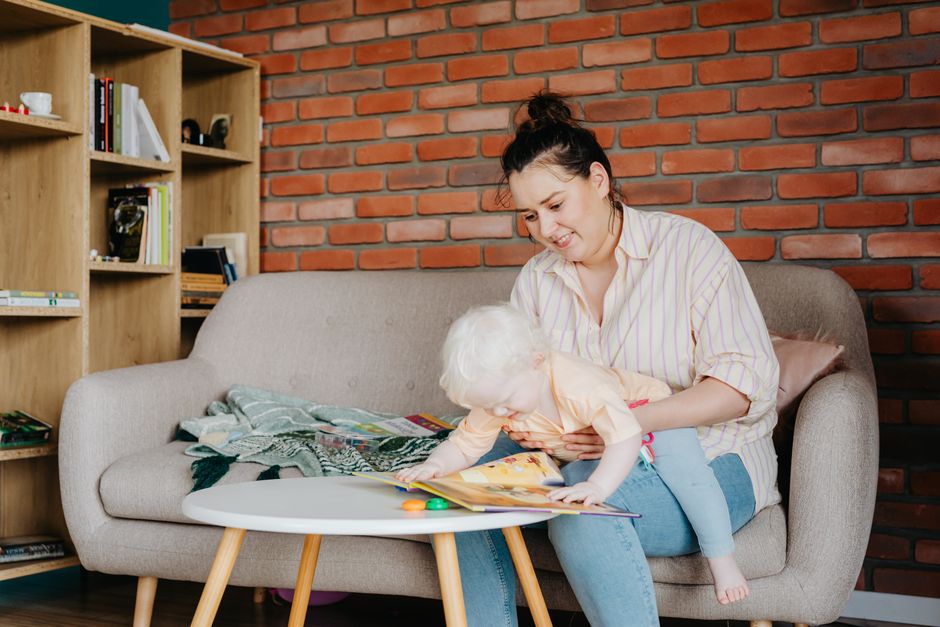
4. Over-Relying on “Educational” Screen Media and Electronic Toys
Many modern toddler toys feature flashing LED lights, motorized gears, and automated voice recordings that recite the alphabet. Studies in pediatric neurodevelopment show that electronic toys produce significantly fewer conversational vocalizations between parents and children compared to traditional open-ended toys.
The Container and Screen Trap
When a child’s attention is passively captured by high-speed digital animations or automated sound chips, their brain enters a passive receptive state. Floor play, physical movement, and face-to-face vocal imitation are the true engines of language. If you want to optimize your toddler’s physical and verbal environment, check our guide on avoiding container baby syndrome and boosting motor milestones.
The Best Open-Ended Speech Toys:
- Wooden blocks and magnetic tiles
- Realistic animal figures with natural sound modeling (“Moo”, “Baa”)
- Play food and pretend kitchen sets
- Plain board books with large real-life photographs
5. Correcting Pronunciation Instead of Modeling Expansion (The “Expansion + 1” Rule)
When a toddler says “Doggie barks!”, many parents instinctively correct their grammar: “No, say: The dog is barking.” Correcting pronunciation or syntax directly can make toddlers feel self-conscious and reluctant to take speech risks.
       DIRECT GRAMMAR CORRECTION             THE "EXPANSION + 1" METHOD
   ┌───────────────────────────┐         ┌───────────────────────────┐
   │ Toddler: "Car go!"        │         │ Toddler: "Car go!"        │
   │ Parent: "No, The car went"│   ───►  │ Parent: "Yes! Fast car go!│
   │ Result: Child clams up    │         │ It's driving fast!"       │
   │                           │         │ Result: Natural learning  │
   └───────────────────────────┘         └───────────────────────────┘
The “Expansion + 1” Protocol
Instead of correcting errors, validate what your child said and repeat it back with exactly one additional descriptive word:
- If child says: “Ball!” ➔ You say: “Big ball!”
- If child says: “Big ball!” ➔ You say: “Big red ball!”
- If child says: “Ball roll!” ➔ You say: “Ball rolls fast!”
This teaches expanding sentence length naturally within their current zone of proximal development. And when frustration boils over into emotional meltdowns, learn how to keep your own nervous system regulated by checking our guide on how to stop toddler tantrums without escalating.
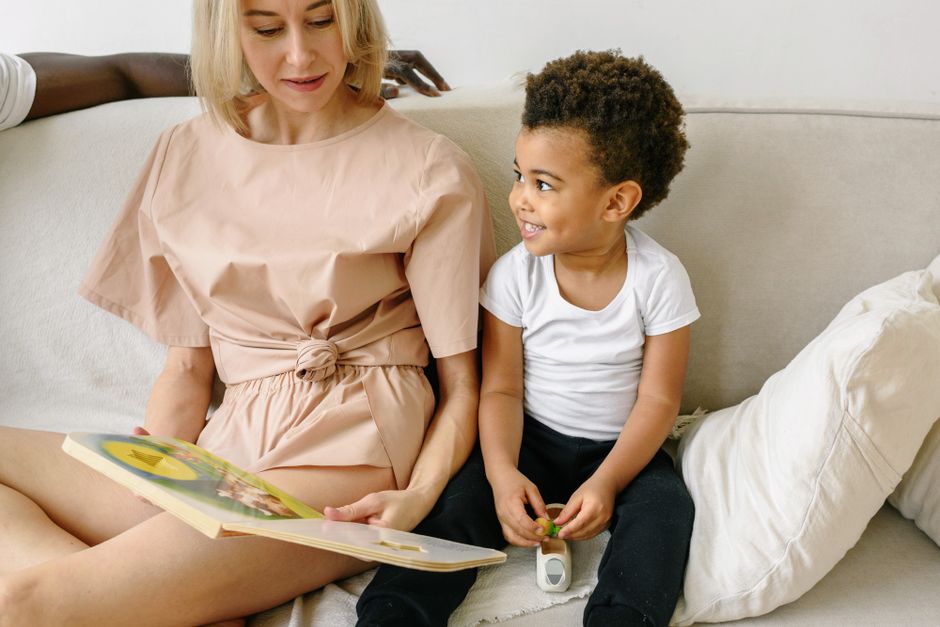
Summary: Toddler Speech Development Best Practices
| Habit | Common Trap ❌ | SLP-Approved Method ✅ |
|---|---|---|
| Daily Talk | Quizzing “What’s this? What color?” | 3:1 Commenting and sportscasting narration |
| Requests | Fulfilling needs instantly before gesture | Creating communication temptations in sight |
| Response Wait | Jumping in after 1-2 seconds of silence | Practicing the patient 5-second processing pause |
| Play Tools | Electronic noise-making toys & screens | Open-ended blocks, pretend play, and board books |
| Grammar | Correcting pronunciation mistakes | Using the “Expansion + 1” modeling technique |
Language is not a competition, and every child blossoms at their own unique pace. By transforming daily routines into low-pressure, conversational connection points, you give your toddler the confidence and tools to share their world with you.
Google AdSense Placeholder
Slot ready for "in-article". Set your AdSense publisher ID in settings when approved.
Frequently Asked Questions by Moms
How many words should an 18-month-old say? ▼
According to updated CDC guidelines, an 18-month-old should spontaneously use at least 10 to 20 spoken words (in addition to 'mama' and 'dada') and consistently use gestures like pointing and waving.
Why is asking toddlers 'What's this?' counterproductive for speech? ▼
Quizzing puts toddlers in a performance anxiety state, triggering shutdown. Descriptive narration and modeling words during play are far more effective than testing their knowledge.
When should I consult a Speech-Language Pathologist (SLP) for my toddler? ▼
Consult an SLP if your toddler makes no eye contact or gestures by 12 months, speaks fewer than 6 words by 18 months, or cannot combine 2-word phrases by age 2.

Written by Sarah Collins
Doctor-Reviewed & Fact-CheckedMom of Two & Founder of Mommy Tips & Life
Sarah is a mother of two (Liam & Maya) sharing evidence-based parenting guides, infant sleep solutions, and baby safety alerts tested in real family life and vetted against AAP clinical standards.
Google AdSense Placeholder
Slot ready for "footer-banner". Set your AdSense publisher ID in settings when approved.