Baby Not Using Pincer Grasp? 5 Milestone Signs, Red Flags, and Doctor-Approved Activities
Worried your 9-12 month old is still raking food or missing their pincer grasp? Discover occupational therapy milestone timelines, red flags, and easy home games.
Sarah Collins
Mom of Two & Founder of Mommy Tips & Life
Google AdSense Placeholder
Slot ready for "header-banner". Set your AdSense publisher ID in settings when approved.
🩺 Medical Disclaimer: This guide is for educational purposes and should not replace pediatric or obstetric medical consultation.
🛍️ Affiliate Disclosure: We may earn a small commission when you purchase through our links at no extra cost to you.
When my second baby was ten months old, I watched the other babies in our weekly playgroup effortlessly pinch single blueberries between their tiny index fingers and thumbs. Meanwhile, my son Liam would slap his entire open palm onto his high chair tray, rake his pureed carrots into a messy pile, and become frustrated when he couldn’t get a single morsel into his mouth.
I spent sleepless nights spiraling on pediatric forums, convinced that his clumsy grip pointed to a permanent neurological delay. I started aggressively spoon-feeding him every meal just to avoid the frustration, unknowingly depriving him of the exact repetitive tactile practice his developing nervous system needed.
The Quick Breakthrough Summary: The pincer grasp is not an isolated hand reflex—it is the final culmination of proximal-to-distal neurological development. You cannot have fine finger dexterity without strong shoulder stability, an engaged core, and supportive foot posture. The turning point arrived when our pediatric occupational therapist recommended a 3-step fine motor reset: adding a rigid footrest to his high chair to stabilize his pelvis, swapping purees for safe dissolvable puff challenges, and ditching restrictive baby containers for unstructured floor play. Within three weeks, his crude raking grip transformed into a sharp, confident neat pincer grasp.
The Developmental Progression: From Palmar Grasp to Neat Pincer
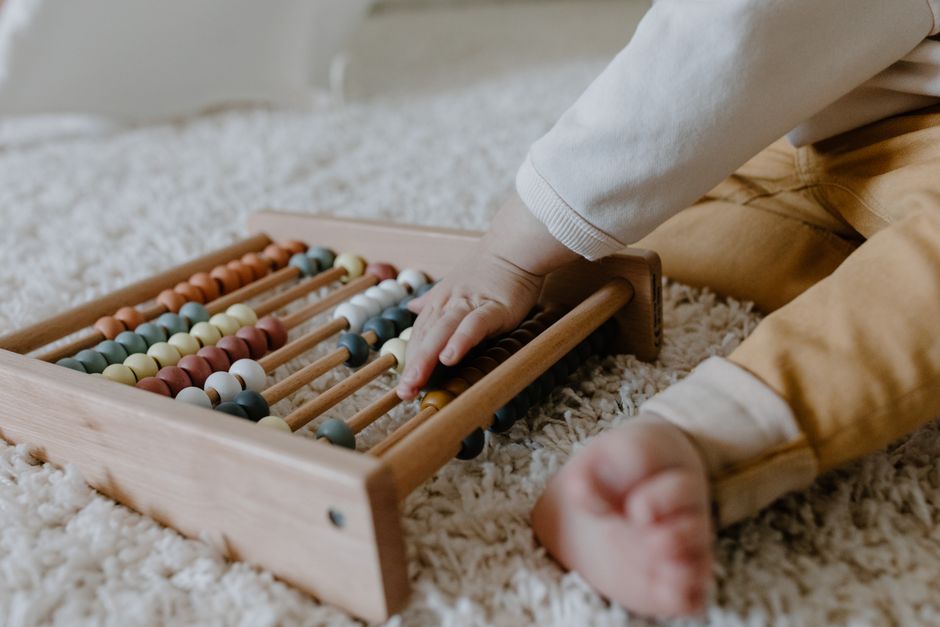
Fine motor development follows a strict biological principle called proximal-distal maturation (development proceeds from the center of the body outward to the extremities).
       ┌────────────────────────────────────────────────────────┐
       │             THE 4 STAGES OF INFANT GRASP               │
       ├──────────────┬─────────────────────────────────────────┤
       │ 4–6 Months   │ Palmar Grasp: Clutches toys with whole  │
       │              │ palm and fingers curling against palm.  │
       ├──────────────┼─────────────────────────────────────────┤
       │ 7–8 Months   │ Raking Grasp: Sweeps all four fingers   │
       │              │ inward like a rake toward palm.         │
       ├──────────────┼─────────────────────────────────────────┤
       │ 8–9 Months   │ Inferior Pincer Grasp: Pinches between  │
       │              │ pads of thumb and side/pad of index.    │
       ├──────────────┼─────────────────────────────────────────┤
       │ 10–12 Months │ Superior/Neat Pincer: Precision pinch   │
       │              │ using the very tips of thumb and index. │
       └──────────────┴─────────────────────────────────────────┘
A neat pincer grasp requires the brain to isolate individual nerve pathways running down the median and radial nerves to control the index finger independently from the other digits. (If your baby is in the earlier 3 to 6-month phase and not yet batting or grasping objects, see our foundational guide on what to do when baby is not reaching for toys).
1. The High Chair Posture Trap (No Footrest = No Fine Motor Control)
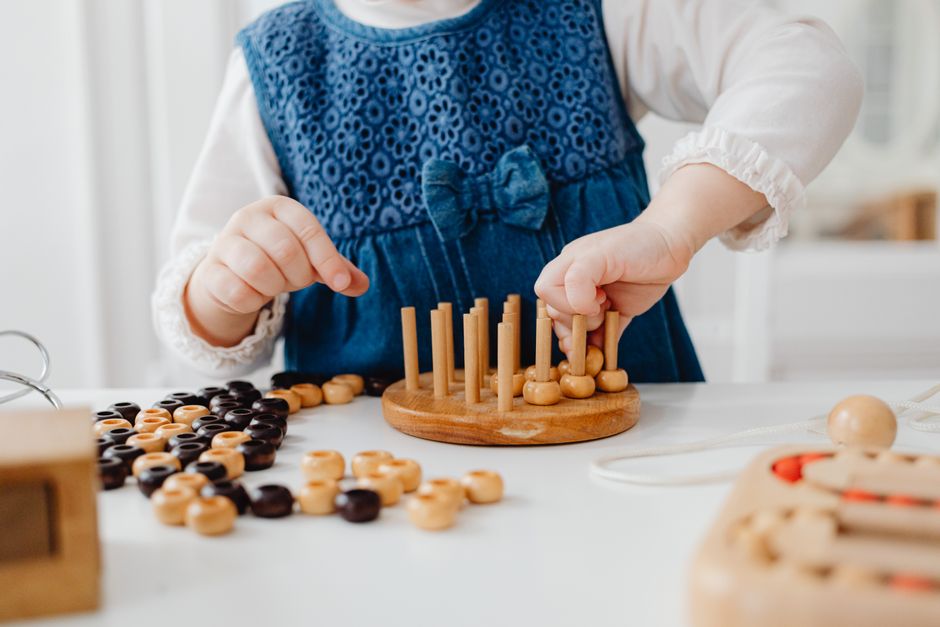
One of the most overlooked barriers to fine motor coordination is poor seating biomechanics. If your baby sits in a high chair with their feet dangling in the air, their abdominal core muscles must work overtime just to keep their torso upright.
When the body is fighting for postural balance, the brain cannot dedicate neurological bandwidth to micro-movements of the fingertips.
The 90-90-90 Biomechanical Rule:
- Hips: Bent at 90 degrees.
- Knees: Bent at 90 degrees over the seat edge.
- Feet: Flat on a firm footrest at 90 degrees.
If your high chair lacks a footrest, check our comprehensive review on baby high chair posture and footrest mistakes to see how simple adjustments transform mealtime mechanics.
2. Container Overuse and Lack of Tummy Time
Babies who spend substantial portions of their awake hours in swings, bouncers, walkers, or car seats often experience delays in distal dexterity. This clinical phenomenon is known as container syndrome.
       ┌────────────────────────────────────────────────────────┐
       │             THE FLOOR PLAY TO PINCH CONNECTION         │
       ├────────────────────────────────────────────────────────┤
       │ Tummy Time / Crawling ➔ Strengthens Shoulder Girdle    │
       │ Weight Bearing on Palms ➔ Stretches Palmar Fascia      │
       │ Wrist Extension Practice ➔ Activates Finger Flexors     │
       │ ➔ NEAT PINCER GRASP & INDEPENDENT FINGER ISOLATION     │
       └────────────────────────────────────────────────────────┘
When a baby crawls and pushes up on open hands, the physical pressure stretches the ligaments across their palm and deepens the palmar arches. If your infant spent extensive time in gear, review our guide on container baby syndrome symptoms and floor play exercises to rebuild their gross motor foundation.
3. Only Serving Purees Past 8 Months (Depriving Finger Practice)
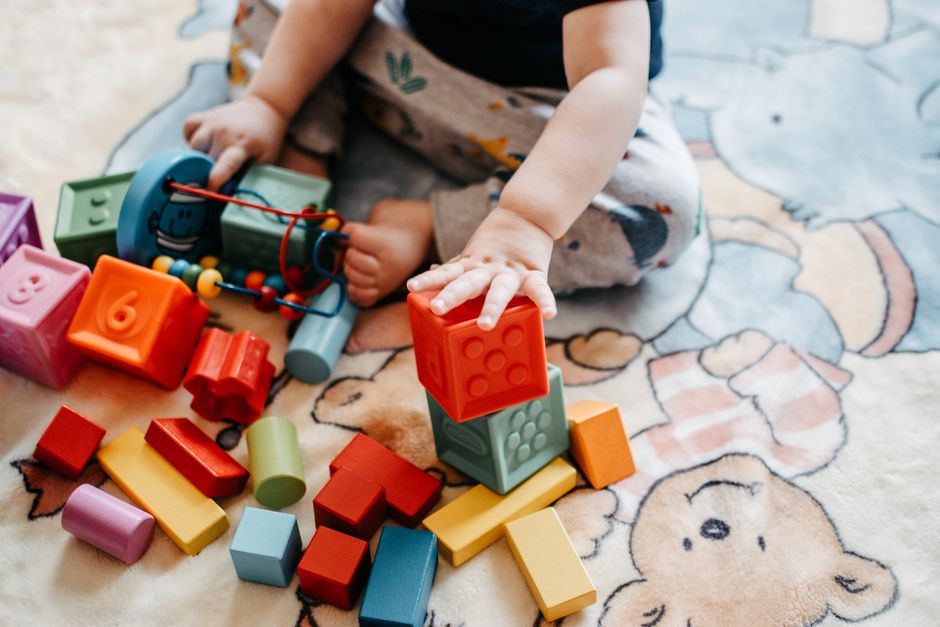
If parents exclusively spoon-feed smooth purees out of fear of choking, babies miss out on hundreds of daily tactile opportunities to practice picking up food.
Self-feeding small, safe textures is the natural evolutionary driver for pincer grasp refinement.
💡 Pediatric / Mom Tip: Offer finger foods at every meal alongside purees. Safe starter textures include organic puffed grains, steamed broccoli florets (grasped by the stem), and small cubes of ripe banana rolled in flaxseed for better grip. Review our guide on baby-led weaning mistakes and gagging vs choking to feed with complete peace of mind.
4. 5 Occupational Therapist-Approved Pincer Grasp Activities
You do not need expensive developmental toys to build fine motor dexterity. Use these doctor-vetted, low-cost activities at home:
Activity 1: The Ice Cube Tray Puff Challenge
Place a single baby puff or Cheerio in each compartment of an empty silicone ice cube tray. Because your baby’s entire palm cannot fit into the narrow slot, they are mechanically forced to use their index finger and thumb tip to extract the snack.
Activity 2: The Whisk & Pom-Pom Pull
Stuff colorful, large felt pom-poms or clean socks inside a stainless steel kitchen whisk. Hand it to your 9-month-old and encourage them to pinch and yank the pom-poms through the narrow wire rungs.
Activity 3: Painter’s Tape Peel
Stick strips of blue painter’s tape across a high chair tray or hard floor, leaving one small corner folded upward. Babies love the visual contrast and will spend 15 minutes intently working their index finger under the tab to peel it up.
Activity 4: Post-it Note Peek-a-Boo
Stick colorful sticky notes on a wall or low mirror at eye level during tummy time or supported sitting. This builds wrist extension while encouraging index finger lifting.
Activity 5: Dropping Puffs into a Water Bottle
Cut a small hole in the top of a clean plastic container and have your baby pinch puffs and drop them through the slot. This reinforces hand-eye coordination alongside object permanence.
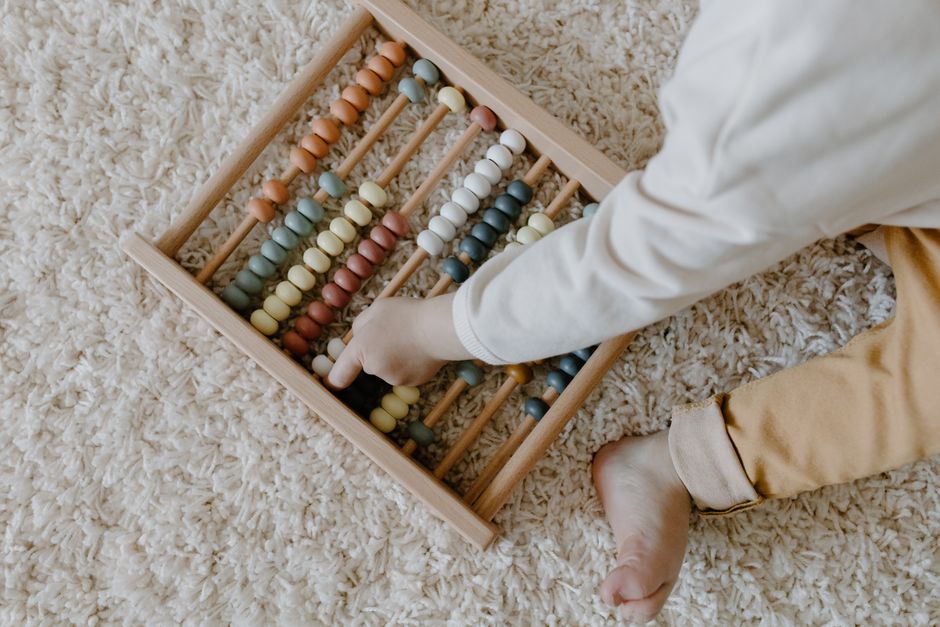
Summary Comparison: Fine Motor Grasp Milestones
| Age Range | Grasp Type & Mechanism | What You See In Daily Play ✅ | Potential Red Flag ⚠️ |
|---|---|---|---|
| 0–3 Months | Involuntary Palmer Reflex | Automatic fist grasp when palm touched | Fists tightly clenched past 4 months |
| 4–6 Months | Voluntary Palmar Grasp | Grabbing rattle using entire hand & palm | Inability to bring hands to midline |
| 7–8 Months | Raking Grasp | Sweeping food toward self with all fingers | Lack of weight-bearing on open palms |
| 8–9 Months | Inferior Pincer Grasp | Pinching small items between pads of fingers | Persistent preference for only one hand |
| 10–12 Months | Superior Neat Pincer | Picking up tiny crumbs with fingertip precision | Inability to release objects voluntarily |
| 12–15 Months | Isolated Index Pointing | Poking holes, pointing at desired objects | Lack of pointing to express interest |
Red Flag Warning Signs: When to Consult Early Intervention
Every child develops on their own unique timeline. However, the American Academy of Pediatrics recommends scheduling an evaluation if you observe any of the following:
       ┌────────────────────────────────────────────────────────┐
       │             FINE MOTOR MILESTONE RED FLAGS 🚨          │
       ├────────────────────────────────────────────────────────┤
       │ ⚠️ Hands remain tightly clenched into fists past 6m.   │
       │ ⚠️ Strong preference for one hand before 12 months.    │
       │ ⚠️ Inability to bring toys to mouth or transfer hands. │
       │ ⚠️ No attempt to pick up small objects by 12 months.   │
       │ ⚠️ Inability to isolate index finger to point by 15m.  │
       │ ⚠️ High muscle stiffness (hypertonia) or floppiness.   │
       └────────────────────────────────────────────────────────┘
If your baby is also struggling with other non-verbal gestures, read our detailed clinical breakdown on baby not pointing milestone delay signs and early intervention steps.
Sarah’s Heartfelt Advice for Anxious Parents
It is so easy to compare your baby’s milestones to the neighbor’s child or social media reels. But remember: fine motor skills develop in micro-steps. If your baby is 9 or 10 months old and still raking their snacks, they aren’t “behind”—their nervous system is simply laying down the neural scaffolding.
Give them floor time, set out a tray of puffs, tape down some blue painter’s tape, and watch their little fingers explore the world at their own perfect pace!
Google AdSense Placeholder
Slot ready for "in-article". Set your AdSense publisher ID in settings when approved.
Frequently Asked Questions by Moms
At what age should a baby master the pincer grasp? ▼
Babies typically begin developing a crude or inferior pincer grasp between 8 and 9 months (using the pads of their thumb and index finger). By 10 to 12 months, most infants refine this into a neat/superior pincer grasp, picking up tiny objects using only the tips of their thumb and index finger.
Why is my 10-month-old still using their whole hand to grab food? ▼
Using the whole hand or curling all fingers inward is called a 'raking grasp.' This is a normal preceding milestone. If your baby hasn't transitioned to a pincer grasp, it is often due to emerging core/trunk stability, lack of finger food practice, or spending too much time in restrictive baby gear.
Is early hand preference a red flag in babies under 12 months? ▼
Yes. Infants should use both hands equally throughout their first year of life. A strong hand preference (consistently only using the right or left hand while keeping the other clenched or inactive) should be evaluated by a pediatrician to rule out asymmetrical motor tone or neurological delays.
What are the best finger foods to encourage the pincer grasp? ▼
Safe, dissolvable finger foods like organic oat puffs, halved blueberries (flattened between your fingers), soft cooked pea halves, and tiny pieces of steamed carrot or avocado are ideal for practicing the neat pincer grasp without choking risks.

Written by Sarah Collins
Doctor-Reviewed & Fact-CheckedMom of Two & Founder of Mommy Tips & Life
Sarah is a mother of two (Liam & Maya) sharing evidence-based parenting guides, infant sleep solutions, and baby safety alerts tested in real family life and vetted against AAP clinical standards.
Google AdSense Placeholder
Slot ready for "footer-banner". Set your AdSense publisher ID in settings when approved.