5 Baby-Led Weaning Mistakes That Cause Severe Gagging (And How to Start Solids Safely)
Terrified of baby-led weaning choking? Discover 5 critical BLW mistakes, the difference between gagging and choking, and doctor-approved safe feeding steps.
Sarah Collins
Mom of Two & Founder of Mommy Tips & Life
Google AdSense Placeholder
Slot ready for "header-banner". Set your AdSense publisher ID in settings when approved.
🩺 Medical Disclaimer: This guide is for educational purposes and should not replace pediatric or obstetric medical consultation.
🛍️ Affiliate Disclosure: We may earn a small commission when you purchase through our links at no extra cost to you.
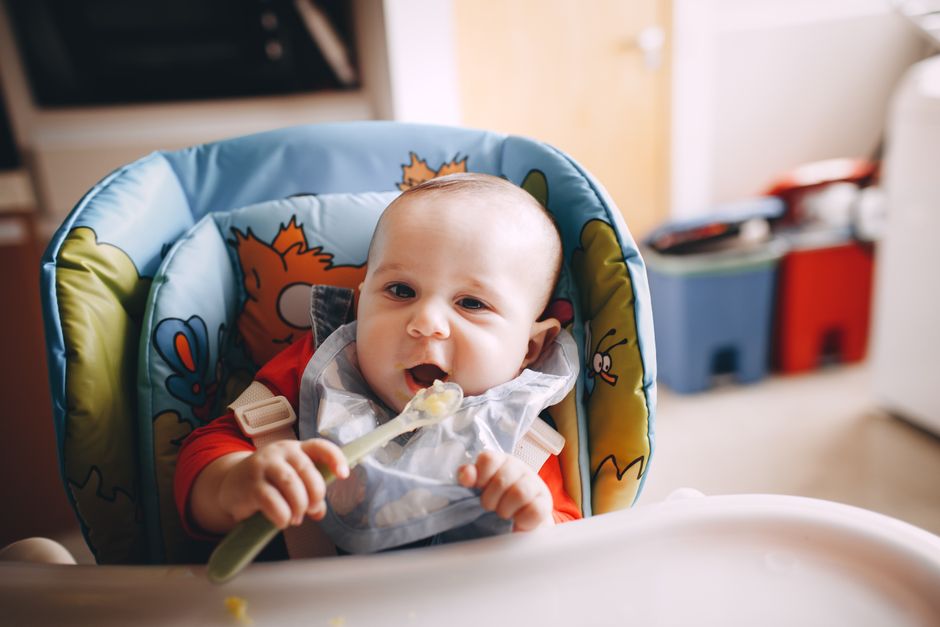
The first time I offered my six-month-old daughter a piece of steamed broccoli, my heart was pounding so fast I could hear it in my ears. Within thirty seconds, her face turned bright red, her eyes watered, and she made a violent retching sound. I panicked, jammed my finger into her mouth to scoop out the food, and ended up crying on the kitchen floor while she screamed in terror.
I felt like an utter failure. Social media reels made baby-led weaning (BLW) look like a joyful, effortless picnic, but in my home, it felt like an anxiety-inducing minefield. Every meal was filled with dread, hypervigilance, and confusion over whether my baby was exploring food or in mortal danger. If your baby is also battling digestive discomfort during early feedings, you know how overwhelming infant nutrition can feel—just as we explored when identifying the 7 hidden signs of baby silent reflux.
The Quick Breakthrough Summary: The solution didn’t require abandoning whole foods or living in constant panic. It came down to three crucial pediatric shifts: mastering the physiological difference between harmless gagging and silent choking, prepping foods in the correct “finger-length adult-squish” texture, and eliminating high chair posture errors by providing firm foot support. Within a week, mealtime transformed from a terrifying ordeal into a calm, joyful milestone.
Here is the doctor-vetted, step-by-step breakdown of the most dangerous baby-led weaning mistakes and how to raise a confident, safe eater from day one.
1. Interfering with the Gag Reflex (The Finger-Sweep Mistake)
The single biggest mistake well-meaning parents make during baby-led weaning is mistaking a natural gag reflex for life-threatening choking—and intervening too quickly.
       Baby Gagging (Normal & Protective)
       ┌────────────────────────────────────────────────────────┐
       │ • Loud coughing, sputtering, red face                  │
       │ • Forward tongue thrust pushes food out of the airway  │
       │ • ACTION: Stay calm, observe, do NOT insert fingers    │
       └────────────────────────────────────────────────────────┘
                                vs.
       Baby Choking (Medical Emergency)
       ┌────────────────────────────────────────────────────────┐
       │ • Total silence, inability to cry or cough             │
       │ • Panicked wide eyes, skin turning blue/grey           │
       │ • ACTION: Immediate infant back blows & chest thrusts  │
       └────────────────────────────────────────────────────────┘
In infants, the gag reflex trigger point is located much farther forward on the tongue than in adults. It acts as nature’s built-in safety shield, automatically pushing unchewed food forward before it can reach the sensitive vocal cords.
Why Blind Finger Sweeps Increase Choking Danger
When you see your baby gagging and thrust your finger into their mouth, your finger acts like a piston. Instead of retrieving the food, you risk shoving the food bolus directly backward into the laryngeal opening, transforming a harmless gagging episode into an acute airway obstruction.
What to Do Instead
- Follow the golden pediatric rule: “Loud and red, let them shed; silent and blue, they need you.”
- Keep your hands to yourself while smiling reassuringly and modeling a soft chewing motion (
"Mmm, chew chew"). - Allow your baby’s tongue to complete the natural extrusion reflex.
💡 Pediatric / Mom Tip: Never do a blind finger sweep. Only remove food from your baby’s mouth if you can clearly see the piece resting loosely on their front lips or tongue and can flick it away with a single gentle swipe.
2. Serving Incorrect Textures (The Raw Apple & Coin Carrot Trap)
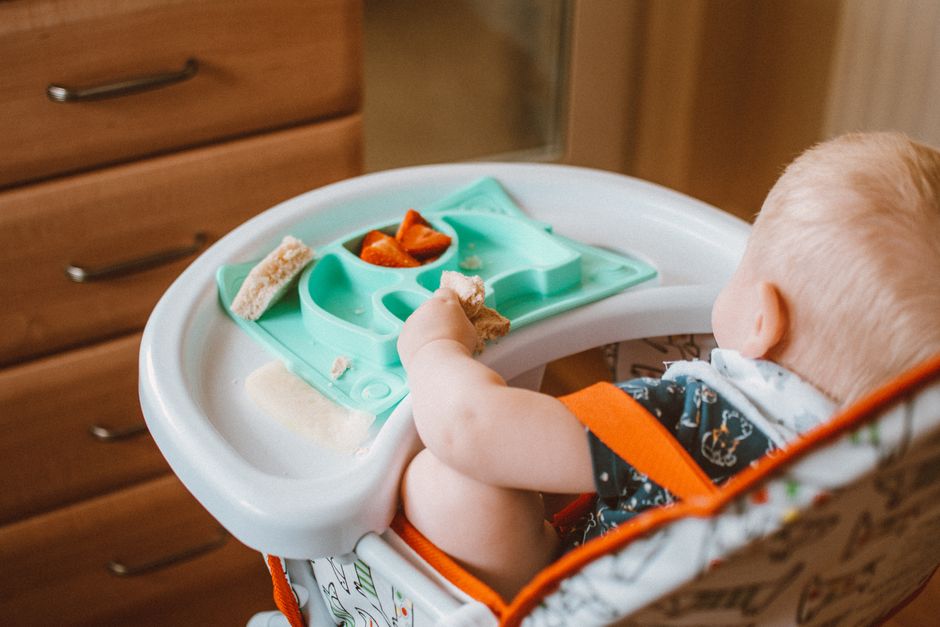
Many parents assume that “finger food” means cutting ordinary adult food into smaller bite-sized pieces. However, cutting firm foods into small rounds actually creates the exact diameter required to plug an infant’s narrow trachea (which is roughly the width of a standard drinking straw).
The High-Risk Foods to Avoid or Modify
Certain textures are strictly unsafe for babies under 12 months:
- Round coins: Whole grapes, cherry tomatoes, and sliced sausages must always be quartered lengthwise.
- Hard, raw produce: Raw apples, raw carrots, and hard pears must be steamed until soft enough to squash effortlessly between your thumb and index finger.
- Sticky masses: Large globs of nut butter must be thinned with breastmilk, formula, or water.
⚠️ Warning Alert: Whole nuts, popcorn, hard candies, and large spoonfuls of sticky nut butters are among the top causes of fatal pediatric choking. Never offer these items to infants or young toddlers.
The “Squish Test” Benchmark
Before placing any solid food on your baby’s tray, perform the clinical squish test: press the food firmly between your index finger and thumb. If it yields to gentle pressure with the consistency of a ripe avocado or well-steamed carrot, your baby’s gums can easily mash it.
3. Poor High Chair Posture (The Missing Footrest Error)
Did you know that how your baby sits in their high chair directly impacts their ability to swallow safely? When a baby’s feet dangle unsupported in mid-air, their core muscles must contract constantly just to keep their torso upright.
       UNSUPPORTED SEATING                   OPTIMAL 90-90-90 POSTURE
   ┌───────────────────────────┐         ┌───────────────────────────┐
   │ • Feet dangling in air    │         │ • Torso upright (90°)     │
   │ • Core fatigue & slumping │   ───►  │ • Hips & knees at 90°     │
   │ • Increased choking risk  │         │ • Feet flat on solid base │
   │ • Fussy, short meals      │         │ • Safe, stable swallowing │
   └───────────────────────────┘         └───────────────────────────┘
When trunk stability is compromised, the delicate muscles of the pharynx and esophagus cannot coordinate the complex sequence of swallowing solid textures. Furthermore, a slumping posture angles the airway backward, increasing aspiration risks. If you are preparing your registry or assessing gear safety, learn how simple gear design flaws can sabotage development in our review of baby items parents regret buying.
Optimizing High Chair Biomechanics
- Ensure the high chair back is positioned strictly at a 90-degree vertical angle (no reclined seats).
- Adjust or attach a solid footrest so your baby’s feet rest flat with hips, knees, and ankles aligned at 90 degrees.
- If your high chair lacks a footrest, tightly wrap an elastic exercise band or tie a yoga block beneath their feet.
4. Starting Solids Before True Developmental Readiness
A common pressure point among new parents is the outdated advice to start solids or rice cereal at 4 months to “help baby sleep through the night.” In reality, early solids do not improve sleep and can overwhelm an immature infant gut. If you are experiencing frequent night wakings, evaluate their schedule using our essential guide to newborn sleep traps and wake windows rather than rushing solid foods.
The 4 Non-Negotiable Signs of BLW Readiness
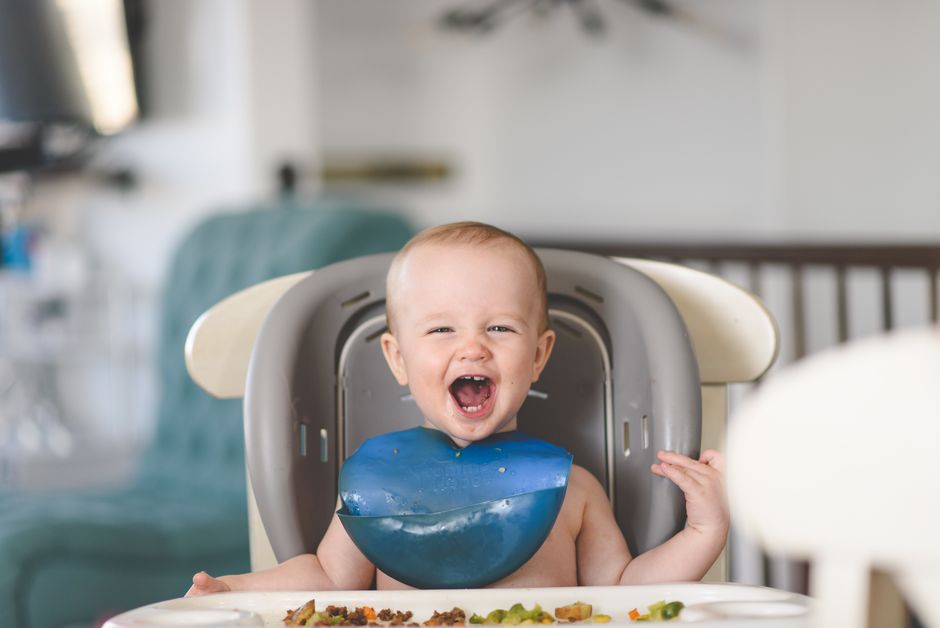
The American Academy of Pediatrics (AAP) and World Health Organization (WHO) recommend waiting until around 6 months when all four developmental milestones are present:
- Independent Sitting: Baby can sit upright with minimal support and hold their head steady for the duration of a meal.
- Loss of Tongue-Thrust Reflex: Baby no longer automatically pushes spoons and solid objects out with their tongue.
- Pincer / Palmar Grasp: Baby can deliberately reach out, grasp objects, and bring them accurately to their mouth.
- Active Interest: Baby intensely watches family meals, reaches for food on your plate, and mimics chewing motions.
5. Overwhelming Baby with Cluttered Trays and Pressure
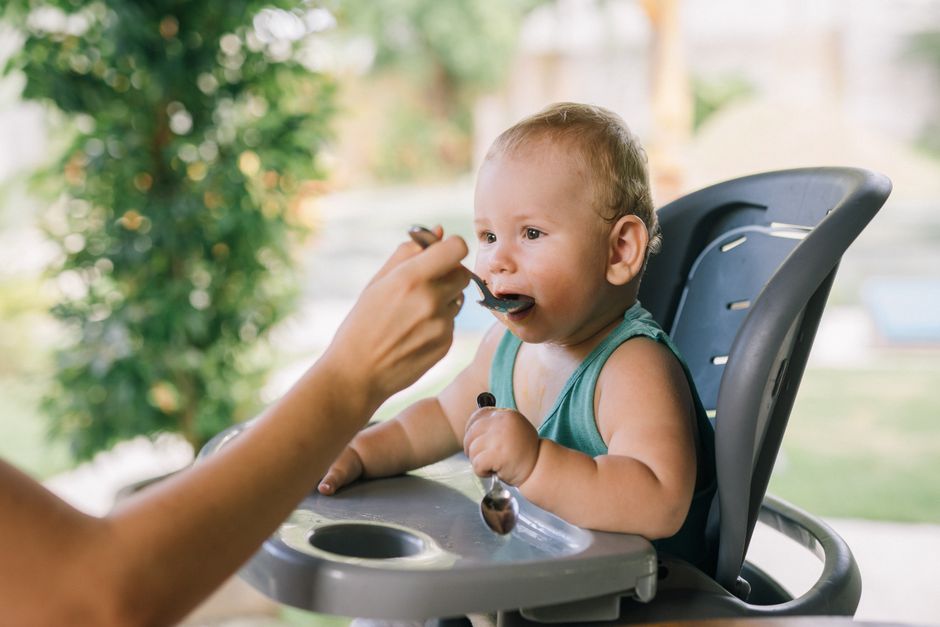
When transitioning to solid foods, many eager parents pile 5 different foods on the high chair tray and hover anxiously, constantly tapping the tray or trying to guide the baby’s hand. This creates severe sensory overload and triggers mealtime resistance.
       OVERWHELMED MEALTIME                  CALM RESPONSIVE FEEDING
   ┌───────────────────────────┐         ┌───────────────────────────┐
   │ • 5+ items on tray        │         │ • 1 to 2 items at a time  │
   │ • Hovering & force-guiding│   ───►  │ • Independent exploration │
   │ • High anxiety atmosphere │         │ • Neutral, encouraging mom│
   │ • Food throwing & refusal │         │ • Confident, happy eater  │
   └───────────────────────────┘         └───────────────────────────┘
Feeding is not just about calories in the early months—breastmilk or formula remains the primary source of nutrition until age one. Early baby-led weaning is primarily about motor skill development, texture acceptance, and sensory mapping. If severe gas or digestive distress develops after introducing new foods, compare their symptoms against our guide on baby formula gut inflammation and digestive intolerance.
Best Practices for Low-Stress Meals
- Offer just 1 or 2 long, graspable strips (about the size and shape of an adult pinky finger) at a time.
- Eat your own meal alongside your baby so they can observe and mirror your natural chewing mechanics.
- Keep sessions capped at 15 to 20 minutes before fatigue sets in.
Summary: Baby-Led Weaning Safety Protocol
| Feeding Factor | Dangerous Habit ❌ | Doctor-Approved Fix ✅ |
|---|---|---|
| Gagging Reaction | Sticking fingers in mouth to scoop food | Staying calm, modeling chewing, letting tongue work |
| Food Texture | Hard, raw, or coin-shaped foods | Steamed until squishable between two fingers, cut into long spears |
| High Chair Posture | Reclined back with dangling unsupported feet | Upright 90° torso with firm footrest support |
| Starting Timing | Rushing solids at 4 months for sleep | Waiting until ~6 months with all 4 readiness signs |
| Tray Presentation | Overloading tray with 5+ foods and hovering | Offering 1-2 finger-sized strips in a relaxed family setting |
Starting solids is a transformative chapter in your parenting journey. When you understand your baby’s innate protective reflexes and prepare their food with evidence-based safety standards, mealtime becomes a source of confidence, joy, and healthy development for the entire family.
Google AdSense Placeholder
Slot ready for "in-article". Set your AdSense publisher ID in settings when approved.
Frequently Asked Questions by Moms
What is the difference between gagging and choking during baby-led weaning? ▼
Gagging is loud, red-faced, and a normal protective reflex where the baby pushes food forward. Choking is silent, blue or pale, and a true medical emergency where the airway is completely blocked.
What are the essential readiness signs before starting baby-led weaning? ▼
Your baby must be at least 6 months old, sit completely unassisted with good head control, have lost the tongue-thrust reflex, and show active interest in reaching for food.
What food shapes are dangerous for babies starting solids? ▼
Round, hard, or sticky foods like whole grapes, raw apple slices, whole nuts, popcorn, hot dogs, and thick clumps of peanut butter pose the highest choking risks.

Written by Sarah Collins
Doctor-Reviewed & Fact-CheckedMom of Two & Founder of Mommy Tips & Life
Sarah is a mother of two (Liam & Maya) sharing evidence-based parenting guides, infant sleep solutions, and baby safety alerts tested in real family life and vetted against AAP clinical standards.
Google AdSense Placeholder
Slot ready for "footer-banner". Set your AdSense publisher ID in settings when approved.