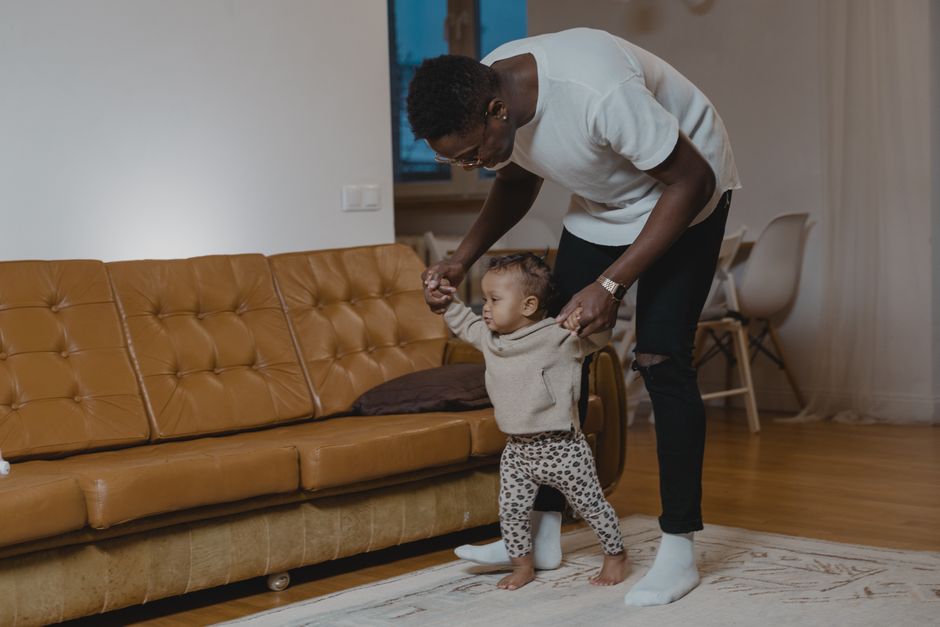
Baby Not Responding to Their Name? 6 Surprising Reasons (And When to Worry vs. Wait)
Is your 9, 10, or 12-month-old ignoring you when you call their name? Discover the developmental timeline, 6 benign causes, and red flags for speech or hearing delays.
Sarah Collins
Mom of Two & Founder of Mommy Tips & Life
Google AdSense Placeholder
Slot ready for "header-banner". Set your AdSense publisher ID in settings when approved.
🩺 Medical Disclaimer: This guide is for educational purposes and should not replace pediatric or obstetric medical consultation.
🛍️ Affiliate Disclosure: We may earn a small commission when you purchase through our links at no extra cost to you.
When Lucas was ten months old, I experienced a moment of quiet maternal panic that left me sleepless for weeks. I was sitting across from him in the living room while he played with a wooden block. I called his name: “Lucas… Lucas!” He didn’t flinch. I said it louder. I clapped my hands. Nothing. He continued staring intently at the block as if I didn’t exist.
Late that night, down the inevitable 2 AM internet rabbit hole, every forum seemed to point toward the worst-case developmental diagnoses. I spent the next four days repeatedly calling his name across the room, feeling a knot of dread tighten in my stomach every time he didn’t immediately whip his head around.
When I brought my video recordings to our developmental pediatrician, she gently stopped me and walked me through how infant auditory attention and neurological gating actually develop.
The Quick Breakthrough Summary: Responding to a name isn’t just a reflex; it involves auditory acuity, neural filtering, and social motivation. Lucas wasn’t delayed; he had silent fluid in his middle ear from a teething cold combined with hyper-focused object immersion and “name fatigue” from hearing his name 100 times a day. Once we addressed the ear fluid and switched to face-to-face proximity calls paired with rich interactive floor play, he responded promptly and enthusiastically.
Here is the comprehensive, evidence-based guide detailing the 6 surprising reasons babies ignore their name, how to test responsiveness properly at home, and when to seek early evaluation.
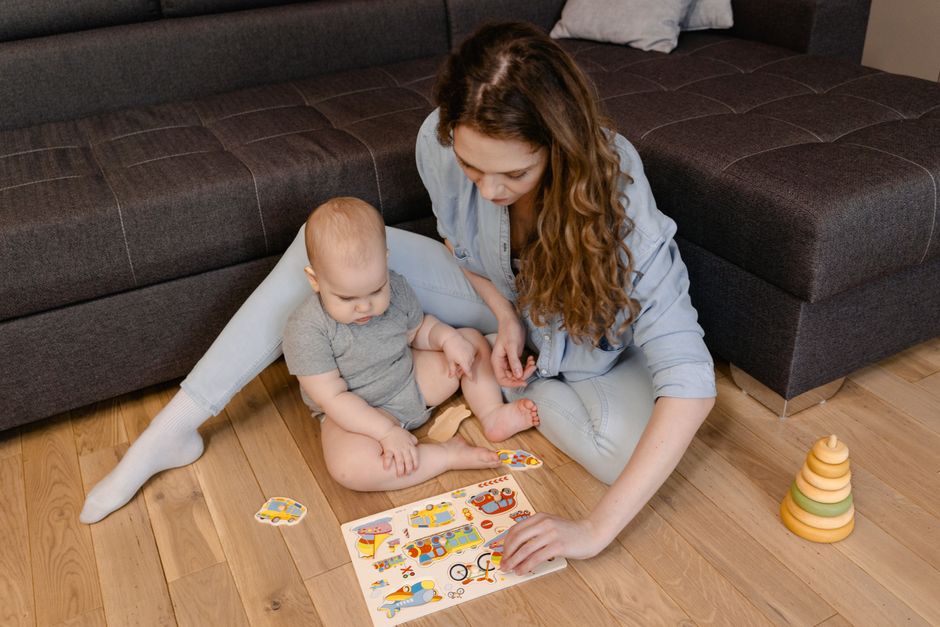
1. The Developmental Timeline: When Should Babies Know Their Name?
Recognizing and orienting toward one’s name is a multi-step cognitive milestone requiring sound localization, receptive language processing, and social engagement.
[ 4–6 Months ] ➔ Turns toward familiar voices and loud sudden noises (Auditory Localization)
      ⬇
[ 6–9 Months ] ➔ Pauses activity and looks up when name is spoken in a clear, quiet room
      ⬇
[ 9–12 Months ] ➔ Consistently responds to name by stopping, smiling, making eye contact, or turning
      ⬇
[ 12+ Months ] ➔ Responds even during moderate activity and pairs response with gestures/pointing
If your baby is also struggling with visual connection or turns away during play, explore our clinical guide on what to do when a baby is avoiding eye contact as well as our pediatrician guide on baby not babbling: milestone warning signs.
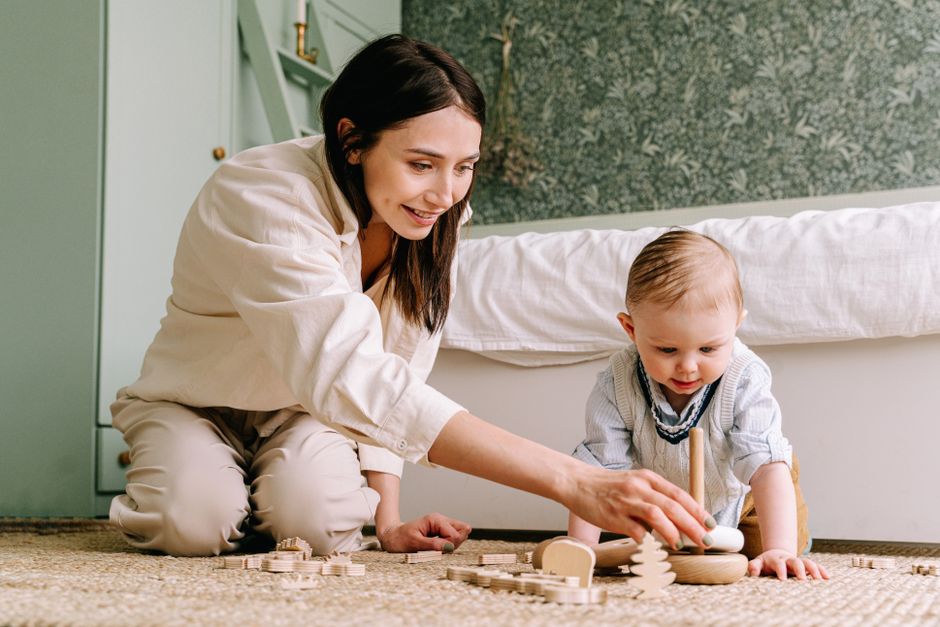
2. The 6 Surprising Reasons Your Baby May Not Respond
Before jumping to worst-case conclusions, review these common, non-neurological reasons why healthy infants tune out their names.
Reason #1: “Silent” Glue Ear (Otitis Media with Effusion)
Up to 80% of children experience fluid buildup behind the eardrum during infancy. Unlike an acute, painful ear infection, “glue ear” causes no fever and no crying.
However, the viscous fluid dampens sound by 20 to 30 decibels—the equivalent of wearing noise-canceling earplugs underwater. High-frequency consonants in names (like s, t, k, p) become virtually inaudible.
Reason #2: Intense “Tunnel Vision” / Hyper-Focused Play
When infants are practicing fine motor milestones—such as transferring an object between hands or inspecting a clasp—their immature frontal lobe enters a state of deep sensory immersion. Their brain actively suppresses auditory inputs to protect visual concentration.
Reason #3: “Name Fatigue” (Desensitization)
If parents repeatedly say a baby’s name as background chatter (“Lucas, look at the dog. Lucas, eat your carrot. Lucas, don’t touch that!”), the infant learns that their name is meaningless ambient noise rather than a direct cue for social connection.
The Fix: The “Rare Cue” Protocol
- Use affectionate nicknames for casual banter.
- Reserve their actual name for direct, high-value, eye-to-eye interactions.
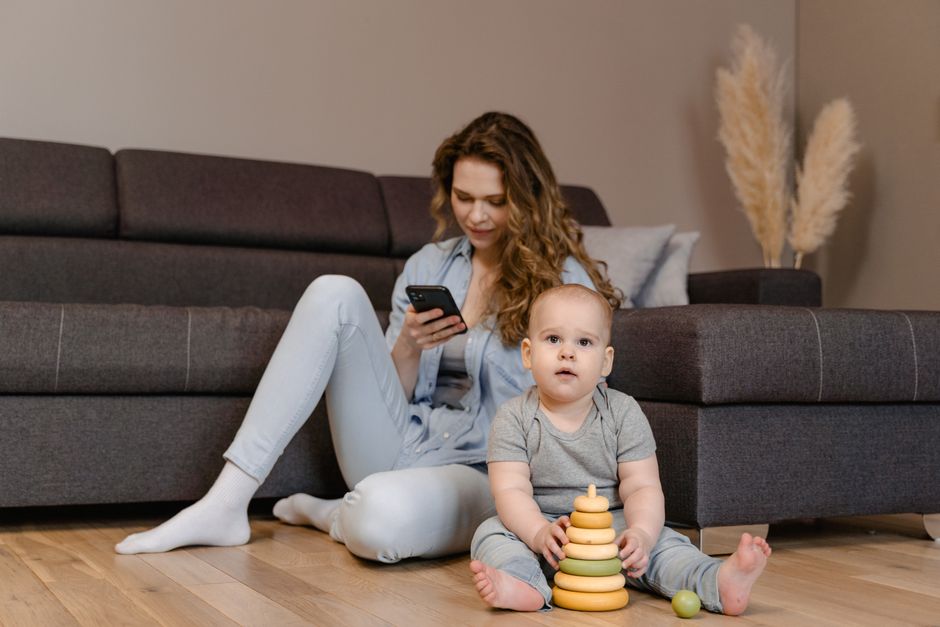
Reason #4: Calling from Too Far Away or With Background Noise
Televisions running in the background, dishwasher hums, and air purifiers overwhelm an infant’s developing auditory cortex. If you call from across the room while the TV is on, their brain cannot isolate your voice from the ambient noise floor (which is also a major reason why background TV and overstimulating cartoons impair language acquisition).
Reason #5: Low Social Motivation (No High-Value Reward)
Babies are driven by engagement. If hearing their name usually means an unwanted diaper change or having a toy taken away, they quickly learn to ignore it. Pair their name with joyful games like peek-a-boo, tickles, or warm smiles.
Reason #6: General Receptive Speech Delay
Receptive language (understanding words) precedes expressive language (speaking words). If your baby is slightly behind in general receptive processing, targeted at-home language enrichment strategies can quickly bridge the gap (see our actionable guide on how to boost baby and toddler speech at home).
3. The Proper Way to Test Name Response at Home
Don’t test your baby by shouting their name ten times in a row while they are playing. Follow this pediatric protocol:
- Wait for a Quiet Room: Turn off all background TVs, music, and sound machines.
- Position Yourself 3 Feet Away: Sit slightly to the side or behind them (out of their direct line of sight).
- Wait for a Neutral Moment: Do not call them when they are in the middle of solving a challenging puzzle or crying.
- Say Their Name Once in a Clear, Warm Melodic Voice: (Use “motherese” / infant-directed speech with varied pitch).
- Wait 5 Full Seconds: Give their immature processing speed time to register the auditory signal.
💡 Pediatric / Mom Tip: If your baby turns their head when you whisper “cookie,” shake a favorite rattle, or open a snack box—but ignores their name—their hearing is perfectly intact. The issue is simply attention, motivation, or desensitization.
4. Red Flags: When to Schedule a Pediatric Evaluation
While occasional inattention is normal, consult your pediatrician or an audiologist if you observe any of the following signs past 12 months:
- Zero Sound Orientation: Does not turn toward loud unexpected sounds (dropping a pan, doorbell).
- No Joint Attention: Does not follow your gaze or point to show you something interesting (explore our checklist on baby not pointing milestone delays).
- Lack of Social Gestures: Does not wave bye-bye, clap, shake head “no,” or reach up to be held.
- Absence of Reciprocal Babbling: Does not engage in back-and-forth vocal “conversations” or mimic sounds.
- Loss of Previously Learned Words: Any regression in social engagement or language skills.
⚠️ Warning Alert: If you suspect hearing loss or a developmental delay, never “wait and see.” Early Intervention programs in the United States (such as Part C Early Intervention) provide free evaluations and therapy without needing a formal physician referral.
Name Response: Benign Inattention vs. Red Flags
| Observational Sign | Likely Benign Inattention ✅ | Warranting Evaluation ⚠️ |
|---|---|---|
| Response to Other Sounds | Turns immediately to music, rattles, or treats | Does not turn to name OR other household sounds |
| Eye Contact | Warm, engaged, makes frequent eye contact | Rare eye contact, avoids looking at faces |
| Gestures & Pointing | Points to objects, waves, claps, shows toys | Does not use gestures to communicate needs |
| Social Warmth | Smiles back, giggles during peek-a-boo | Appears completely in their own world |
| Consistency | Responds 70%+ in quiet face-to-face settings | Never responds regardless of volume or proximity |
Maternal Intuition and Next Steps
Parenting in the digital age can make everyday developmental variations feel terrifying. Most babies who occasionally ignore their name are simply busy exploring the vast, fascinating world around them.
Practice joyful, face-to-face connection every day, keep background screens off, and test their hearing in quiet settings. And remember: if you ever feel uncertain, consulting your pediatrician will give you the clarity and peace of mind you deserve.
Google AdSense Placeholder
Slot ready for "in-article". Set your AdSense publisher ID in settings when approved.
Frequently Asked Questions by Moms
At what age should a baby consistently respond to their name? ▼
Most babies begin turning their head toward their name between 6 and 9 months of age. By 9 to 12 months, a typically developing infant should respond consistently to their name in quiet environments (at least 70% to 80% of the time) when called by familiar caregivers.
Why does my baby ignore me when playing with toys? ▼
Babies between 8 and 14 months develop 'hyper-focus' (joint attention on objects). If their sensory system is deeply engaged in manipulating a toy, stacking cups, or exploring textures, their immature neural gating filters out background sounds, including your voice.
Could fluid in the ears cause a baby to ignore their name without a fever? ▼
Yes. Otitis Media with Effusion (silent fluid behind the eardrum) is extremely common after mild colds. It causes temporary conductive hearing loss (like hearing underwater) with zero fever, pain, or ear-tugging, making it difficult for the infant to localize voice frequencies.
When is not responding to their name a sign of autism or developmental delay? ▼
If a baby past 12 months consistently fails to respond to their name across multiple settings AND exhibits other communication red flags—such as lack of eye contact, absence of pointing to show interest, lack of reciprocal babbling, or not imitating gestures—a formal developmental screening is recommended.

Written by Sarah Collins
Doctor-Reviewed & Fact-CheckedMom of Two & Founder of Mommy Tips & Life
Sarah is a mother of two (Liam & Maya) sharing evidence-based parenting guides, infant sleep solutions, and baby safety alerts tested in real family life and vetted against AAP clinical standards.
Google AdSense Placeholder
Slot ready for "footer-banner". Set your AdSense publisher ID in settings when approved.