5 Reasons Parents Regret Buying Expensive Diaper Pails (And Odor-Free Nursery Alternatives)
Does your expensive diaper pail smell even when empty? Discover why plastic diaper pails absorb bacteria, cost hundreds in refills, and what works better.
Sarah Collins
Mom of Two & Founder of Mommy Tips & Life
Google AdSense Placeholder
Slot ready for "header-banner". Set your AdSense publisher ID in settings when approved.
🩺 Medical Disclaimer: This guide is for educational purposes and should not replace pediatric or obstetric medical consultation.
🛍️ Affiliate Disclosure: We may earn a small commission when you purchase through our links at no extra cost to you.
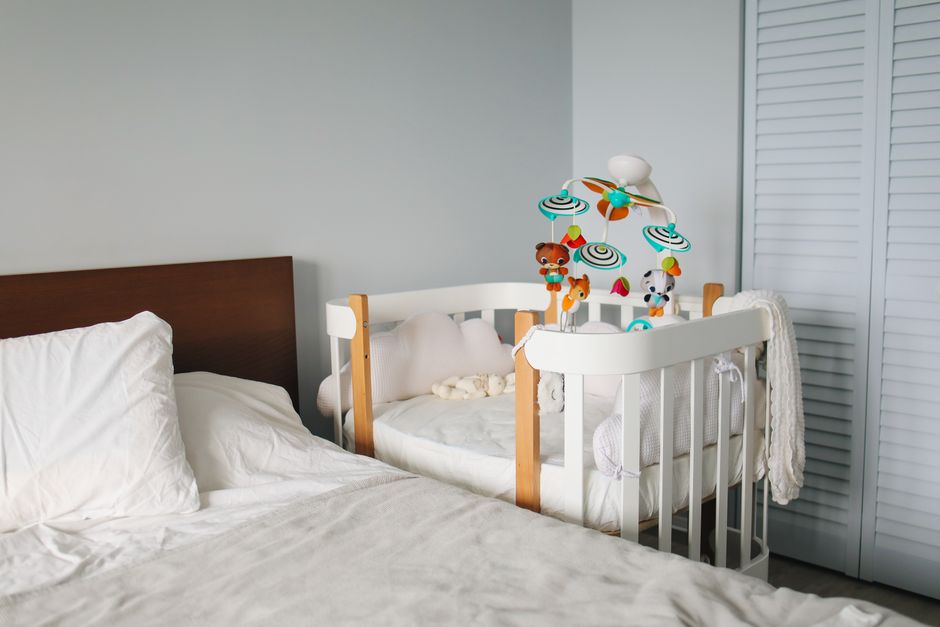
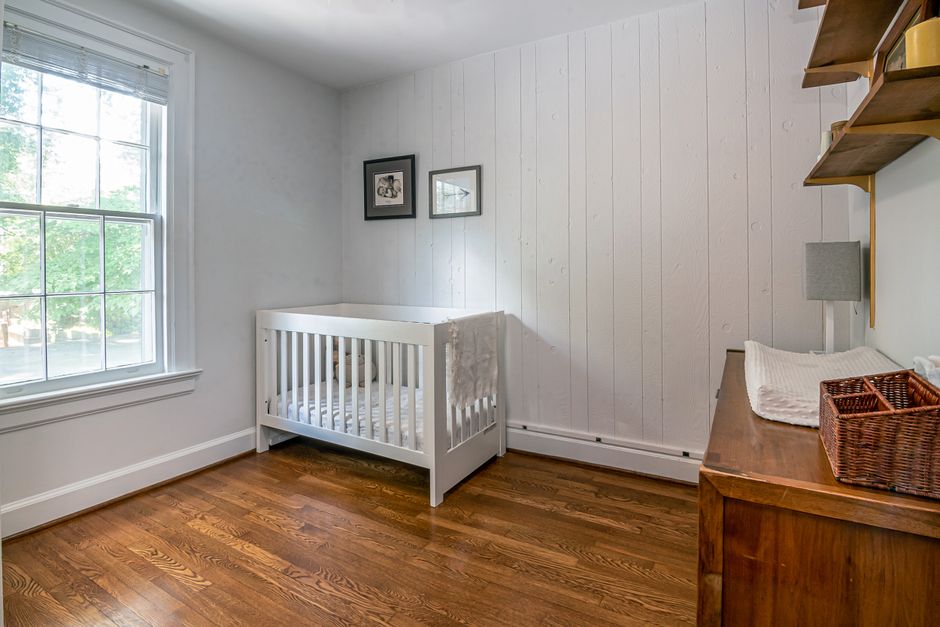
When I was pregnant with my first baby, Maya, registering for a $90 top-rated plastic diaper pail felt like a non-negotiable parenting rite of passage. The box promised “airtight odor-locking seals” and “hands-free hygienic disposal.” I proudly placed it right next to our beautiful white wooden crib.
By month six—right around the time Maya started eating sweet potato purees and solid foods—walking into her nursery felt like walking into a Porta-Potty at a summer music festival.
I scrubbed that plastic pail with bleach, soaked it in white vinegar, left it in the baking sun for three days, and sprayed entire cans of disinfectant into its crevices. The second I brought it back inside, the putrid smell returned with a vengeance. It smelled awful even when completely empty.
The Quick Breakthrough Summary: Plastic diaper pails are one of the most frustrating Baby Registry Gear Regrets in the nursery industry. They are biological incubators that trap bacterial odor molecules inside microscopic plastic pores while locking parents into $150/year proprietary refill bag subscriptions. The solution did not require high-tech contraptions. Our odor-free turnaround came from a simple 3-part routine: switching to a non-porous powder-coated stainless steel pail that uses standard cheap trash bags, using individual degradable dog-poop bags for solid stool taken directly to the garage trash, and placing activated bamboo charcoal bags behind the changing table. Within 24 hours, the nursery smelled clean, fresh, and baby-safe again.
Here is the scientific breakdown of why plastic diaper pails fail, the 5 hidden costs parents regret, and the cleanest nursery alternatives.
1. The Science: Why Plastic Diaper Pails Absorb Odors Permanently
To understand why your expensive nursery pail stinks, you have to look at the chemistry of plastics and infant digestion.
Most commercial diaper pails (including Diaper Genie and Munchkin models) are constructed from injection-molded polypropylene (PP) plastic. While plastic appears smooth and solid to the human eye, at a microscopic level it is a porous, permeable web of polymer chains.
┌─────────────────────────────────────────────────────────────┐
│                 HOW ODOR ABSORPTION HAPPENS                 │
├───────────────────┬─────────────────────────────────────────┤
│ The Contaminant   │ Baby stool releases Butyric Acid &      │
│                   │ Volatile Sulfur Compounds (VSCs).       │
├───────────────────┼─────────────────────────────────────────┤
│ The Permeation    │ Gaseous VSCs penetrate microscopic      │
│                   │ pores in polypropylene plastic walls.   │
├───────────────────┼─────────────────────────────────────────┤
│ The Bonding       │ Lipophilic odor molecules chemically    │
│                   │ bind to plastic polymers permanently.   │
├───────────────────┼─────────────────────────────────────────┤
│ The "Air Blast"   │ Opening the lid expels trapped airborne │
│                   │ bacteria directly into the nursery.     │
└───────────────────┴─────────────────────────────────────────┘
When a baby transitions to solid foods, their digestive tract produces volatile sulfur compounds (VSCs) and butyric acid—lipophilic (fat-soluble) gases that easily permeate plastic pores. Once these gas molecules bind to the polymer chains, no chemical cleaner can extract them. The plastic itself has become permanently scented with feces.
2. The 5 Reasons Parents Regret Buying Expensive Diaper Pails
Beyond the stubborn stench, standard diaper pails create several frustrating practical and financial headaches for new parents.
Regret #1: The $150/Year Proprietary Refill Cassette Trap
The initial cost of the pail ($40 to $90) is just the entry fee. Most plastic pails require custom-sized plastic refill cassettes or continuous tube bags that cost $7 to $12 each. With a newborn going through 10 to 12 diapers a day, parents spend between $120 and $180 every year just on plastic trash bags.
Regret #2: The “Mushroom Cloud” Air Blast
Every time you step on the foot pedal or rotate the lid to drop a diaper inside, the internal volume of the pail displaces air. This creates a piston effect, shooting a concentrated “mushroom cloud” of stale, warm, bacteria-laden air directly into your face and throughout the nursery.
Regret #3: The “Sausage Casing” Bag Jam Disaster
Many twist-and-seal models wrap each dirty diaper in individual plastic sections like a chain of sausages. When the heavy chain fills up, cutting the bag with the internal blade often results in ripped thin plastic, dropping heavy, soiled diapers across the nursery carpet at 3:00 AM.
Regret #4: False Sense of Nursery Sanitation
Storing 30 to 40 dirty diapers inside a heated 72°F (22°C) bedroom for an entire week creates an ideal incubator for coliform bacteria, mold, and ammonia vapors. The American Academy of Pediatrics (AAP) stresses the importance of clean indoor air quality for developing infant lungs (see our guide on toxic chemicals and VOCs in crib mattresses).
Regret #5: Zero Long-Term Utility
Once your child is potty trained at age two or three, a plastic diaper pail that smells like old diapers cannot be repurposed anywhere in your house. It heads straight to the landfill as non-recyclable plastic waste. (To avoid other wasteful purchases, review our master list of popular baby registry items parents regret buying).
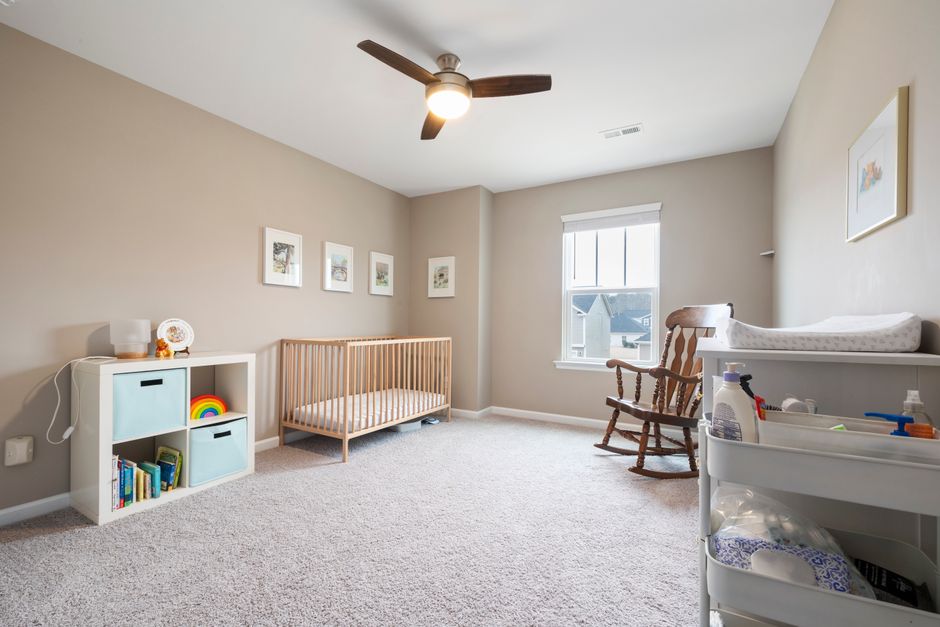
3. The 3 Cleanest Nursery Alternatives
You do not need an expensive biological incubator in your nursery to keep your home smelling pristine. Here are the three best alternatives favored by experienced parents.
Option 1: The Non-Porous Stainless Steel Pail (The Ubbi Solution)
If you want a dedicated pail in the nursery:
- Material Matters: Choose a pail made from powder-coated steel or aluminum rather than plastic. Steel has zero porosity and will never absorb odors.
- Universal Bags: Look for models with heavy-duty silicone rubber gaskets that accept standard 13-gallon kitchen trash bags or cloth diaper liners.
- After Babyhood: Once potty training is done, a steel can washes completely clean and serves as a sleek bathroom or office trash can for decades.
Option 2: The “Poop Goes Outside Immediately” Routine
- Keep a standard, small 4-gallon trash can in the nursery for wet, urine-only diapers (which produce virtually zero odor if emptied every 48 hours).
- For solid, smelly bowel movements, wrap the dirty diaper in an individual biodegradable scented dog-waste bag (which costs about 1 cent per bag) and drop it directly into the outdoor garage trash bin.
Option 3: Natural Odor Neutralization (Non-Toxic)
Never mask diaper odors with synthetic chemical aerosol sprays, aerosolized oils, or scented plug-in air fresheners. These contain phthalates and synthetic fragrances that irritate infant airways.
- Hang two activated bamboo charcoal bags near the changing table. Charcoal naturally traps odor molecules and moisture without releasing any chemicals. Re-energize them by placing them in the sun once a month.
💡 Pediatric / Mom Tip: If your baby is formula-fed or eating solids and your nursery smells like sour milk, check your bottle warmer and wipe warmer! Electric wipe warmers create warm, moist chambers that breed bacteria and mold—see our warning guide on why wipe warmers breed bacteria.
4. Plastic Diaper Pails vs. Odor-Free Swaps
| Standard Plastic Diaper Pail ❌ | Stainless Steel / Direct Disposal ✅ |
|---|---|
| Absorbs fecal odor permanently in plastic pores | 100% non-porous steel will never hold smells. |
| Costs $150+/year in proprietary bag refills | Uses regular 13-gallon kitchen trash bags ($15/year). |
| Pushes a blast of stale air into the room | Airtight rubber seal locks odors inside tightly. |
| Creates nursery bacterial buildup over 7 days | Daily outdoor disposal keeps indoor air 100% pure. |
| Trash can becomes landfill waste after 2 years | Repurposes as a durable household trash can. |
5. Clean Nursery Air Quality and Infant Health
Ensuring your baby’s sleep environment is free from foul odors, mold spores, and airborne irritants is fundamental to restorative sleep and respiratory wellness.
⚠️ Warning Alert: Never place open bowls of baking soda, potpourri, or essential oil diffusers within reach of your baby’s crib or changing table. Ingesting powders or inhaling concentrated essential oils can cause severe chemical aspiration pneumonia in infants.
For a full room-by-room safety audit of your nursery furnishings and sleep accessories, explore our checklist of hidden nursery safety hazards and dangerous baby products.
Skip the expensive plastic pails on your baby registry, save your hard-earned money for essentials that matter, and enjoy a fresh, clean nursery every single day.
Google AdSense Placeholder
Slot ready for "in-article". Set your AdSense publisher ID in settings when approved.
Frequently Asked Questions by Moms
Why does my plastic diaper pail smell terrible even when it is completely empty and clean? ▼
Standard diaper pails are molded from polypropylene plastic, which is microscopic and porous. Volatile fatty acids (such as butyric acid from stool) and sulfur compounds bond permanently with the plastic polymers at a molecular level, meaning no amount of bleach or scrubbing will ever eliminate the odor.
Are steel diaper pails really better than plastic ones? ▼
Yes. Non-porous materials like powder-coated stainless steel or aluminum do not absorb volatile organic odors. Furthermore, premium steel pails (like the Ubbi) utilize rubber gaskets to create an airtight seal and allow parents to use standard kitchen trash bags rather than expensive proprietary refills.
How often should you empty a diaper pail in a baby's nursery? ▼
For newborn wet diapers, emptying every 2 to 3 days is acceptable. However, once a baby starts solid foods (around 6 months), soiled stool diapers should be disposed of in small sealed bags and taken to an outdoor trash can daily to prevent dangerous bacterial spore proliferation in indoor air.
What is the best way to keep a nursery smelling fresh without toxic artificial fragrances? ▼
Avoid synthetic chemical aerosol sprays and plug-ins, which release harmful VOCs and phthalates into infant breathing zones. Instead, use natural activated bamboo charcoal odor-absorbing bags, maintain good daily room ventilation, and empty soiled diapers promptly.

Written by Sarah Collins
Doctor-Reviewed & Fact-CheckedMom of Two & Founder of Mommy Tips & Life
Sarah is a mother of two (Liam & Maya) sharing evidence-based parenting guides, infant sleep solutions, and baby safety alerts tested in real family life and vetted against AAP clinical standards.
Google AdSense Placeholder
Slot ready for "footer-banner". Set your AdSense publisher ID in settings when approved.