Are Baby Wipe Warmers Safe? 5 Bacteria, Mold, and Dry Skin Traps Parents Regret Buying
Thinking about adding an electric wipe warmer to your baby registry? Discover why pediatricians warn against heated moist chambers, bacterial growth risks, and diaper rash traps.
Sarah Collins
Mom of Two & Founder of Mommy Tips & Life
Google AdSense Placeholder
Slot ready for "header-banner". Set your AdSense publisher ID in settings when approved.
🩺 Medical Disclaimer: This guide is for educational purposes and should not replace pediatric or obstetric medical consultation.
🛍️ Affiliate Disclosure: We may earn a small commission when you purchase through our links at no extra cost to you.
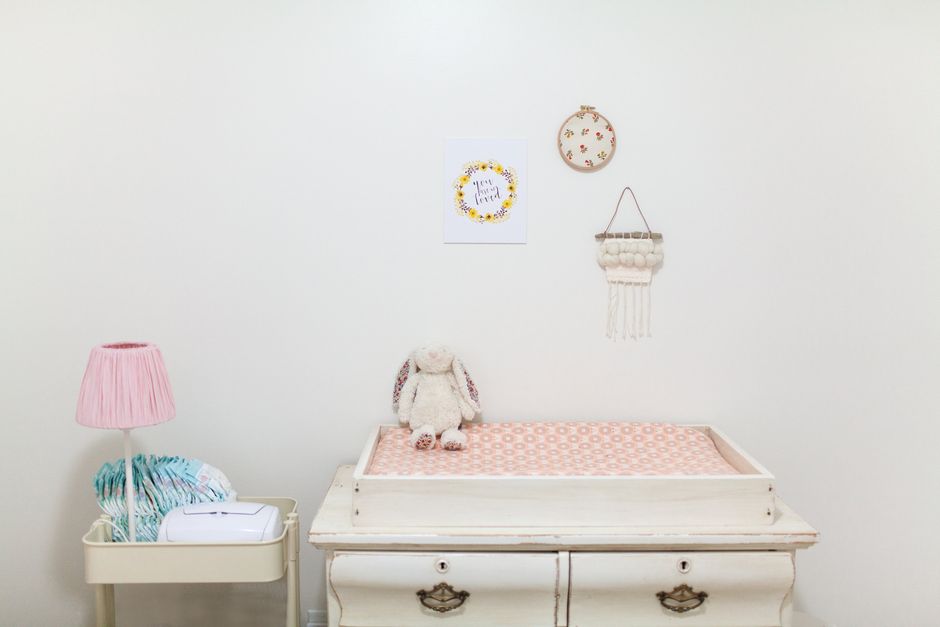
When I was pregnant with Lucas, the top item on my baby registry was a sleek, backlit digital wipe warmer. I imagined my baby smiling cooingly on the changing pad, soothed by a toasty-warm wipe during midnight diaper changes instead of screaming from the shock of cold wet fabric. It felt like the epitome of nurturing maternal comfort, and I proudly placed it right next to his changing pad plugged in 24/7.
Six weeks into parenthood, my dream dissolved into a medical headache. Lucas developed a blistering, fiery red diaper rash with raised red satellite bumps that bled whenever I wiped him. No amount of standard zinc oxide barrier cream or frequent diaper changes cleared it up. Then one morning while refilling the warmer, I caught a whiff of musty mildew and noticed dark brownish discoloration lining the bottom silicone heating pad and yellowing the bottom stack of wipes.
Our pediatric dermatologist immediately identified the culprit: the heated, damp container was acting as an incubator for bacterial colonies and Candida yeast, reinfecting his fragile skin with every single diaper change. Unplugging that warmer and switching to room-temperature water wipes cleared his stubborn rash within three days. If you are building your registry, explore our comprehensive guide on 8 popular baby registry items parents regret buying before spending your hard-earned money.
The Microbiology of Heated Moisture Chambers
In laboratory microbiology, when scientists want to culture bacteria or mold spores rapidly, they place petri dishes in an incubator set to 85°F to 100°F (29°C–38°C) with high relative humidity.
An electric wipe warmer replicates this exact laboratory environment inside your baby’s nursery.
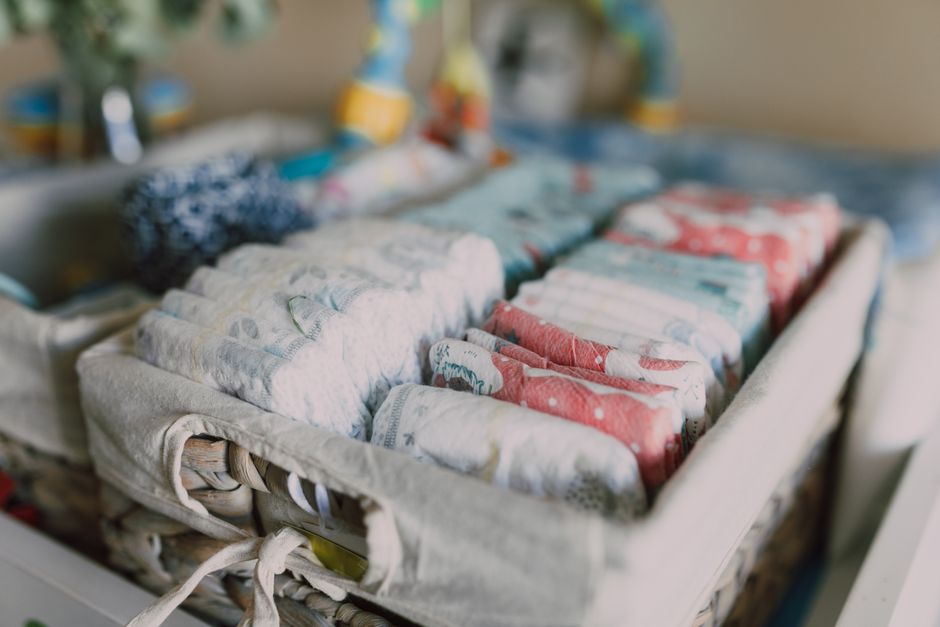
What Happens Inside a Plugged-In Wipe Warmer:
- Preservative Thermal Breakdown: Commercial wet wipes contain delicate, water-soluble antimicrobial preservatives (such as sodium benzoate or potassium sorbate) designed for shelf stability at room temperature. Constant heat degrades these preservative molecules over several days.
- Biofilm Accumulation: Condensation collects on the inner plastic walls and lid, forming an invisible microscopic biofilm of airborne bacteria (Pseudomonas aeruginosa and Staphylococcus aureus).
- Moisture Evaporation: Top-down or bottom-up heating elements cook off the liquid formulation, turning moist soothing wipes into dry, abrasive sheets.
5 Hidden Traps That Make Parents Regret Buying Wipe Warmers
1. Chronic Bacterial & Yeast Diaper Rashes
Newborn skin is 30% thinner than adult skin and has a developing acid mantle (natural skin barrier pH).
Wiping a warm, bacteria-laden wipe across compromised skin introduces opportunistic pathogens directly into micro-abrasions caused by urine and stool enzymes. This frequently transforms minor irritation into severe secondary yeast dermatitis requiring prescription antifungal ointments.
💡 Pediatric / Mom Tip: If your baby’s diaper rash has distinct “satellite lesions” (small red dots radiating outward from the main rash), suspect a yeast infection. Stop using heated wipes immediately, allow 10 minutes of diaper-free air time after changes, and consult your pediatrician.
2. The “Conditioning Shock” Nightmare on the Go
Babies are creatures of intense environmental association. When an infant becomes exclusively conditioned to 95°F wipes at home, their nervous system perceives a standard room-temperature wipe (68°F) as an ice cube shock.
The moment you leave your house—at the pediatrician’s office, in an airplane bathroom, or in a shopping mall changing station—diaper changes turn into hysterical, thrashing screaming fits because you don’t have an electrical outlet to plug in your warmer.
3. The Dried-Out “Cardboard Wipe” Waste
Because thermal convection drives moisture to escape around the dispenser seal, the top 3 to 5 wipes in every batch dry out within 48 hours.
Parents end up discarding hundreds of crusty, yellowed wipes every month, wasting money and creating frustrating jams when trying to pull wipes with one hand during a messy blowout.
4. Electrical Nursery Fire & Cord Entanglement Hazards
Wipe warmers require a continuous 110V AC electrical power connection. Having cords draped around a changing table presents dangerous snag risks as infants become mobile and learn to roll or pull themselves up.
⚠️ Warning Alert: If you are auditing your nursery setup for hazardous cords and furniture risks, review our essential safety guide on dangerous nursery items and hidden baby safety hazards. Also check your nursery seating and feeding ergonomics in our guide to avoiding baby high chair posture and footrest mistakes.
5. Rapid Heat Dissipation (The 3-Second Rule)
Here is the dirty little secret of thermodynamics that manufacturers won’t tell you: an ultra-thin wet wipe has almost zero thermal mass.
The second you pull a warm wipe out of the dispenser and hold it in the ambient room air for 3 seconds, the water molecules rapidly evaporate. By the time the wipe touches your baby’s bottom, it has cooled back down to room temperature anyway—leaving you with all the bacterial risks and none of the intended warmth.
Comparison Table: Electric Wipe Warmers vs. Safer Alternatives
| Electric Wipe Warmer ❌ | Pediatric-Approved Alternative ✅ |
|---|---|
| Incubates bacteria and yeast via constant heat | Room-temperature wipes preserve antimicrobial agents |
| Dries out wipes into rough, abrasive sheets | Fresh moist wipes glide gently without skin friction |
| Causes public meltdown tantrums when traveling | Builds adaptable baby comfortable with any diaper change |
| Consumes electricity 24/7 with cord hazards | Zero electrical cords around the changing station |
| High initial cost + wasted dried wipes | Saves money and eliminates nursery clutter |
3 Gentle, Bacteria-Free Ways to Keep Diaper Changes Tear-Free
If your newborn startles or cries during cold diaper changes in the winter, you don’t need a dangerous electrical warmer. Use these simple, sterile techniques:
- The 5-Second Palm Press: Pull a clean wipe from its original packaging and press it flat between your clean, warm palms for 5 seconds before touching baby’s skin. Your body heat warms the wipe instantly without compromising preservatives.
- The Warm Water Thermos Method: Keep a small insulated thermos of warm tap water near the changing table. Pour a tablespoon of warm water over a dry organic cotton pad right before wiping.
- The Distraction Song: Newborns cry during diaper changes primarily because they feel cold and vulnerable when unswaddled, not solely because of the wipe temperature. Keep their upper chest covered with a small warm swaddle blanket and sing a soothing lullaby during changes.
Simplifying your nursery gear not only protects your baby’s skin health and safety, but it also saves you from spending money on items you will regret weeks later.
Google AdSense Placeholder
Slot ready for "in-article". Set your AdSense publisher ID in settings when approved.
Frequently Asked Questions by Moms
Are electric baby wipe warmers sanitary and safe to use? ▼
Most pediatricians advise against electric wipe warmers. The combination of sustained moist heat (90°F–100°F), open air exposure, and breakdown of preservatives creates an ideal breeding ground for bacteria like Pseudomonas and fungal mold.
Do wipe warmers cause or worsen diaper rash in infants? ▼
Yes. Continuous heat degrades the mild chemical preservatives in commercial wet wipes and dries out the top wipes into scratchy, fibrous sheets. When applied to delicate newborn skin, warm bacteria-laden wipes can trigger contact dermatitis and painful yeast rashes.
How can I warm a baby wipe without an electric warmer? ▼
You can warm a cold wipe in under 10 seconds simply by holding it flat between your warm palms for 5 to 10 seconds, or by keeping a small thermos of warm tap water nearby and using disposable dry organic cotton wipes.

Written by Sarah Collins
Doctor-Reviewed & Fact-CheckedMom of Two & Founder of Mommy Tips & Life
Sarah is a mother of two (Liam & Maya) sharing evidence-based parenting guides, infant sleep solutions, and baby safety alerts tested in real family life and vetted against AAP clinical standards.
Google AdSense Placeholder
Slot ready for "footer-banner". Set your AdSense publisher ID in settings when approved.