Why Baby Bottle Sterilizers Are a Registry Regret: 5 Countertop Traps and What to Do Instead
Thinking of buying an expensive electric bottle sterilizer and dryer? Discover the mineral scaling traps, countertop clutter, and CDC sterilization guidelines that save you $150+.
Sarah Collins
Mom of Two & Founder of Mommy Tips & Life
Google AdSense Placeholder
Slot ready for "header-banner". Set your AdSense publisher ID in settings when approved.
🩺 Medical Disclaimer: This guide is for educational purposes and should not replace pediatric or obstetric medical consultation.
🛍️ Affiliate Disclosure: We may earn a small commission when you purchase through our links at no extra cost to you.
When I created my first baby registry, I placed a gleaming $160 high-tech electric steam bottle sterilizer and dryer right at the very top. The product marketing was compelling: it promised hospital-grade germ destruction, crystal-clear 45-minute HEPA drying, and complete peace of mind that my newborn would be shielded from microscopic bacteria.
When we brought Liam home from the hospital, that machine took over nearly a third of our kitchen counter next to the espresso machine.
Within three weeks, my enthusiasm had curdled into pure regret. First, you still had to hand-wash every bottle, collar, and nipple with soap before putting them in the sterilizer (because steam cannot clean milk fat residue). Second, the heating element quickly became coated in burnt, calcified brown mineral scale from our tap water. Third, between the 45-minute drying cycles and constant vinegar descaling sessions, our kitchen felt like an industrial laboratory.
I found myself asking: Did our mothers really spend hundreds of dollars steam-baking plastic bottles all day, or had I fallen victim to registry marketing fear?
The Upfront Breakthrough Summary: According to pediatric hygiene guidelines from the CDC and the AAP, daily medical-grade steam sterilization is entirely unnecessary for healthy, full-term infants past the first few months of life. Bulky electric sterilizers create countertop clutter, require incessant mineral descaling, and do not replace the fundamental task of scrubbing milk protein. By replacing the $160 countertop appliance with a 3-step streamlined cleaning routine—using your existing dishwasher’s sanitize cycle with a $6 top-rack basket, a dedicated silicone bottle brush, and reusable microwave steam bags for travel—you save counter space, time, and over $150.
What the CDC Actually Says About Bottle Sanitation
To make smart baby gear choices, you have to separate marketing claims from actual clinical hygiene requirements.
       ┌────────────────────────────────────────────────────────┐
       │             CDC BOTTLE HYGIENE GUIDELINES              │
       ├──────────────────────────┬─────────────────────────────┤
       │ Who Needs Daily Steam?   │ Who Just Needs Hot Washing? │
       ├──────────────────────────┼─────────────────────────────┤
       │ • Premature infants      │ • Healthy, full-term babies │
       │ • Immunocompromised      │ • Infants older than 3 mos  │
       │ • First 2-3 months only  │                             │
       ├──────────────────────────┴─────────────────────────────┤
       │ ➔ Primary Defense: Hot water + dish soap removes 99% of│
       │    pathogens and prevents milk biofilm accumulation    │
       └────────────────────────────────────────────────────────┘
The CDC clearly states that for healthy infants, sanitizing items once daily is only necessary during the first 2 to 3 months of life. After that window, washing bottles in hot, soapy water or in a standard household dishwasher is more than sufficient to keep your baby safe.
1. The Pre-Washing Trap (It Doesn’t Actually Wash Anything!)
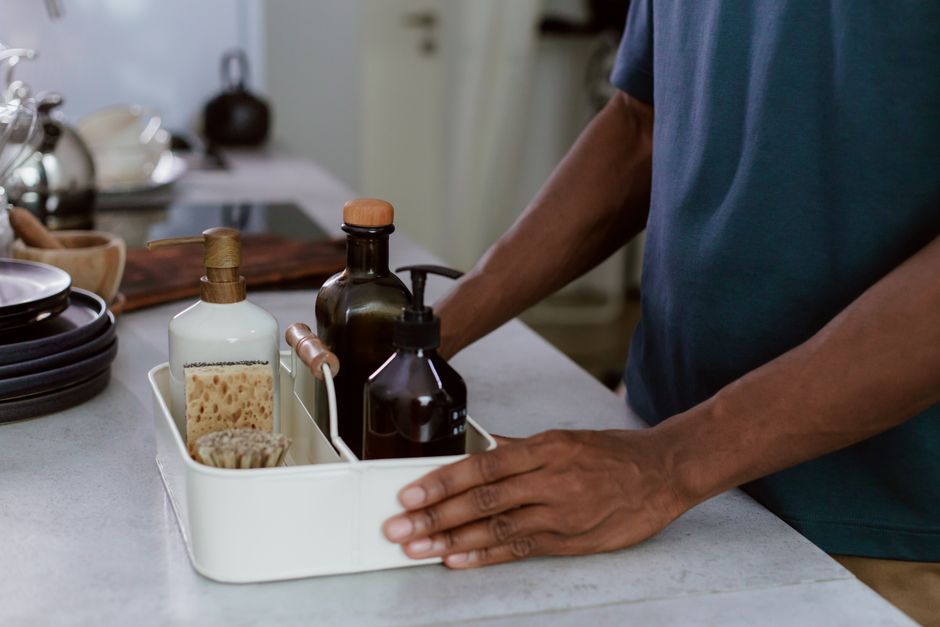
The biggest misconception new parents have about countertop sterilizers is believing they function like miniature dishwashers.
   ❌ THE STERILIZER ILLUSION        ✅ THE DISHWASHER SANITIZE

     [Sterilizer: Steam Only]             [Dishwasher: Wash + Sanitize]
                 |                                      |
     ➔ Still Must Hand-Wash Every Part   ➔ Scrubs Milk Fat & Protein Off
     ➔ Still Must Rinse Milk Biofilm     ➔ High-Heat Water Kills Germs
     ➔ Double the Daily Workload!        ➔ Complete "Set-and-Forget" Ease
The Milk Protein Reality:
Steam cannot dissolve or remove milk fats, lipids, and formula proteins. If you place a bottle with a thin film of dried milk into a steam sterilizer, the 212°F (100°C) steam literally bakes the milk residue into the plastic, creating cloudy, greasy discoloration and harboring bacterial biofilms.
You still have to stand at the sink, lather up the soap, and scrub every crevice with a brush before loading the sterilizer. It doesn’t save you a single step of cleaning!
2. The Hard Water Mineral Scale Nightmare
Unless you buy gallons of expensive distilled water exclusively to pour into your sterilizer, using regular tap water will rapidly destroy the heating plate.
Why Descaling Becomes a Constant Chore:
Tap water contains dissolved minerals like calcium and magnesium. As water evaporates into steam, these minerals precipitate out, forming a rock-hard, chalky, burnt-brown layer over the heating element within 5 to 7 days.
- It produces a burnt, metallic odor in the nursery or kitchen.
- It degrades heating efficiency, leading to incomplete sterilization cycles.
- It forces parents to boil white vinegar inside the machine every Sunday just to keep it operational.
Similar hidden maintenance hassles are discussed in our guides on baby formula dispenser mold hazards and why baby bottle warmers are unnecessary.
3. The Countertop Real Estate Crisis
A standard electric bottle sterilizer and dryer takes up approximately 12 x 15 inches of prime countertop space and stands nearly 16 inches tall.
| Bottle Cleaning Method | Counter Space Used 📏 | Upfront Cost 💵 | Time / Labor ⏳ | Verdict 🏆 |
|---|---|---|---|---|
| Electric Steam Sterilizer | Huge (Takes 1/3 of counter) | $120 – $180 | Hand-wash + 45-min cycle | REGRET (Unnecessary) ❌ |
| Dishwasher with Top Basket | Zero counter space | $6 (Basket only) | Load, press button, walk away | BEST OVERALL ✅ |
| Microwave Steam Bags | Stored flat in drawer | $12 (Pack of 6) | 90 seconds in microwave | BEST FOR TRAVEL/FAST ✅ |
| Boiling Water in Stockpot | Zero permanent space | $0 (Uses home pot) | 5 minutes on stovetop | PERFECT FOR PRE-USE ✅ |
When you combine a sterilizer with a drying rack, a baby bottle warmer, and formula mixing pitchers, your kitchen quickly resembles a commercial cafeteria.
💡 Pediatric / Mom Tip: For older babies who drop their pacifiers or bottles on dirty public floors, a quick 90-second microwave steam bag provides instant sanitization without cluttering your kitchen with permanent single-use appliances.
4. Plastic Degradation and Microplastic Leaching
Repeatedly exposing polypropylene or polycarbonate baby bottles to high-heat steam (212°F+) six times a day can accelerate the thermal degradation of plastic polymer chains.
Thermal Heat Exposure:
- Over time, excessive thermal stress causes plastic bottles to become brittle, warped, and prone to micro-fractures.
- If you use plastic bottles, gentle washing with warm water and sanitizing in a dishwasher top rack is far less abrasive than continuous direct pressurized steam blasts.
- If medical sterilization is strictly required, opt for thermal shock-resistant borosilicate glass bottles.
For more registry items you should skip to keep your home clutter-free and non-toxic, see our curated breakdown of baby registry items parents regret buying and baby food maker processor regrets.
5. Summary: Sterilizer Regrets vs. Streamlined Alternatives
| Common Registry Mistake ❌ | Streamlined Alternative ✅ | Why It Saves Time & Money 💡 |
|---|---|---|
| Spending $160 on a giant countertop sterilizer | Using dishwasher sanitize cycle with top-rack basket | Cleans and sanitizes in one single automated step |
| Hand-scrubbing bottles and then steam-baking them | Hot soapy wash with a dedicated silicone brush | Mechanically removes 99% of milk fat biofilms |
| Descaling calcified heating plates with vinegar weekly | Using reusable 90-second microwave steam bags | Zero mineral scaling and zero kitchen clutter |
| Sterilizing every single bottle for a 9-month-old | Regular thorough washing after 3 months of age | Aligns with CDC pediatric hygiene recommendations |
| Crowding counters with single-purpose appliances | Keeping counters clear with minimalist essentials | Reduces maternal overwhelm and kitchen cleanup time |
Final Thoughts From Sarah
When you are preparing for your first baby, product companies prey on our deepest anxieties: If you don’t buy this $170 medical-grade machine, you aren’t protecting your child.
Please hear this: keeping your baby safe and healthy does not require filling your kitchen with expensive, high-maintenance plastic gadgets. A thorough wash with hot water and gentle soap, or a cycle in your home dishwasher, provides all the protection your thriving baby needs. Save your money for experiences, diaper funds, or well-deserved postpartum self-care. You’ve got this, mama!
Google AdSense Placeholder
Slot ready for "in-article". Set your AdSense publisher ID in settings when approved.
Frequently Asked Questions by Moms
Do you really need an electric baby bottle sterilizer? ▼
No. The Centers for Disease Control and Prevention (CDC) and American Academy of Pediatrics (AAP) confirm that for healthy, full-term infants, daily steam sterilization is not medically necessary after the newborn period (or initial pre-use sanitation) provided bottles are washed thoroughly with hot, soapy water or run through a standard dishwasher with a heated dry cycle.
How often do you actually need to sterilize baby bottles? ▼
Bottles and nipples must be sterilized once before their very first use. After that, sanitizing once daily is only recommended during the first 2 to 3 months of life, or if your infant is premature or immunocompromised. For healthy older babies, thorough washing is completely sufficient.
Why does the heating plate of electric sterilizers turn brown? ▼
The brown or orange crust is mineral scaling (calcium carbonate) caused by evaporating tap water. Over time, these mineral deposits bake onto the stainless steel plate, reducing steam efficiency, producing burnt odors, and requiring weekly descaling with white vinegar.
What is the best, cheapest alternative to a countertop bottle sterilizer? ▼
A standard dishwasher run on the 'Sanitize' or high-heat dry setting with a $5 top-rack basket for small parts, or a $12 reusable microwave steam bag that sanitizes bottles in 90 seconds without taking up valuable countertop space.

Written by Sarah Collins
Doctor-Reviewed & Fact-CheckedMom of Two & Founder of Mommy Tips & Life
Sarah is a mother of two (Liam & Maya) sharing evidence-based parenting guides, infant sleep solutions, and baby safety alerts tested in real family life and vetted against AAP clinical standards.
Google AdSense Placeholder
Slot ready for "footer-banner". Set your AdSense publisher ID in settings when approved.