Are Baby Swings Worth It? 5 Reasons Parents Regret Buying High-End Swings (And What to Use Instead)
Thinking of spending $300 on a motorized baby swing? Discover why parents regret buying bulky swings, hidden positional asphyxiation hazards, and smarter alternatives.
Sarah Collins
Mom of Two & Founder of Mommy Tips & Life

Google AdSense Placeholder
Slot ready for "header-banner". Set your AdSense publisher ID in settings when approved.
🩺 Medical Disclaimer: This guide is for educational purposes and should not replace pediatric or obstetric medical consultation.
🛍️ Affiliate Disclosure: We may earn a small commission when you purchase through our links at no extra cost to you.
When I was creating my first baby registry, the $300 Bluetooth-enabled motorized swing with five sway motions, white noise soundscapes, and mobile lights was the crown jewel of my wish list. Social media influencers claimed it was the “ultimate lifesaver” that guaranteed hands-free bliss.
When Liam arrived, that massive, 25-pound contraption took over a quarter of our small living room. For the first three weeks, it was somewhat helpful—until it became an absolute nightmare.
Every time Liam dozed off in the swinging seat, his chin would slump heavily onto his chest. I spent hours hovering over him in panic, terrified he couldn’t breathe. When I tried to transfer him to his flat crib, he woke up shrieking because he had developed a fierce neurological addiction to continuous mechanical motion. At four months old, he learned to roll over, and the $300 swing had to be retired permanently to our garage—a giant, dust-covered monument to wasted money.
The Upfront Breakthrough Summary: High-end motorized baby swings are one of the most heavily regretted registry purchases because they suffer from the 4-month obsolescence trap, severe positional asphyxiation safety hazards, and motion-conditioned sleep disruption. By replacing a bulky motorized swing with a versatile 3-piece minimalist setup—a flat sensory play mat for gross motor exploration, an ergonomic inward-facing baby wrap or carrier for bonding, and a lightweight manual bouncer (like the BabyBjörn)—you save over $200 while promoting superior core strength, skull symmetry, and independent crib sleep.
The Economics & Biomechanics of the Baby Swing Trap
Before adding a motorized swing to your registry, examine the harsh reality of its functional lifespan:
       ┌────────────────────────────────────────────────────────┐
       │             THE BABY SWING OBSOLESCENCE TRAP           │
       ├────────────────────────────────────────────────────────┤
       │ Months 0–1: Newborn is often too floppy for deep bucket│
       │ Months 1–3: Brief window of moderate utility           │
       │ Months 4+: Baby rolls / attempts to climb out ➔ BANNED!│
       ├────────────────────────────────────────────────────────┤
       │ Average Cost: $250 – $350                              │
       │ Usable Lifespan: ~60 to 90 days total                  │
       │ Cost Per Use: ~$4.50 to $6.00 per 20-minute session!   │
       └────────────────────────────────────────────────────────┘
The Consumer Product Safety Commission (CPSC) mandates that the moment an infant can roll over or push up on their hands and knees (typically between 3.5 and 5 months), they must stop using baby swings immediately due to catastrophic tip-over and entrapment risks.
Paying $300 for an appliance that occupies 10 square feet of floor space for barely twelve weeks of real-world use is one of the poorest cost-to-benefit ratios in all of baby gear.
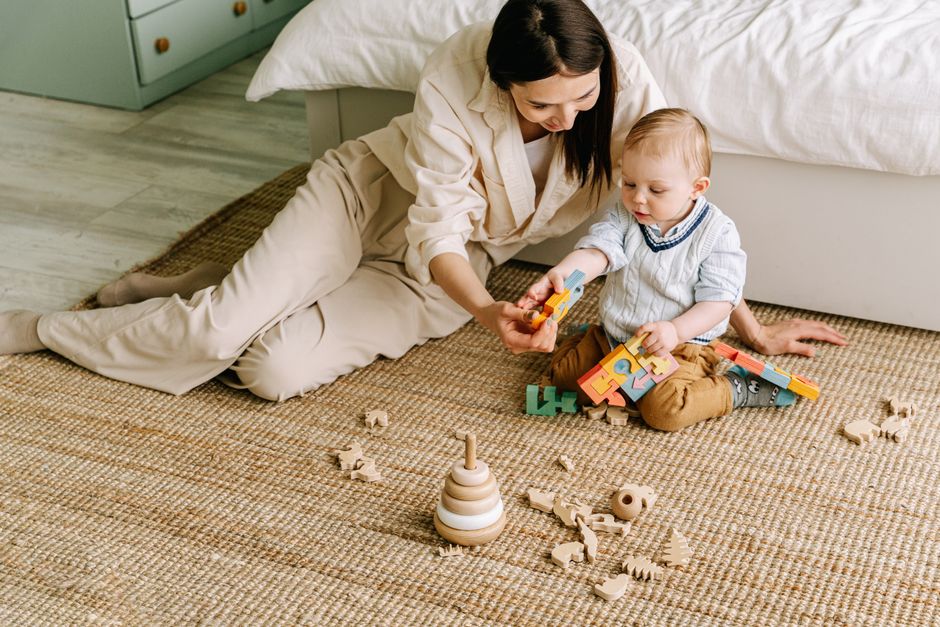
1. The Silent Danger: Positional Asphyxiation During Sleep
The single biggest hazard associated with infant swings is the temptation to use them for naps.
When exhausted parents see their fussy baby drift off under the rhythmic swinging motion, the natural urge is to let them sleep. However, this is a dangerous medical risk:
   ❌ INCLINED SWING SLEEP            ✅ FLAT, FIRM CRIB SLEEP

     [Inclined 30°-45° bucket]           [100% Flat, firm mattress]
     [Heavy infant head flops forward]   [Airway remains fully open]
     [Trachea kinks shut like a hose]    [Zero mechanical airway compromise]
     ➔ Silent Positional Asphyxiation    ➔ Safe, restorative deep sleep
Why Newborn Airways Collapse in Swings:
A newborn’s head accounts for 25% of their total body weight, yet their neck muscles are remarkably weak. When strapped into an inclined swing seat (typically angled at 30° to 45°), gravity pulls their heavy cranium forward.
The chin slumps against the sternum, kinking the soft cartilage of the trachea like a folded garden hose. Because positional asphyxiation is completely silent—the baby does not cough, choke, or gasp—parents sitting across the room have no auditory warning that oxygen saturation is plummeting.
⚠️ Warning Alert: The AAP Safe Sleep Guidelines are unambiguous: Babies should never sleep in swings, bouncers, car seats, or loungers. If your baby falls asleep in a swing, immediately transfer them to a flat, firm sleep surface. For similar hazards, see our exposé on why baby sleep positioners and loungers are dangerous.
2. Ruining Independent Crib Sleep: The Motion Dependency Trap
When a baby sleeps exclusively in an automated swing, their brain develops a strong motion sleep association.
Every time they surface between natural 40-minute sleep cycles, their brain expects the physical sensation of swaying and mechanical vibration to transition back into deep REM sleep.
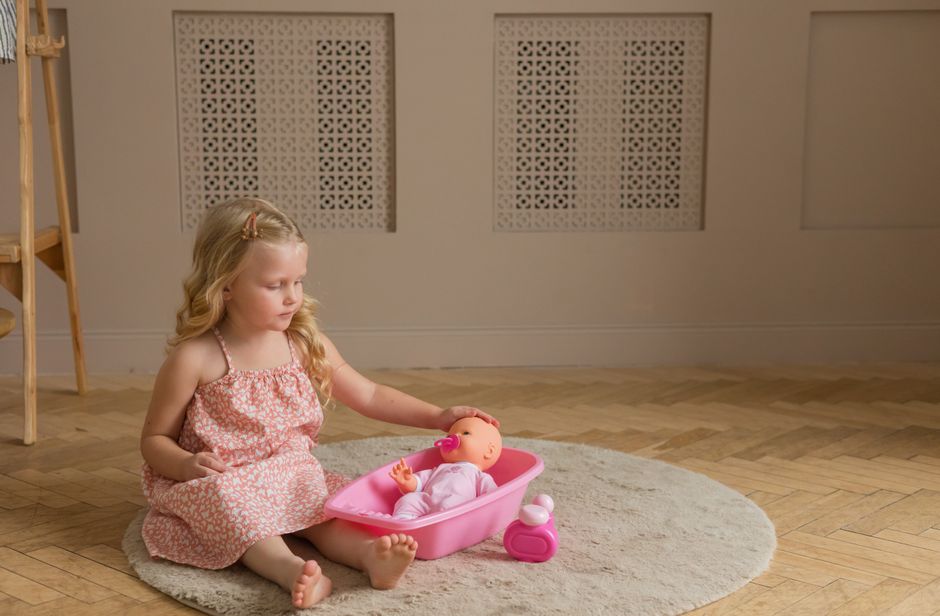
When you finally transition them to a stationary, flat crib, the sudden absence of motion triggers intense startle reflexes and panic. The infant wakes up screaming every 40 minutes, creating severe nighttime bedtime battles.
3. Fueling Container Syndrome and Skull Flattening (Plagiocephaly)
Placing a baby in a motorized swing for multiple wake windows throughout the day severely restricts spontaneous motor exploration.
When strapped into a contoured harness, an infant cannot:
- Kick their legs against a resistive surface.
- Push up onto their forearms or discover their feet.
- Rotate their cervical spine freely, concentrating head weight onto a single focal point on the occipital bone.
Excessive Swing Use ➔ Positional Plagiocephaly (Flat Head) ➔ Delayed Rolling & CrawlingTo understand how prolonged container confinement impairs upper-body strength and motor milestones, review our clinical guide on container baby syndrome symptoms and prevention.
4. The Bulky Nursery Footprint: Living in an Obstacle Course
Modern motorized swings are massive pieces of industrial hardware. Between wide tripod leg bases, heavy motor housings, and AC power cords, they turn compact nurseries and living rooms into hazard zones.
Furthermore, because swings weigh between 18 and 30 pounds and require wall outlet power, you cannot easily move them from room to room when you need to cook dinner in the kitchen or take a shower in the bathroom.
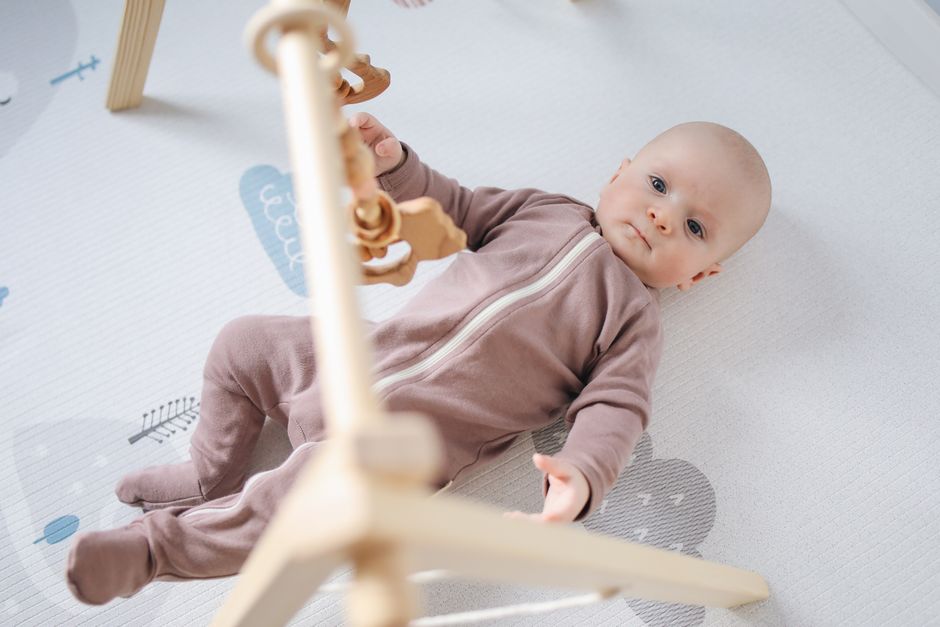
5. Summary: Motorized Swing Regrets vs. Smarter Alternatives
| Expensive Baby Swing ❌ | Functional Alternative ✅ | Why It’s Superior 💡 |
|---|---|---|
| $300 bulky motorized swing (25 lbs) | Ergonomic manual bouncer (BabyBjörn, 4 lbs) | Folds completely flat for travel, powered by baby’s natural kicking, lasts up to age 2 |
| Inclined swing bucket for awake time | Flat sensory play gym on non-toxic foam mat | Promotes 360° motor freedom, shoulder strength, and prevents flat head syndrome |
| Vibrating seat to calm evening fussiness | Ergonomic structured baby carrier / wrap | Provides soothing chest-to-chest co-regulation and hands-free mobility; see baby carrier hip safety guide |
| Motion dependency that ruins crib sleep | Stationary white noise machine + dark room | Fosters self-soothing and seamless independent crib transitions |
| 4-month maximum product lifespan | Multi-stage modular floor gear | Saves $200+ and adapts from newborn tummy time to active toddlerhood |
For a complete checklist of overhyped nursery gadgets to remove from your registry, read our viral breakdown of popular baby items parents deeply regret buying.
Final Thoughts From Sarah
When you are pregnant and nesting, it is so easy to fall into the trap of believing that the more complex, electronic, and expensive a piece of baby gear is, the better it will soothe your future child.
The truth is wonderfully liberating: your baby doesn’t need a $300 motorized spaceship to feel calm. They need your warmth, an ergonomic carrier against your chest, and plenty of free, joyful time kicking on a soft living room rug. Save your money, skip the bulky swing, and invest in simple, versatile tools that support your baby’s natural development.
Google AdSense Placeholder
Slot ready for "in-article". Set your AdSense publisher ID in settings when approved.
Frequently Asked Questions by Moms
Are motorized baby swings safe for newborn sleep? ▼
No. The American Academy of Pediatrics (AAP) and the US Consumer Product Safety Commission (CPSC) state that baby swings are never safe for unattended infant sleep. In an inclined swing, a newborn's heavy head falls forward onto their chest (chin-to-chest), pinching their narrow trachea and causing silent positional asphyxiation.
How long can a baby safely stay in a motorized swing per day? ▼
Pediatric physical therapists recommend limiting motorized swing time to no more than 15 to 30 minutes in a single session, and under 1 hour total per day. Excessive swing time restricts spontaneous movement and contributes to container baby syndrome and flat head syndrome.
Why do so many parents regret buying a high-end baby swing? ▼
Motorized swings are bulky (taking up huge nursery footprints), expensive ($250-$350), have an extremely short lifespan (babies outgrow them by 4-5 months when they learn to roll), and create intense motion sleep dependencies that ruin flat crib sleep.
What is a better alternative to an expensive baby swing? ▼
A lightweight, ergonomic manual bouncer (like the BabyBjörn Bouncer Balance Soft) paired with an unstructured flat floor play gym and an ergonomic structured baby carrier offers vastly better developmental value, portability, and longevity.

Written by Sarah Collins
Doctor-Reviewed & Fact-CheckedMom of Two & Founder of Mommy Tips & Life
Sarah is a mother of two (Liam & Maya) sharing evidence-based parenting guides, infant sleep solutions, and baby safety alerts tested in real family life and vetted against AAP clinical standards.
Google AdSense Placeholder
Slot ready for "footer-banner". Set your AdSense publisher ID in settings when approved.