The 8-Month Sleep Regression Survival Guide: 5 Bedtime Mistakes Making Night Wakings Worse
Is your 8-month-old suddenly standing in the crib, crying hysterically at bedtime, and waking every 2 hours? Learn how separation anxiety, motor leaps, and schedule traps disrupt infant sleep.
Sarah Collins
Mom of Two & Founder of Mommy Tips & Life

Google AdSense Placeholder
Slot ready for "header-banner". Set your AdSense publisher ID in settings when approved.
🩺 Medical Disclaimer: This guide is for educational purposes and should not replace pediatric or obstetric medical consultation.
🛍️ Affiliate Disclosure: We may earn a small commission when you purchase through our links at no extra cost to you.
Just when I thought we had finally conquered the newborn trenches and navigated the infamous four-month sleep regression, month eight hit us like a runaway freight train.
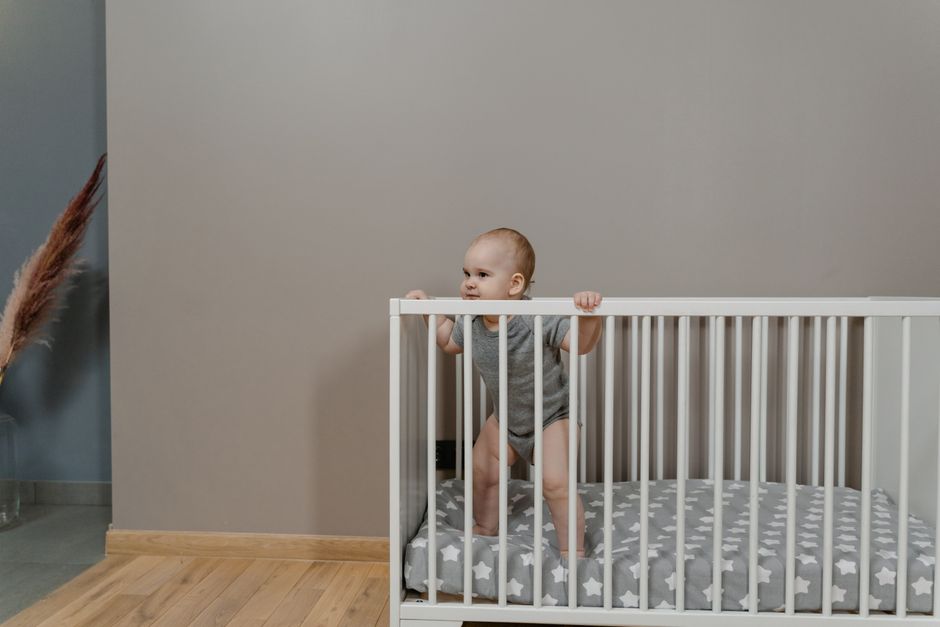
My daughter Maya had just learned to pull herself up on the living room sofa. That very night, what used to be a peaceful 10-minute bedtime routine disintegrated into chaos. The second I lowered her into the crib, she popped up like a little spring, gripped the wooden rails with white-knuckled intensity, and wailed at the top of her lungs. When I laid her back down, she shot right back up. By 2:00 AM, my husband and I were taking turns pacing the floor, offering emergency bottles, and bouncing her on a yoga ball—completely resetting all the healthy sleep habits we had spent months establishing.
I felt completely defeated. Was she teething? Was she starving? Why had my happy sleeper suddenly transformed into an inconsolable crib acrobat?
The Upfront Breakthrough Summary: The turning point occurred when our pediatric sleep consultant explained that the 8-month sleep regression is a “perfect storm” of three simultaneous developmental leaps: peak separation anxiety, unmastered motor skills (standing without knowing how to sit), and an obsolete 3-nap daytime schedule. By implementing a 3-step reset protocol—transitioning to an age-appropriate 2-nap schedule using the 3/3/4 wake window rhythm, practicing knee-drop floor drills during the day, and resisting the urge to introduce new night-feeding props—Maya returned to sleeping 11 continuous hours through the night in just five days.
The 8-Month Perfect Storm: Why Sleep Falls Apart
The regression that strikes between 8 and 10 months is fundamentally different from earlier sleep hiccups. At 8 months, your baby’s brain undergoes exponential cognitive and physical wiring.
       ┌────────────────────────────────────────────────────────┐
       │             THE 8-MONTH SLEEP PERFECT STORM            │
       ├──────────────────────────┬─────────────────────────────┤
       │ 1. Motor Surge           │ 2. Object Permanence        │
       │ Brain practices pulling  │ Baby realizes you still     │
       │ to stand & crawling in   │ exist when you walk out     │
       │ their sleep transitions  │ the nursery door (Panic!)   │
       ├──────────────────────────┴─────────────────────────────┤
       │ 3. 3-to-2 Nap Schedule Friction                        │
       │ Insufficient sleep pressure at bedtime causes night    │
       │ wakings, split nights, and 5:00 AM wake-ups            │
       └────────────────────────────────────────────────────────┘
When a baby masters pulling up to stand, their motor cortex fires incessantly—even during deep sleep transitions. When they surface between sleep cycles, their physical body instinctively pulls them upright before their conscious brain is even fully awake.

1. The “Jack-in-the-Box” Trap: Constantly Laying Baby Down
The most exhausting mistake parents make is entering the nursery every 45 seconds to force their standing baby back down onto the mattress.
   ❌ THE JACK-IN-THE-BOX LOOP       ✅ THE SUPPORTIVE MOTOR COACH

     [Baby Pulls Up on Crib Rail]         [Baby Pulls Up on Crib Rail]
                 |                                      |
     ➔ Parent Rushes in & Forces Down    ➔ Parent Sits Low & Pats Mattress
     ➔ Baby Pops Back Up Instantly       ➔ Prompts Baby to Bend Knees
     ➔ Becomes an Interactive Game       ➔ Baby Masters Descent Autonomy
Why Forcing Them Down Backfires:
- It Feels Like a Game: The baby learns that standing produces an instant, high-energy parental reaction.
- It Hinders Learning: Babies do not know how to unlock their stiff little knees. If you always do it for them, they never develop the spatial muscle memory required to sit down independently in the dark.
The Daytime Fix:
During daytime play, place favorite toys on the floor right beside low coffee tables or couches. When your baby stands up to reach them, gently tap the back of their knees while singing a silly song, helping them experience the sensation of dropping safely onto their padded diaper bottom. For a complete step-by-step coaching system, check our full breakdown on what to do when baby stands up in the crib and cries.
💡 Pediatric / Mom Tip: In the crib at night, instead of picking them up or forcing them down, sit on the floor beside the crib. Place your hand on the mattress and gently pat it, saying in a calm, monotonous whisper: “Night night time. Maya can sit down.” Give them the space to figure out how to plop down on their own.
2. Clinging to an Outgrown 3-Nap Schedule
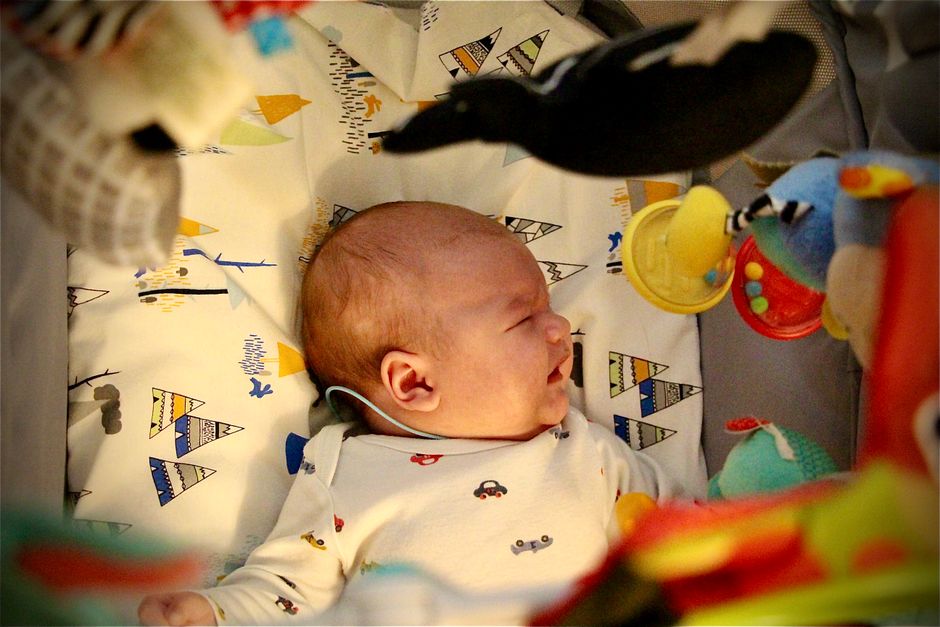
If your 8-month-old is taking 30 minutes to fall asleep at bedtime, waking up cheerful at 2:00 AM for an hour (a classic baby split night scenario), or taking 20-minute micro-naps, their daytime schedule is overdue for an overhaul.
The Ideal 8-Month “3/3/4” Schedule:
At 8 months, infants require between 3 to 4 hours of continuous awake time before bed to build sufficient homeostatic sleep pressure (adenosine).
| Time of Day ⏰ | Activity / Milestone 👶 | Awake Window Duration ⏳ |
|---|---|---|
| 7:00 AM | Morning Wake-Up & Full Feed | — |
| 10:00 AM – 11:15 AM | Nap 1 (75 minutes) | 3 Hours Awake |
| 2:30 PM – 3:45 PM | Nap 2 (75 minutes) | 3.25 Hours Awake |
| 7:45 PM | Bedtime (Asleep by 8:00 PM) | 4 Hours Awake |
If you are still trying to squeeze in a third late-afternoon catnap at 5:00 PM, you are wiping out the sleep pressure needed to keep your baby asleep through the night. For a seamless transition, follow our comprehensive three-to-two nap transition schedule guide.
3. Accidental Night-Weaning Reversal (The Comfort Feed Trap)
When an 8-month-old who previously slept through the night suddenly starts waking every 90 minutes screaming, exhausted parents frequently assume: “They must be going through a massive growth spurt—they need milk!”
       ┌────────────────────────────────────────────────────────┐
       │             THE ACCIDENTAL REVERSE CYCLING TRAP        │
       ├──────────────────────────┬─────────────────────────────┤
       │ Nighttime Action         │ Daytime Consequence         │
       ├──────────────────────────┼─────────────────────────────┤
       │ Offering 3 full bottles  │ Baby wakes up full & rejects│
       │ or nursing sessions      │ daytime breakfast solids    │
       │ for regression soothing  │ and morning milk            │
       ├──────────────────────────┼─────────────────────────────┤
       │ ➔ NIGHT CALORIES SOAR    │ ➔ TRUE NIGHT HUNGER BEGINS  │
       └──────────────────────────┴─────────────────────────────┘
While offering a quick feed will often put a crying baby back to sleep within minutes, doing it 3 to 4 times a night creates reverse cycling. The baby takes in 40% of their daily caloric intake at night, resulting in poor daytime appetite for both milk and solid meals (like we see in common baby spoon feeding refusal traps).
⚠️ Warning Alert: If your baby was previously sleeping 6 to 8 hour stretches without feeding, resist the urge to feed at every single regression waking. Offer physical presence, a soothing hand on the back, and shushing first.
4. Panicking Over Peak Separation Anxiety
Around 8 to 9 months, babies master object permanence: the cognitive realization that objects and people continue to exist even when out of sight.
When you leave the nursery, your 8-month-old now fully understands that you are somewhere else in the house without them. This triggers genuine primal separation anxiety.
How to Build Separation Confidence:
- Play Intense Peek-a-Boo: Play peek-a-boo with blankets, scarves, and around doorways multiple times a day. This reinforces that disappearing is always followed by a joyful reappearance.
- Narrate Your Movements: When stepping into the kitchen or bathroom, keep talking or singing so your baby hears your voice bridging the physical distance.
- Elongate the Bedtime Connection: Add an extra 5 minutes of calm, dedicated cuddle time in the dimly lit nursery before lowering baby into the crib so their emotional attachment tank is completely full.
5. Summary: 8-Month Regression Mistakes vs. Proactive Solutions
| Common Mistake ❌ | Proactive Alternative ✅ | Why It Works 💡 |
|---|---|---|
| Forcing baby to lie down 50 times in a row | Sitting low, patting the mattress, and waiting | Teaches motor autonomy and stops the jack-in-the-box game |
| Forcing a 3rd late afternoon nap at 5:00 PM | Transitioning to a predictable 2-nap schedule | Ensures adequate sleep pressure (adenosine) at bedtime |
| Nursing or bottle feeding at every night waking | Soothing with voice, touch, and brief pauses | Prevents accidental reverse cycling and calorie shifting |
| Sneaking out of the nursery like a ninja | Saying a clear, loving, consistent goodbye phrase | Builds trust and eliminates separation anxiety panic |
| Changing all sleep rules out of sheer desperation | Maintaining consistent bedtime boundaries | Provides stability during a tumultuous neurological leap |
When Will It Finally End?
The acute phase of the 8-month sleep regression typically lasts between 10 to 14 days if you maintain consistent schedule boundaries. If the disruption persists beyond 4 weeks, it is usually because new, unsustainable sleep props (rocking to dead sleep, frequent night bottles, or bringing baby into the parental bed) were introduced in the middle of the storm.
If bedtime battles continue despite a dialed-in schedule, review our debunking of the drowsy but awake sleep myth and ensure baby room conditions meet optimal infant sleep room temperature standards.
Final Thoughts From Sarah
The 8-month sleep regression is notoriously tough because it hits right when you thought you had everything figured out. Watching your sweet baby stand in their crib crying can pull at your heartstrings and leave you questioning everything.
Remind yourself: this regression is not a sign of failure—it is proof that your baby’s brilliant brain and body are growing at lightning speed. Stay consistent, protect their wake windows, practice those daytime knee-bends, and remember that this stormy phase will pass. You are an incredible mother, and rest will return soon!
Google AdSense Placeholder
Slot ready for "in-article". Set your AdSense publisher ID in settings when approved.
Frequently Asked Questions by Moms
How long does the 8-month sleep regression typically last? ▼
The 8-month sleep regression usually lasts between 2 to 6 weeks. It represents a massive neurological surge involving gross motor milestones (crawling, pulling to stand), peak separation anxiety, and the biological transition from 3 daytime naps down to 2.
Why does my 8-month-old baby stand up in the crib and refuse to lie down? ▼
Infants at 8 months discover the exciting physical milestone of pulling to stand, but their brain has not yet mastered the vestibular motor planning required to bend their knees and lower themselves back down safely. They feel physically stuck and panic.
Should I keep laying my baby back down every time they stand up? ▼
No. Repeatedly entering the room to lay your baby flat turns into an engaging, interactive game of 'jack-in-the-box.' Instead, teach them how to bend their knees during daytime floor play, and offer comforting verbal and tactile reassurance at the crib rail without constantly forcing them down.
Is the 8-month regression a sign it is time to drop to 2 naps? ▼
Almost always, yes. Most 8-month-olds can no longer sustain a 3-nap schedule without experiencing bedtime resistance or frequent middle-of-the-night false starts. Shifting to a 2-nap schedule (with roughly 3 to 3.5 hours of awake time between naps) restores critical nighttime sleep pressure.

Written by Sarah Collins
Doctor-Reviewed & Fact-CheckedMom of Two & Founder of Mommy Tips & Life
Sarah is a mother of two (Liam & Maya) sharing evidence-based parenting guides, infant sleep solutions, and baby safety alerts tested in real family life and vetted against AAP clinical standards.
Google AdSense Placeholder
Slot ready for "footer-banner". Set your AdSense publisher ID in settings when approved.