Baby Refusing Spoon Feeding? 5 Common Puree Mistakes and How to Fix Them
Is your 6-to-12-month-old turning their head, clamping their mouth, or gagging on spoon purees? Discover gentle oral motor tricks, spoon-feeding traps, and baby-led alternatives.
Sarah Collins
Mom of Two & Founder of Mommy Tips & Life
Google AdSense Placeholder
Slot ready for "header-banner". Set your AdSense publisher ID in settings when approved.
🩺 Medical Disclaimer: This guide is for educational purposes and should not replace pediatric or obstetric medical consultation.
🛍️ Affiliate Disclosure: We may earn a small commission when you purchase through our links at no extra cost to you.
When my son Liam turned six months old, I bought the cutest pastel silicone suction bowls, miniature soft-tip spoons, and spent an entire Sunday steaming organic sweet potatoes and green beans. I had envisioned idyllic, giggly mealtimes filled with wholesome nutrition.
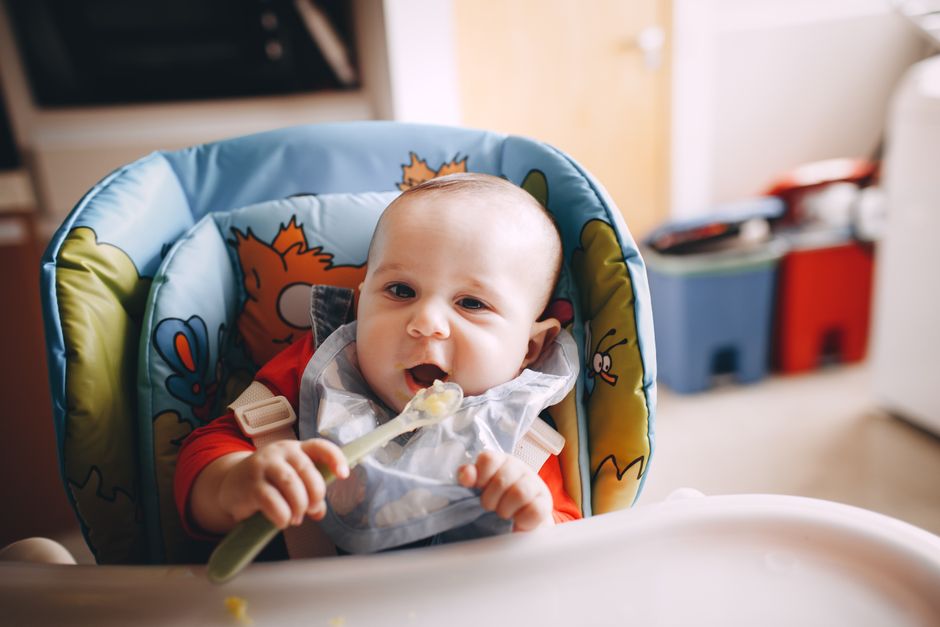
Instead, the moment the spoon came within three inches of Liam’s face, his eyes widened in alarm, he clamped his lips together into an impenetrable line, and he turned his head violently away. When I gently tried to slip a tiny taste past his lips, he burst into hysterical tears, swatted the bowl onto the hardwood floor, and gagged as if he were being poisoned. Within three days, just buckling him into his high chair triggered immediate screaming fits.
I was beside myself with worry. Was he malnourished? Did he have a sensory processing issue? Was I traumatizing my own child before he even tasted real food?
The Upfront Breakthrough Summary: The turning point came when our pediatric occupational therapist pointed out that traditional spoon feeding often strips away an infant’s innate drive for oral autonomy. When parents inadvertently “airplane” food into an unprepared mouth, scrape spoons against delicate lips, or feed without proper pelvic stability, babies enter a defensive state. By switching to a responsive 3-step feeding method—ensuring ergonomic 90-degree seating, offering preloaded self-feeding spoons, and presenting dissolvable finger foods alongside purees—Liam transformed from a hysterical spoon refuser into an adventurous, joyful eater in less than one week.
The Infant Sensory World: Why Forced Spoons Cause Panic
To resolve spoon refusal, it is vital to understand the delicate neurological and physical leap from liquid feeding to solids. For the first half-year of life, your baby’s entire feeding experience was based on suckling: a rhythmic, instinctual motion where liquid flows into the back of the mouth via a gentle latch.
       ┌────────────────────────────────────────────────────────┐
       │             THE SPOON REFUSAL DEFENSE CYCLE            │
       ├──────────────────────────┬─────────────────────────────┤
       │ Parental Pressure Trap   │ Infant Neurological Defense │
       ├──────────────────────────┼─────────────────────────────┤
       │ Spoon rushed into mouth  │ Hypersensitive gag reflex   │
       │ Scraped on upper lip     │ triggered at tongue front   │
       ├──────────────────────────┼─────────────────────────────┤
       │ Baby feels loss of       │ Clamps mouth shut tight     │
       │ bodily autonomy          │ ➔ Screams & arching back    │
       │                          │ ➔ Mealtime aversion forms   │
       └──────────────────────────┴─────────────────────────────┘
When an unfamiliar, hard silicone object loaded with cold, thick puree is suddenly shoved toward their mouth, an infant’s natural survival instincts sound the alarm. If a baby feels trapped or rushed, their brain activates a protective aversion response similar to severe baby feeding aversion and bottle refusal patterns.
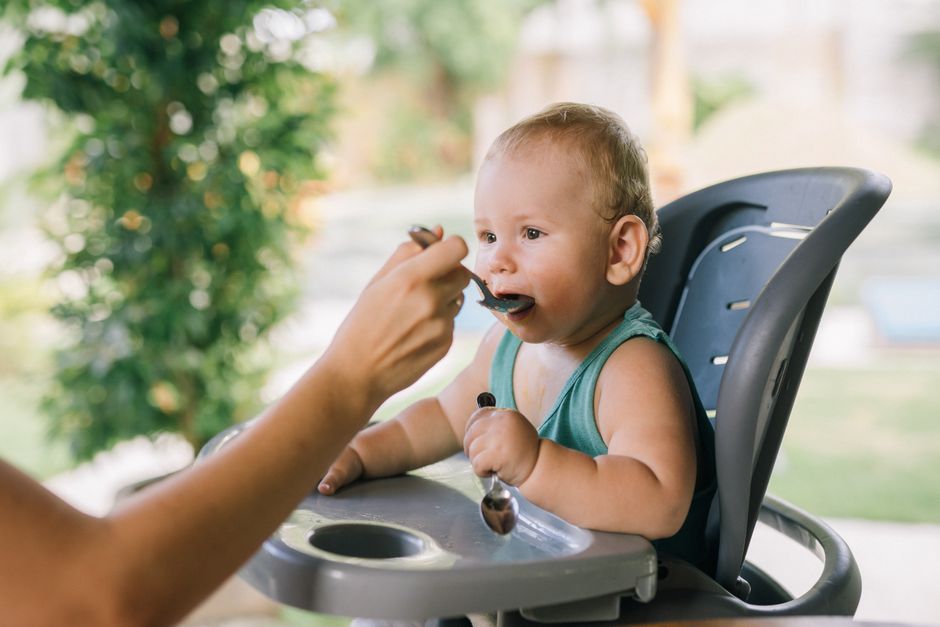
1. Scraping the Spoon Against the Baby’s Upper Lip
The single most common mistake well-meaning parents make during puree meals is the “lip scrape.” When food dribbles down a baby’s chin, parents instinctively use the edge of the spoon to wipe it up, scraping it upward against the sensitive upper gum and lip.
   ❌ THE AGGRESSIVE LIP SCRAPE      ✅ THE RESPONSIVE SPOON REST

     [Spoon Pushed In & Scraped Up]       [Spoon Held 6 Inches in Front]
                 |                                      |
     ➔ Irritates Sensitive Gum Line      ➔ Baby Leans Forward to Latch
     ➔ Causes Oral Tactile Defense       ➔ Baby Uses Upper Lip Actively
     ➔ Clamps Lips on Next Bite          ➔ Full Sense of Control & Trust
The Sensory Anatomy of the Upper Lip:
An infant’s upper lip is packed with dense sensory nerve endings. Scraping a spoon upward creates a startling tactile sensation that feels invasive. Furthermore, it teaches the baby to be passive; instead of using their own lip muscles to clean the food off the spoon, they wait for the adult to scrape it off.
The Responsive Fix:
- The 6-Inch Rule: Hold the spoon level, approximately 6 inches in front of your baby’s mouth, at eye level.
- Wait for the Lean: Wait for your baby to see the food, open their mouth, and voluntarily lean forward to meet the spoon.
- Horizontal Exit: Once the baby wraps their lips around the spoon bowl, gently pull the spoon straight back out horizontally—never upward against their teeth or gums.
💡 Pediatric / Mom Tip: If puree drips onto your baby’s chin, let it stay there until the meal is over. Constant wiping with a cold cloth or spoon during the meal creates tactile overload and leads directly to high-chair tantrums.
2. Overlooking High Chair Posture and Lack of a Footrest
You might be surprised to learn that physical stability in the high chair directly dictates oral motor function. When a baby sits in a flimsy high chair with dangling feet and a reclining backrest, their core abdominal muscles have to work overtime just to keep their trunk upright.
       ┌────────────────────────────────────────────────────────┐
       │             THE 90-90-90 ERGONOMIC FEEDING RULE        │
       ├────────────────────────────────────────────────────────┤
       │  90° Hips  ───> Upright pelvic stability               │
       │  90° Knees ───> Relaxes abdominal wall tension         │
       │  90° Feet  ───> Solid footrest provides ground force   │
       │                                                        │
       │  ➔ STABLE TRUNK = RELAXED JAW & CONFIDENT SWALLOWING   │
       └────────────────────────────────────────────────────────┘
When feet dangle without support, the baby’s vestibular system feels unsteady. In response, their jaw clenches and their tongue elevates in a protective bracing mechanism, making swallowing purees nearly impossible.
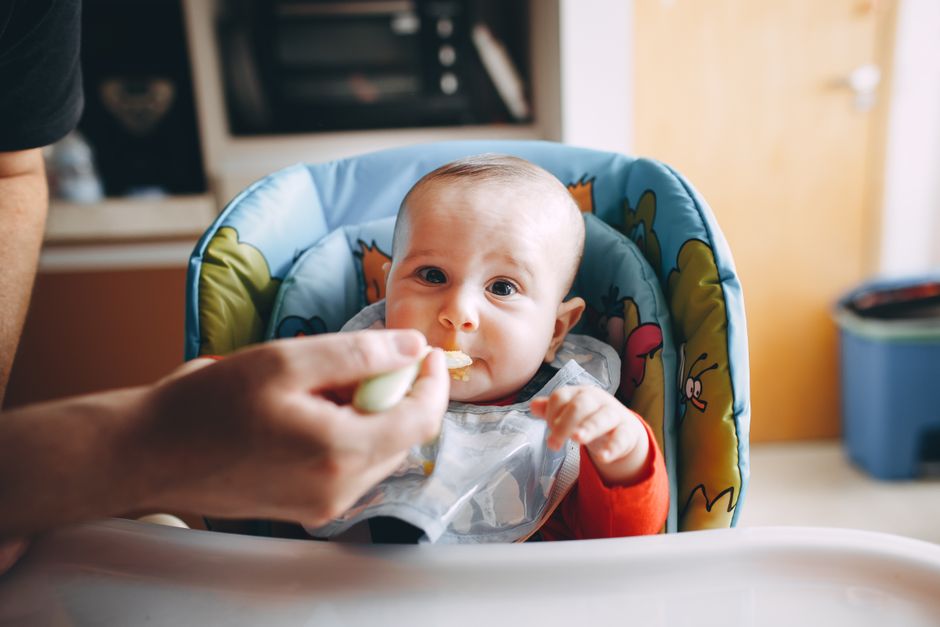
How to Optimize Seating:
- Review our complete guide on baby high chair posture and footrest mistakes to ensure your seat is dialed in.
- If your high chair lacks a footrest, strap a wooden footrest or tightly rolled yoga mat with resistance bands beneath their feet so their soles rest flat at a crisp 90-degree angle.
3. Misinterpreting Normal Gagging as Choking or Food Rejection
When parents see their baby gag—eyes watering, tongue pushing forward, making a retching sound—they often panic, rip the spoon away, and conclude: “My baby hates solids!”
In reality, an infant’s gag reflex is positioned much further forward on the tongue (in the anterior third) than an adult’s (which is at the very back of the throat).
| Reaction | Baby’s Physical State 👶 | Sound Level 🔊 | Parent Action Needed 🛡️ |
|---|---|---|---|
| Normal Gagging | Red face, tongue pushing forward, retching | Loud, coughing, sputtering | Stay calm, smile, let baby self-clear |
| True Choking | Blue lips, wide terrified eyes, silent | Complete SILENCE / No air | Initiate infant CPR / back blows immediately |
| Mouth Clamping | Turning head away, pushing spoon with hand | Whining or fussing | End the spoon attempt; switch to finger food |
Gagging is a vital, lifesaving neurological reflex designed to teach your baby where the boundaries of their mouth are. If you panic or rush to intervene, your baby absorbs that stress and connects food with fear. For a comprehensive safety breakdown, see our guide on baby-led weaning gagging vs choking differences.
4. Denying Baby the Spoon (The Autonomy Crash)
By 7 to 9 months of age, infants crave cause-and-effect control over their immediate environment. When a caregiver holds the spoon exclusively, feeding feels like something being done to them rather than an interactive learning experience.
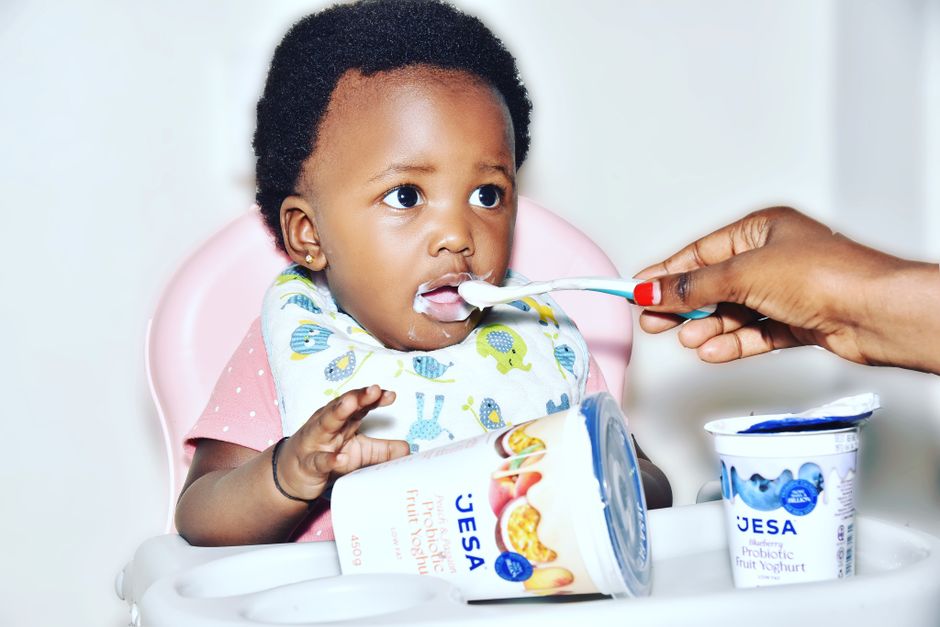
The Two-Spoon (or Three-Spoon) Technique:
- Give Baby Their Own Spoon: Place a textured, silicone training spoon in your baby’s hand loaded with a tiny dollop of puree.
- Encourage Exploration: Let them chew on the handle, dip it into the bowl, or smear it on the tray. This desensitizes the oral cavity and builds hand-to-mouth coordination.
- Feed Simultaneously: While their hands and mouth are busy exploring their spoon, offer gentle bites with your secondary spoon whenever they show interest.
⚠️ Warning Alert: Never force a baby’s mouth open by pinching their cheeks or sneaking a spoon in while they are laughing or crying. Forcing food creates lasting oral aversions and destroys trusting feeding relationships.
5. Summary: Common Spoon Feeding Traps vs. Responsive Solutions
| Common Mistake ❌ | Responsive Alternative ✅ | Why It Works 💡 |
|---|---|---|
| Scraping the spoon up against the upper lip | Holding spoon steady; pulling out horizontally | Protects sensitive gums and encourages active lip closure |
| Feeding baby in a reclined seat with dangling feet | 90-90-90 upright seating with firm footrest | Stabilizes the trunk, allowing relaxed jaw and tongue movement |
| Panicking during a normal forward gag | Remaining calm, modeling a gentle cough | Desensitizes the gag reflex without instilling mealtime fear |
| Holding the spoon exclusively and controlling pace | Handing baby a preloaded spoon for self-feeding | Restores infant autonomy and sparks curiosity |
| Prolonging stressful meals past 25 minutes | Capping feeding sessions at 15–20 minutes max | Prevents fatigue, stress hormones, and high-chair resistance |
What If Your Baby Still Refuses Purees Completely?
If you have tried responsive spoon feeding, adjusted seating, and allowed self-feeding, yet your baby still rejects smooth purees, consider these evidence-based pivots:
- Bypass Purees Entirely (Try Soft Solids): Many babies simply despise the texture of purees. Offer soft-steamed carrot sticks, avocado spears, or soft banana chunks rolled in hemp seeds for grip.
- Check for Teething Pain: Swollen gums make hard spoons excruciating. Try dipping the spoon in chilled breast milk or offering a frozen breastmilk pop before mealtime.
- Rule Out Digestive Discomfort: If solids trigger extreme straining or fussiness, read our pediatrician review on baby constipation relief mistakes and remedies or check for hidden baby silent reflux triggers.
Final Thoughts From Sarah
Watching your baby reject food you carefully prepared can make you feel defeated and anxious. You wonder how they will ever transition to table foods or if you are doing something wrong.
Take a deep breath and let go of the pressure. Remember that before 12 months of age, breast milk or formula provides the vast majority of your baby’s essential caloric and nutritional needs. Solid food is about flavor exploration, oral motor play, and building joyful memories around the family table. Drop the airplane noises, hand over the spoon, and let your little one lead the way. You’ve got this, mama!
Google AdSense Placeholder
Slot ready for "in-article". Set your AdSense publisher ID in settings when approved.
Frequently Asked Questions by Moms
Why is my 6-month-old suddenly clamping their mouth shut when they see a spoon? ▼
Babies develop strong autonomy cues early on. If a spoon is forced toward their mouth, scraped across their sensitive upper gums, or rushed while their tongue-thrust reflex is still fading, they develop an oral defense mechanism and refuse the spoon to protect their airway.
What is the difference between spoon refusal and lack of readiness for solids? ▼
True developmental readiness requires sitting unassisted with good head control, losing the tongue-thrust reflex, and showing eager reaching for food. If your baby displays these signs but hates spoon-feeding, the issue is almost always a desire for self-feeding autonomy or oral hypersensitivity, not a lack of readiness.
Can I switch straight to finger foods if my baby hates purees? ▼
Yes! Many babies completely bypass traditional spoon-fed purees and thrive with Baby-Led Weaning (BLW). Offering soft, graspable finger foods (like steamed sweet potato wedges or avocado slices) allows them to control the pace, texture, and mouthful size independently.
How long should a spoon-feeding session last? ▼
A solid food session for infants under 12 months should never exceed 15 to 20 minutes. Keeping a baby strapped in a high chair past 20 minutes increases frustration, cortisol levels, and negative mealtime associations.

Written by Sarah Collins
Doctor-Reviewed & Fact-CheckedMom of Two & Founder of Mommy Tips & Life
Sarah is a mother of two (Liam & Maya) sharing evidence-based parenting guides, infant sleep solutions, and baby safety alerts tested in real family life and vetted against AAP clinical standards.
Google AdSense Placeholder
Slot ready for "footer-banner". Set your AdSense publisher ID in settings when approved.