Baby Room Temperature for Sleep: 5 Dangerous Overheating Traps Parents Miss
Are you worried your baby is too cold or overheating at night? Learn the ideal room temperature for infant sleep, safe TOG ratings, and warning signs of overheating.
Sarah Collins
Mom of Two & Founder of Mommy Tips & Life
Google AdSense Placeholder
Slot ready for "header-banner". Set your AdSense publisher ID in settings when approved.
🩺 Medical Disclaimer: This guide is for educational purposes and should not replace pediatric or obstetric medical consultation.
🛍️ Affiliate Disclosure: We may earn a small commission when you purchase through our links at no extra cost to you.
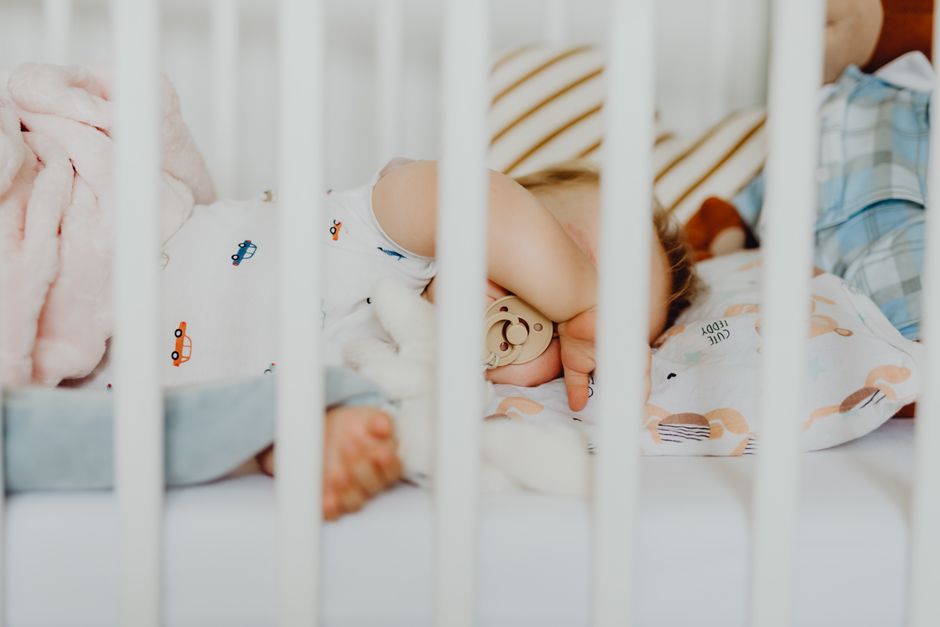
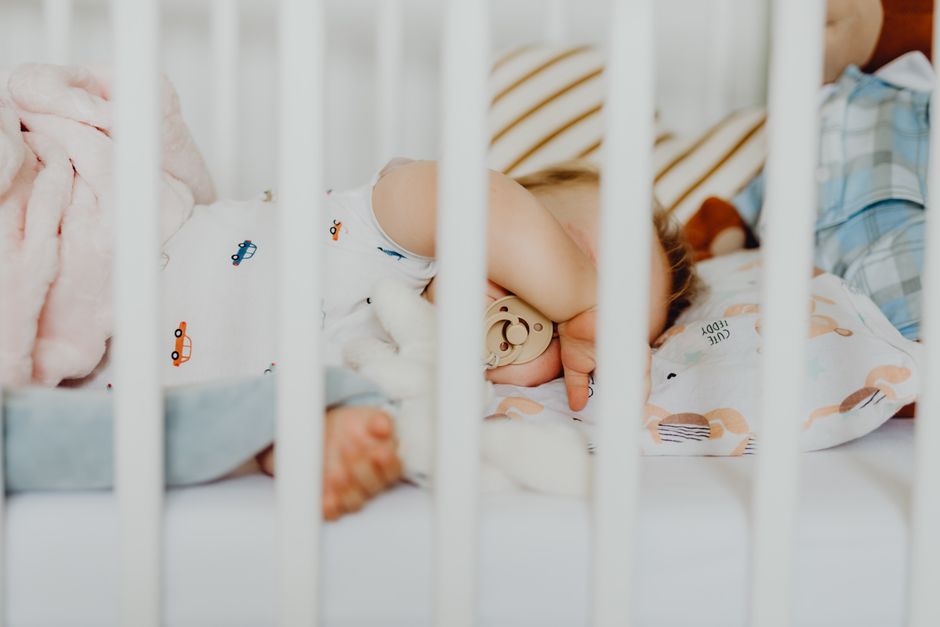
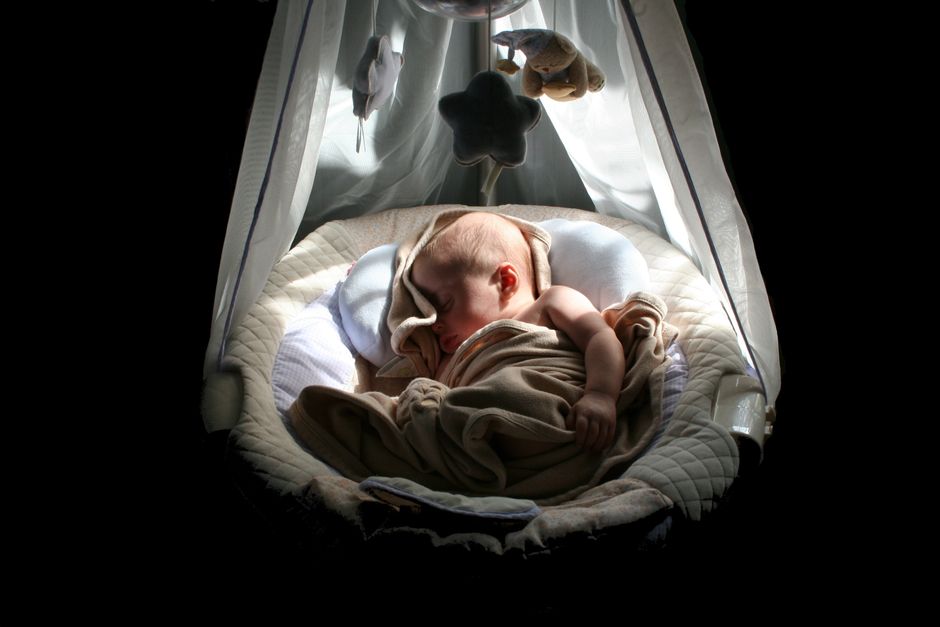
During my first winter as a new mom, I was terrified that my three-week-old son Liam was going to freeze in his crib. Every time I touched his tiny hands, they felt icy cool. In a frantic state of new-mom anxiety, I cranked our central heating up to 75°F, dressed him in thick fleece footie pajamas, and zipped him into a plush swaddle. At 3:15 AM, I woke up with a knot in my stomach and rushed to his bassinet. When I slipped my hand behind his neck, my heart stopped—his hair was damp with sweat, his chest was burning hot, and his cheeks were bright crimson.
I stood there trembling, stripping off his layers in tears, completely overcome with guilt. The next morning, our pediatrician delivered a gentle but sobering wake-up call that completely changed how I view infant sleep: a cool baby will cry if uncomfortable, but an overheated baby may slip into an abnormally deep, dangerous sleep from which they cannot arouse. Overheating is recognized by pediatric researchers as one of the most critical modifiable risk factors for Sudden Infant Death Syndrome (SIDS).
Here is the straightforward method that brought our family total peace of mind: keep the nursery regulated between 68°F and 72°F (20°C to 22°C), dress baby using standardized TOG (Thermal Overall Grade) ratings in breathable 100% cotton, ditch hats and beanies indoors, and always gauge core body temperature by feeling the nape of the neck rather than icy fingers.
1. What Is the Ideal Nursery Room Temperature for Infant Sleep?
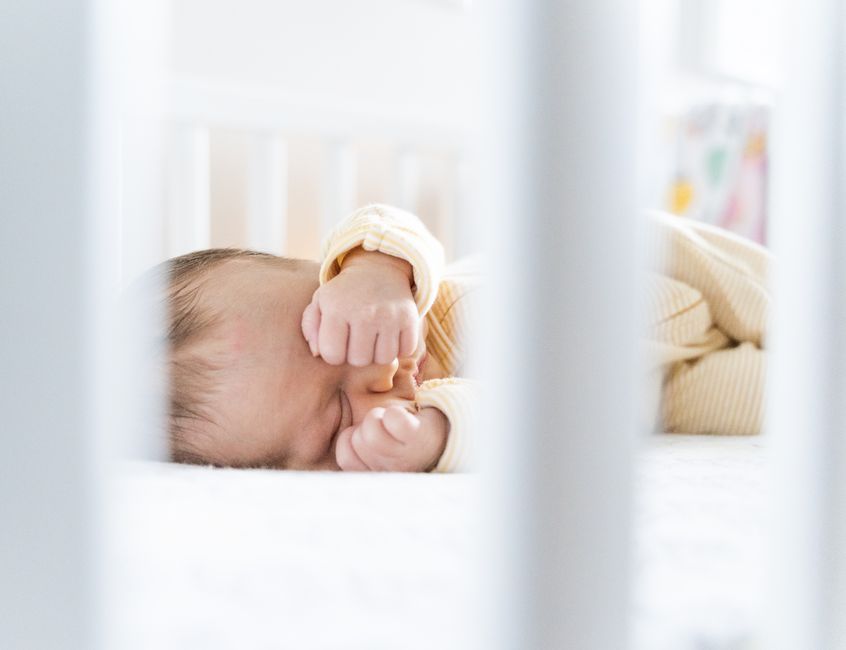
The American Academy of Pediatrics (AAP) and the Centers for Disease Control and Prevention (CDC) recommend maintaining a nursery ambient temperature between 68°F and 72°F (20°C to 22°C).
Why Babies Overheat Easily
Adults regulate internal body temperature efficiently through sweating, shivering, and behavioral changes (like kicking off a heavy blanket). Newborns and young infants cannot do this effectively:
- Higher Surface Area to Body Mass Ratio: Babies absorb external room heat much faster than adults.
- Underdeveloped Sweat Glands: Young infants have limited sweating ability and cannot cool their skin through evaporation.
- Inability to Remove Bedding: If a baby is overdressed, they are trapped in excess thermal heat.
When an infant becomes too hot, their metabolic rate slows down, their breathing pattern can become shallow, and their natural neurological arousal reflex is suppressed.
💡 Pediatric Tip: Invest in a standalone digital room thermometer placed at crib height, away from windows and doors. Built-in baby monitor thermometers are often positioned high on the wall or on electronic units, leading to inaccurate readings by 2 to 4 degrees.
2. 5 Dangerous Overheating Traps Most Parents Make
Even well-intentioned parents frequently fall into these five common bedtime temperature mistakes:
1. Cranking the Thermostat Past 72°F During Cold Nights
When outdoor temperatures plunge, our instinct is to create a warm, toasty nursery. But heating a baby’s room to 74°F or 76°F creates a stagnant, dry microclimate that dehydrates infant nasal passages and elevates core body temperature. If the rest of your house is cool, focus on safe wearable sleep layers rather than overheating the air.
2. Stacking Fleece Sleepers with High-TOG Swaddles
Synthetic polyester fleece does not breathe. Dressing a baby in fleece pajamas and wrapping them in a 2.5 TOG swaddle traps moisture and body heat against their skin. Always opt for breathable 100% organic cotton, bamboo, or merino wool base layers. If your baby is transitioning out of a swaddle, follow our safety checklist for when to stop swaddling and transition safely.
3. Leaving Beanies or Hats on Babies Indoors
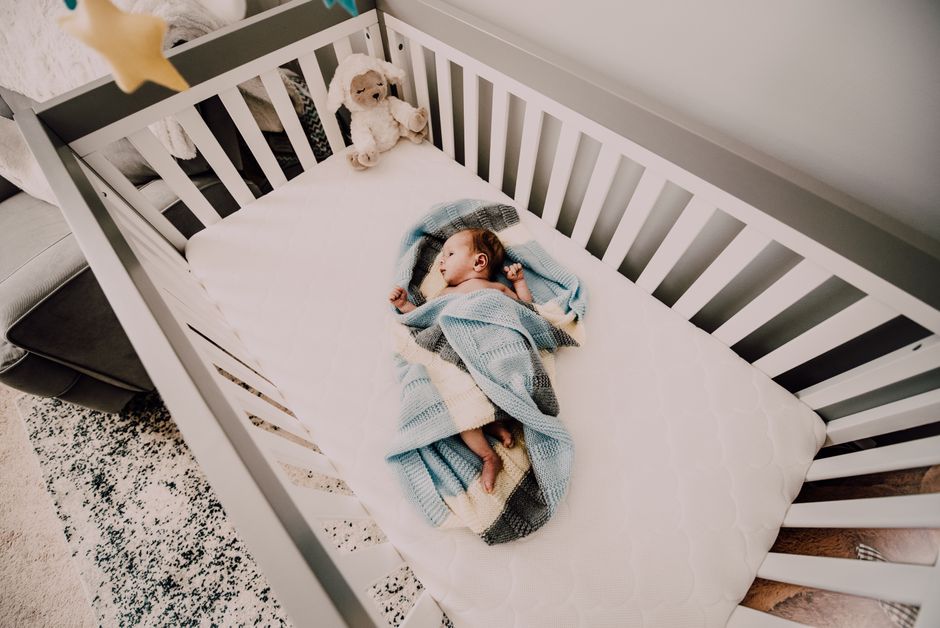
A baby’s head accounts for approximately 20% of their total body surface area and acts as their primary thermal radiator. When a baby gets warm, excess heat is released through the scalp. Putting hats or hoods on a sleeping baby blocks this critical cooling mechanism and creates a severe suffocation and overheating risk.
⚠️ Warning Alert: The AAP explicitly warns against placing hats, beanies, or head coverings on infants while sleeping indoors after leaving the hospital maternity ward.
4. Relying on “Cold Hands and Feet” as an Indicator
Nearly every new mom panics when touching her baby’s cool fingers. However, cool extremities are a normal physiologic phenomenon called peripheral acrocyanosis. Because a baby’s cardiovascular system is still maturing, blood circulation is concentrated in core vital organs (heart, brain, lungs). Cool hands are normal; judging room temperature by them leads to chronic overdressing.
5. Using Unsafe Weighted Sleep Sacks or Heavy Blankets
Some parents turn to weighted sleep sacks in hopes of prolonging sleep stretches, unaware that added weight on an infant’s chest impairs breathing mechanics and traps excessive body heat. Medical authorities strongly discourage them; read our detailed report on why weighted sleep sacks are unsafe and parents regret buying them.
3. The Definitive TOG Clothing Guide by Nursery Temperature
TOG (Thermal Overall Grade) measures the thermal insulation of wearable sleep sacks and swaddles. Use this chart to dress your baby safely based on your nursery thermometer:
| Nursery Room Temperature | Recommended Base Layer | Sleep Sack / Swaddle TOG | Total Feel |
|---|---|---|---|
| Over 75°F (24°C+) | Short-sleeve cotton bodysuit only | No sleep sack (or 0.2–0.5 TOG) | Ultra-light & breathable |
| 72°F – 74°F (22°C – 23°C) | Short-sleeve cotton bodysuit | 0.5 – 1.0 TOG sleep sack | Light & comfortable |
| 68°F – 72°F (20°C – 22°C) ⭐ Ideal | Long-sleeve cotton footie sleeper OR bodysuit | 1.0 TOG wearable blanket | Balanced & safe |
| 64°F – 67°F (18°C – 19°C) | Long-sleeve bodysuit + cotton footie | 2.0 – 2.5 TOG sleep sack | Cozy winter layering |
| Under 64°F (<18°C) | Long-sleeve bodysuit + thermal sleeper | 2.5 – 3.5 TOG sleep sack | High insulation (avoid draft) |
[ Nursery Ambient: 68°F - 72°F ]
              ⬇
[ Base: 100% Breathable Cotton Onesie / Footie ]
              ⬇
[ Outer: 1.0 TOG Fitted Wearable Sleep Sack ]
              ⬇
[ Empty Crib: Firm Mattress + Fitted Sheet ONLY ] ✅
4. How to Accurately Check if Your Baby Is Too Hot or Too Cold
To accurately assess your baby’s thermal comfort in seconds:
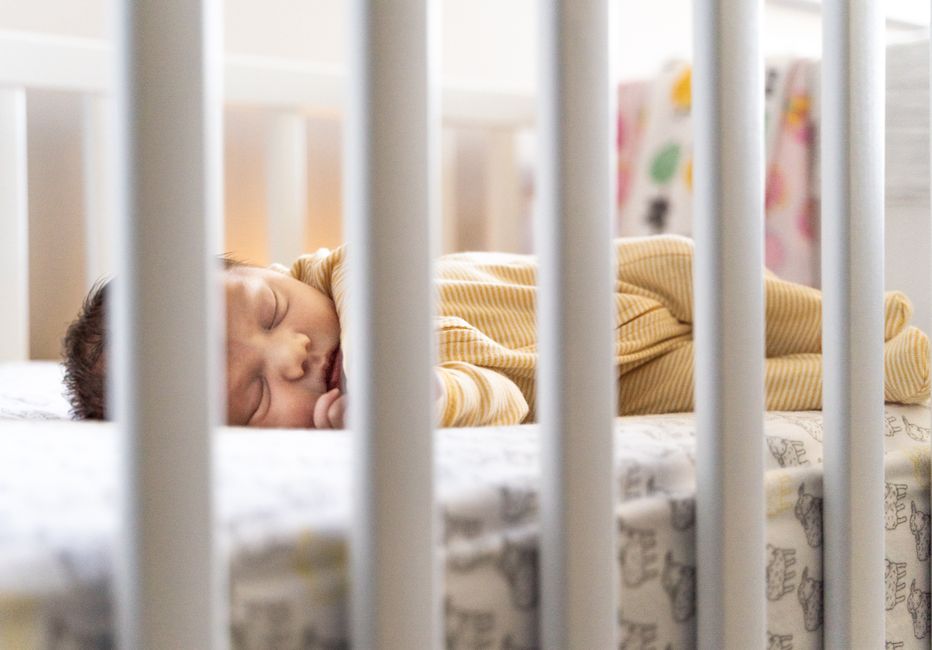
- Slip Two Fingers Down the Back of Their Neck: The nape of the neck should feel warm and dry to the touch.
- Feel the Chest and Upper Back: If the skin feels hot, sticky, or clammy, remove a layer immediately.
- Observe Breathing and Arousal: An overheated baby may breathe rapidly or appear unusually limp and difficult to wake. If your baby’s sleep timing seems disrupted, review our guide to infant wake windows and overtired bedtime traps to balance nap pressure with physical comfort.
- Ensure Proper Air Circulation: Running a gentle ceiling fan or room fan (directed away from the crib) improves airflow and lowers SIDS risk by up to 72% according to pediatric epidemiological studies. For ambient sleep acoustics, ensure your sound machine is at a safe distance; review white noise machine decibel and distance rules.
5. Overheating Warning Signs vs. Safe Sleeping Signs
| Symptom | Safe & Comfortable Sleep ✅ | Overheating Emergency ⚠️ |
|---|---|---|
| Nape of Neck | Warm and dry | Hot, sweaty, or clammy |
| Face & Cheeks | Natural skin tone | Flushed bright red or blotchy |
| Chest Skin | Smooth and clear | Red pinpoint heat rash (miliaria) |
| Breathing | Calm, steady, rhythmic | Rapid, shallow, panting |
| Arousal / Energy | Stirs naturally for nighttime feeds | Unusually lethargic, limp, unarousable |
6. Common Bedtime Temperature Mistakes vs. Safe Solutions
| Common Mistake ❌ | Safe Pediatric Alternative ✅ |
|---|---|
| Keeping nursery at 75°F+ in winter | Regulating room between 68°F and 72°F |
| Dressing baby in fleece footies + thick swaddles | Layering breathable 100% cotton under a 1.0 TOG sleep sack |
| Putting a knit beanie on baby while sleeping indoors | Leaving baby’s head completely bare to release excess heat |
| Using loose quilts, duvets, or weighted blankets | Using an AAP-compliant wearable sleep sack in an empty crib |
| Checking temperature by touching baby’s hands/feet | Checking the nape of the neck or chest with clean fingers |
Final Thoughts: Trusting the “Cool Room, Warm Layer” Rule
It is completely natural to worry that your baby feels chilly during cold winter nights. But remembering the golden rule of pediatric sleep—“cool room, warm breathable layer”—will protect your baby’s delicate thermal balance and allow you both to sleep with complete confidence.
Keep a simple thermometer in the nursery, dress in breathable cotton layers according to the TOG chart, and rest easy knowing your little one is sleeping safely in their sweet spot.
Google AdSense Placeholder
Slot ready for "in-article". Set your AdSense publisher ID in settings when approved.
Frequently Asked Questions by Moms
What is the safest room temperature for a baby to sleep in? ▼
According to the American Academy of Pediatrics (AAP), the ideal nursery room temperature is between 68°F and 72°F (20°C to 22°C). This temperature range reduces the risk of infant overheating while ensuring baby stays comfortable throughout the night.
How should I dress my baby for sleep according to room temperature? ▼
A reliable rule of thumb is to dress your baby in one more light layer than you would comfortably wear in the same room. For a standard 68°F–70°F room, a short-sleeve cotton onesie under a 1.0 TOG wearable sleep sack is ideal.
Why do my baby's hands and feet feel cold while sleeping? ▼
Infants have an immature circulatory system, meaning blood flow is prioritized to vital core organs rather than extremities (a harmless condition called acrocyanosis). To check your baby's true temperature, always feel the back of their neck or their chest, not their hands or feet.
What are the early warning signs that a baby is overheating at night? ▼
Warning signs include a damp, sweaty nape of the neck or hair, flushed red cheeks, heat rash on the chest or neck folds, rapid breathing, and unusually deep lethargy where baby is difficult to wake for feeds.

Written by Sarah Collins
Doctor-Reviewed & Fact-CheckedMom of Two & Founder of Mommy Tips & Life
Sarah is a mother of two (Liam & Maya) sharing evidence-based parenting guides, infant sleep solutions, and baby safety alerts tested in real family life and vetted against AAP clinical standards.
Google AdSense Placeholder
Slot ready for "footer-banner". Set your AdSense publisher ID in settings when approved.