Active Sleep vs. Awake: 5 Newborn Sleep Mistakes Waking Your Baby Up (And How the 'Pause' Fixes It)
Is your newborn grunting, crying with eyes closed, or thrashing in the crib? Discover the difference between active sleep vs. true wakefulness and the 60-second pause rule.
Sarah Collins
Mom of Two & Founder of Mommy Tips & Life
Google AdSense Placeholder
Slot ready for "header-banner". Set your AdSense publisher ID in settings when approved.
🩺 Medical Disclaimer: This guide is for educational purposes and should not replace pediatric or obstetric medical consultation.
🛍️ Affiliate Disclosure: We may earn a small commission when you purchase through our links at no extra cost to you.
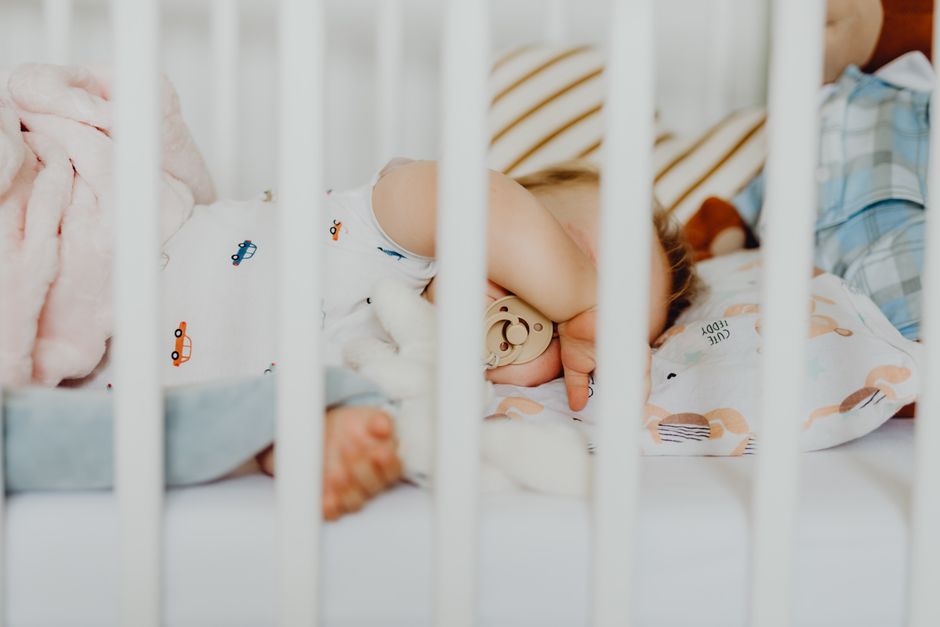
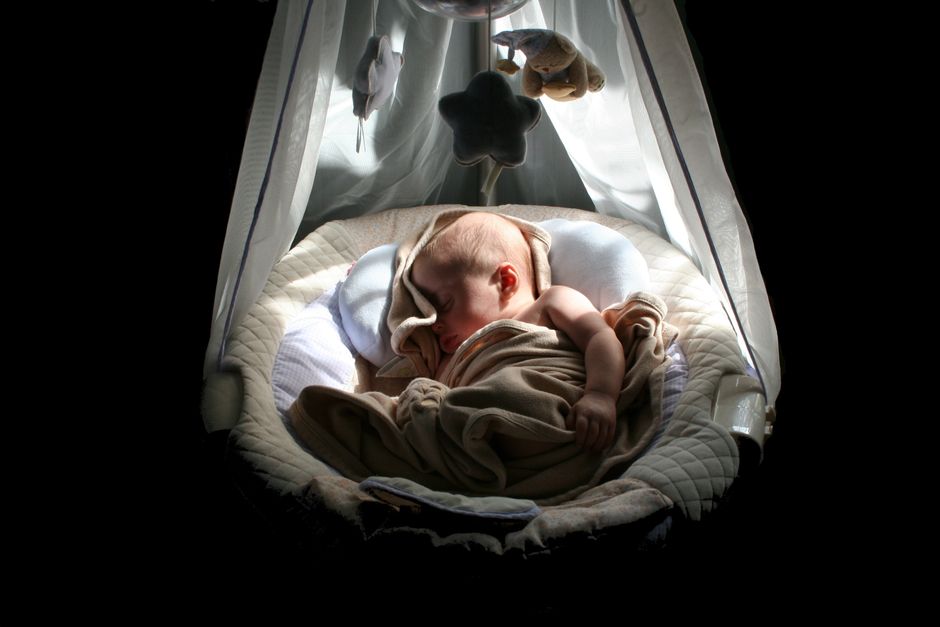
During the first three weeks of my daughter Maya’s life, I didn’t sleep more than twenty consecutive minutes. Every time she made a sound in her bedside bassinet—a loud grunt, a squeak, a sudden whimper, or a dramatic arm fling—I leapt out of bed, scooped her up, and immediately shoved a bottle or pacifier into her mouth.
I thought I was being the ultimate responsive mother. But within days, Maya was overtired, chronically fussy, and waking every 35 minutes around the clock. At our one-month pediatrician checkup, I broke down in tears, convinced my baby had a severe sleep disorder. The pediatrician asked me a single question that changed our lives: “Sarah, when she makes those noises, are her eyes actually open?”
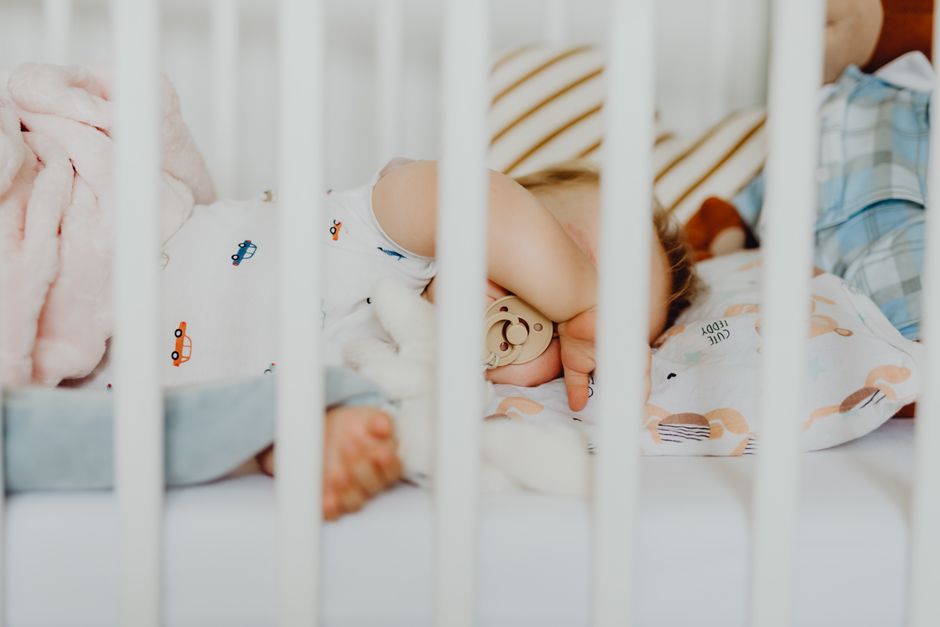
I froze. Her eyes were almost always tightly shut.
The Quick Breakthrough Summary: I was making the #1 rookie parenting error: interrupting active sleep. Newborns spend 50% of their sleep cycle in active REM sleep, where they twitch, grunt, smile, and cry while fast asleep. (If your baby frequently bursts into tears without opening their eyes, see our dedicated guide on why babies cry in their sleep without waking up). By scooping Maya up at the first squeak, I was waking her up from restorative rest. The night we implemented the 60-Second French Pause and learned to distinguish active sleep from true wakefulness, Maya consolidated her sleep stretches from 45 minutes to 3.5 hours uninterrupted.
Here is the essential, doctor-vetted guide to understanding infant sleep architecture, avoiding the 5 common active sleep traps, and helping your baby link sleep cycles independently.
1. The Science of Active Sleep vs. Quiet Sleep in Infants
Unlike adult sleep, which begins with deep non-REM stages, infant sleep begins with Active Sleep (the baby version of REM sleep).
   [ Adult Sleep Architecture ]                  [ Newborn Sleep Architecture ]
   • 80% Quiet Non-REM / Deep Sleep               • 50% Active REM Sleep (Noisy, Squirming)
   • 20% REM Sleep                               • 50% Quiet Non-REM Sleep (Still, Silent)
   • Cycle Length: 90–120 Minutes                • Cycle Length: 45–50 Minutes
During active sleep, your baby’s brain is firing on all cylinders, processing sensory input, laying down neural pathways, and building memory networks. Because their immature brainstem has not yet developed full muscle paralysis (REM atonia), their physical movements and vocal cords remain active while they are unconscious.
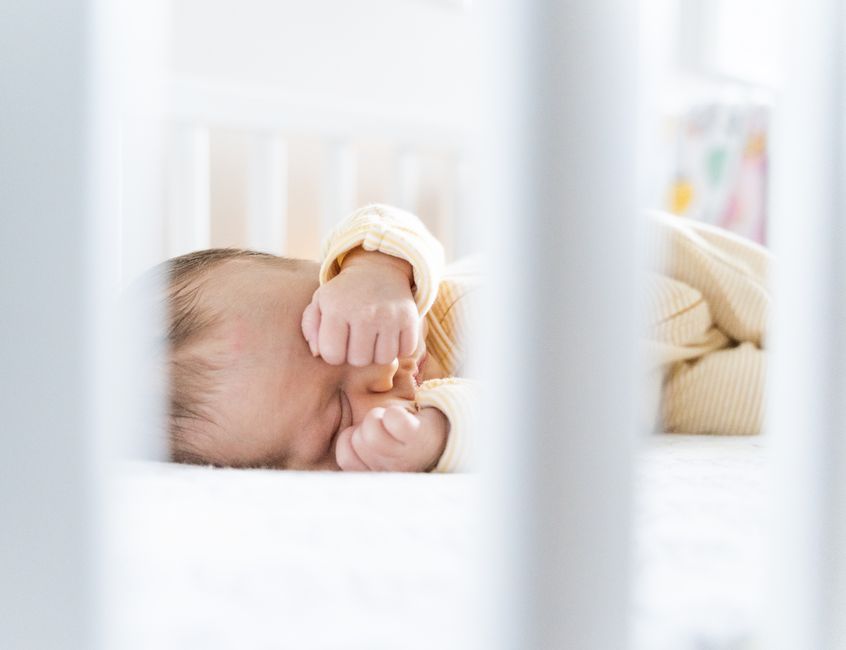
Signs of Active Sleep (Do NOT Intervene):
- Rapid eye movement visible beneath paper-thin eyelids
- Fluttering or half-open glassy eyes that do not focus
- Irregular, shallow, or rapid breathing patterns
- Loud grunting, snorting, squeaking, and throat clearing
- Sudden smiles, furrowed brows, or crying out for 5–10 seconds
- Twitching limbs, startling, or sucking on hands while eyes stay closed
Signs of True Wakefulness (Do Intervene):
- Wide-open, focused eyes scanning the room
- Rhythmic, continuous crying that escalates in volume and pitch
- Rooting frantically toward blankets or hands with an open, searching mouth
- Calm, alert body language (ready for stimulation or feeding)
If you struggle with bedtime timing, make sure you aren’t missing their initial sleep window by checking our breakdown on newborn wake windows and bedtime traps.
2. The 5 Active Sleep Mistakes That Disrupt Infant Rest
Exhausted parents often create accidental sleep associations and nighttime disruptions by misinterpreting normal active sleep behaviors.

Mistake #1: The “Rescue Reflex” (Scooping Up Too Fast)
When an infant transitions between sleep cycles (every 45 to 50 minutes), they enter a brief period of active sleep where they stir and make noise. If you immediately scoop them up, your touch and voice startle their brain into full wakefulness.
The Pediatric Fix: The 60-Second “Pause”
When your baby makes noise at night:
- Keep the room dark and quiet.
- Pause and observe for 60 to 90 seconds without touching them.
- Check their eyes: if their eyes are closed, let them be. In over 70% of cases, an infant in active sleep will settle back into deep, quiet sleep within 60 seconds.
💡 Pediatric / Mom Tip: Remember the golden rule of newborn sleep: A noisy baby is not necessarily an awake baby. Unless they are actively crying with eyes wide open, give them the space to connect their own sleep cycles.
Mistake #2: Forcing a Pacifier into a Closed-Eye Baby
Many parents notice their baby grunting and immediately shove a pacifier into their mouth. If the baby is in active sleep, pushing an object into their mouth triggers their rooting reflex and forces their jaw to work, waking them up completely. If pacifier drops are already causing endless wakeups, read our guide on how to break the pacifier sleep trap.
Mistake #3: Mistaking Newborn Grunting for Severe Constipation or Reflux
Newborns make shockingly loud barnyard animal noises—snorting, groaning, and straining like they are constipated. This is usually infant dyschezia (learning to relax the pelvic floor while bearing down) or normal active sleep vocalizations.
Unless your baby is passing hard, dry pellets (see our medical guide on baby constipation relief remedies) or arching with screaming acid pain, grunting in the crib is completely normal.
⚠️ Warning Alert: If grunting is accompanied by flaring nostrils, rhythmic chest retractions (skin sucking in beneath the ribs), or a bluish tint around the lips, this is respiratory distress—not active sleep. Seek immediate emergency medical care.
Mistake #4: Turning on Bright Lights for Nighttime Checks
When checking whether a baby is awake or asleep, turning on an overhead nursery light or checking with a bright smartphone screen floods the infant’s retina with blue light. This halts melatonin production, stimulating the brain into wakefulness and triggering newborn day-night confusion.
The Fix: Red or Amber Low-Lumen Lighting
Use a dim, warm amber or red nightlight placed near floor level. Red wavelengths do not inhibit melatonin synthesis or stimulate an infant’s visual cortex.
Mistake #5: Abandoning the Swaddle Too Early
Because babies twitch and fling their arms during active sleep due to the primitive Moro (startle) reflex, parents often assume their baby “hates” being swaddled. However, an unswaddled baby in active sleep will hit themselves in the face with their own hands and startle themselves awake.
Keep a snug, safe swaddle in place until your baby shows the first signs of rolling over (see our milestone guide on when to transition out of swaddling).
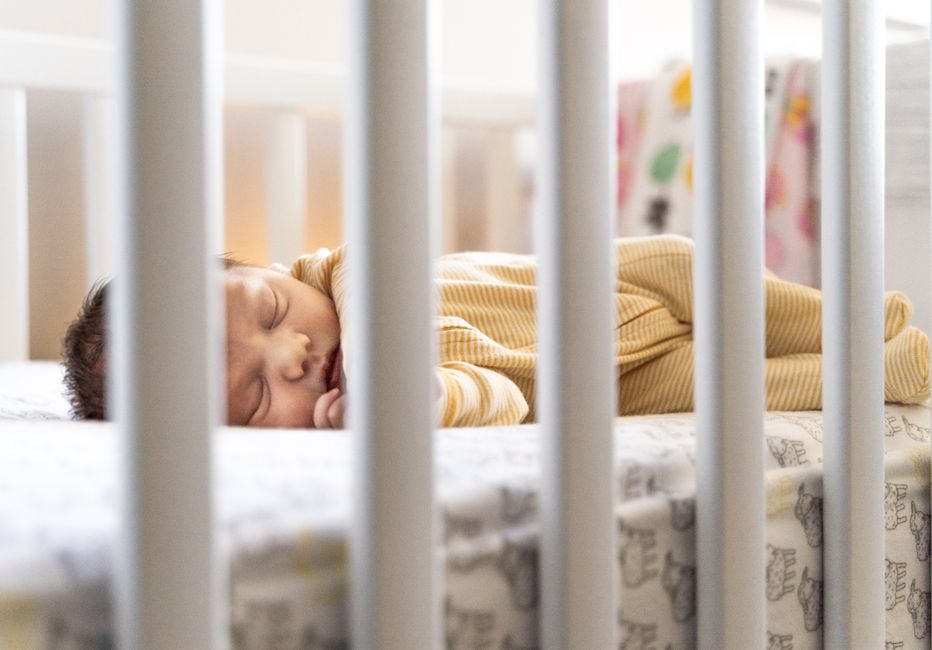
3. How to Help Your Baby Connect Sleep Cycles Without Waking
Between 3 and 4 months of age, your baby’s sleep architecture matures, shifting toward adult-like 4-stage sleep cycles (often triggering the dreaded 4-month sleep regression). To prepare them for this transition:
- Practice the “Drowsy But Awake” Placement: Put your baby down in their safe sleep space when they are sleepy but still aware of their surroundings, allowing them to register their crib as a safe sleep haven.
- Use Continuous White Noise: White noise masks ambient household sounds and mimics the constant 80-decibel swooshing of the maternal womb, smoothing out the transition between active and quiet sleep.
- Keep the Sleep Environment Pitch Dark: Blackout curtains prevent visual stimuli from catching your baby’s attention during active sleep phases.
Active Sleep vs. True Wakefulness: Quick Decision Table
| Feature / Sign | Active Sleep (Keep Hands Off ✋) | Awake & In Need (Step In 🤱) |
|---|---|---|
| Eye State | Closed, fluttering, or unfocused glassiness | Wide open, bright, alert, and tracking |
| Vocalizations | Brief squeaks, intermittent grunts, 5-sec whimper | Continuous, rhythmic, escalating crying |
| Body Movement | Sudden twitching, smiling, rhythmic sucking | Intentional reaching, frantic rooting, arching |
| Response to 60s Pause | Settles back into still breathing and quiet sleep | Crying persists and increases in intensity |
| Parent Action | Observe in dim light; do not touch or pick up | Feed, burp, change diaper, or soothe |
The Takeaway for Restful Nights
Understanding infant active sleep was the single most liberating realization of my motherhood journey. Once I stopped jumping at every midnight squeak and gave Maya the 60-second pause to navigate her own sleep transitions, our entire family finally started sleeping through the night.
Tonight, when you hear that first grunting sound from the crib, take a deep breath, look at the clock, and pause. You might just find that your baby is fast asleep—and you can be, too.
Google AdSense Placeholder
Slot ready for "in-article". Set your AdSense publisher ID in settings when approved.
Frequently Asked Questions by Moms
What does active sleep look like in a newborn? ▼
During active sleep (the infant equivalent of REM sleep), newborns exhibit rapid eye movements under their lids, fluttering eyelids, twitching fingers and toes, smiling, grimacing, irregular rapid breathing, loud grunting, and even sudden sharp whimpers or brief cries—all while remaining completely fast asleep.
Why do newborns spend so much time in active sleep? ▼
Newborns spend approximately 50% of their total sleep time in active sleep (compared to only 20% in adults). This stage is critical for rapid neurological growth, synaptic development, memory consolidation, and brain plasticity during the first 6 months of life.
What is the 60-Second French Pause in baby sleep? ▼
The 'Pause' is a practice where parents wait 60 to 90 seconds before intervening when a baby grunts, whines, or makes noise in their bassinet. This gives the infant a chance to transition through active sleep into deep quiet sleep without adult interruption accidentally waking them.
When should I immediately pick up my baby instead of waiting? ▼
You should immediately attend to your baby if their eyes are wide open and alert, if they are crying continuously with escalating distress, or if there is any sign of breathing difficulty, reflux distress, or physical danger. The pause is only for intermittent noises and closed-eye squirming.

Written by Sarah Collins
Doctor-Reviewed & Fact-CheckedMom of Two & Founder of Mommy Tips & Life
Sarah is a mother of two (Liam & Maya) sharing evidence-based parenting guides, infant sleep solutions, and baby safety alerts tested in real family life and vetted against AAP clinical standards.
Google AdSense Placeholder
Slot ready for "footer-banner". Set your AdSense publisher ID in settings when approved.