Why You Shouldn't Put Sunscreen on a Baby Under 6 Months: 5 Hidden Risks and Safe Sun Rules
Thinking of slathering sunscreen on your newborn before heading outside? Learn why the AAP and FDA advise against sunscreen for babies under 6 months and how to safely protect infant skin.
Sarah Collins
Mom of Two & Founder of Mommy Tips & Life
Google AdSense Placeholder
Slot ready for "header-banner". Set your AdSense publisher ID in settings when approved.
🩺 Medical Disclaimer: This guide is for educational purposes and should not replace pediatric or obstetric medical consultation.
🛍️ Affiliate Disclosure: We may earn a small commission when you purchase through our links at no extra cost to you.
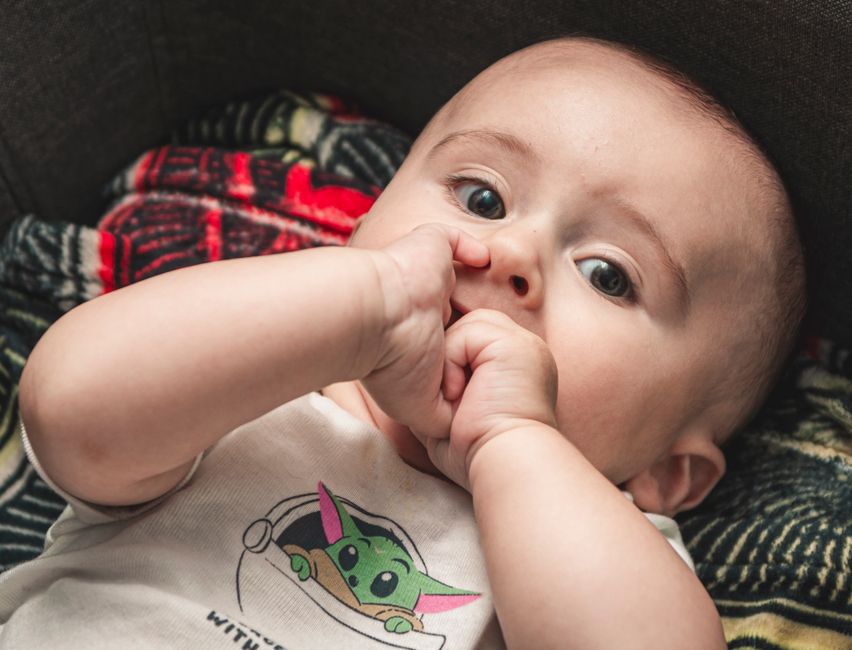
When my son was three months old, our family was invited to an outdoor fourth-of-July barbecue. It was a radiant 85-degree sunny afternoon. Wanting to be the most responsible, proactive mom possible, I went to the pharmacy and bought a tube labeled “Gentle Mineral Baby Sunscreen SPF 50”. Before stepping out into our backyard, I thoroughly slathered his chunky thighs, arms, and cheeks with thick white cream.
Within forty-five minutes, my sweet baby was burning hot to the touch, his face was covered in bright red hives, and he began crying with an exhausted, raspy whimper. Panicked, I rushed him inside to rinse his skin with cool water and called our pediatrician’s emergency triage line in tears.
Our pediatrician gently educated me on a fundamental pediatric dermatological rule that surprisingly few new parents are ever taught: the American Academy of Pediatrics (AAP) and the U.S. Food and Drug Administration (FDA) strongly advise against applying sunscreen to infants under six months of age. What seemed like protective maternal care was actually overwhelming my baby’s fragile epidermal barrier and blocking his body’s delicate thermoregulation.
Here is the science behind why infant skin under six months cannot process sunscreen, and the pediatrician-approved physical sun protection blueprint every parent needs to know.
1. The High Surface-Area-to-Body-Weight Absorption Trap
An infant’s skin is fundamentally different from adult or even toddler skin. During the first six months of life, a newborn’s stratum corneum (the outermost protective layer of the epidermis) is up to 30% thinner than an adult’s.
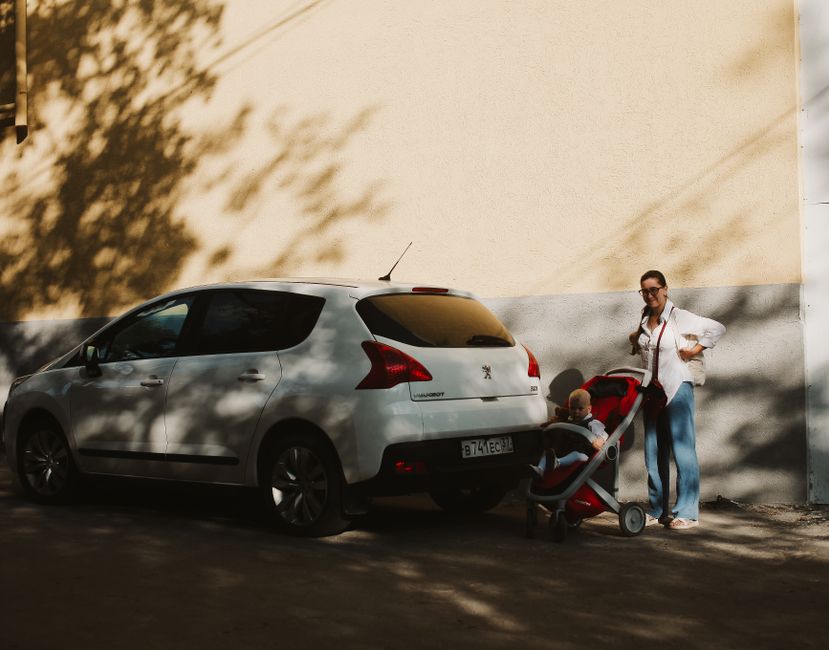
Why Chemical & Mineral Penetration Is Dangerous
Because babies have a much higher body surface area relative to their total body weight, any topical chemical applied to their skin is absorbed into their bloodstream at dramatically higher concentrations.
[ Thinner Stratum Corneum (30% Thinner) ] + [ High Surface-Area-to-Weight Ratio ]
                                    ⬇
        [ Rapid Systemic Transdermal Absorption of Sunscreen Ingredients ]
                                    ⬇
    [ Immature Hepatic/Renal Processing ➔ High Risk of Toxicity & Dermatitis ] ⚠️
Active chemical sunscreen filters (such as avobenzone, oxybenzone, and octisalate) and even heavy preservative stabilizing agents can penetrate an infant’s bloodstream, potentially stressing their immature liver and kidneys. For similar insights on household chemical absorption through delicate infant skin, see our warning guide on toxic laundry detergents and baby eczema triggers.
2. Blocked Pores & Impaired Infant Thermoregulation
Unlike adults who sweat freely across millions of mature eccrine glands, a newborn’s sweat glands are underdeveloped.
How Thick Sunscreen Traps Internal Body Heat
When you coat an infant’s skin in water-resistant, oil-heavy sunscreen lotions:
- You create an occlusive barrier that blocks immature sweat ducts.
- The trapped perspiration triggers miliaria rubra (severe prickly heat rash).
- Most dangerously, the baby cannot dissipate metabolic heat, dramatically accelerating the onset of infant heat exhaustion and heatstroke.
⚠️ Warning Alert: Never attempt to cool an overheating baby by giving them sips of cold water before six months of age. Water before six months can trigger severe oral water intoxication and electrolyte dilution. Review our critical medical guide on why giving water to babies under 6 months is dangerous.
3. The Dangerous “Blanket Stroller” Mistake
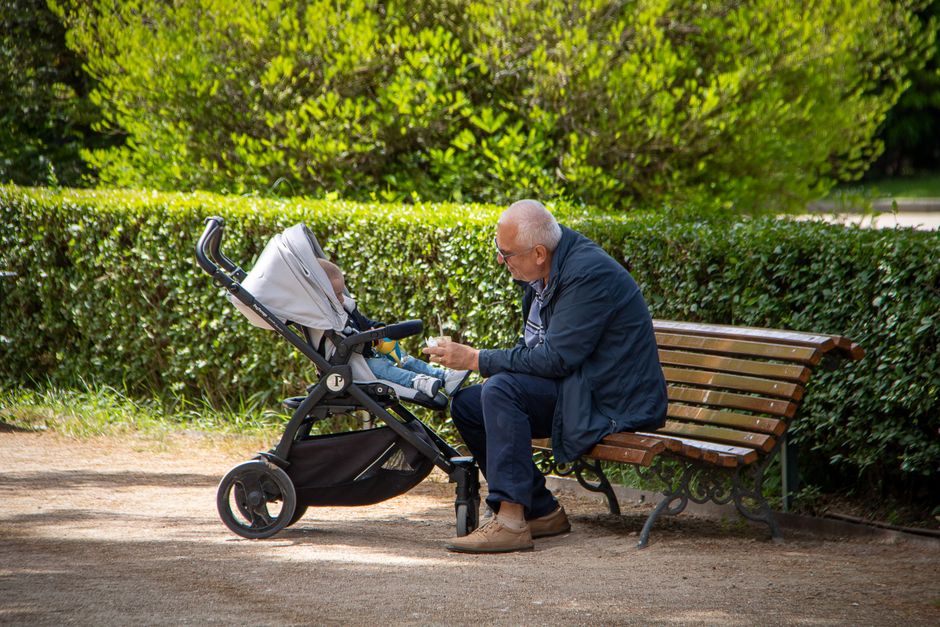
When parents learn to avoid sunscreen, they often attempt to shield their baby from the sun by draping a muslin blanket, receiving quilt, or towel over the stroller or car seat opening.
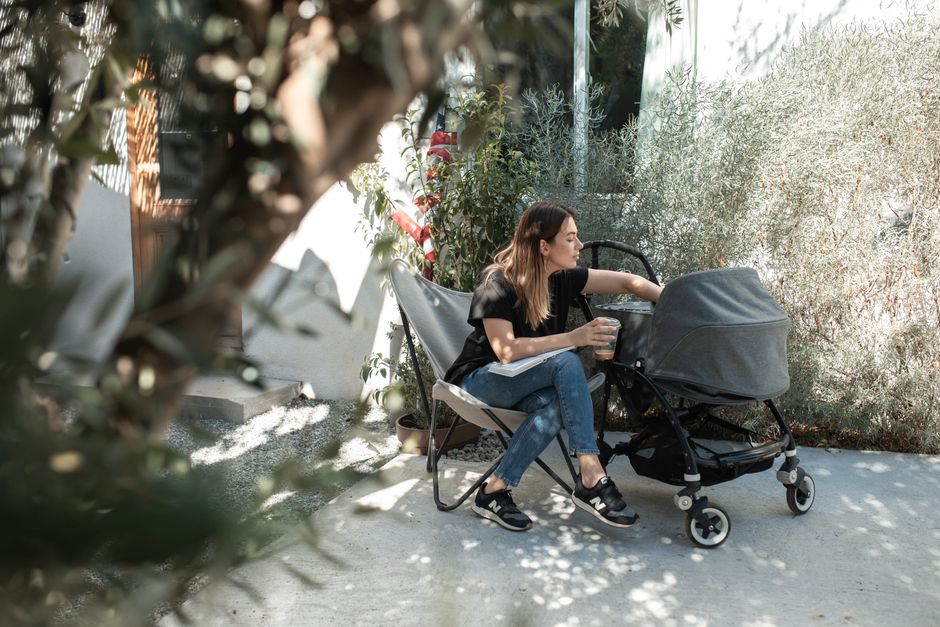
The Stroller Greenhouse Effect
Thermal imaging studies have proven that draping even a thin, lightweight muslin swaddle over a stroller completely stops air circulation. In just 20 minutes on an 85°F day, the temperature inside a covered stroller can skyrocket to over 102°F (39°C), creating a life-threatening enclosed sauna.
Instead of blankets, use:
- An extendable UPF 50+ stroller canopy with ventilated side mesh windows.
- An adjustable stroller clamp-on parasol/umbrella that creates overhead shadow while leaving front and side airflow 100% open.
- A battery-operated flexible clip-on stroller fan with childproof cage slats.
To see exact temperature time-lapse data, read our emergency guide on the lethal hazards of covering a stroller with a blanket in the heat.
4. Pediatric Comparison: Sun Protection Methods for Infants
Here is how the American Academy of Pediatrics (AAP) and pediatric dermatologists rank sun safety protocols:
| Protection Method | Safety for Under 6 Months | Pediatric Assessment & Recommendations |
|---|---|---|
| Physical Deep Shade (Trees, Pop-up Tents, Canopies) | ✅ Gold Standard | Eliminates up to 90% of direct UV exposure without thermal trapping. |
| UPF 50+ Lightweight Clothing & Wide-Brim Hats | ✅ Highly Recommended | Protects delicate extremities while allowing skin breathability. |
| Clip-On Stroller Umbrella (Open Airflow) | ✅ Highly Recommended | Casts mobile shade without increasing internal stroller temperature. |
| Covering Stroller with Muslin Swaddle / Blanket | ❌ Extremely Dangerous | Causes lethal greenhouse heat spikes within 15–20 minutes. |
| Chemical / Mineral Sunscreen Slathering | ❌ Not Recommended | Causes systemic absorption, severe contact dermatitis, and clogged pores. |
5. Safe Sun Rules for Babies Under 6 Months (AAP Blueprint)
Follow this pediatrician-vetted checklist to enjoy the outdoors safely with your infant:

Rule 1: Master the “Shadow Rule”
Avoid outdoor sun exposure during peak UV intensity hours (10:00 AM to 4:00 PM). A good rule of thumb is the Shadow Rule: If your shadow is shorter than you are, the sun’s rays are at their strongest and most hazardous.
Rule 2: Dress in Protective, Breathable Fabrics
Dress your infant in lightweight, loosely woven, long-sleeved cotton onesies or certified UPF 50+ sun-safe clothing. Put on a wide-brimmed bucket hat with at least a 3-inch brim that shields their neck, ears, nose, and eyes.
Rule 3: The Rare “Emergency Exception” Rule
What if you are caught outdoors with zero shade and no protective clothing? The AAP provides one narrow exception:
💡 Pediatric / Mom Tip: If shade is truly unavailable, apply a tiny, pea-sized dab of mineral-only (zinc oxide) sunscreen strictly to small, unavoidable areas—such as the tops of the hands and bridge of the nose. Never apply sunscreen all over an infant’s torso, back, or legs under 6 months.
What to Do If Your Baby Turns 6 Months Old
Once your child reaches the 6-month milestone, their skin barrier has matured sufficiently to process mineral sunscreens safely:
- Look for active ingredients containing Non-Nano Zinc Oxide (15–20%) or Titanium Dioxide.
- Avoid chemical filters (Oxybenzone, Octinoxate, Homosalate).
- Avoid spray sunscreens, which pose severe aerosol inhalation risks for tiny lungs (see our nursery safety audit on dangerous nursery items and hidden infant respiratory hazards).
- Perform a 24-hour patch test on a small spot on their inner wrist before applying it across their body.
Enjoying the great outdoors with your little one is one of motherhood’s greatest joys. By relying on smart shade, breathable UPF fabrics, and open airflow, you can keep your baby completely protected, comfortable, and safe all summer long!
Google AdSense Placeholder
Slot ready for "in-article". Set your AdSense publisher ID in settings when approved.
Frequently Asked Questions by Moms
Why is sunscreen not recommended for babies under 6 months old? ▼
Infants under 6 months have a thinner, highly permeable skin barrier and a high body surface-area-to-weight ratio. Applying chemical or physical sunscreen creates significant systemic absorption risks, chemical dermatitis, and interferes with the infant's natural thermoregulation and sweating mechanisms.
What should I do if my baby under 6 months gets exposed to direct sunlight? ▼
The primary defenses recommended by the AAP are physical shade (umbrellas, stroller canopies, pop-up tents), wide-brim hats, and lightweight UPF 50+ clothing that covers arms and legs. If shade and protective clothing are completely unavailable, the AAP allows applying a minimal dot of mineral-only (zinc oxide) sunscreen to small exposed areas like the back of the hands and nose.
Can I use baby sunscreen over 6 months old? ▼
Yes. Once your baby turns 6 months old, their skin barrier is substantially more mature. Choose a broad-spectrum, water-resistant mineral sunscreen with non-nano zinc oxide or titanium dioxide with at least SPF 30.
How can I tell if my baby is overheating in the sun? ▼
Warning signs of infant overheating and heat exhaustion include hot, flushed skin, extreme fussiness or unusual lethargy, rapid breathing, refusal to feed, and a lack of wet diapers. Note that infants do not sweat as efficiently as adults.

Written by Sarah Collins
Doctor-Reviewed & Fact-CheckedMom of Two & Founder of Mommy Tips & Life
Sarah is a mother of two (Liam & Maya) sharing evidence-based parenting guides, infant sleep solutions, and baby safety alerts tested in real family life and vetted against AAP clinical standards.
Google AdSense Placeholder
Slot ready for "footer-banner". Set your AdSense publisher ID in settings when approved.