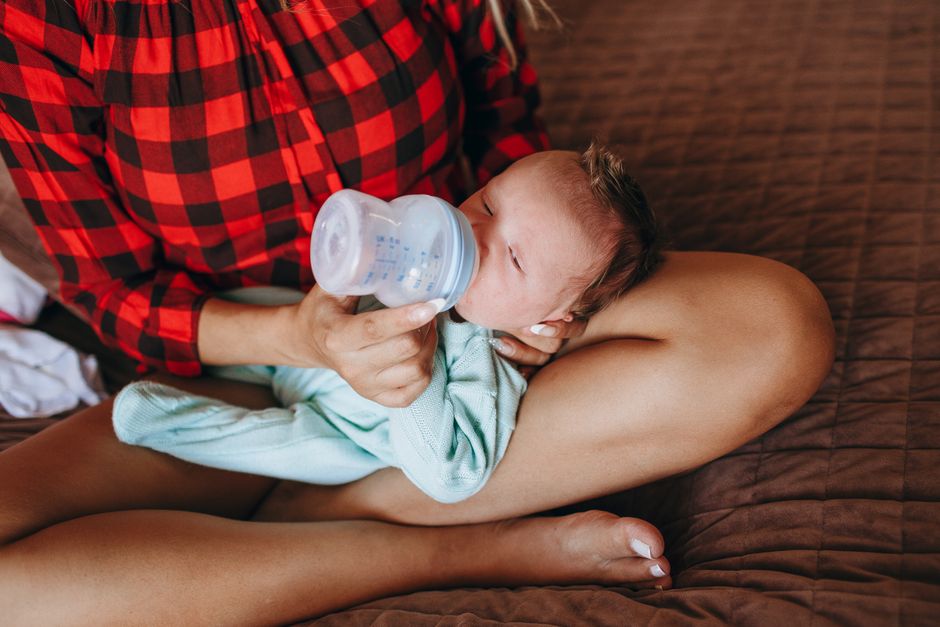
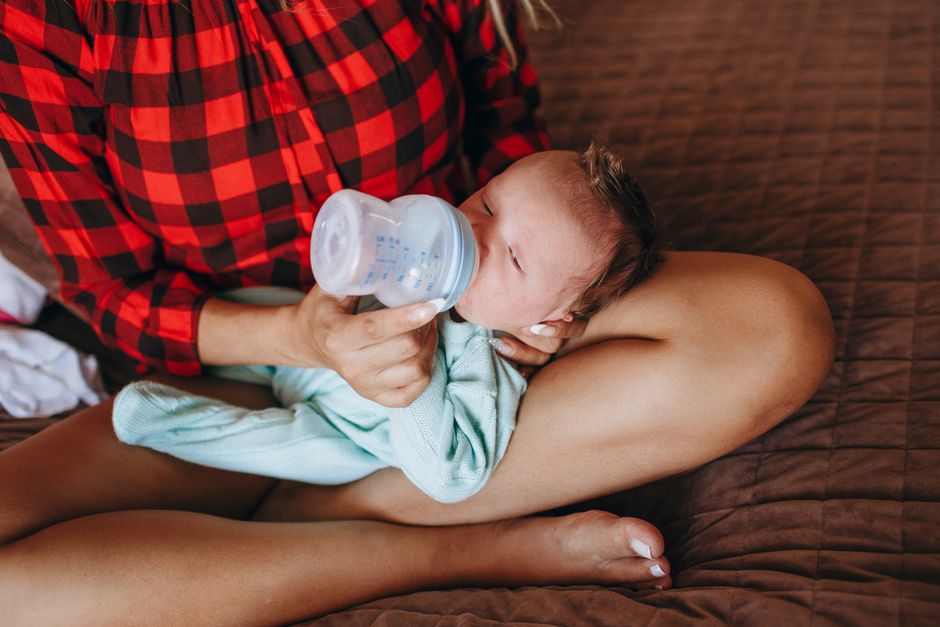
Why You Must Never Give a Baby Water Before 6 Months (The Hidden Risks Most Parents Miss)
Can babies drink water on hot days or for hiccups? Discover the biological dangers of infant water intoxication, formula dilution, and the safe 6-month hydration timeline.
Sarah Collins
Mom of Two & Founder of Mommy Tips & Life

Google AdSense Placeholder
Slot ready for "header-banner". Set your AdSense publisher ID in settings when approved.
🩺 Medical Disclaimer: This guide is for educational purposes and should not replace pediatric or obstetric medical consultation.
🛍️ Affiliate Disclosure: We may earn a small commission when you purchase through our links at no extra cost to you.
It was a scorching 96-degree Saturday afternoon in late July, and my son Liam was just nine weeks old. His cheeks were rosy, his tiny forehead was damp with sweat, and he seemed endlessly thirsty despite finishing his usual nursing session. My sweet, well-meaning aunt leaned over the couch, patted my knee, and said, “Sarah, honey, he’s parched in this heat! Just fill up a four-ounce bottle with lukewarm water and let him drink. That’s what we all did back in my day.”
I stood in the kitchen holding an empty bottle under the faucet, hovering over the handle, feeling that knot of motherly instinct tightening in my stomach. It sounded completely logical—when adults are hot, we drink water. Why wouldn’t a baby need water too? Thankfully, before turning the tap, I sent a quick message to our pediatric triage line. Within four minutes, our pediatrician called back with an urgent tone I will never forget: “Sarah, do not give him even one ounce of plain water. An infant’s kidneys cannot handle it.”
Learning about the silent, deadly phenomenon of infant water intoxication completely changed the way I viewed baby hydration. Breast milk and standard infant formula are already roughly 88% water, balanced with electrolytes and vital nutrients. Once you understand how an infant’s developing renal system operates, you will feel completely confident protecting your baby during hot summer months, fever spikes, and digestive hiccups without ever risking dangerous electrolyte crashes.
1. The Biological Danger: Infant Water Intoxication and Hyponatremia
The primary reason pediatricians universally prohibit plain water before six months comes down to renal anatomy. At birth, a newborn’s kidneys function at only a fraction of adult capacity. They lack the filtration rate required to excrete excess plain water rapidly.
When a baby under six months consumes plain water, that excess fluid enters the bloodstream without accompanying sodium. This causes rapid dilution of their vascular serum, a life-threatening clinical state called oral water intoxication or hyponatremia.
Plain Water Intake ➡️ Immature Kidneys Overloaded ➡️ Blood Sodium Diluted (Hyponatremia) ➡️ Fluid Enters Brain Cells (Cerebral Edema) ➡️ Neurological Seizures
When blood sodium drops below normal physiological thresholds, osmotic pressure forces water from the bloodstream into surrounding tissues, most notably the brain. This causes brain cell swelling (cerebral edema), which leads to:
- Extreme lethargy and unresponsiveness
- Abnormally low body temperature (hypothermia under 97°F)
- Facial puffiness and swelling in the hands or feet
- Irritability followed by glassy-eyed staring
- Full-body muscular twitches and life-threatening seizures
⚠️ Warning Alert: It does not take a massive amount of water to trigger hyponatremia in a small infant. For a young baby, even 2 to 4 ounces of water consumed over a short period can dilute their delicate electrolyte equilibrium to dangerous levels.
2. The Formula Dilution Trap: “Stretching” Bottles
While very few parents intentionally harm their babies, accidental water intoxication happens frequently through improper formula preparation. When parents try to save money, stretch a costly canister of formula, or mistakenly think their baby needs extra hydration during summer walks, they might add an extra ounce of water to a scoop of formula.
Diluting infant formula disrupts the precise caloric and mineral osmolarity calculated by infant nutrition scientists. If your baby struggles with reflux or gas, diluting formula is never the answer. Instead, explore our clinical guide on signs your baby’s formula is not agreeing with them or learn how paced bottle feeding prevents reflux and excessive air intake.
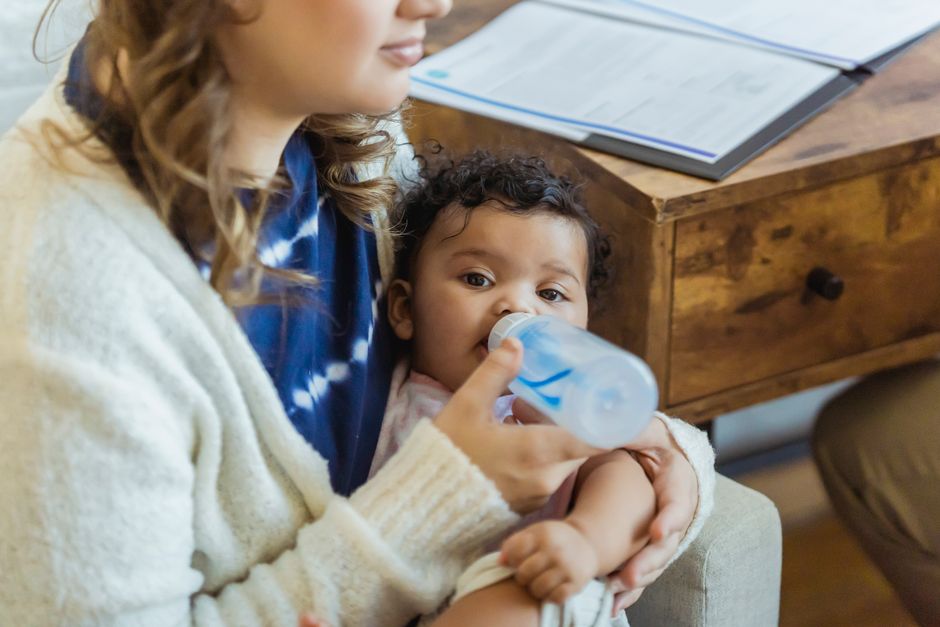
Why “Stretched” Formula Bottles Are So Dangerous:
- Caloric Deprivation: Babies have tiny stomachs (the size of an egg at one month). Filling that small volume with non-nutritive water displaces vital proteins, fats, and carbohydrates, leading to failure to thrive.
- Electrolyte Imbalance: The kidneys expend sodium trying to filter the excess liquid, compounding the risk of systemic mineral crashes.
- False Fullness: A baby feels temporarily full from the water volume, but wakes up 45 minutes later starving, screaming, and irritable due to a lack of genuine caloric energy.
3. “My Baby Has Hiccups or Constipation”: Safe Alternatives vs. Water Traps
Two of the most common reasons parents reach for a bottle of water are persistent newborn hiccups and infant constipation. However, water will not solve either issue and introduces severe medical risks.
The Hiccups Myth
Newborn hiccups are caused by involuntary spasms of an immature diaphragm, often triggered when a baby feeds too quickly or swallows air. Giving water to “wash down” hiccups is an old wives’ tale.
- What to do instead: Simply offer 1–2 minutes of gentle nursing, upright burping, or a pacifier. Sucking relaxes the vagus nerve and soothes diaphragmatic spasms naturally. For optimal burping angles, consult our step-by-step walkthrough on effective baby burping positions for trapped gas.
The Constipation Myth
If your baby is grunting, straining, or passing hard, pellet-like stools, parents often assume dehydration is the cause and offer water. Under six months, bowel regularity depends on the balance of gut flora and milk fats, not plain water. If your baby is struggling with infrequent or painful bowel movements, review our pediatrician-approved breakdown of safe baby constipation remedies and common relief mistakes.
Infant Hiccups / Straining ❌ Offer Water Bottle ➡️ Risk Hyponatremia
Infant Hiccups / Straining ✅ Offer Gentle Burping / Upright Nursing ➡️ Safe Physiological Relief
💡 Pediatric / Mom Tip: If your breastfed or formula-fed baby is struggling with severe gas pains, silent acid reflux, or persistent arching after feeds, do not give water or unregulated teas. Check out our comprehensive guide on hidden signs of infant silent reflux to identify the root cause.
4. The 6-Month Milestone: How to Safely Introduce Water
Once your baby reaches six months of age, their digestive tract and kidneys have matured significantly. At this milestone—coinciding with the introduction of solid foods—water transitions from a hazard into an essential developmental tool.
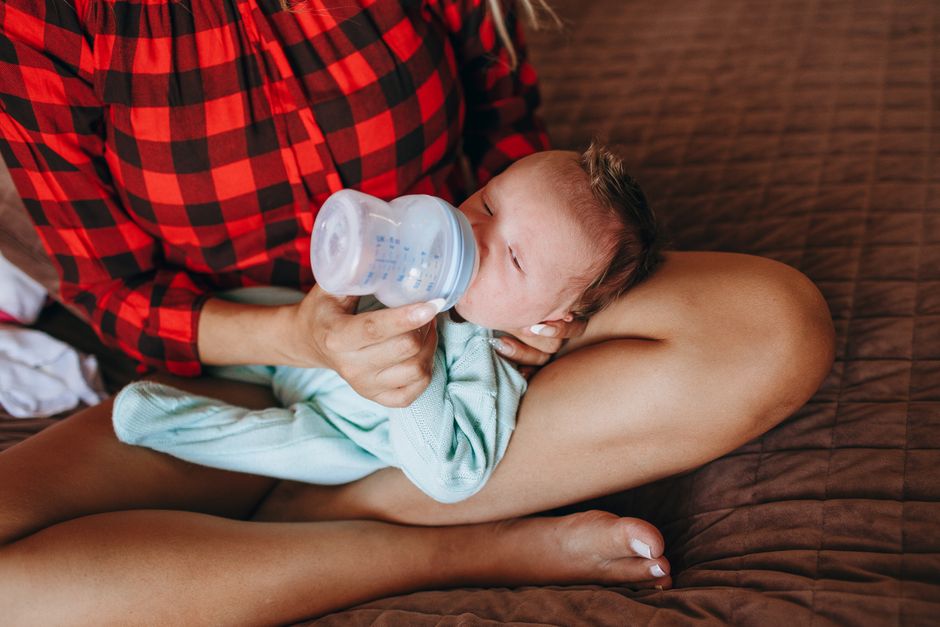
Safe Hydration Guidelines (6 to 12 Months):
- Daily Volume Limit: Offer between 4 to 8 ounces (120–240 ml) of plain water per day across all meals combined.
- Ditch the Baby Bottle for Water: Never offer water in a standard baby bottle. Babies can easily chug several ounces from a bottle nipple without realizing it. Instead, use an open cup or a weighted straw cup. This encourages oral motor development and prevents water from replacing meal calories.
- Offer Sips with Solid Meals: Place 1–2 ounces of water in a small open cup alongside their puree or finger foods. Taking sips between bites aids swallowing, cleanses the palate, and prevents constipation as solid intake increases.
Summary: Infant Water Myths vs. Pediatric Facts
| Common Mistake ❌ | Healthy Alternative ✅ |
|---|---|
| Giving 2–4 oz of water on hot summer days to keep baby cool. | Offer more frequent breastfeeds or formula feeds; milk is 88% water and contains perfect electrolyte balance. |
| Adding extra water to formula powder to stretch the can or soothe an upset stomach. | Mix formula strictly according to manufacturer instructions to prevent severe hyponatremia. |
| Giving water bottles to cure hiccups or hard stools. | Use upright burping, suckling on a pacifier, or consult a pediatrician for tailored digestive support. |
| Offering water in standard bottles at 6 months. | Introduce 4–8 oz daily in open silicone cups or weighted straw cups alongside solid meals. |
| Boiling baby cereals with water before 6 months. | Always mix first purees and cereals with breast milk or formula to retain vital nutrient density. |
The Takeaway: Trust Your Baby’s Natural Milk Hydration
When the summer sun beats down or well-meaning relatives offer outdated advice, remember that mother nature and modern infant formula science already have your baby covered. Every drop of breast milk and properly mixed formula provides the exact equilibrium of sterile water, sodium, potassium, and carbohydrates your baby needs to thrive.
Keep water out of the equation for the first six months, enjoy those peaceful milk feeds, and rest easy knowing your little one’s kidneys and brain are safe, balanced, and perfectly hydrated.
Google AdSense Placeholder
Slot ready for "in-article". Set your AdSense publisher ID in settings when approved.
Frequently Asked Questions by Moms
Why is water dangerous for babies under 6 months old? ▼
An infant's kidneys are immature and cannot filter large volumes of plain water efficiently. Giving plain water dilutes the baby's bloodstream, dangerously dropping blood sodium levels (hyponatremia). This can trigger brain swelling, lethargy, hypothermia, and seizures.
Does my baby need extra water on extremely hot summer days? ▼
No. Both breast milk and properly prepared infant formula are approximately 88% water. Offering more frequent breastfeeds or formula feeds provides 100% of the hydration, electrolytes, and calories your infant needs during heatwaves.
How much water can a baby drink once they turn 6 months old? ▼
Between 6 and 12 months, babies can safely have 4 to 8 ounces of water per day, ideally offered in small sips from an open cup or straw cup during solid food meals. Milk or formula must remain their primary source of nutrition.

Written by Sarah Collins
Doctor-Reviewed & Fact-CheckedMom of Two & Founder of Mommy Tips & Life
Sarah is a mother of two (Liam & Maya) sharing evidence-based parenting guides, infant sleep solutions, and baby safety alerts tested in real family life and vetted against AAP clinical standards.
Google AdSense Placeholder
Slot ready for "footer-banner". Set your AdSense publisher ID in settings when approved.