Baby Not Sitting Up Yet? 5 Subtle Physical Milestone Traps (And Pediatric Physical Therapy Exercises)
Is your 6-to-9-month-old slouching, toppling over, or not sitting unassisted? Discover the neuromuscular stages of sitting, common gear traps, and pediatric PT exercises.
Sarah Collins
Mom of Two & Founder of Mommy Tips & Life
Google AdSense Placeholder
Slot ready for "header-banner". Set your AdSense publisher ID in settings when approved.
🩺 Medical Disclaimer: This guide is for educational purposes and should not replace pediatric or obstetric medical consultation.
🛍️ Affiliate Disclosure: We may earn a small commission when you purchase through our links at no extra cost to you.
It was the afternoon of my daughter Maya’s seven-month well-child visit, and I was scrolling through social media in the waiting room with a knot of pure panic tightening in my throat. Every video on my feed seemed to feature five-month-old babies sitting bolt upright on gorgeous play mats, giggling and playing patty-cake. Meanwhile, every time I placed Maya in a seated position on our living room rug, she immediately slumped into a sad little horseshoe curve, lost her balance within three seconds, and toppled backward like a felled tree.
When the pediatrician asked, “Is she sitting independently yet?” I burst into tears right there in Exam Room 3. I felt like I was failing her physical development. In an effort to “teach her to sit,” I had spent weeks propping her up with nursing pillows, strapping her into molded plastic floor seats, and hovering behind her with outstretched arms, completely terrified of head bonks. I thought I was helping her practice; in reality, I was unknowingly bypassing the exact foundational muscles her nervous system needed.
What completely changed our trajectory was a consultation with a pediatric physical therapist (PT). She explained that sitting is not a posture you practice—it is the natural byproduct of core and rotational strength built on the floor. Once we ditched restrictive seating containers, incorporated side-lying play, focused on overcoming tummy time resistance and building back strength, and used dynamic PT bridging exercises, Maya went from toppling over to rock-solid, hands-free independent sitting in less than three weeks.
1. Propping Baby Up with Pillows Before Core Stability Exists
The most common mistake well-meaning parents make is surrounding a 5-month-old with a fortress of boppy pillows and couch cushions, hoping that “holding the pose” will build sitting stamina.
In pediatric biomechanics, an infant’s spine transitions from a primary fetal C-curve to a strong secondary lordotic curve through active movement, not passive propping. When you prop a baby whose abdominal and paraspinal muscles are not ready:
- Pelvic Collapse: The pelvis tilts backward (posterior tilt), forcing the lumbar spine into excessive flexion.
- Diaphragm Compression: Slumping compresses the ribcage, making deep diaphragmatic breathing harder and increasing fatigue.
- Inhibition of Protective Reflexes: Baby fails to develop the “parachute reflex” (extending hands out to catch themselves during a fall).
Passive Propping ➡️ Posterior Pelvic Slump ➡️ Inactive Core Stabilizers ➡️ Delayed Sitting Balance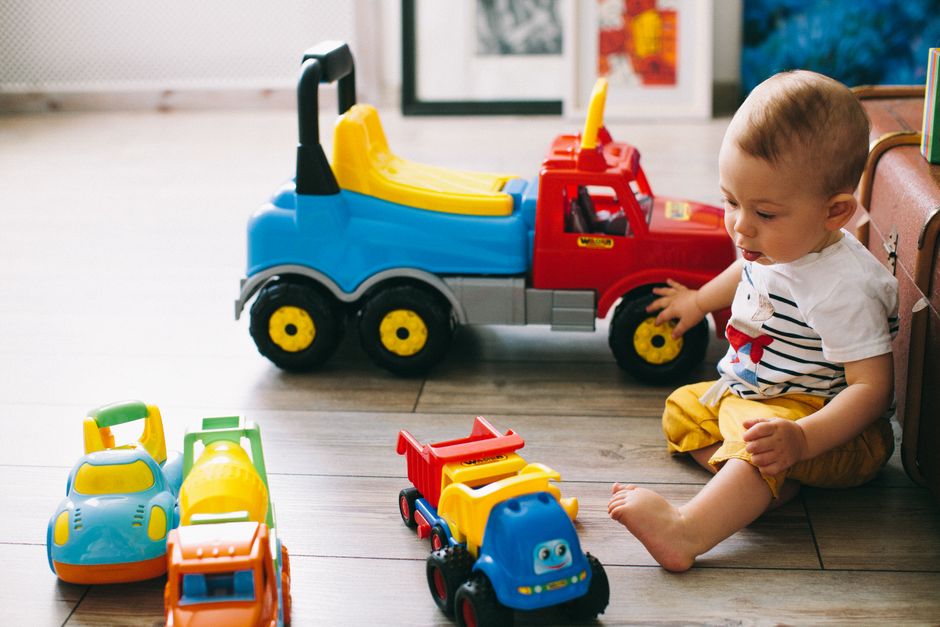
⚠️ Warning Alert: If your baby’s back forms a rounded “C” shape when seated and their chin touches their chest, their core is not yet strong enough for vertical sitting. Return to horizontal floor play immediately to protect their developing spine.
2. Relying on Molded Foam Floor Seats and Bouncers (The Container Trap)
When baby gear companies market foam floor chairs as “developmental seats that teach baby to sit,” parents naturally add them to their registries.
However, pediatric physical therapists widely caution against these seats. When an infant is placed in a molded chair:
- The Pelvis Is Artificially Locked: The snug foam holds the hips in place, preventing the micro-adjustments and weight shifts necessary for balance.
- Core Muscles Turn Off: Because the chair provides 100% external lateral support, the oblique and transversus abdominis muscles do zero work.
- Container Baby Syndrome: Excessive time spent in bouncers, swings, and seats leads to tight hip flexors and delayed gross motor milestones. Learn how to spot and reverse this in our guide on container baby syndrome symptoms and prevention.
3. Skipping Rotational Trunk Movement and Rolling
Many parents assume sitting is purely a vertical skill. In reality, an infant learns to sit by rotating their trunk across the midline.
Before a baby can stabilize their torso upright, they must master:
- Side-Lying Equilibrium: Balancing on their hip and elbow while reaching for a toy with their top hand.
- Segmental Rolling: Rolling smoothly from back to belly and belly to back with trunk dissociation. If your baby is struggling with this stage, review our clinical breakdown on baby rolling over milestone delays and exercises.
- The Tripod Transition: Pushing up from tummy time onto hands and knees to naturally push their bottom back into a seated position.
4. 4 Pediatric PT Exercises to Build Rock-Solid Sitting Strength
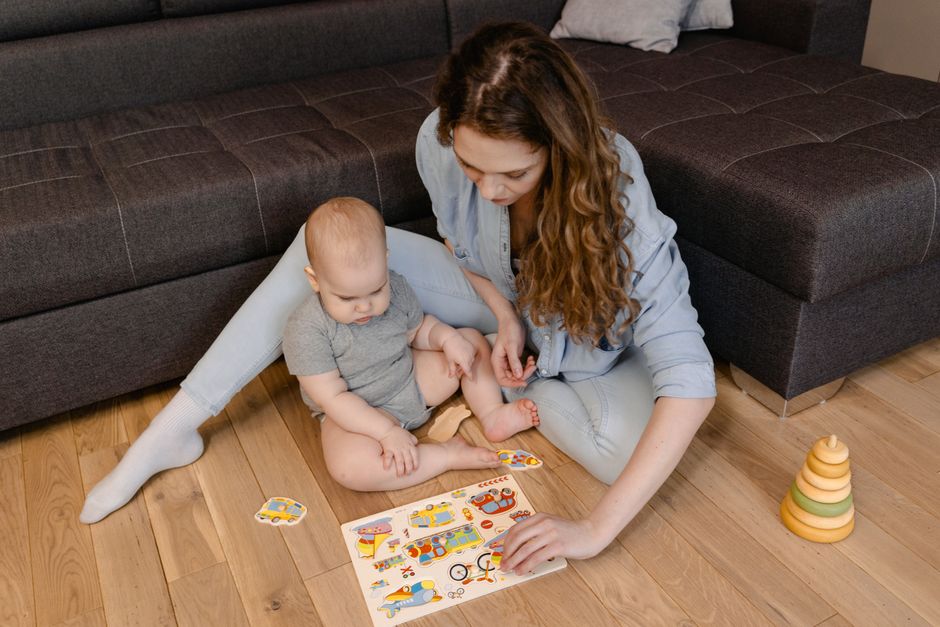
Instead of passive propping, use these evidence-based pediatric physical therapy exercises for 10 minutes a day:
1. The Ring-Sitting Lap Play
Sit on the floor with your legs spread in a “V” shape. Place baby between your thighs, facing outward. Support them lightly at their hips (pelvis), NOT their chest or armpits. This forces their upper core to engage while giving their hips a secure boundary.
2. Straddle-Sitting on Parent’s Thigh
Sit your baby straddling one of your thighs, feet resting flat on the floor. Slowly tilt your thigh slightly side to side. Watch as their torso automatically tilts in the opposite direction (the lateral righting reaction)—the single most important reflex for independent sitting.
3. Elevated Reach Floor Play
During tummy time or tripod sitting, place enticing toys on an elevated surface like a 2-inch couch cushion or low wooden step. Reaching upward forces the extensor muscles of the thoracic spine to activate.
4. Transition to Crawling Preparation
Sitting and crawling develop symbiotically. As your baby develops core stability, they will begin rocking on hands and knees. Track their progression with our step-by-step tutorial on baby crawling milestone delays and motor exercises.
💡 Pediatric / Mom Tip: Always practice floor exercises on a firm foam play mat or low-pile rug rather than a soft memory foam mattress. Soft surfaces absorb balance reactions and make stabilizing core muscles much harder for an infant.
5. When to Seek an Evaluation: True Red Flags vs. Normal Variations
Every baby develops at their own unique pace. Some babies focus on vocal babbling first, while others are gross-motor powerhouses.
However, pediatric physical therapists recommend a clinical consultation if you observe any of the following by 9 months of age:
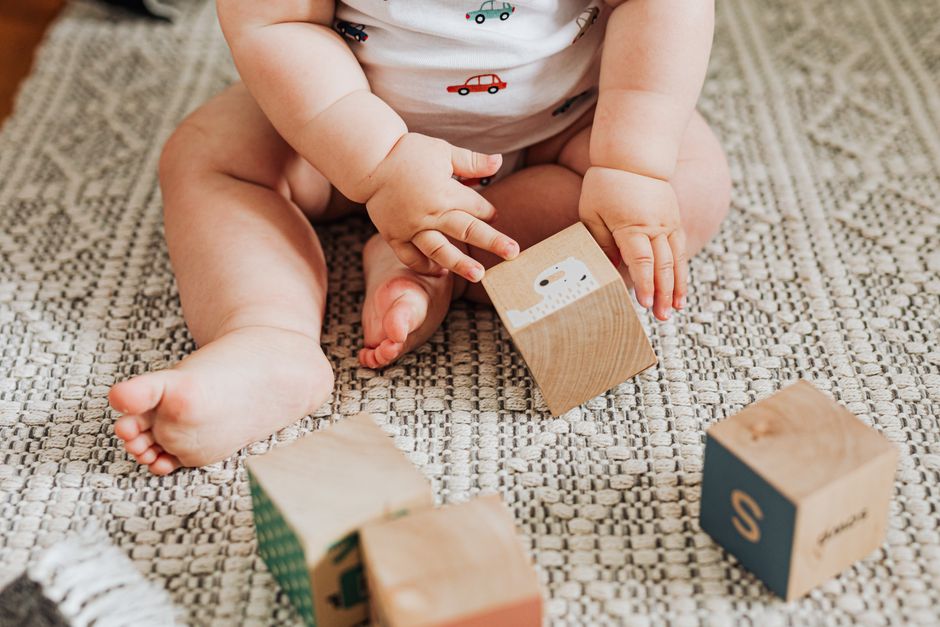
Pediatric PT Red Flags at 9 Months:
- Inability to sit even momentarily without falling over.
- Severe stiffness (hyperextension) where baby’s legs cross like scissors when held upright.
- Severe floppiness (hypotonia) where baby feels like a “rag doll” when lifted under the arms.
- Strong asymmetry (always leaning exclusively to one side or only using one hand to brace).
- Lack of head control when pulled to sit from lying on their back.
Summary: Sitting Milestone Traps vs. PT-Approved Solutions
| Common Mistake ❌ | Healthy Alternative ✅ |
|---|---|
| Propping with boppy pillows for 30 minutes a day. | Engage in dynamic floor play: side-lying reaches, tummy time pushes, and lap ring sitting. |
| Using molded foam floor seats to “train” upright sitting. | Ditch rigid containers and let baby experience natural gravity and weight shifts on a firm mat. |
| Hovering nervously and catching baby before any slight sway. | Allow controlled wobbles on a cushioned mat so the nervous system discovers its balance limits. |
| Focusing solely on vertical sitting while ignoring rolling. | Practice trunk rotation: reaching across the midline and rolling from back to belly. |
| Holding baby by the armpits/chest during sitting practice. | Support only at the hip bones (pelvis) to force the torso and spine to do the balancing work. |
The Takeaway: Trust the Natural Floor Progression
Watching your baby reach gross motor milestones can feel like a high-stakes race, especially in an era of constant social comparison.
Take a deep breath and remind yourself: babies have been learning to sit for hundreds of thousands of years without fancy plastic gear or rigid schedules. Give your baby unlimited free floor time, celebrate every little wobble and roll, and trust their miraculous nervous system to find its balance in its own perfect time.
Google AdSense Placeholder
Slot ready for "in-article". Set your AdSense publisher ID in settings when approved.
Frequently Asked Questions by Moms
At what age should a baby sit up completely unassisted? ▼
Most infants achieve 'tripod sitting' (propping forward on hands) between 5.5 and 7 months, and full independent sitting with hands free to play between 7 and 9 months. If a baby cannot sit with support by 9 months, a pediatric evaluation is recommended.
Why does my baby fall backward or slouch when placed in a seated position? ▼
Slouching (a rounded C-curve spine) and falling backward indicate that the core trunk stabilizers, pelvic tilt control, and protective extension reflexes have not fully matured yet. Forcing upright sitting before core strength develops can strain spinal ligaments.
Do foam floor seats help babies learn to sit faster? ▼
No. Pediatric physical therapists warn that static molded floor seats lock the pelvis into an unnatural posterior tilt, bypassing the deep core and balance reactions required for genuine independent sitting.

Written by Sarah Collins
Doctor-Reviewed & Fact-CheckedMom of Two & Founder of Mommy Tips & Life
Sarah is a mother of two (Liam & Maya) sharing evidence-based parenting guides, infant sleep solutions, and baby safety alerts tested in real family life and vetted against AAP clinical standards.
Google AdSense Placeholder
Slot ready for "footer-banner". Set your AdSense publisher ID in settings when approved.