Secondary Drowning in Babies & Toddlers: 6 Subtle Warning Signs Every Parent Must Know
Can a child drown hours after leaving the bath or swimming pool? Understand the critical medical difference between dry drowning, delayed pulmonary edema, and emergency red flags.
Sarah Collins
Mom of Two & Founder of Mommy Tips & Life
Google AdSense Placeholder
Slot ready for "header-banner". Set your AdSense publisher ID in settings when approved.
🩺 Medical Disclaimer: This guide is for educational purposes and should not replace pediatric or obstetric medical consultation.
🛍️ Affiliate Disclosure: We may earn a small commission when you purchase through our links at no extra cost to you.
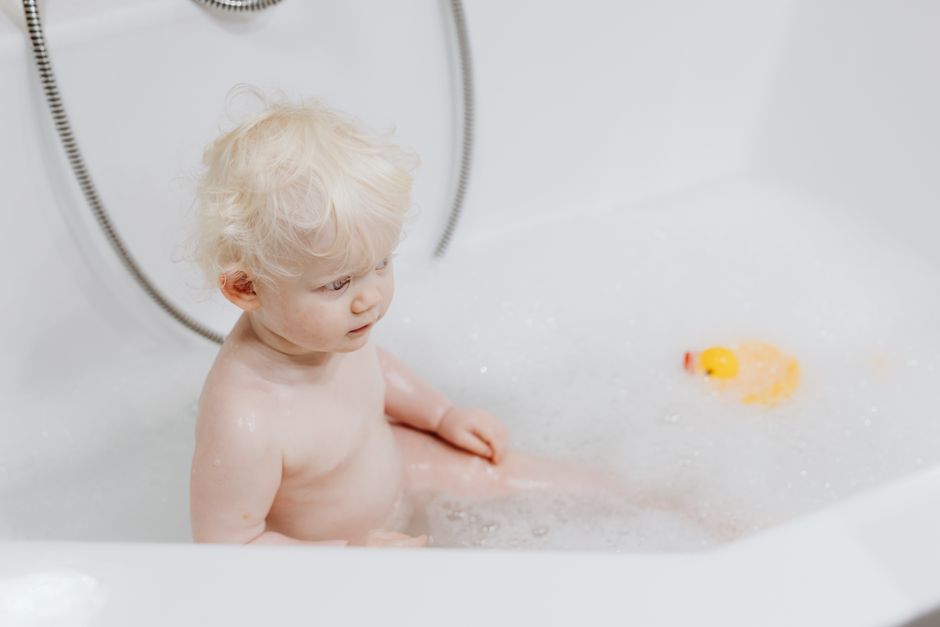
It was a warm Saturday evening when my fourteen-month-old son, Liam, was splashing happily in our bathtub. I was sitting right beside him on the bathroom rug. In a split second, he reached for a floating toy, lost his balance, and his face slipped beneath the water for no more than two seconds. I yanked him out instantly. He sputtered, coughed for about twenty seconds, cried in my arms for a minute, and then seemed totally fine.
I wrapped him in a warm towel, fed him dinner, and put him down to bed thinking the scare was over. But at 10:30 PM, I went into his room to check on him. His breathing sounded strangely rapid and raspy, his chest was heaving with visible effort, and when I tried to wake him, he was limp and abnormally difficult to rouse.
At the Emergency Room, our pediatrician explained that even a tiny amount of inhaled bathwater had washed away the protective surfactant lining his lungs, triggering the early stages of delayed pulmonary edema. That night permanently changed how I view water safety.
The Upfront Breakthrough Summary: While medically termed delayed submersion injury or non-fatal drowning complications, secondary drowning is 100% treatable when caught early. By implementing the 24-Hour Post-Submersion Observation Protocol—actively monitoring respiratory effort (counting breaths per minute), tracking neurological responsiveness (hypoxia-driven lethargy), and seeking immediate emergency medical evaluation if coughing persists past 15 minutes—parents can prevent fatal respiratory compromise.
The Pathophysiology: What Actually Happens to the Lungs?
To protect your child, you must look past the confusing media buzzwords like “dry drowning” and understand the physiological mechanics of water aspiration.
       ┌────────────────────────────────────────────────────────┐
       │         THE POST-SUBMERSION PULMONARY CASCADE          │
       ├──────────────────────────┬─────────────────────────────┤
       │ Water Inhaled into Lungs │ Surfactant Destruction      │
       │ (Even 1–2 teaspoons)     │ (Alveoli lose surface tension)│
       ├──────────────────────────┼─────────────────────────────┤
       │ Alveolar collapse (atelectasis)                         │
       │                          │                             │
       │ ➔ Inflammatory edema leaks fluid into air sacs         │
       │ ➔ Oxygen cannot cross into bloodstream (Hypoxia)       │
       │ ➔ Child exhibits delayed respiratory distress          │
       └──────────────────────────┴─────────────────────────────┘
When an infant or toddler gasps under water, fluid bypasses the epiglottis and enters the lower bronchial tree. The lungs produce a vital chemical called surfactant, which keeps the microscopic air sacs (alveoli) open like inflated balloons.
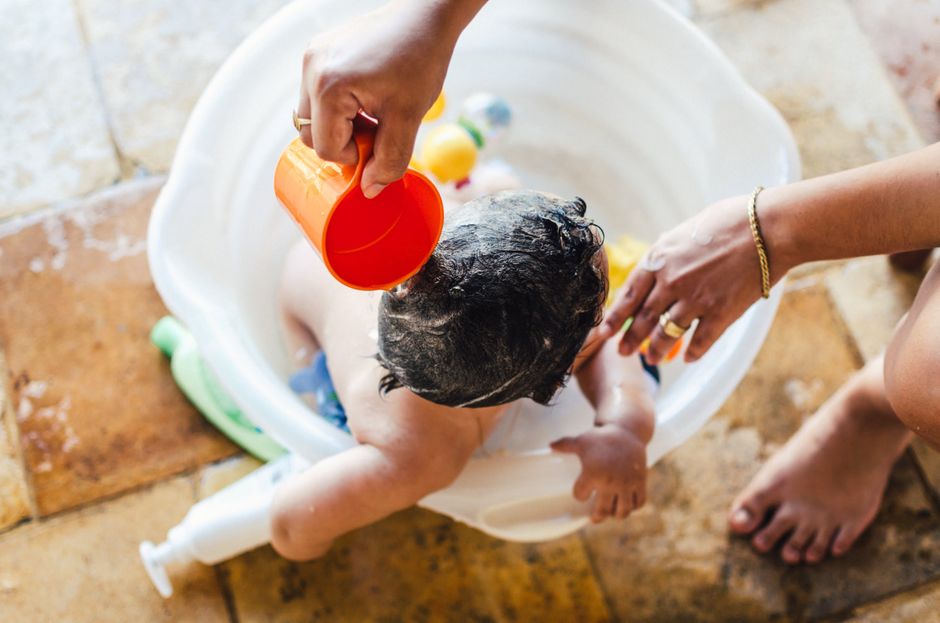
When bath or pool water washes away that surfactant, the alveoli collapse. Over the next 2 to 24 hours, the lung tissue becomes inflamed, leaking plasma fluid into the air pockets. The child literally struggles to exchange oxygen on dry land, hours after leaving the water.
To avoid dangerous water scenarios, explore our essential guidelines on baby bath safety hazards and rookie mistakes and understand the hidden recall risks of baby bath seats and CPSC warnings.
1. Persistent, Incessant Coughing
It is normal for a child to cough for 30 to 60 seconds immediately following a brief submersion as their airway clears.
However, if your child continues to cough repeatedly 15, 30, or 60 minutes after leaving the water, this is an urgent clinical red flag. This persistent, spasmodic cough indicates that foreign fluid is irritating the lower bronchi and triggering inflammatory bronchospasms.
   ❌ DANGEROUS ASSUMPTION              ✅ CLINICAL REALITY

   "He coughed a bit, but he's         "Persistent coughing past 15 min
    drinking milk, so he's fine."       means water entered the lungs.
              \                                      |
      [Delayed Fluid Accumulation]            [Seek Medical Evaluation]
              |                                      |
     [Severe Nighttime Hypoxia]               [Oxygen & Monitoring Restores Lungs]
2. Rapid, Labored Breathing & Chest Retractions
The most reliable physical sign of delayed pulmonary injury is increased work of breathing. When oxygen levels drop, the brain commands the diaphragm and intercostal muscles to work overtime.
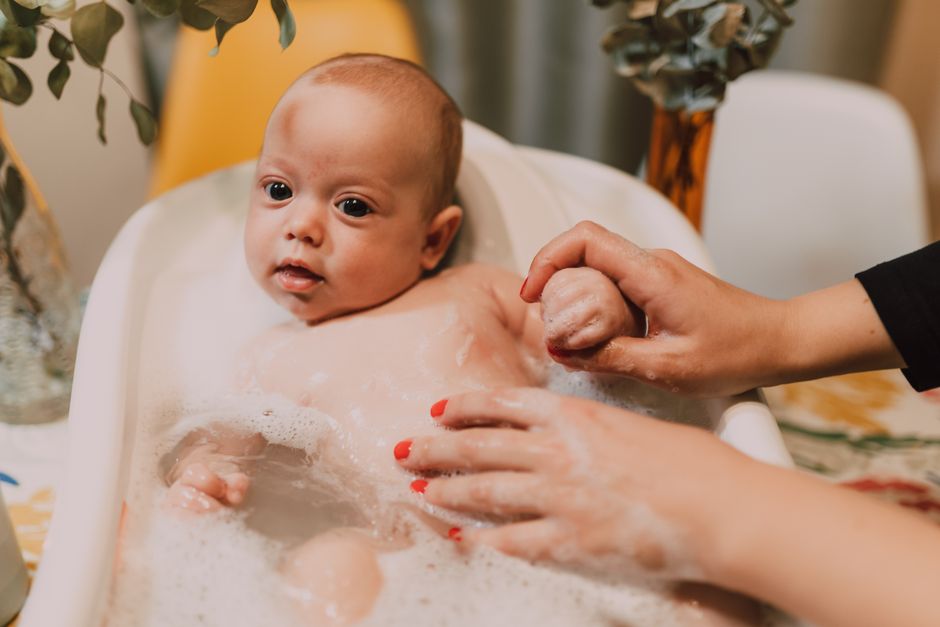
How to Check Your Child’s Breathing:
- Count the Breaths (Full 60 Seconds):
- Infants (0–12 months): Normal is 30–50 breaths per minute. Over 60 is dangerous.
- Toddlers (1–3 years): Normal is 24–40 breaths per minute. Over 45 at rest indicates respiratory distress.
- Look for Subcostal Retractions: Lift your child’s shirt. Are the muscles beneath their ribs or at the base of their neck sucking inward deeply with each breath?
- Listen for Grunting or Stridor: A rhythmic grunt on each exhalation is an infant’s automatic attempt to maintain positive end-expiratory pressure in collapsing lungs.
3. Abnormal Lethargy, Limpness & Brain Fog
Parents often confuse post-submersion lethargy with normal fatigue from playing in the bath or swimming pool.
| Normal Pool Fatigue 😴 | Hypoxic Lethargy (Emergency) 🚨 |
| :--- | :--- |
| Child is tired but easily wakes when spoken to | Child is limp, glassy-eyed, or difficult to rouse |
| Will happily accept a snack, milk, or water | Refuses all fluids, cannot maintain head control |
| Breathing is calm, slow, and rhythmic in sleep | Breathing is shallow, rapid, with flaring nostrils |
| Skin is warm and rosy | Skin is pale, mottled, or lips appear dusky gray/blue |
| Wakes up fully alert after a 45-minute nap | Cannot stay awake even when lifted or stimulated |
When fluid fills the alveoli, arterial blood oxygen levels plummet (hypoxemia). The brain is exquisitely sensitive to oxygen deprivation. An infant or toddler suffering from delayed drowning will appear disoriented, unnaturally quiet, limp in your arms, or unable to make clear eye contact.
⚠️ Warning Alert: Never put a child straight to bed immediately after a scary submersion incident if they appear drowsy. Keep them upright and awake for at least 60 to 90 minutes to accurately evaluate their neurological and respiratory baseline.
4. Unexplained Vomiting and Gastric Irritability
Vomiting hours after water exposure is a critical, frequently missed warning sign of systemic distress.

Why Water Aspiration Causes Vomiting:
- Diaphragmatic Strain: Violent coughing fits strain the abdominal wall, forcing gastric emptying.
- Systemic Hypoxia: When the brainstem detects falling oxygen concentrations and respiratory acidosis, the chemoreceptor trigger zone activates, inducing nausea and emesis.
- Swallowed Water & Air: Large quantities of swallowed pool chemicals or soapy bath water irritate the stomach lining.
If your baby had a water scare and vomits two hours later alongside rapid breathing, do not assume it is simple motion sickness or indigestion—head straight to the nearest pediatric ER.
5. Subtle Changes in Skin Color & Cyanosis
Cyanosis is a late-stage sign of respiratory failure.
Look closely at your child’s:
- Perioral Area: A bluish or gray shadow around the lips and chin.
- Nailbeds and Palms: Dusky purple or pale mottled discoloration.
- Mucous Membranes: Inspect the inside of their lower lip and tongue; if they appear pale or slate-gray rather than bright pink, oxygen saturation is dangerously compromised.
For other critical household emergencies requiring rapid action, review our emergency guides on what to do if your baby falls off the bed and button battery ingestion symptoms.
The 24-Hour Post-Submersion Protocol for Parents
If your child went under water, choked, or swallowed water, follow this strict protocol:
HOUR 0: THE IMMEDIATE RESCUE & CLEAR
└── Remove child from water immediately.
└── Keep child upright, allow natural coughing (never pound back horizontally).
└── Dry thoroughly and change out of wet clothes to prevent hypothermia.

HOURS 1–6: THE CRITICAL OBSERVATION WINDOW
└── Keep child awake and monitored for at least 90 minutes.
└── Count resting respiratory rate every 30 minutes.
└── Check skin color, vocal vigor, and responsiveness.

HOURS 6–24: OVERNIGHT MONITORING
└── Sleep in the same room or use a high-definition monitor.
└── Visually check breathing effort at 2-hour intervals.
└── If coughing, fever, or rapid breathing develops, go to the ER immediately.
💡 Pediatric / Mom Tip: When you arrive at the emergency department, clearly state: “My child had a submersion/water choking event [X] hours ago and is now exhibiting increased work of breathing and lethargy.” This immediately alerts the triage nurse to prioritize a pulse oximetry reading and chest X-ray over routine non-urgent cases.
Summary Checklist for Parents
- Watched child 100% touch-supervision during every bath.
- Counted breaths per minute if water choking occurred.
- Kept child awake for observation after any submersion scare.
- Checked for subcostal chest retractions and nasal flaring.
- Transported immediately to ER at the first sign of persistent coughing or lethargy.
Google AdSense Placeholder
Slot ready for "in-article". Set your AdSense publisher ID in settings when approved.
Frequently Asked Questions by Moms
What is the difference between dry drowning and secondary drowning? ▼
In dry drowning, water never reaches the lungs; instead, water contacting the vocal cords triggers a severe laryngospasm (airway spasm) that prevents air intake. In secondary drowning (delayed submersion injury), small amounts of aspirated water enter the alveoli, washing out surfactant and causing delayed pulmonary edema (fluid buildup in lungs) hours later.
How long after swimming or a bath can secondary drowning symptoms appear? ▼
Symptoms of delayed pulmonary edema and secondary drowning typically emerge between 1 and 24 hours after a water submersion or choking incident, with the most critical diagnostic window occurring during the first 6 hours.
What are the most common early warning signs of secondary drowning in toddlers? ▼
The earliest clinical signs include persistent coughing that doesn't resolve after 15 minutes, rapid or shallow breathing, extreme lethargy or unusual sleepiness, irritability (hypoxia), and vomiting.
Can secondary drowning happen from a simple bathtub splash? ▼
Secondary drowning requires actual aspiration (inhalation) of water into the respiratory tract, not merely swallowing bath water or getting splashed in the face. However, any submersion where a child gasps, sputters, or coughs under water requires close 24-hour monitoring.

Written by Sarah Collins
Doctor-Reviewed & Fact-CheckedMom of Two & Founder of Mommy Tips & Life
Sarah is a mother of two (Liam & Maya) sharing evidence-based parenting guides, infant sleep solutions, and baby safety alerts tested in real family life and vetted against AAP clinical standards.
Google AdSense Placeholder
Slot ready for "footer-banner". Set your AdSense publisher ID in settings when approved.