Why Mesh Baby Food Feeders Are a Registry Regret: 5 Reasons Parents Ditch Them (And What to Use Instead)
Mesh fruit pacifiers seem like the ultimate mess-free baby weaning gadget, but pediatric feeding therapists and parents warn they harbor mold, delay chewing, and ruin mealtime. Here is what to use instead.
Sarah Collins
Mom of Two & Founder of Mommy Tips & Life
Google AdSense Placeholder
Slot ready for "header-banner". Set your AdSense publisher ID in settings when approved.
🩺 Medical Disclaimer: This guide is for educational purposes and should not replace pediatric or obstetric medical consultation.
🛍️ Affiliate Disclosure: We may earn a small commission when you purchase through our links at no extra cost to you.
When I was pregnant with my first son, every “Must-Have Baby Registry” checklist on social media featured the classic mesh fresh food feeder. It looked like a brilliant parenting hack: a pacifier-shaped nylon mesh pouch where you insert chunks of fresh fruit or frozen berries so your six-month-old can safely gnaw without any choking risk. I happily registered for a two-pack in bright neon colors.
The illusion lasted exactly one feeding.
I put half a banana and a couple of fresh strawberries into the mesh pouch and handed it to my son in his high chair. Within three minutes, a sticky, brown, pulpy sludge was running down his forearms, dripping into his lap, and soaking his sleeves. But the real nightmare began at the kitchen sink: no matter how much I scrubbed with dish soap, toothbrushes, and bottle brushes, tiny strawberry seeds and blackened banana fibers remained permanently embedded in the nylon mesh weave. Two days later, I found black mold specks growing in the plastic hinge.
I tossed both mesh feeders directly into the trash.
Here is why pediatric feeding therapists, speech-language pathologists (SLPs), and experienced parents recommend skipping mesh feeders entirely, and the safer, cleaner alternatives that actually build healthy oral-motor chewing skills.
1. Reason #1: The Impossible Cleaning Nightmare (Bacterial Biofilm & Mold)
The fundamental design flaw of mesh feeders is the material itself: woven nylon mesh webbing.

Why Boiling and Dishwashers Fail
When an infant gums down on a mesh bag filled with fruit, high-pressure saliva and jaw force press pulverized fruit pulp, sugars, and microscopic seeds deep into the intersecting cross-threads of the fabric.
[ Baby Gums Fruit in Mesh Pouch ] ➔ Saliva & Pulp Pressed into Interlocking Nylon Fibers
                                    ⬇
    [ Fruit Fibers & Seeds Trap Under Plastic Screw Rim ]
                                    ⬇
    [ Moisture Trapped in Fabric ➔ Bacterial Biofilm & Mold Colonies Form ] ⚠️
Even after running the feeder through a high-heat sanitize cycle in the dishwasher, water tension traps moisture in the mesh seams and under the plastic locking rim. Within 48 hours, invisible bacterial colonies and mildew begin colonizing the netting that goes directly into your baby’s mouth.
If you love evaluating baby registry items for hidden hygiene and safety flaws, check our comprehensive review of other baby registry items parents regret buying.
2. Reason #2: The Chewing Delay Trap (Sucking vs. Mastication)
The most significant developmental drawback of mesh feeders is how they alter infant oral-motor mechanics.
How Mesh Feeders Confuse Oral Reflexes
Starting around 6 months of age, babies need to transition from primitive infantile suckling (forward-and-back tongue movement) to rotary chewing (lateral tongue movement that pushes food between the gums to be mashed).
- What Mesh Feeders Do: They reward the baby for sucking and biting down in a single vertical motion to squeeze juice through holes—reinforcing an infant bottle/pacifier pattern.
- What Real Food Does: When a baby gums a real soft stick of steamed broccoli or sweet potato, their tongue must move side-to-side to manage the texture, strengthening the tongue, jaw, and cheek muscles essential for clear speech development.
💡 Pediatric / Mom Tip: Feeding therapists recommend resistive whole foods (like a clean, peeled large mango pit or the hard core of a pineapple) for oral-motor mapping. Because the baby cannot bite off a chunk, they explore the boundary of their mouth safely without relying on a bag.
For a complete guide to safe real-food transitions, read our essential breakdown on baby-led weaning mistakes and how to distinguish normal gagging from choking.
3. Reason #3: The Sticky, Uncontained Juice Mess
Marketers advertise mesh feeders as “mess-free feeding.” In reality, they create one of the stickiest, most frustrating messes in infant dining.

The “Sludge Drip” Factor
Because the nylon mesh does not hold liquid, the moment fruit warms to room temperature, the feeder acts like an open colander. Sticky, concentrated fructose juice runs down the handle, covers the baby’s hands, soaks into their clothing, and pools on the high chair tray.
If your baby is struggling with messy high chair mechanics and poor seating alignment, ensure you review our ergonomic posture guide on high chair footrests and baby mealtime posture mistakes.
4. Reason #4: Pure Sugar Water Extraction (Missing Out on Healthy Dietary Fiber)
When a baby gnaws on an apple or pear chunk inside a mesh bag, what are they actually consuming?
Juice Extraction vs. Whole Nutrition
The fine mesh netting acts like an inefficient juicer. The baby extracts the free sugars and liquid juice while leaving the beneficial prebiotic dietary fiber, skin nutrients, and solid pulp trapped inside the bag.
Consuming extracted fruit juice without the accompanying fiber matrix causes rapid blood glucose spikes and deprives the infant’s developing gut microbiome of valuable prebiotic plant fibers needed for healthy digestion and regular bowel movements.
5. Summary Comparison: Mesh Feeders vs. Silicone Feeders vs. Whole Finger Foods
| Feature | Mesh Food Feeder ❌ | Silicone Feeder ⚠️ | Whole Finger Foods (BLW) ✅ |
|---|---|---|---|
| Hygiene & Cleaning | Extremely difficult; harbors mold and seeds | Easy; non-porous and dishwasher safe | Zero gadgets to clean; wash normal plates |
| Oral-Motor Development | Sucking only; inhibits tongue lateralization | Sucking/gumming; limited chewing mapping | Builds true rotary chewing and jaw strength |
| Teething Relief | Good with frozen milk, but gets filthy | Excellent for frozen breast milk cubes | Great with chilled cucumber or mango pits |
| Nutritional Delivery | Strained sugary juice; traps dietary fiber | Puree texture pushed through holes | Delivers full fiber, vitamins, and texture |
| Long-Term Utility | Discarded within 2–4 weeks out of frustration | Useful for 2–3 months during teething | Lifelong independent self-feeding skills |
What to Use Instead: Safe & Healthy Alternatives
If you want to provide soothing teething relief or introduce bold flavors without the mesh feeder nightmare, use these pediatrician-approved alternatives:
1. 100% Medical-Grade Silicone Teething Feeders (For Teething Only)
If you want to soothe inflamed teething gums, choose a 1-piece food-grade silicone feeder with large, easy-to-rinse holes. Fill it with:
- Frozen breast milk or formula cubes.
- Chilled pureed berries or avocado. Silicone is non-porous, naturally antibacterial, and can be sterilized in boiling water in seconds.
2. Resistive Teether Foods (For Oral Mapping)
Provide large, unbreakable whole foods that an infant can explore without biting off chunks:
- A large peeled mango pit.
- A thick beef brisket bone (no loose gristle).
- A whole chilled celery stalk.
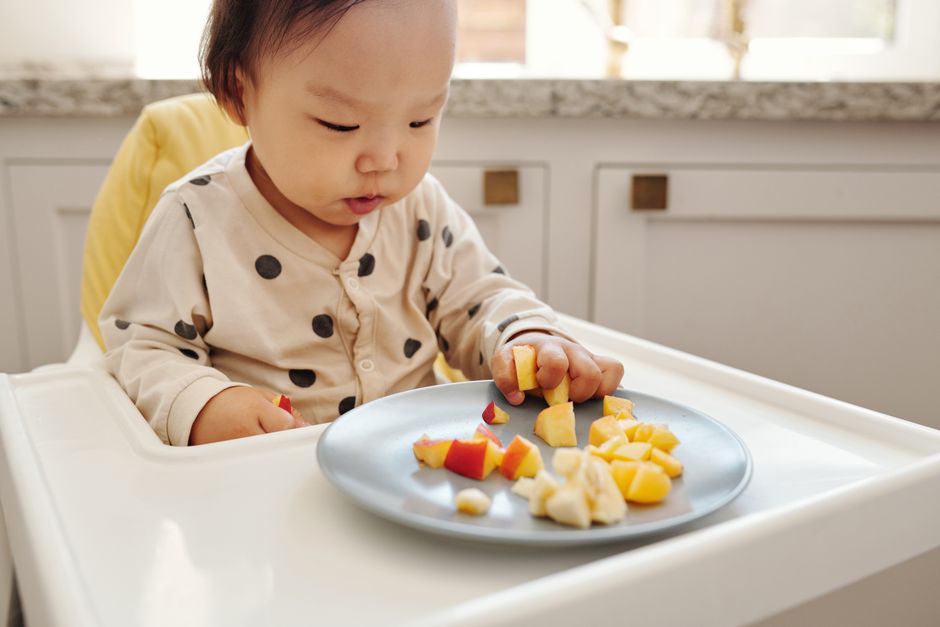
3. Soft Finger Foods (Baby-Led Weaning)
Offer soft, graspable spears of real whole foods that pass the “Squish Test” (food that easily mashes between your thumb and index finger):
- Steamed zucchini or sweet potato batons.
- Ripe avocado rolled in crushed flax or hemp seeds for grip.
- Steamed broccoli florets (the stalk serves as a natural handle!).
⚠️ Warning Alert: If you prepare homemade infant purees or steamed finger foods, avoid purchasing overpriced single-purpose gadget processors. Read our breakdown on why baby food maker processors are an unnecessary gear regret.
Ditching single-use baby gadgets in favor of simple, whole-food self-feeding saves you money, cuts cleaning time in half, and sets your child on the path to confident, adventurous eating. Keep it simple, mama!
Google AdSense Placeholder
Slot ready for "in-article". Set your AdSense publisher ID in settings when approved.
Frequently Asked Questions by Moms
Why do pediatric feeding therapists dislike mesh baby food feeders? ▼
Mesh feeders encourage continuous sucking rather than true lateral tongue chewing, jaw mapping, and rotary mastication. Because the baby only extracts strained juice and mush through the netting, they do not learn how to handle real solid food textures or manipulate a bolus safely.
How do you clean mesh baby food feeders properly? ▼
Mesh feeders are notoriously difficult to clean because microscopic fruit fibers, seeds (from strawberries, bananas, or blueberries), and pulp get permanently wedged inside the woven nylon fibers and plastic screw threads, creating a breeding ground for bacterial biofilm and mold even after boiling or dishwasher cycles.
Are silicone baby food feeders better than mesh feeders? ▼
Yes. Food-grade silicone feeders are non-porous, dishwasher safe, boil-safe, and do not trap food particles in fabric fibers. However, both mesh and silicone feeders should only be used as occasional soothing teething tools (with frozen breast milk or fruit) rather than primary mealtime feeding devices.
What should I introduce to my baby instead of a mesh feeder for solid foods? ▼
Offer soft, age-appropriate whole foods prepared using baby-led weaning guidelines—such as steamed carrot sticks, avocado spears, soft banana rolled in hemp seeds, or resistive whole food teethers like a mango pit or celery rib under supervision.

Written by Sarah Collins
Doctor-Reviewed & Fact-CheckedMom of Two & Founder of Mommy Tips & Life
Sarah is a mother of two (Liam & Maya) sharing evidence-based parenting guides, infant sleep solutions, and baby safety alerts tested in real family life and vetted against AAP clinical standards.
Google AdSense Placeholder
Slot ready for "footer-banner". Set your AdSense publisher ID in settings when approved.