Why You Shouldn't Buy a Specialized Baby Food Maker (5 Big Regrets and What to Use Instead)
Thinking about putting a $150 baby food maker machine on your registry? Discover the 5 hidden regrets, mold traps, short lifespan, and smart kitchen alternatives.
Sarah Collins
Mom of Two & Founder of Mommy Tips & Life
Google AdSense Placeholder
Slot ready for "header-banner". Set your AdSense publisher ID in settings when approved.
🩺 Medical Disclaimer: This guide is for educational purposes and should not replace pediatric or obstetric medical consultation.
🛍️ Affiliate Disclosure: We may earn a small commission when you purchase through our links at no extra cost to you.
When I was pregnant with my first baby, I spent hours curating the “perfect” baby registry. Right at the top of my wishlist was an aesthetically pleasing, pastel-mint $160 all-in-one baby food maker machine that promised to steam, blend, warm, and defrost organic purees with the push of a single button. I envisioned idyllic afternoons effortlessly whipping up gourmet artisanal sweet potato purees.
In reality, that machine became one of the biggest purchasing regrets of my entire motherhood journey.
Using it was an absolute nightmare. The tiny plastic blending bowl only held enough food for two small meals, meaning I had to run four separate cycles just to prepare a few days of food. The food repeatedly got scorched or puréed unevenly. Worse, washing its seven tiny plastic parts, silicone gaskets, and sharp mini-blades took longer than cooking a family dinner.
The final straw came eight weeks into using it: when I inspected the internal steam water tank with a flashlight, I discovered black, slimy mold flourishing in the enclosed plastic crevices. I immediately threw the $160 gadget straight into the trash.
The Quick Breakthrough Summary: Specialized baby food makers are heavily marketed single-use appliances with a 3-month functional lifespan, severe internal reservoir mold traps, and tiny batch limits. Instead of wasting $150+ on a gadget you will box up by month nine, use a $10 stainless steel pot steamer basket paired with a $30 stainless steel immersion stick blender and silicone freezer portion trays. It makes 10x larger batches in half the time, is 100% dishwasher safe, and stays useful in your kitchen for a decade.
Here is the candid breakdown of the 5 big regrets parents experience with baby food makers, the hygiene risks, and the smart, versatile alternatives that save time and money.
1. The 5 Big Regrets That Make Parents Despise Baby Food Makers
Before adding an expensive single-purpose baby appliance to your registry, consider these practical realities.
Regret #1: The Fleeting 8-Week Lifespan
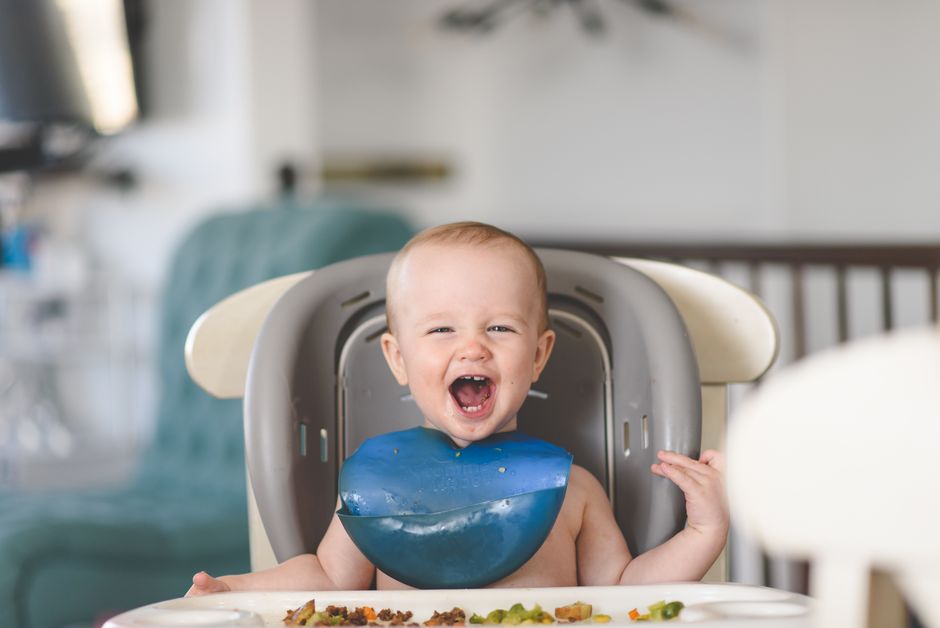
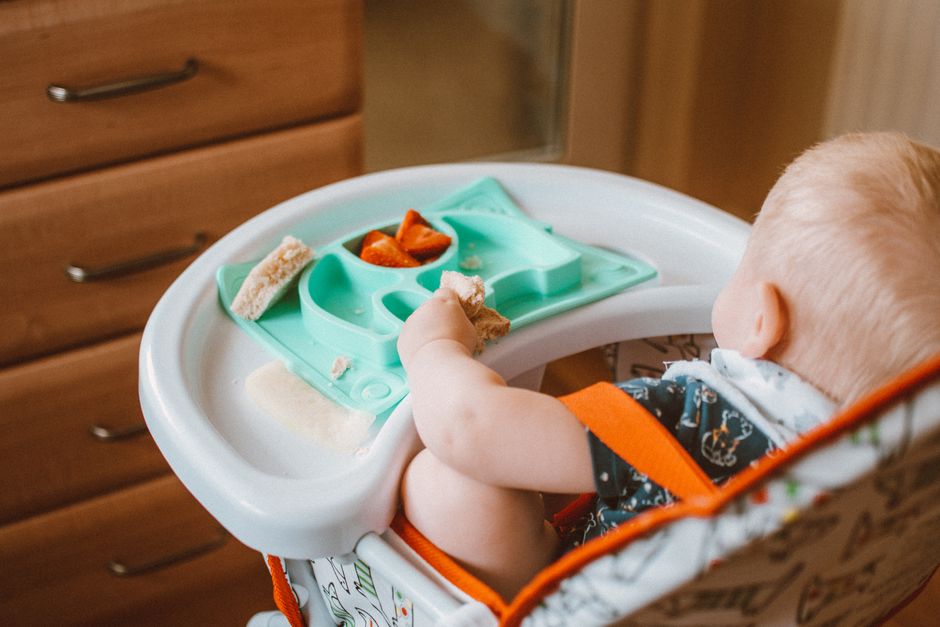
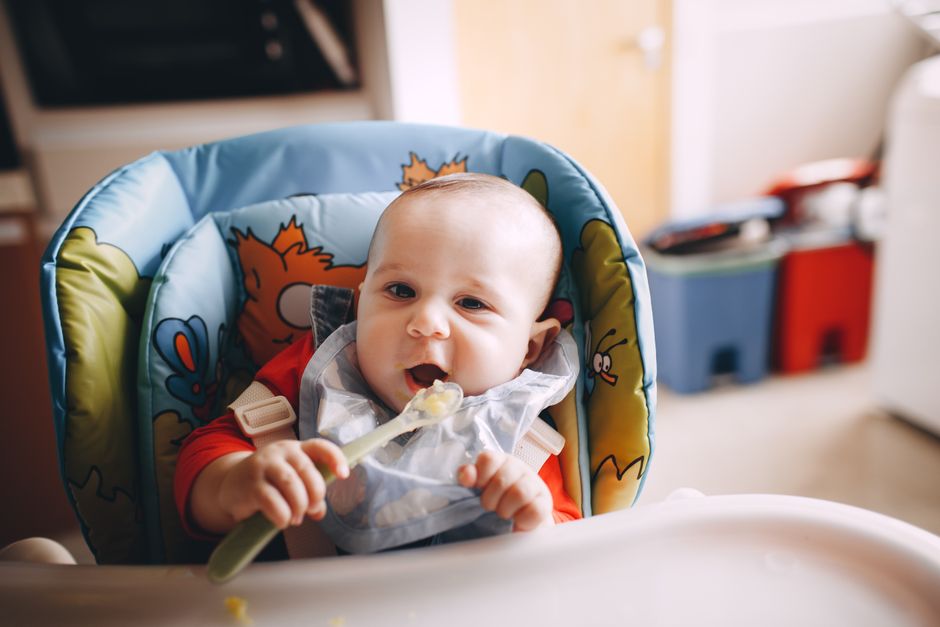
Parents forget how rapidly infant eating habits evolve. Most babies start single-ingredient purees around 6 months. By 8 to 9 months, the American Academy of Pediatrics (AAP) recommends transitioning to mashed table foods, soft fork-crushed veggies, and finger foods to develop oral-motor chewing mechanics (see our guide on baby-led weaning mistakes vs. puree transitions).
A $160 machine designed exclusively for silky-smooth purees ends up collecting dust on your pantry shelf after just two months of use!
Regret #2: Hidden Mold and Bacterial Biofilm in Steam Tanks
Like automated formula dispensers (which have notorious formula maker mold hazards), all-in-one steamer-blenders require water in an internal boiler tank to generate steam.
Because these enclosed water chambers cannot be wiped dry or taken apart completely:
- Mineral scale from tap water coats the heating element.
- Condensed steam creates a warm, dark, humid chamber where mold, yeast, and black biofilm multiply.
- That contaminated steam passes directly through the food compartment where your baby’s meal is cooking.
⚠️ Warning Alert: If you already own a baby steamer machine, inspect the water reservoir with a flashlight. Never use tap water; use distilled water only, and run a 50/50 white vinegar descaling cycle every 5 to 7 days to inhibit bacterial colonization.
Regret #3: Infuriating Micro-Capacities
Most baby food makers feature tiny blending cups with 2 to 3-cup capacities. If you buy a 3-pound bag of organic butternut squash or apples, you cannot steam and blend it in one batch. You must peel, chop, steam, blend, clean, and repeat 4 to 5 times in a row, multiplying your kitchen prep time instead of saving it.
Regret #4: Plastic Leaching Concerns Under High Heat
Many commercial baby food machines use polycarbonate or plastic blending jugs. Subjecting plastic containers to boiling steam (212°F) multiple times a week accelerates microplastic shedding and chemical leaching directly into high-fat infant foods.
Regret #5: Difficult Hand-Washing with Endless Micro-Gaskets
Food puree gets sucked into the blade shaft, silicone O-rings, and steam outlet valves. If you don’t disassemble every tiny component with a bottle brush after every single use, old rotting puree sits trapped in the blade base.
2. The Superior Kitchen Alternatives: Faster, Cleaner, Cheaper
You don’t need specialized “baby” branded appliances to make healthy, organic meals for your infant. Professional chefs and experienced mothers rely on standard kitchen tools that outperform baby gadgets in every metric.
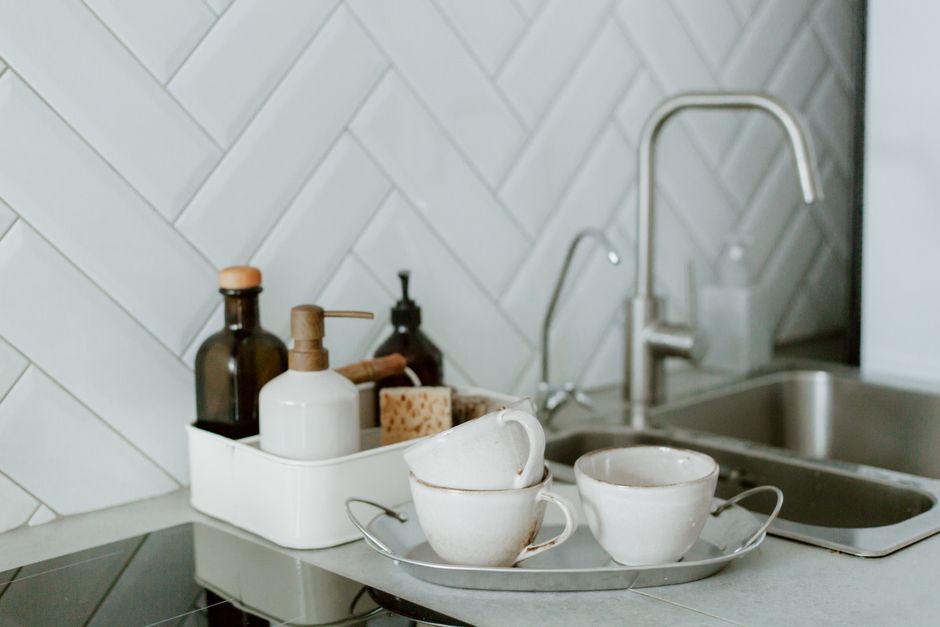
Alternative #1: The Stainless Steel Immersion Stick Blender ($25 – $40)
An immersion blender is the ultimate baby food secret weapon:
- Zero Transfer Cleanup: Steam carrots, apples, or peas directly in your existing stainless steel stovetop pot, insert the stick blender right into the pot, and puree 10 servings in 30 seconds.
- Detachable Stainless Wand: Only the metal blade wand gets dirty; simply eject it and pop it directly into the dishwasher.
- Long-Term Utility: You will continue using it for years to make family soups, salsa, smoothies, and sauces.
Alternative #2: The Classic Universal Steam Basket ($8 – $12)
A foldable stainless steel steam basket fits inside any saucepan or pot you already own:
- 100% non-toxic, plastic-free stainless steel.
- Steams full-sized batches of veggies and meats in minutes.
- Easy to wash with zero hidden water chambers.
Alternative #3: Silicone Freezer Portion Trays with Lids ($15)
Instead of cooking every day, practice batch freezing:
- Puree a full batch of food on Sunday.
- Spoon 1-ounce portions into food-grade silicone freezer trays with clip-on lids.
- Once frozen, pop the puree cubes into a labeled silicone freezer bag.
- Simply thaw 1 or 2 cubes in a glass bowl at mealtime.
💡 Pediatric / Mom Tip: When serving purees or finger foods, ensure your baby is seated in an ergonomic high chair with their feet firmly planted on an adjustable footrest to prevent choking and encourage posture stability (read our review on baby high chair posture and footrest mistakes).
Baby Food Maker vs. Immersion Blender Setup
| Feature | Baby Food Maker Machine ❌ | Immersion Blender + Steamer ✅ |
|---|---|---|
| Average Cost | $120 – $200 | $35 – $50 total |
| Useful Lifespan | 2 to 3 months | 10+ years (Family cooking) |
| Batch Capacity | 1 to 2 small jars | Up to 10–15 jars in one pot |
| Dishwasher Cleaning | Tedious (Multiple gaskets & blades) | 1-click dishwasher-safe metal wand |
| Mold & Moisture Risk | High (Enclosed non-removable boiler) | Zero (Open stainless pot & metal wand) |
| Plastic Heat Exposure | Frequent (Hot steam in plastic cup) | None (Food touches only stainless steel) |
Smart Registry Advice for Expectant Moms
The baby gear industry thrives on convincing new parents that they need a specialized machine for every single baby task. But true convenience in the kitchen comes from simple, durable, easy-to-clean tools that don’t breed mold or clutter your countertops.
Save that $160 for everyday essentials or high-quality ergonomic gear (review our full list of overpriced baby registry items parents regret buying). With a simple steam basket and an immersion blender, you will make delicious, nutritious baby food in minutes—with virtually zero cleanup stress.
Google AdSense Placeholder
Slot ready for "in-article". Set your AdSense publisher ID in settings when approved.
Frequently Asked Questions by Moms
Are all-in-one steam and blend baby food makers worth the money? ▼
For the vast majority of parents, no. Specialized baby food makers cost between $100 and $200, have tiny batch capacities, require tedious cleaning of multiple plastic gaskets, and become obsolete after only 2 to 3 months when babies transition from purees to textured table foods.
Why do baby food maker water reservoirs grow mold? ▼
Most all-in-one steamer-blenders feature enclosed, non-removable internal water heating reservoirs and narrow steam tubes. Because mineral scale and moisture remain trapped inside the dark chamber after steaming, mold, mildew, and biofilm thrive undetected unless descaled with vinegar weekly.
What is the best alternative to a specialized baby food maker? ▼
A standard stainless steel steam basket ($8) combined with an immersion hand blender ($30) or a standard family blender/food processor is faster, significantly easier to clean, makes larger family-sized batches, and remains useful for years.
When do babies stop eating smooth purees? ▼
Babies typically eat smooth purees for only 6 to 10 weeks (between 6 and 8 months). By 8 to 9 months, pediatricians recommend transitioning to mashed, lumpy textures and soft finger foods to foster jaw chewing mechanics and oral motor skills.

Written by Sarah Collins
Doctor-Reviewed & Fact-CheckedMom of Two & Founder of Mommy Tips & Life
Sarah is a mother of two (Liam & Maya) sharing evidence-based parenting guides, infant sleep solutions, and baby safety alerts tested in real family life and vetted against AAP clinical standards.
Google AdSense Placeholder
Slot ready for "footer-banner". Set your AdSense publisher ID in settings when approved.