Why Honey Is Deadly for Babies Under 1: Hidden Botulism Signs, Food Traps & Medical Red Flags
Why is honey strictly banned for infants under one year old? Learn about Clostridium botulinum spores, early paralysis red flags, and hidden food traps.
Sarah Collins
Mom of Two & Founder of Mommy Tips & Life

Google AdSense Placeholder
Slot ready for "header-banner". Set your AdSense publisher ID in settings when approved.
🩺 Medical Disclaimer: This guide is for educational purposes and should not replace pediatric or obstetric medical consultation.
🛍️ Affiliate Disclosure: We may earn a small commission when you purchase through our links at no extra cost to you.
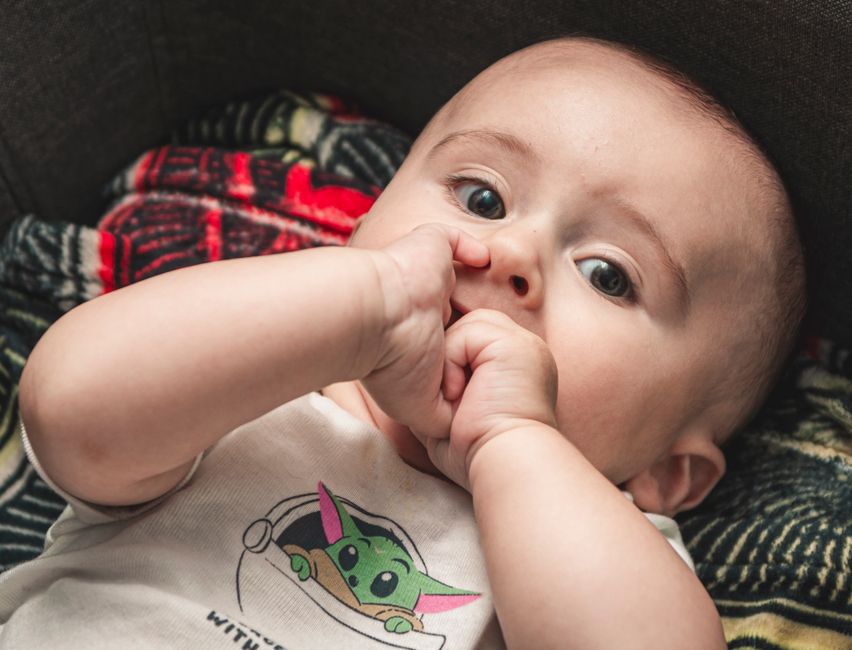
When my son Lucas was four months old, he was teething fiercely—drooling constantly, chewing his little fists raw, and crying inconsolably before naps. During a weekend visit, a well-meaning acquaintance noticed my exhaustion and said, “When my babies were teething, I just dipped the pacifier into a little raw honey. It coats their gums, soothes the pain, and tastes sweet. It works like magic!”
It sounded so natural, harmless, and innocent. But when I mentioned the tip to my pediatric nurse practitioner the following week, the color drained from her face. She looked me dead in the eye and said, “Sarah, giving even a single drop of honey to a baby under one year is playing Russian roulette with infant botulism. It is a medical emergency that paralyzes infant lungs.”
The Quick Breakthrough Summary: Honey is strictly forbidden for babies under 12 months because it contains dormant Clostridium botulinum spores that germinate inside an immature infant gut, producing a lethal neurotoxin. The disease often starts with deceptive symptoms—sudden severe constipation, a weak ‘feeble’ cry, ptosis (drooping eyelids), and ‘floppy baby’ muscle hypotonia. Never soothe teething with honey; instead, use refrigerated 100% food-grade silicone teething rings, gentle clean-finger gum massages, and cool damp washcloths.
If you are childproofing your home and nursery against dangerous hidden toxins and choking risks, review our room-by-room audit of dangerous nursery items and hidden baby safety hazards and learn the emergency warning signs of button battery ingestion in infants and toddlers.
Here is the essential, doctor-vetted guide on why honey is uniquely dangerous for infants, the hidden food products containing honey you must avoid, and the critical neurological red flags every parent needs to recognize.
1. The Microbiology: How Clostridium Botulinum Attacks an Infant Gut
To understand why honey is dangerous for babies but harmless for adults, you have to look at the unique micro-environment of an infant’s developing gastrointestinal tract.
Spores vs. Adult Gut Immunity
Clostridium botulinum is an anaerobic bacterium naturally found in soil, dust, and raw agricultural products like honey. In adults and older children:
- High gastric stomach acid (pH 1.5 to 2.5) kills bacteria immediately.
- A dense, competitive microbiome of trillions of beneficial bacteria prevents any surviving spores from multiplying.
- The spores pass through the digestive tract harmlessly without ever producing toxins.
The Vulnerable Infant Gut
In babies under 12 months of age:
- Higher Stomach pH: Infant stomach acid is significantly less acidic, allowing spores to survive intact.
- Immature Microbiome: The infant gut lacks the diverse bacterial populations needed to outcompete pathogens.
- Neurotoxin Release: Once inside the infant colon, the spores germinate into vegetative bacteria and release botulinum neurotoxin directly into the bloodstream.
[ Ingestion of Honey Spores ]
              ⬇
[ Spores Survive Low-Acidity Infant Stomach ]
              ⬇
[ Colonization & Germination in Infant Colon ]
              ⬇
[ Botulinum Neurotoxin Enters Bloodstream ]
              ⬇
[ Blocks Acetylcholine Release at Neuromuscular Junctions ]
              ⬇
[ Progressive Descending Flaccid Paralysis ]
2. Early Warning Signs & The “Floppy Baby” Progression
Infant botulism does not present with high fevers or violent vomiting. Because the toxin works progressively by paralyzing nerves from the head downward, its early symptoms are subtle and frequently mistaken for mild fatigue or standard tummy trouble.
Stage 1: The Subtle Gastrointestinal Onset (18 to 36 Hours Post-Ingestion)
- Severe Sudden Constipation: An infant who previously had daily bowel movements goes 3 or more days without a stool, accompanied by decreased rectal tone. For standard non-toxic gas issues, see our guide on baby constipation relief remedies and warning signs.
- Lethargy & Poor Feeding: Baby takes twice as long to finish a bottle, tires out after 2 minutes of sucking, or repeatedly falls asleep mid-feed.
Stage 2: Cranial Nerve & Facial Weakness
- Ptosis (Drooping Eyelids): Inability to open eyes fully, giving a dazed or sleepy appearance.
- Weak, Feeble Cry: The infant’s cry loses its power, sounding raspy, quiet, or muffled.
- Loss of Facial Expression: Flat affect and inability to smile or furrow the brow.
- Excessive Drooling: Pharyngeal muscle weakness causes difficulty swallowing normal saliva.
Stage 3: Descending Motor Paralysis
- “Floppy Baby Syndrome” (Hypotonia): Complete loss of head and neck control; limbs hang limp like a ragdoll.
- Shallow, Labored Breathing: Paralysis reaches the diaphragm and intercostal respiratory muscles, requiring immediate mechanical ventilation.
⚠️ Warning Alert: If your baby displays sudden muscle floppiness, an inability to support their head, a weak cry, and drooping eyelids after consuming any new food or sweet substance, proceed immediately to the nearest Pediatric Emergency Department and state: “I am concerned about infant botulism.”

3. The 7 Hidden Foods & Products Containing Honey Parents Miss
Many parents know not to give raw honey by the spoonful, but botulism spores hide in dozens of processed and commercial foods.
1. Honey Graham Crackers & Animal Crackers
Many commercially prepared toddler crackers and teething biscuits contain real baked honey in their ingredient list. Even though baked, spores survive industrial ovens.
2. Honey Nut Cereals & Granola Bars
Popular breakfast cereals and snack bars marketed to families often list honey as a primary sweetening agent.
3. Honey-Glazed Meats & Sauces
Barbecue sauces, honey-mustard marinades, and glazed ham often contain concentrated amounts of uncooked or lightly cooked honey.
4. Commercial Cough Syrups & Teething Gels
Certain “natural” holistic remedies, soothing syrups, and herbal drops formulated for older children contain honey. Always check labels to ensure pediatric remedies are certified for infants 0-12 months.
5. Honey-Coated Pacifiers & Teething Toys
In some traditional cultures, dipping a pacifier in honey or using honey-filled pacifier beads is practiced. This is extremely hazardous and must be avoided.
6. Corn Syrup & Molasses (Potential Secondary Reservoirs)
While honey is the primary culprit in over 90% of dietary cases, unpasteurized corn syrup and molasses can occasionally harbor environmental botulinum spores.
7. Unwashed Raw Fruits & Soil Exposure
Spores live naturally in soil. Always thoroughly wash all fruits and vegetables before pureeing them for babies starting solid foods.

Safe, Pediatrician-Approved Teething & Sweetness Alternatives
| Unsafe Practice ❌ | Safe Evidence-Based Alternative ✅ |
|---|---|
| Dipping pacifier in raw or pasteurized honey | Refrigerated 100% food-grade silicone teething rings |
| Giving honey cough syrup to infants | Cool mist humidifier & saline nasal suction |
| Using honey to sweeten baby purees | Naturally sweet pureed ripe bananas or unsweetened applesauce |
| Baking honey muffins or cookies for baby | Using mashed dates or ripe banana puree as natural baking sweeteners |
| Assuming pasteurization kills botulinum spores | Complete honey avoidance until baby’s 1st birthday |
What Happens When a Baby Turns 1 Year Old?
Parents often ask: “Does a magical switch flip on their first birthday?”
By 12 months of age, your toddler’s digestive physiology has undergone a massive transformation:
- Diverse Microbiome: Exposure to a wide variety of solid foods builds a resilient colony of Bifidobacteria, Lactobacilli, and Bacteroidetes that aggressively outcompete foreign spores.
- Robust Gastric Acidity: Mature stomach acid effectively destroys ingested spores before they can reach the intestinal tract.
After age one, honey transitions from a deadly neurotoxic threat into a safe, delicious natural sweetener and an effective, AAP-recommended remedy for childhood coughs.
Final Takeaway: Trust Science Over Old-Wives’ Tales
Generational parenting advice often comes from a place of deep love, but medical science has saved countless infant lives by uncovering the truth behind infant botulism.
Protecting your baby is simple: Zero honey in any form before age one. Share this essential rule with grandparents, babysitters, and daycare providers so everyone in your village keeps your little one safe.
If you suspect your infant has consumed honey or is showing signs of neurological lethargy, contact Poison Control (1-800-222-1222 in the US) or your nearest pediatric emergency room immediately.
Google AdSense Placeholder
Slot ready for "in-article". Set your AdSense publisher ID in settings when approved.
Frequently Asked Questions by Moms
Why can't babies under 12 months eat honey? ▼
Honey frequently contains microscopic spores of the bacterium Clostridium botulinum. While older children and adults have mature gut flora and stomach acid that prevent these spores from germinating, an infant's immature gastrointestinal tract allows the spores to colonize and release a potent neurotoxin, causing infant botulism.
Is cooked or baked honey safe for a baby? ▼
No. Clostridium botulinum spores are extremely heat-resistant and survive standard cooking, baking, pasteurization, and boiling temperatures. Any baked goods, honey graham crackers, glazes, or cereals containing real honey are strictly unsafe for babies under one year of age.
What is the earliest symptom of infant botulism? ▼
Severe, sudden-onset constipation (going several days without a bowel movement accompanied by abdominal weakness) is typically the very first clinical symptom, often appearing 18 to 36 hours after spore ingestion, followed by weak crying, floppy muscle tone, and poor feeding.
Can dipping a pacifier in honey harm a baby? ▼
Yes, even a microscopic drop of honey on a pacifier or teething ring can deliver enough botulinum spores to cause life-threatening neurological paralysis in an infant.

Written by Sarah Collins
Doctor-Reviewed & Fact-CheckedMom of Two & Founder of Mommy Tips & Life
Sarah is a mother of two (Liam & Maya) sharing evidence-based parenting guides, infant sleep solutions, and baby safety alerts tested in real family life and vetted against AAP clinical standards.
Google AdSense Placeholder
Slot ready for "footer-banner". Set your AdSense publisher ID in settings when approved.