Why Electric Baby Nasal Aspirators Are a Common Gear Regret (And Safer Alternatives)
Are electric baby nasal aspirators worth the hype? Discover why pediatric ENTs warn against motorized suction, mucosal damage risks, and what works better.
Sarah Collins
Mom of Two & Founder of Mommy Tips & Life

Google AdSense Placeholder
Slot ready for "header-banner". Set your AdSense publisher ID in settings when approved.
🩺 Medical Disclaimer: This guide is for educational purposes and should not replace pediatric or obstetric medical consultation.
🛍️ Affiliate Disclosure: We may earn a small commission when you purchase through our links at no extra cost to you.
When my first baby caught his first brutal nursery cold at three months old, his congested, snuffling breathing kept us both awake all night. Desperate for a high-tech solution, I immediately bought a top-rated $65 electric baby nasal aspirator featuring multicolored LED lights, soothing lullabies, and three motorized suction speeds.
The very first time I used it, the reality was nothing like the sleek marketing videos. The motor hummed loudly, terrifying my sick baby. The hard silicone nozzle slipped against his tiny nostril as he thrashed his head, and despite the highest suction setting, the device failed to extract the thick, stubborn mucus blocking his airway. Worse, an hour later, I noticed tiny streaks of blood inside his nostril—the motorized suction had irritated his delicate nasal lining. Two weeks later, while cleaning the device, I opened the motor seal and found black, slimy mold growing inside the inaccessible inner chamber. That $65 gadget went straight into the recycling bin.
The Upfront Pediatric ENT Breakdown: Pediatric Ear, Nose, and Throat (ENT) specialists and pediatricians consistently warn that motorized electric nasal aspirators are one of the most common, expensive baby gear regrets. Infant nasal mucosa is composed of ultra-delicate, vascular respiratory epithelium. Electric aspirators introduce three major clinical problems: continuous mechanical friction causing mucosal inflammation and rebound swelling, inadequate pressure calibration that fails to clear deep mucus without saline, and impossible-to-clean internal chambers that harbor toxic bacterial mold. The gold standard for infant congestion is a simple 3-step physiological protocol: sterile saline drops, gentle manual human-powered suction, and warm humidity.
Infant Nasal Anatomy: Why Delicate Turbinates Swell
To understand why aggressive suction devices fail, you must appreciate the microscopic fragility of an infant’s respiratory tract.
   ┌────────────────────────────────────────────────────────────┐
   │             ANATOMY OF INFANT NASAL PASSAGES               │
   ├──────────────────────────────┬─────────────────────────────┤
   │ Infant Nasal Characteristics │ Risk from Motorized Suction │
   ├──────────────────────────────┼─────────────────────────────┤
   │ • Microscopic nasal lumen    │ • Hard nozzles cause friction│
   │ • Highly vascular turbinates │ • Capillaries rupture easily│
   │ • Obligate nose-breathers    │ • Swelling blocks airflow   │
   │ • Delicate ciliated mucosa   │ • Over-suction causes edema │
   └──────────────────────────────┴─────────────────────────────┘
Infants under 6 months are obligate nasal breathers—they breathe almost exclusively through their nose. When a baby has a cold, the obstruction is caused by two factors:
- Excess Mucus: Secretions produced by the immune response.
- Mucosal Swelling (Edema): Inflamed, engorged blood vessels in the nasal turbinates.
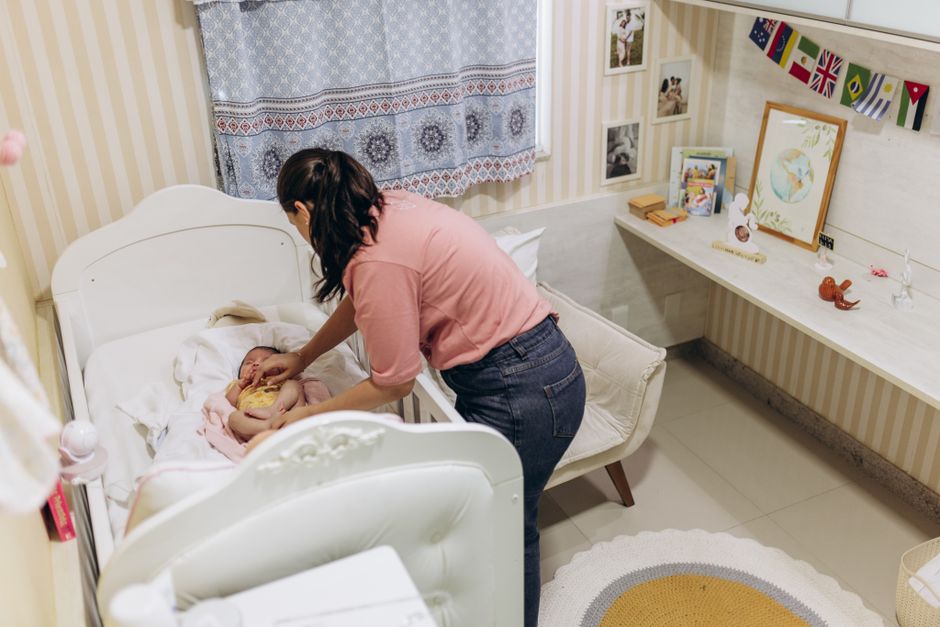
When you insert a vibrating, motorized tip into a narrow nostril, the suction pulls on the delicate lining. This causes rebound mucosal edema—the blood vessels swell up even larger, making the baby sound more congested 30 minutes after suctioning than before you started!
For more guidance on identifying unnecessary and over-hyped baby products, check our comprehensive review of baby registry items parents regret buying.
1. The Capillary Rupture and Trauma Hazard
The inside of an infant’s nose is lined with a dense plexus of superficial capillaries (Kiesselbach’s plexus).
How Motorized Suction Causes Damage:
- Continuous Static Vacuum: Unlike manual suction where you apply brief, targeted pulses, electric aspirators pull with continuous vacuum pressure.
- Turbinate Abrasion: When a baby jerks their head in protest, the hard nozzle scrapes against the swollen nasal septum, causing micro-abrasions and nosebleeds.
- Inflammatory Cycle: Mechanical trauma triggers further inflammation, leading exhausted parents to suction even more frequently.
   ❌ THE AGGRESSIVE SUCTION TRAP:
        Baby Congested ──> Motorized Suction ──> Mucosal Swelling & Bleeding
                                                            │
        Baby Sounds MORE Congested <── Turbinates Engorge ◄┘
⚠️ Warning Alert: Never suction your baby’s nose more than 3 to 4 times in a 24-hour period. Over-suctioning strips away the protective mucus barrier and causes chronic nasal swelling. Reserve suctioning for immediately before feedings and bedtime.
2. The Illusion of Suction Power (The Saline Prerequisite)
Many parents buy electric aspirators expecting them to act like commercial shop vacuums for baby snot.
The Physics of Infant Snot
Infant mucus during a viral upper respiratory infection is thick, sticky, and adhered to the respiratory cilia. No safe consumer-grade vacuum has the sheer physical power to dislodge thick, dried secretions from a nostril on its own.
   ❌ DRY SUCTION ALONE:
        Dry Mucus Stuck to Airway ──> Suction Pulls on Tissue (Pain & Trauma)

   ✅ SALINE LIQUEFACTION + PULSED SUCTION:
        2 Drops Isotonic Saline ──> Mucus Dissolves ──> Gentle Suction Clears Airway
The secret to clearing a stuffy nose is not expensive motorized horsepower—it is saline liquefaction. Saline (0.9% sodium chloride) thins the mucus chemically, allowing even the simplest gentle manual tool to clear the airway effortlessly.

3. Hidden Mold, Biofilms, and Cleaning Nightmares
The most disturbing flaw of motorized nasal aspirators is their internal hygiene design.
The Mold Incubator
When you suction warm, humid mucus containing viral and bacterial pathogens, aerosolized droplets bypass the collection cup and enter the internal motor housing, silicone diaphragms, and exhaust ports. Because these electronic components cannot be submerged in boiling water or sterilized in a dishwasher, residual moisture gets trapped inside.
   [Warm Mucus Aerosols] ──> [Enters Internal Motor Housing]
                                          │
   [Black Mold Spores Blown Into Nursery] <── [Dark, Wet Biofilm Growth] ◄┘
Within weeks, dark black mold (Stachybotrys and Aspergillus) and bacterial biofilms develop inside the motor. For another common nursery gadget prone to dangerous bacterial colonization, read our investigative review on why baby wipe warmers breed dangerous bacteria.
4. High Cost vs. Low Utility: The Registry Regret
Electric baby aspirators retail between $40 and $90. When compared to a doctor-approved manual aspirator (like the classic NoseFrida at $15) or sterile saline ampoules ($8), electric units provide significantly poorer clinical performance at four times the price.

Summary Comparison: Electric vs. Manual Congestion Care
| Electric Nasal Aspirator ❌ | Pediatric Saline + Manual Suction ✅ | Pediatric / ENT Rationale |
|---|---|---|
| Continuous motorized vacuum pulling on tissue | Gentle, parent-controlled human suction (NoseFrida) | Allows mom/dad to regulate the exact force and rhythm safely. |
| Hard silicone nozzle scraping nostrils | Soft, flared silicone tip that sits outside the nostril | Forms a safe external seal without entering the fragile canal. |
| Inaccessible motor chambers harboring mold | 100% disassemblable, washable, dishwasher-safe parts | Eliminates risk of black mold and pathogen cross-contamination. |
| $45 to $85 expensive nursery gadget | $12 to $15 medical-grade manual aspirator | Saves registry budget for high-impact essentials. |
The 3-Step Pediatric Gold Standard for Infant Congestion
When your baby has a cold, skip the expensive electronic gadgets and follow this evidence-based, 3-step congestion relief protocol:
Step 1: Saline Liquefaction (The Magic Step)
Lay your baby flat on their back. Place 2 to 3 drops of sterile isotonic saline (0.9% NaCl) or saline mist into each nostril. Wait 60 seconds. The saline will break the ionic bonds of thick mucus, liquefying the secretions into runny liquid.
Step 2: Gentle Pulsed Manual Suction
Using a clean manual aspirator with a hygienic filter (like the NoseFrida), place the soft flared tip against the rim of your baby’s nostril (never insert it deep inside). Apply gentle, rhythmic suction with your mouth. The liquefied mucus will glide effortlessly into the collection tube without irritating the delicate turbinates.
Step 3: Steam and Cool-Mist Humidity
Run a hot shower in your bathroom with the door closed for 10 minutes to create a steam room. Sit in the bathroom holding your baby upright for 10 to 15 minutes. In the nursery, run a clean ultrasonic cool-mist humidifier (at 45%–50% humidity) placed 5 feet from the crib.
For more sound and nursery safety tips for restful healing, explore our guide on safe decibel limits for baby white noise machines.
Google AdSense Placeholder
Slot ready for "in-article". Set your AdSense publisher ID in settings when approved.
Frequently Asked Questions by Moms
Are electric baby nasal aspirators safe for newborns and infants? ▼
While sold widely, many pediatric ENTs and pediatricians advise against electric motorized aspirators. Their rigid plastic tips and uncontrolled continuous suction can cause mucosal edema, capillary rupture (nasal bleeding), and rebound congestion in delicate infant nasal passages.
Why do electric nasal aspirators often fail to clear thick baby snot? ▼
Consumer electric aspirators are calibrated with weak static vacuum pressure to prevent tissue damage, which makes them ineffective at clearing thick, sticky infant mucus without pre-saline liquefaction. Furthermore, hard tips cannot form an airtight seal against squirming nostrils.
Can nasal aspirators grow toxic mold inside? ▼
Yes! Electric aspirators with internal motors, tubes, and valves are notoriously difficult to disassemble and sanitize. Trapped humid mucus inside internal motor chambers creates a prime breeding ground for toxic black mold and bacterial biofilms.
What is the safest way to clear a congested baby's nose? ▼
The clinical gold standard is using 2 to 3 drops of sterile isotonic saline mist to break down mucus, followed by gentle, parent-controlled suction using a manual human-suction device (like the NoseFrida with hygiene filters) or a bulb syringe, limited to 2 to 3 times daily.

Written by Sarah Collins
Doctor-Reviewed & Fact-CheckedMom of Two & Founder of Mommy Tips & Life
Sarah is a mother of two (Liam & Maya) sharing evidence-based parenting guides, infant sleep solutions, and baby safety alerts tested in real family life and vetted against AAP clinical standards.
Google AdSense Placeholder
Slot ready for "footer-banner". Set your AdSense publisher ID in settings when approved.