Automatic Baby Formula Makers: 5 Hidden Mold, Water, and Dispensing Traps Parents Regret
Thinking of buying an automatic formula machine? Learn the truth about powder dispensing inaccuracies, internal tube mold hazards, and safe formula prep gear.
Sarah Collins
Mom of Two & Founder of Mommy Tips & Life
Google AdSense Placeholder
Slot ready for "header-banner". Set your AdSense publisher ID in settings when approved.
🩺 Medical Disclaimer: This guide is for educational purposes and should not replace pediatric or obstetric medical consultation.
🛍️ Affiliate Disclosure: We may earn a small commission when you purchase through our links at no extra cost to you.
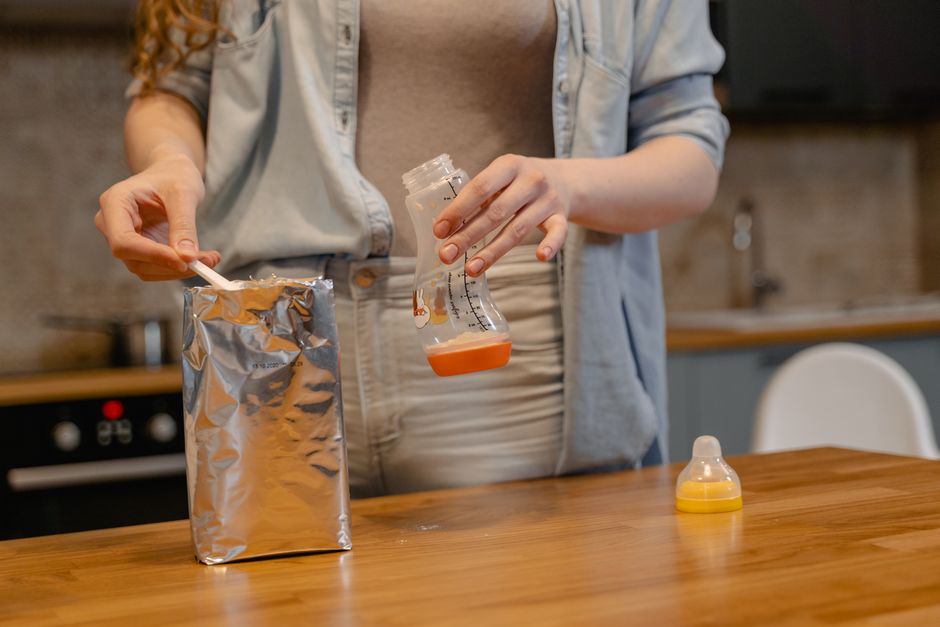
When I was pregnant with my first child Liam, I considered a popular $230 automatic baby formula dispenser the absolute crown jewel of my baby registry. The seductive marketing promised the impossible dream: “A perfectly mixed, body-temperature warm bottle at the touch of a single button in 5 seconds flat at 3 AM.” For a sleep-deprived, anxious first-time mother, that gadget felt like a non-negotiable lifesaver.
For the first eight weeks of Liam’s life, we pressed that button six to eight times a day. But gradually, troubling symptoms appeared. Liam began screaming with severe intestinal gas after every feeding, spitting up curds of undigested milk, and his weight gain dropped from the 50th percentile to the 18th percentile at his two-month well-child checkup.
One evening, suspecting a mechanical issue, I conducted a manual calibration test. I wrapped the dispenser funnel in plastic wrap and weighed the dispensed powder on a digital kitchen gram scale. My heart dropped: the machine was dispensing nearly 28% LESS formula powder than specified, diluting my newborn’s nutrition for two consecutive months! Even worse, when I dismantled the back vapor exhaust channel with a flashlight, I discovered a dark, slimy residue of black mold and bacterial biofilm thriving in the moist internal chambers.
The Quick Breakthrough Summary: We unplugged the machine and threw it into the electronic recycling bin that very night. Our turning point was adopting the $15 Doctor-Recommended Formula Pitcher Batching Method, utilizing a $10 digital gram scale for 100% mathematical precision and storing a full 24-hour supply in the refrigerator. Within 72 hours, Liam’s painful gas resolved, his weight gain surged back onto curve, and we eliminated hours of tedious machine maintenance.
Here is the comprehensive, pediatrician-vetted analysis of the hidden hazards of automatic formula makers and the safest, fastest alternatives.
1. The Calibration Trap: The Hidden Dangers of Inaccurate Ratios (H2)
Infant formula is not casual beverage mix; it is a precision-engineered clinical nutritional replacement for breast milk. The ratio of powdered solids to water is critical for infant organ function.
The Severe Danger of Dilution (Too Little Powder) (H3)
When an automatic dispenser dispenses insufficient powder due to funnel powder crusting or inaccurate brand density settings:
- The baby receives excessive free water without proportional sodium and electrolyte solutes.
- Hyponatremia & Water Intoxication: The infant’s delicate kidneys cannot filter excess free water, causing blood sodium levels to crash. This can trigger brain swelling, lethargy, hypothermia, and life-threatening infant seizures.
- Chronic Failure to Thrive: The baby fills their stomach with dilute volume, missing essential calories, fatty acids, and iron necessary for rapid brain development.
The Danger of Concentration (Too Much Powder) (H3)
Conversely, when powder clumps drop heavily or the wheel misaligns:
- Highly concentrated solute loads place massive osmotic pressure on immature renal filtration tubules.
- Causes painful abdominal cramping, severe obstipation (constipation), and dehydration.
2. The Internal Mold & Biofilm Nightmare (H2)
No matter how diligently you clean the removable external parts, automatic formula dispensers suffer from an inherent mechanical design flaw:
The Vapor-Mixing Phenomenon (H3)
- The machine dispenses warm water (approx. 98°F to 105°F) directly underneath the powdered formula funnel.
- Warm water produces upward-rising humid steam.
- The steam contacts the dry, nutrient-rich formula powder at the dispensing spout, creating a damp, sticky crust.
- Microscopic powder particles are sucked back into internal silicone tubing and heating chambers.
- In a dark, perpetually warm, nutrient-dense environment, Aspergillus black mold, Cronobacter sakazakii, and bacterial biofilms proliferate within 48 to 72 hours.
💡 Pediatric / Mom Tip: High-tech baby gadgets frequently trade genuine safety for fleeting convenience. Check our complete guides on baby registry items you will never use and the truth about bottle warmers vs. room-temperature feeding.
3. The Gold Standard Solution: The $15 Formula Pitcher Method (H2)
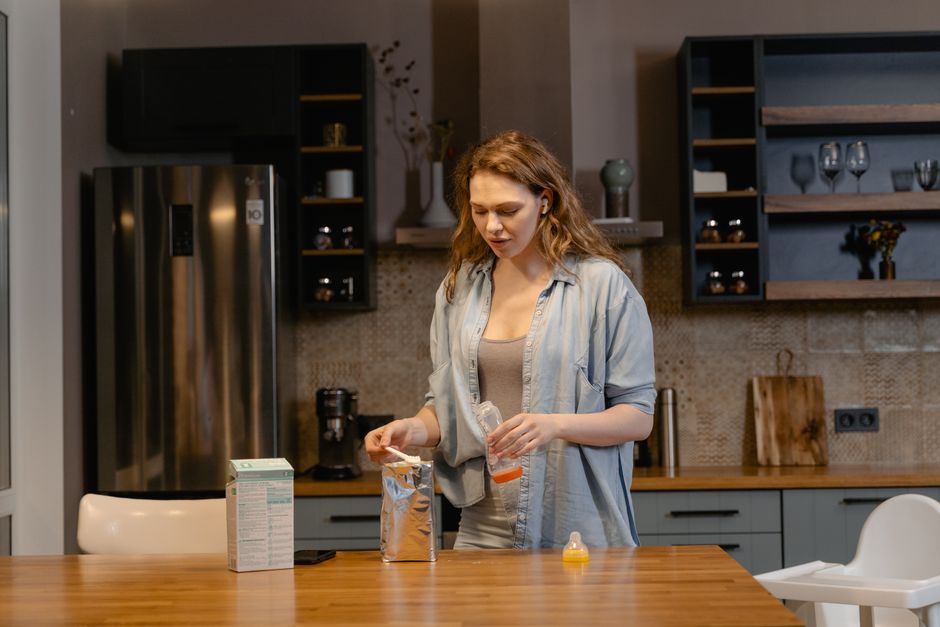
You do not need an expensive, mold-prone appliance to prepare fast, effortless bottles in the middle of the night. Pediatricians and feeding specialists recommend this 3-step protocol:
Step 1: The Batching Mixing Pitcher ($15)
Use an NSF-certified, dishwasher-safe baby formula mixing pitcher (such as the Dr. Brown’s or Munchkin pitcher). The built-in rotating swirl blade dissolves powder completely without incorporating air, drastically cutting down on baby gas and reflux (see our guide on signs baby formula is not agreeing with your baby).
Step 2: The Digital Gram Scale ($10)
Place the pitcher on a digital kitchen scale, tare to zero, and measure water and powder by weight in grams rather than subjective plastic scoops. This guarantees 100.0% nutritional accuracy every single batch.
Step 3: 24-Hour Refrigerated Pre-Pouring
Mix a full day’s supply (24–32 oz) in under two minutes each morning. Pour the formula into sterilized glass bottles and refrigerate. (Read our guide on toxic baby bottles microplastics vs glass). When baby wakes at night, simply grab a pre-measured bottle and feed at room temp or warm in a bowl of warm water in 90 seconds.
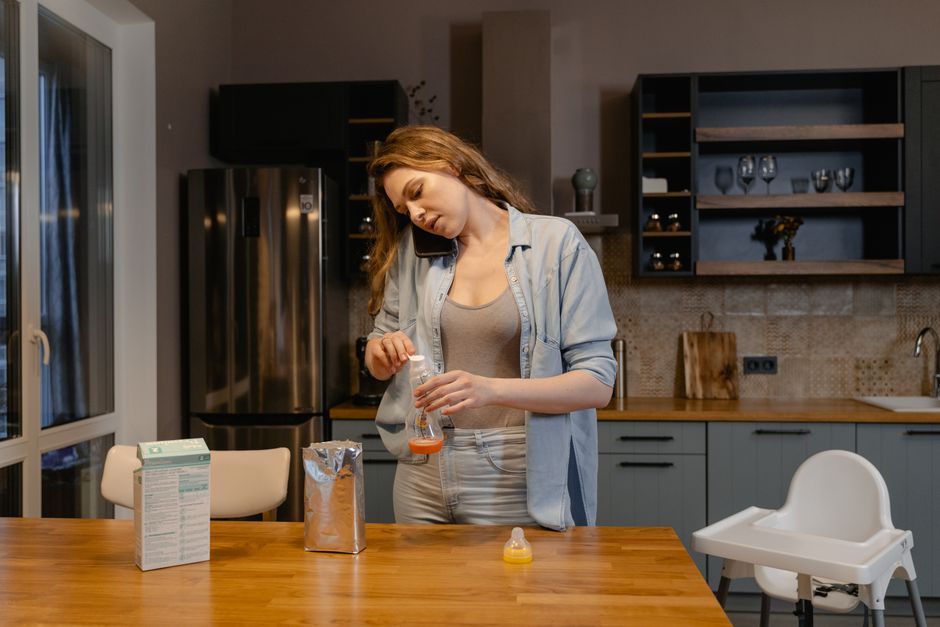
4. Comprehensive Comparison: Automatic Makers vs. Safe Batching (H2)
| Feature / Metric | Automatic Formula Dispenser | Formula Pitcher Batching Method |
|---|---|---|
| Initial Cost | $200 – $280 | $15 – $20 |
| Nutritional Accuracy | Prone to dispensing error & clogs | 100% Exact (Digital Gram Scale) |
| Hidden Mold Risk | High (Unwashable internal tubes) | Zero (100% Dishwasher-Safe) |
| Micro-Air Bubble Risk | Moderate (Turbulent dispensing) | Zero (Submerged blade prevents air) |
| Maintenance Burden | Daily funnel scraping & descaling | 30-second dishwasher cycle |
| Pediatric Approval | Not recommended by AAP/CDC | Gold Standard Recommendation |
Summary Checklist Table: Formula Gear Traps & Doctor-Approved Alternatives (H2)
| Gear Mistake ❌ | Safe Pediatric Alternative ✅ |
|---|---|
| Relying on automated dispensing without gram verification | Measure powder on a digital kitchen scale for 100% accuracy |
| Ignoring internal moisture and tube mold risks | Use open, fully inspectable dishwasher-safe pitchers |
| Heating formula bottles in microwave ovens (hotspot burns) | Swirl bottle in warm tap water or serve safely chilled |
| Re-feeding leftover bottles after 1 hour | Discard any bottle 60 minutes after baby’s lips touch the nipple |
| Spending $250+ on high-maintenance nursery machines | Invest in durable glass bottles, silicone nipples, and simple prep tools |
Your baby’s nutritional security and physical health are priceless. Choosing simple, transparent, and easily sanitized prep methods will give your baby pure safety and give you true peace of mind every single night.
Google AdSense Placeholder
Slot ready for "in-article". Set your AdSense publisher ID in settings when approved.
Frequently Asked Questions by Moms
Can automatic formula dispensers give incorrect formula ratios? ▼
Yes. Independent testing and pediatricians have found that powder clumping, clogged spouts, and brand-setting discrepancies can dispense too little powder (leading to water intoxication/malnutrition) or too much powder (leading to kidney strain and constipation).
How does hidden mold grow inside automatic baby formula machines? ▼
Warm water traveling through internal silicone tubes mixes with microscopic formula powder steam. This dark, warm, humid environment creates the perfect breeding ground for black mold and bacterial biofilms that are impossible to scrub without disassembling the machine.
Are automatic formula makers approved by pediatric health authorities? ▼
No. Neither the AAP nor the CDC approves or recommends automatic formula dispensers due to calibration risks and water temperature problems.
What is the safest and fastest way to prepare baby formula without a dispenser? ▼
The formula mixing pitcher method. Prepare a 24-hour supply in a BPA-free mixing pitcher, measure with a kitchen scale, store in the fridge, and pour as needed.

Written by Sarah Collins
Doctor-Reviewed & Fact-CheckedMom of Two & Founder of Mommy Tips & Life
Sarah is a mother of two (Liam & Maya) sharing evidence-based parenting guides, infant sleep solutions, and baby safety alerts tested in real family life and vetted against AAP clinical standards.
Google AdSense Placeholder
Slot ready for "footer-banner". Set your AdSense publisher ID in settings when approved.