Why Pediatric Physical Therapists Warn Against Baby Floor Seats (And 4 Safer Gear Alternatives)
Thinking of buying a popular molded foam baby floor seat? Discover why pediatric physical therapists caution against them for posture, hip development, and tip-over risks.
Sarah Collins
Mom of Two & Founder of Mommy Tips & Life
Google AdSense Placeholder
Slot ready for "header-banner". Set your AdSense publisher ID in settings when approved.
🩺 Medical Disclaimer: This guide is for educational purposes and should not replace pediatric or obstetric medical consultation.
🛍️ Affiliate Disclosure: We may earn a small commission when you purchase through our links at no extra cost to you.
When I was pregnant with my first child, a cute pastel molded foam floor seat was the very first item I enthusiastically scanned onto my baby shower registry. Every aesthetic parenting influencer on Instagram had one sitting prominently in their living room, showing adorable 3-month-old babies sitting bolt upright like little executives. When I unwrapped it at my shower, I couldn’t wait until my son Lucas was big enough to “sit up and watch the world.”
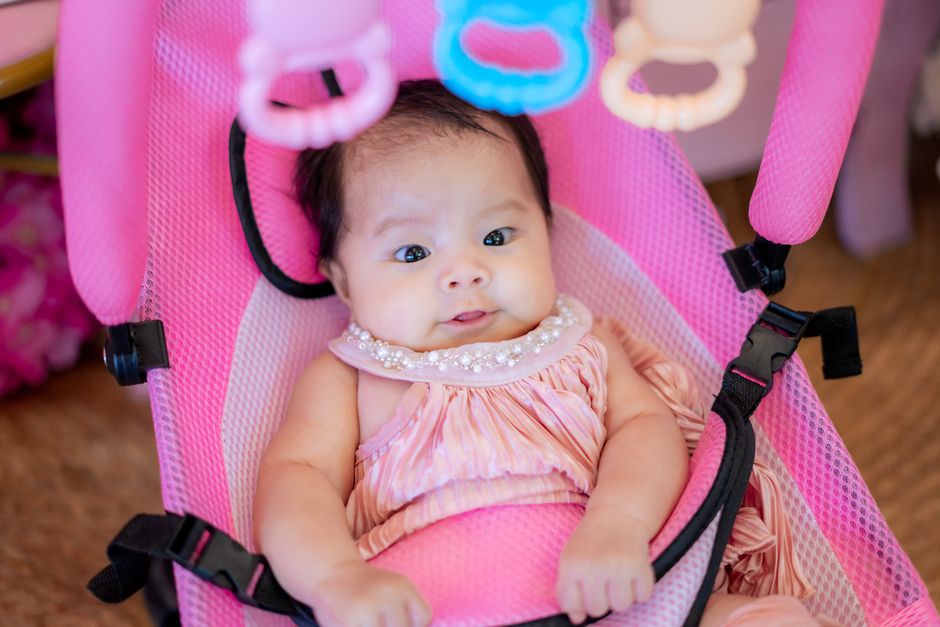
The first time I strapped him into it at fourteen weeks old, my excitement instantly morphed into deep unease. Lucas didn’t look comfortable or empowered; his heavy head lolled forward, his chin pressed hard against his sternum, his tiny shoulders rounded inward, and his lower back curved into a sad, slumped horseshoe shape. He lasted five minutes before erupting into furious, red-faced tears. Desperate to get things done, I tried propping him with small rolled burp cloths, convinced he just needed “time to get used to it.”
What finally made me permanently donate that seat was a conversation with a pediatric physical therapist. She explained that forcing an infant into an artificial vertical posture before their neuromuscular system is ready disrupts natural spinal alignment, restricts hip development, and poses severe tip-over hazards. Once we replaced restrictive seating containers with open floor play mats, invested in an ergonomic high chair with adjustable footrest support, and learned which registry items parents regret buying most, Lucas blossomed into an active, agile, and joyful mover.
1. The Posterior Pelvic Tilt & The Spinal “C-Slump”
To understand why pediatric physical therapists (PTs) and occupational therapists (OTs) avoid molded floor seats, you have to examine infant spinal biomechanics.
At birth, a newborn’s spine has a single concave curve (the primary fetal kyphosis). As babies lift their heads during tummy time and roll across the floor, their neck muscles develop the cervical lordosis. Later, crawling and pulling to stand build the lumbar lordosis (the inward curve of the lower back).
Molded Seat Foam Lip ➡️ Pelvis Forced into Posterior Tilt ➡️ Lumbar Slump (C-Curve) ➡️ Diaphragm Compression
When an infant who cannot sit independently is wedged into a molded foam seat:
- The Raised Front Lip: The deep groin pommel tilts the baby’s pelvis backward (posterior pelvic tilt).
- Spinal Slumping: The entire spine collapses into a deep “C” shape, compressing the chest cavity and impeding diaphragmatic breathing.
- Forward Head Posture: Because the trunk is slumping, the heavy head falls forward, which can compromise the airway in younger infants with weak neck extensors.
⚠️ Warning Alert: Placing a baby who lacks independent head and trunk control into a molded floor seat can cause positional asphyxiation if their chin drops continuously onto their chest.
2. Restricting the Healthy “M-Position” for Hip Development
The International Hip Dysplasia Institute (IHDI) emphasizes that during the first six months of life, an infant’s hip joint consists primarily of soft, pliable cartilage. The femoral head (ball) must sit deeply inside the acetabulum (socket) to form properly.
To promote healthy hip socket development, an infant’s legs should naturally rest in the “M-Position” (Spread-Squat or Frog-Leg posture)—where the thighs are abducted (spread apart) and the knees are bent higher than the hips.
How Floor Seats Violate Hip Ergonomics:
- Forced Adduction: Molded leg openings force the thighs together into a narrow, parallel position.
- Unnatural Extension: The legs are held straight out in front, pulling the ball of the femur toward the outer edge of the shallow hip socket.
This harmful positioning is very similar to the orthopedic concerns seen with banned infant walkers. If you want to understand how certain baby gear harms gait mechanics, read our in-depth report on why baby walkers are banned by pediatric associations.
3. The Dangerous False Sense of Security (Elevated Surface Tip-Overs)
Beyond the musculoskeletal concerns, molded floor seats carry a significant traumatic injury record.
Because these seats are lightweight, portable, and feature a flat foam base, exhausted parents frequently make the dangerous mistake of placing the seat on elevated surfaces:
- Kitchen islands while cooking dinner
- Dining room tables during family meals
- Sofas and coffee tables while relaxing
As babies grow stronger between 4 and 8 months, they can arch their backs vigorously or kick off table edges. A sudden arch can launch the lightweight seat backward, resulting in catastrophic falls onto hard tile or hardwood floors.
💡 Pediatric / Mom Tip: Even with safety straps installed, the CPSC strictly mandates that baby floor seats must NEVER be used on any elevated surface, near bathtubs, or around swimming pools.
4. Inhibiting Vestibular and Balance Reflexes
Independent sitting is not simply about holding a static pose; it is a complex neuromuscular dialogue between the inner ear (vestibular system), visual inputs, and deep core proprioceptors.
When a baby wobbles on the floor, their brain receives instant biofeedback: “I am leaning too far left—engage my right obliques to right myself!”
In a rigid floor seat, the snug foam walls catch the baby before their muscles can even register a tilt. The baby’s nervous system receives zero balance feedback, completely bypassing the development of:
- Lateral Righting Reactions: The ability to tilt the head and spine upright when the body leans.
- Protective Arm Extension: The “parachute reflex” of sticking hands out to break a fall.
Just like doorway jumpers and standing activity centers, overusing rigid containers robs your child of essential movement practice. For more details on gear to avoid, check our guide on why baby doorway jumpers harm hip alignment and posture.
5. 4 Safer, Pediatric PT-Approved Gear Alternatives
If you need a safe place to put your baby down so you can cook, fold laundry, or take a quick shower, skip the molded floor seat and choose these ergonomic solutions:
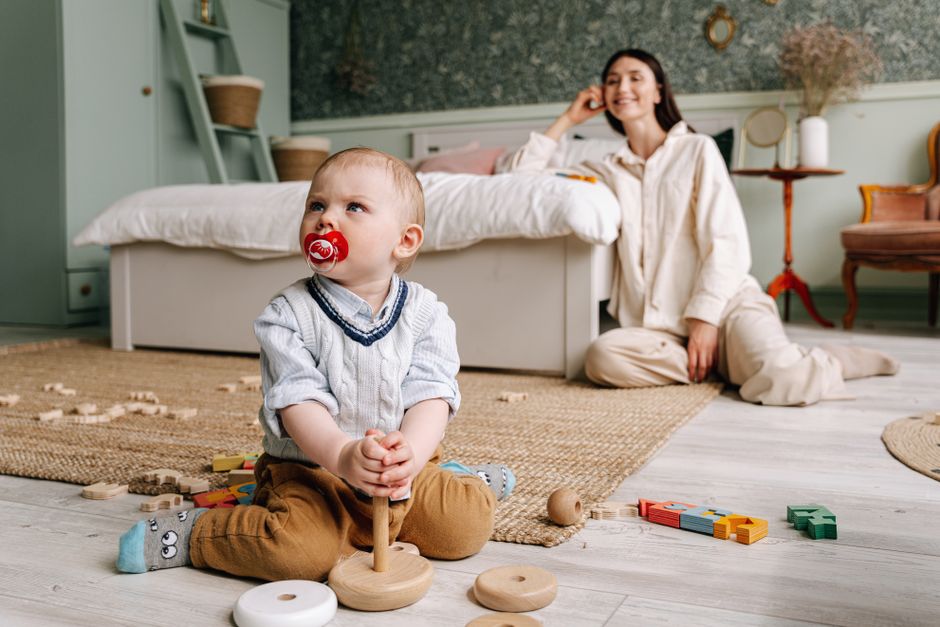
1. The Non-Toxic Foam Floor Play Mat (The #1 Gold Standard)
A simple 0.5-inch thick, non-toxic foam mat placed on your living room floor provides the absolute best developmental arena. Scatter a few mirror toys or crinkle books just outside their reach to encourage rolling and reaching.
2. The Ergonomic High Chair (For Feeding Time Only)
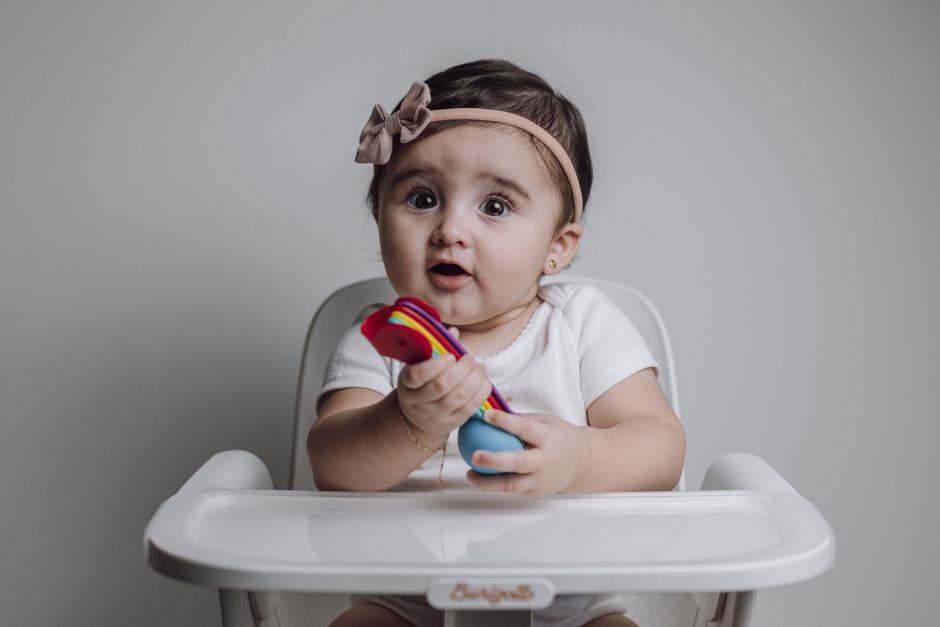
When your baby is 6 months old and sitting with minimal support, transition them directly to an ergonomic high chair that features a 90-degree upright backrest and an adjustable footrest to ground their feet.
3. A Sturdy Pack ‘n Play / Travel Crib
If you have pets or active older toddlers running around and need a 100% safe containment zone, a flat-bottomed mesh travel playard keeps baby off cold floors while allowing unrestricted rolling and stretching.
4. A Dynamic Ergonomic Bouncer (Limited to 15 Mins/Day)
If you need a quick hands-free shower, use a cloth bouncer that responds dynamically to your baby’s own kicks rather than holding them in a rigid upright mold, keeping daily usage under 15 minutes.
Summary: Molded Floor Seats vs. Ergonomic Floor Play
| Molded Floor Seat ❌ | Ergonomic Floor Play ✅ |
|---|---|
| Forces posterior pelvic tilt and slumped C-curve spine. | Promotes natural spinal curves and active core engagement. |
| Pinhole leg channels that pull hips out of the healthy M-position. | Encourages natural frog-leg squat and full hip mobility. |
| High risk of tip-overs when placed on countertops or couches. | 100% zero fall risk when baby plays directly on a firm floor mat. |
| Bypasses balance reflexes by holding the torso statically. | Builds lateral righting reactions and protective arm reflexes. |
| Short lifespan: babies outgrow leg openings within 2–3 months. | Play mats grow with your child from newborn tummy time to toddler gym. |
The Takeaway: The Floor Is Your Baby’s Best Friend
As parents, we are bombarded by brilliant marketing campaigns promising that the newest piece of plastic gear will accelerate our child’s milestones.
The most liberating truth in parenting is that your baby doesn’t need expensive seats, walkers, or containers to thrive. A clean blanket or foam mat on the living room floor, a few simple toys, and your loving presence are all your baby’s developing body needs to grow strong, balanced, and confident.
Google AdSense Placeholder
Slot ready for "in-article". Set your AdSense publisher ID in settings when approved.
Frequently Asked Questions by Moms
Are molded foam baby floor seats bad for an infant's spine? ▼
Yes, when used before an infant has core head and trunk stability. Molded foam seats force the immature pelvis into a posterior tilt, causing the lumbar spine to slump into an unnatural C-curve and placing abnormal strain on thoracic vertebrae.
Can baby floor seats cause or worsen infant hip dysplasia? ▼
Molded floor seats lock the infant's thighs into adduction (pressed together) with knees extended forward, opposing the healthy 'M-position' (frog-leg spread) recommended by the International Hip Dysplasia Institute.
What is the safest alternative to a molded floor seat for playtime? ▼
A flat, non-toxic foam floor play mat with sensory toys scattered just out of reach. Flat floor play allows babies to naturally build rotational core muscles, neck strength, and protective balance reflexes.

Written by Sarah Collins
Doctor-Reviewed & Fact-CheckedMom of Two & Founder of Mommy Tips & Life
Sarah is a mother of two (Liam & Maya) sharing evidence-based parenting guides, infant sleep solutions, and baby safety alerts tested in real family life and vetted against AAP clinical standards.
Google AdSense Placeholder
Slot ready for "footer-banner". Set your AdSense publisher ID in settings when approved.