Why Bumbo Floor Seats Are Bad for Baby Posture: 5 Pediatric PT Warnings & Regrets
Regretting your Bumbo floor seat? Physical therapists warn about pelvic tilt, rounded spine development, and hip risks. Discover safer floor sitting alternatives.
Sarah Collins
Mom of Two & Founder of Mommy Tips & Life
Google AdSense Placeholder
Slot ready for "header-banner". Set your AdSense publisher ID in settings when approved.
🩺 Medical Disclaimer: This guide is for educational purposes and should not replace pediatric or obstetric medical consultation.
🛍️ Affiliate Disclosure: We may earn a small commission when you purchase through our links at no extra cost to you.
When I was pregnant with my first child, the molded foam Bumbo floor seat was at the absolute top of my baby registry. Every parenting influencer had one in a chic pastel color, and the marketing promised that it helped babies “learn to sit upright months earlier.”
When my son turned four months old, I proudly clicked him into the tight foam seat on our living room floor. I snapped a photo and texted it to my family: “Look who’s sitting up like a big boy!”
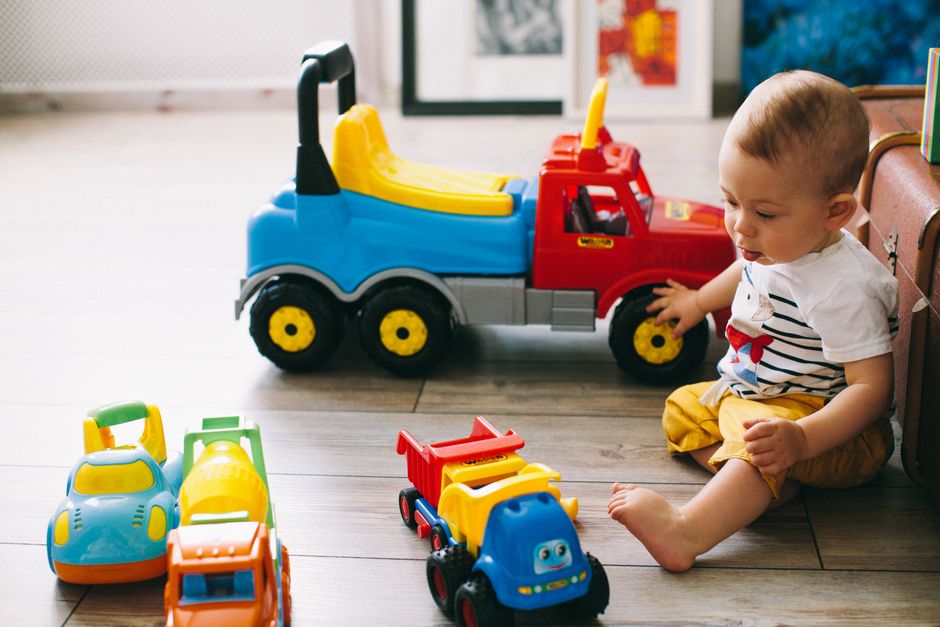
He looked cute for the first three minutes. But when I looked closely, my mom-intuition fired alarms. His little chin was pinned down against his chest, his lower back was rounded into an unnatural “C” curve, and his pelvis was tilted completely backward. Whenever he tried to turn his head to look at me, he couldn’t move his neck.
Two weeks later, during our pediatric physical therapy evaluation for mild head flattening, our therapist took one look at our gear setup and said gently: “Sarah, please put that foam seat away. It is doing his spinal development far more harm than good.”
The Upfront Gear Regret Summary: While marketed as a helpful developmental milestone tool, molded floor seats artificially wedge infants into an upright posture before their core muscles can support their body weight. This creates posterior pelvic tilt, weakens deep abdominal stabilizers, and limits the dynamic weight-shifting needed for crawling. By replacing container seats with unrestricted floor rolling, sensory tummy time, and natural “tripod sitting,” your baby builds genuine functional posture and core strength.
The Biomechanics of Sitting: Why Floor Seats Interfere
True independent sitting is not just a passive vertical position—it is an active neurological achievement. An infant must coordinate their cervical spine extensors, thoracic muscles, abdominal wall, and hip flexors simultaneously.
       ┌────────────────────────────────────────────────────────┐
       │             NATURAL SITTING VS BUMBO CONTAINMENT       │
       ├──────────────────────────┬─────────────────────────────┤
       │ Natural Floor Sitting    │ Molded Foam Floor Seat      │
       ├──────────────────────────┼─────────────────────────────┤
       │ Neutral / Anterior Pelvis│ Posterior Pelvic Tilt (Slump)│
       │ Active core & trunk sway │ Passive foam wedging        │
       │ Weight-shifting balance  │ Trapped legs & frozen hips  │
       │                          │                             │
       │ ➔ BUILDS NEURAL PATHWAYS │ ➔ DEACTIVATES CORE STABILITY│
       └──────────────────────────┴─────────────────────────────┘
When you place a 3-to-5-month-old baby into a Bumbo, the deep molded well forces their pelvis to tilt backward (posterior tilt). This mechanical slump rounds their lumbar and thoracic spine into a hunched “C-shape,” placing heavy compressive stress on immature vertebrae.
1. Posterior Pelvic Tilt and the “C-Spine” Slump
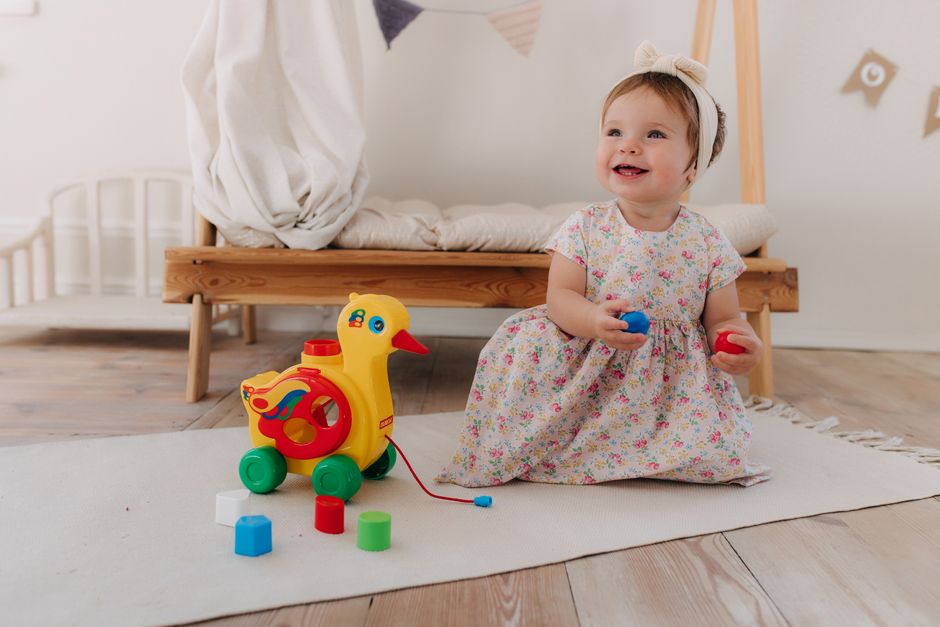
When a human sits with healthy alignment, the pelvis rests in a neutral position, allowing the spine to form a gentle “S” curve with the head balanced directly over the shoulders.
   ❌ BUMBO MOLDED SLUMP             ✅ ACTIVE TRIPOD FLOOR SIT

      [Chin Pinned to Chest]                [Head Level & Balanced]
      [Hunched C-Spine Curve]               [Elongated Spine & Active Core]
      [Pelvis Tilted Backward]              [Neutral Pelvis / Hands on Floor]
                 |                                         |
      ➔ Passive Muscle Collapse             ➔ Active Sensory Balance Reactions
      ➔ Restricted Diaphragm Breathing      ➔ Prepares Infant for Crawling
Why the Foam Mold Causes Slumping:
- Tight Leg Wells: The elevated leg openings lock the thighs in an upward angle, tilting the pelvis backward.
- Head Lag & Restricted Airway: Because the lower spine is rounded, the baby’s heavy head falls forward onto their sternum. This slumping posture can compromise infant airway flow in young babies who lack head control.
⚠️ Warning Alert: In 2007 and 2012, the CPSC issued major safety warnings and recalls for Bumbo seats after dozens of infants suffered skull fractures and severe injuries from arching backward and tumbling out of seats placed on elevated surfaces (like kitchen tables or countertops).
2. Inhibiting Natural Protective Balance Reactions
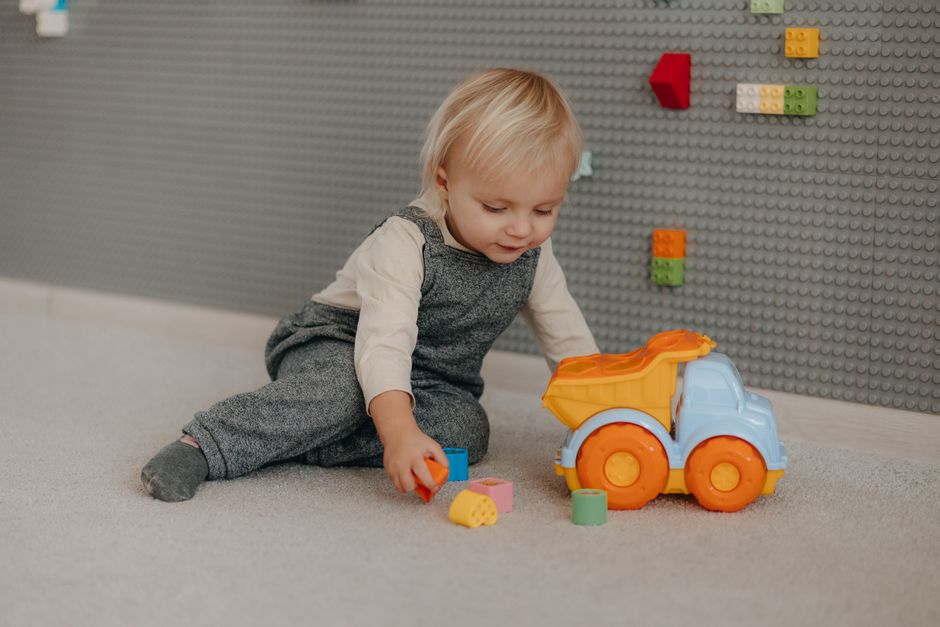
When babies learn to sit on a flat floor mat, they wobble. They sway to the left, feel gravity pull them, and fire their lateral core muscles to pull themselves back upright. If they tip over, they put their hands out to catch themselves (the parachute reflex).
What the Seat Steals from Development:
- Zero Core Activation: Because the rigid foam walls hold the baby upright, their internal trunk muscles go completely slack. They are being “held up by plastic” rather than their own muscular effort.
- Frozen Weight-Shifting: To learn how to crawl, a baby must practice shifting their weight from their bottom onto their hands and knees. Inside a floor seat, their hips and legs are physically locked in place.
This passive container trap is part of a broader nursery issue known as Infant Container Syndrome, which also includes risks from mesh crib bumpers and nursery gear regrets and dangerous baby sleep loungers and positional hazards.
3. The “Infant Container Syndrome” Overload
In modern parenting, babies are often moved from a car seat to a stroller, from a stroller to a swing, and from a swing to a floor seat.
| Baby Gear Item | Postural Impact 🦴 | Recommended Daily Limit ⏱️ |
|---|---|---|
| Bumbo / Molded Floor Seat | Posterior tilt, rounded C-spine | 0 Mins (Avoid / Minimize) ❌ |
| Infant Swing / Bouncer | Passive incline, restricted movement | Under 20 mins / day |
| Car Seat (Outside Car) | Positional asphyxiation risk | Travel use only |
| Flat Floor Mat / Firm Rug | Unrestricted movement & core building | Unlimited Floor Time ✅ |
💡 Pediatric / Mom Tip: Follow the “Container Rule of Thumb”: for every 15 minutes your baby spends confined in any seat, stroller, or bouncer, give them at least 30 minutes of free, unrestricted movement on a flat floor mat.
4. Pediatric Physical Therapist-Approved Sitting Alternatives
If you want to support your baby as they learn to sit, ditch the foam seat and use these three evidence-based motor alternatives:
1. The Ring-Sit / Tripod Sit on the Floor
Place your baby on a firm foam playmat with their legs spread in a “V” or ring shape. Gently bring their hands forward to rest on the floor between their knees (the tripod position). This activates their shoulder stabilizers, back muscles, and core while keeping their pelvis neutral.
2. The Laundry Basket Sitting Gym
Place your 6-month-old inside a smooth plastic laundry basket with a rolled towel behind their back. The basket gives gentle perimeter support while allowing their hands to reach for toys placed through the slats.
3. Parent-Assisted Lap Sitting
Sit on the floor with your legs outstretched in a “V”. Place your baby between your thighs, holding them gently by their hips (not their chest). By supporting only their pelvis, your baby does all the active balancing with their upper torso.
For more developmental milestone tips, read our comprehensive guides on tummy time mistakes and sensory hacks and baby walker hazards and developmental delays.
5. Summary: Bumbo Floor Seat Regrets vs. Healthy Alternatives
| Common Gear Mistake ❌ | PT-Approved Alternative ✅ | Why It Works 💡 |
|---|---|---|
| Wedging a 4-month-old into a foam floor seat | Flat floor play with tripod hand support | Builds natural shoulder and abdominal stability |
| Using floor seats to “teach” sitting early | Letting motor milestones emerge organically | Allows nervous system to wire balance reflexes |
| Placing floor seats on elevated tables | Keeping all baby seating strictly on the floor | Eliminates catastrophic tip-over fall risks |
| Keeping baby contained for long daily stretches | Frequent unrestricted tummy and rolling play | Prevents container syndrome and flat head spots |
| Restricting dynamic hip mobility | Open leg play on firm foam playmats | Encourages weight-shifting needed for crawling |
Final Thoughts From Sarah
It is so easy to fall into the baby gear marketing trap. We all want to give our babies the best start, and those adorable pastel seats promise milestone success with zero fuss.
Don’t feel guilty if you already bought one or received one as a shower gift. Simply pivot: take the pressure off your baby, spread out a soft blanket on the living room floor, and let gravity and natural movement do the hard work. Your baby’s strong, straight spine will thank you for years to come!
Google AdSense Placeholder
Slot ready for "in-article". Set your AdSense publisher ID in settings when approved.
Frequently Asked Questions by Moms
Why do pediatric physical therapists advise against Bumbo floor seats? ▼
Bumbo seats force infants into a rigid seated posture before their spinal extensor, core, and hip muscles are neurologically developed, causing posterior pelvic tilt, slumped C-spine rounding, and head lag.
At what age is it safe for a baby to use a Bumbo seat? ▼
Ironically, once a baby has developed the trunk strength to sit safely without slumping (around 6 to 7 months), they no longer need a Bumbo seat. Using it earlier artificially props up a weak baby and restricts natural milestone exploration.
What is 'Infant Container Syndrome'? ▼
Infant Container Syndrome refers to the collection of movement restrictions, positional flat spots (plagiocephaly), torticollis, and delayed gross motor milestones that occur when babies spend excessive daily hours confined to car seats, bouncers, swings, and floor seats.
What is the best alternative to a Bumbo seat for learning to sit? ▼
Unrestricted flat floor play on a firm mat, 'tripod sitting' with hands on the floor, and practicing seated balance inside a parent's lap or a semi-firm laundry basket with pillows behind them.

Written by Sarah Collins
Doctor-Reviewed & Fact-CheckedMom of Two & Founder of Mommy Tips & Life
Sarah is a mother of two (Liam & Maya) sharing evidence-based parenting guides, infant sleep solutions, and baby safety alerts tested in real family life and vetted against AAP clinical standards.
Google AdSense Placeholder
Slot ready for "footer-banner". Set your AdSense publisher ID in settings when approved.