Toddler Spitting When Angry? 4 Common Discipline Mistakes (And How to Stop It Fast)
Is your toddler spitting in your face or at siblings when mad? Understand the impulse control triggers behind spitting, why shaming backfires, and exact calming scripts.
Sarah Collins
Mom of Two & Founder of Mommy Tips & Life
Google AdSense Placeholder
Slot ready for "header-banner". Set your AdSense publisher ID in settings when approved.
🩺 Medical Disclaimer: This guide is for educational purposes and should not replace pediatric or obstetric medical consultation.
🛍️ Affiliate Disclosure: We may earn a small commission when you purchase through our links at no extra cost to you.
I will never forget the burning humiliation that flooded my cheeks on a sunny Tuesday at our neighborhood playground. It was time to go home for naptime, and when I told my two-and-a-half-year-old son Lucas that his turn on the swing was over, he stopped swinging, looked me straight in the eyes with clenched fists, and spat directly into my face.
A group of moms sitting on a nearby bench went dead silent. I felt instant heat in my chest—part rage, part profound shame. Convinced that my child was displaying malicious disrespect and aggressive defiance, I dragged him kicking and screaming to the car, threatening to throw away all his favorite toys and lock him in his room for the rest of the day. But over the next two weeks, the more I punished, scolded, and gasped in horror, the worse his spitting became. He started spitting whenever he was handed the wrong color cup, when his sister took a block, or when I asked him to put on his shoes.
The breakthrough came when a pediatric behavioral therapist explained the neurobiology of toddler rage: spitting is an explosive physical motor discharge triggered by a dysregulated nervous system, not calculated defiance. Toddlers lack impulse control, and big emotional parental reactions act like rocket fuel for unwanted behaviors. By adopting a calm, low-energy boundary, replacing the oral impulse with forceful “dragon breaths,” and utilizing time-in co-regulation techniques, we extinguished Lucas’s spitting behavior completely in less than six days.
1. Why Do Toddlers Spit When Angry? (The Neurobiology of Impulse Control)
To stop a toddler from spitting, you must first understand what is happening inside their 2- or 3-year-old brain when they encounter frustration:
The Prefrontal Cortex vs. The Amygdala
- The Emotional Brain (Amygdala): Highly reactive, primal, and responsible for survival fight-or-flight instincts. When a toddler hears “no,” their amygdala perceives a massive threat to their autonomy.
- The Rational Brain (Prefrontal Cortex): Responsible for emotional regulation, verbal problem-solving, and impulse inhibition. In children under 4 years old, this brain region is largely unmyelinated and immature.
When frustration surges, the amygdala hijacks the toddler’s brain. They experience an overwhelming rush of adrenaline and physical energy. Because they cannot yet say, “Mom, I am experiencing intense disappointment because I was having fun on the swing,” their body discharges that sudden pressure through the fastest physical pathways available: hitting, biting, or spitting.
[ Toddler Encounters Limit / Hears "No" ]
                    ⬇
[ Amygdala Hijack ➔ Surge of Adrenaline & Frustration ]
                    ⬇
[ Immature Prefrontal Cortex Cannot Inhibit Motor Reflex ]
                    ⬇
[ Primal Physical Discharge: Spitting / Hitting / Screaming ] ⚠️
2. 4 Common Discipline Mistakes That Make Spitting Worse
Well-meaning parents often react in ways that unintentionally cement spitting into a permanent communication tool:
1. Big Dramatic Reactions (Gasping, Yelling, or Visible Shock)
Toddlers are social scientists studying cause and effect. If spitting produces a massive explosion of adult energy—wide eyes, loud gasps, frantic scolding, or family drama—the toddler’s brain perceives spitting as a powerful magic button. Even negative attention is immensely rewarding to a toddler seeking power.
2. Using Harsh Isolation Time-Outs
Placing a dysregulated toddler alone in a corner or bedroom elevates their cortisol levels. An isolated child cannot learn neurological co-regulation. Instead of thinking about what they did wrong, they become consumed by panic or resentment. For evidence-based alternatives, explore our comparison of time-out vs time-in toddler discipline strategies.

3. Lecturing and Rationalizing During the Meltdown
Trying to explain why “spitting is gross and spreads germs” while a toddler is actively red-faced and crying is biologically futile. When a child’s nervous system is in fight-or-flight, the auditory processing centers of their brain are virtually offline. Save the teaching for when both of you are calm.
4. Punitive Retaliation or Mouth Washing
Old-school methods like putting soap in a child’s mouth or spitting back to “show them how it feels” are psychologically damaging and teach the child that bigger, stronger people use physical force and humiliation when angry.
3. The 3-Step “Calm Boundary & Replace” Protocol
When your toddler spits, implement this calm, three-step clinical protocol immediately:
[ Step 1: Neutral Physical Block ] ➔ Put hand up or step back with zero facial reaction
                    ⬇
[ Step 2: Clear Low-Tone Boundary ] ➔ "I will not let you spit. Spitting is not safe."
                    ⬇
[ Step 3: Provide Somatic Replacement ] ➔ "You are mad. Blow dragon breaths with me: WHOOSH!" ✅
Step 1: The Neutral Physical Block
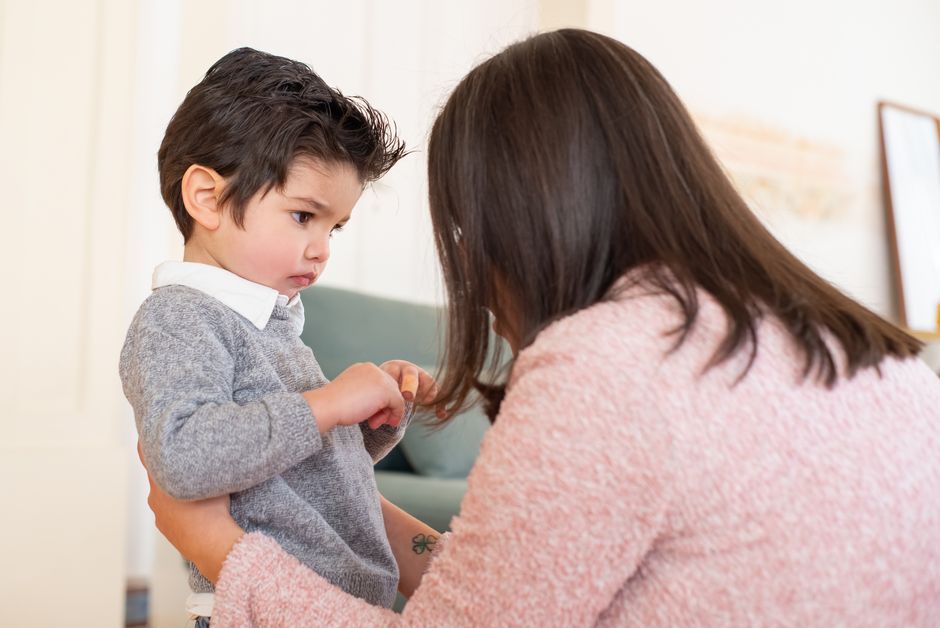
The instant saliva flies, do not gasp or yell. Calmly raise a flat hand between your face and theirs, or take one step backward to remove yourself from range. Your facial expression should remain as calm and boring as a blank sheet of paper.
Step 2: State a Clear, Low-Tone Boundary
In a quiet, grounded voice, state the rule in 8 words or less:
“I will not let you spit at me. Spitting is not safe.”
If they are spitting at a sibling or peer, gently move them to a separate space while keeping your hands gentle and firm:
“My job is to keep everyone safe. I am moving you over here so no one gets spit on.”

Step 3: Offer a Somatic Replacement
Acknowledge the underlying emotion and redirect the physical mouth sensation:
“You are really mad that playground time is over. It is okay to be mad. It is NOT okay to spit. If you need to blow hard air, blow dragon breaths with me!”
Model taking a huge inhale and blowing forceful air out through your mouth (“WHOOOOSH”). This satisfies the child’s need to expel breath and saliva without harming others. If you face frequent public blowouts, review our step-by-step roadmap on how to handle toddler public tantrums without losing your cool.
4. Differentiating Sensory Spitting vs. Emotional Anger Spitting
Not all toddler spitting is driven by anger. Determine which category your child’s behavior falls into:
| Spitting Category | Primary Motivation | Best Intervention Strategy |
|---|---|---|
| Anger / Frustration Spitting | Emotional dysregulation when told “no” or denied an object | Calm boundaries, low-energy response, dragon breaths |
| Sensory Exploration Spitting | Fascination with the physical sensation of bubbles, saliva, or physics | Providing water play, blowing bubbles, using a designated bathroom sink |
| Power / Attention Seeking Spitting | Testing parental limits to elicit a dramatic reaction | Complete emotional neutrality, removing audience, rewarding calm words |
💡 Toddler Whisperer Tip: If your toddler spits while giggling at the dinner table, it is sensory play. Simply say: “Saliva stays in our mouth. If you want to spit, let’s go to the bathroom sink.” Walk them to the sink, let them spit once, and return to dinner. The novelty vanishes instantly.
5. Proactive Strategies to Build Impulse Control
To stop spitting before it starts:
- Name Feelings Daily: Label your child’s emotions during calm moments (“Your face looks frustrated because that puzzle piece won’t fit”).
- Practice Somatic Calming Games: Play “Blowing Out the Birthday Candle” or “Lion Roars into Dragon Breaths” so the physical calming tool is muscle memory before tantrums hit. For sibling conflict resolution, check out our guide on toddler hitting baby sibling strategies.
- Offer Controlled Choices: Prevent power struggles by offering two acceptable options: “Do you want to walk to the car like a dinosaur or hop like a bunny?” For persistent defiance, see toddler power struggles and discipline scripts.
6. Common Reaction Mistakes vs. Co-Regulation Fixes
| Common Reaction ❌ | Evidence-Based Co-Regulation Fix ✅ |
|---|---|
| Screaming: “Don’t you dare spit at me! That is disgusting!” | Quietly stepping back and stating: “I will not let you spit. Spitting is not safe.” |
| Forcing child to sit alone in time-out for 5 minutes | Staying close in a “time-in” to help their nervous system de-escalate |
| Laughing because the toddler looks funny | Maintaining a neutral, calm face so behavior isn’t reinforced |
| Demanding an immediate forced apology while screaming | Waiting until child is 100% calm before discussing kind ways to make amends |
| Ignoring the root cause of the emotional meltdown | Naming the frustration and redirecting the oral burst to deep blowing breaths |
A Final Encouraging Reminder for Exhausted Parents
Having your child spit at you is one of the most triggering experiences in toddlerhood. It feels personal, disrespectful, and infuriating. But remind yourself: your toddler is not giving you a hard time; they are having a hard time.
When you meet their storm with your calm, you teach their developing brain that big feelings can be survived safely without hurting others. Stay steady, breathe through the impulse, and watch their emotional maturity bloom.
Google AdSense Placeholder
Slot ready for "in-article". Set your AdSense publisher ID in settings when approved.
Frequently Asked Questions by Moms
Why is my toddler suddenly spitting when mad or told no? ▼
Toddlers spit because their prefrontal cortex (the brain's impulse control center) is neurologically underdeveloped. When overwhelmed by frustration, anger, or sensory overload, spitting serves as an instantaneous, explosive physical release for emotions they lack the vocabulary to express.
How should I react in the moment when my toddler spits in my face? ▼
Keep your facial expression completely neutral, calmly block further spitting by placing a hand between your faces or gently stepping back, and state a firm, low-tone boundary: 'I will not let you spit at me. Spitting is not safe.' Avoid yelling, gasping, or laughing, as big reactions reinforce the behavior.
Do time-outs stop toddler spitting? ▼
Traditional isolation time-outs often backfire with spitting. When an emotionally flooded toddler is isolated, their nervous system perceives abandonment rather than learning impulse regulation, frequently leading to intensified defiance, kicking, and more spitting upon release.
What is a healthy replacement behavior for spitting? ▼
Redirect the oral impulse into an acceptable somatic outlet: teach your child to blow 'hot dragon breaths' out their mouth, blow bubbles into a cup of water with a straw, or designate a sink where they can spit safely if saliva buildup is sensory-driven.

Written by Sarah Collins
Doctor-Reviewed & Fact-CheckedMom of Two & Founder of Mommy Tips & Life
Sarah is a mother of two (Liam & Maya) sharing evidence-based parenting guides, infant sleep solutions, and baby safety alerts tested in real family life and vetted against AAP clinical standards.
Google AdSense Placeholder
Slot ready for "footer-banner". Set your AdSense publisher ID in settings when approved.