Postpartum Perineal Tear Care: 6 Mistakes Delaying Your Healing (And Stitches Red Flags)
Struggling with painful perineal tears, stinging stitches, or fear of tearing? Discover OB-GYN approved healing tips, red flags, and daily relief protocols.
Sarah Collins
Mom of Two & Founder of Mommy Tips & Life
Google AdSense Placeholder
Slot ready for "header-banner". Set your AdSense publisher ID in settings when approved.
🩺 Medical Disclaimer: This guide is for educational purposes and should not replace pediatric or obstetric medical consultation.
🛍️ Affiliate Disclosure: We may earn a small commission when you purchase through our links at no extra cost to you.
After thirty-six hours of unmedicated labor with my firstborn and two intense hours of pushing, I experienced a severe second-degree perineal tear. The moment the epidural wore off in the recovery ward, a deep, burning fire radiated through my entire pelvis. Every time I had to use the bathroom, I broke down in tears, terrified that my dissolvable stitches would snap and tear open.
Nobody prepared me for the raw physical reality of perineal recovery. I made every classic mistake in the book—from using toilet paper too early and sitting upright on hard chairs to overexerting myself on day five trying to tidy the nursery.
The Quick Breakthrough Summary: Healing from a vaginal tear requires protecting the delicate micro-stitches from tension, friction, and downward pelvic pressure. The turning point in my physical recovery came when my postpartum nurse introduced me to the 4-step perineal restoration protocol: replacing toilet paper entirely with an angled warm peri bottle wash, wearing organic witch hazel padsicles, practicing the “toilet splinting” technique during bowel movements, and honoring strict horizontal rest for the first ten days. Within a week, the burning subsided, and comfortable mobility returned.
Understanding Perineal Tear Degrees: What Actually Happened Down There?
During vaginal birth, the perineum (the fibromuscular tissue between the vaginal opening and the anus) stretches dramatically. Over 85% of first-time mothers who deliver vaginally sustain some form of perineal laceration.
       ┌────────────────────────────────────────────────────────┐
       │             THE 4 DEGREES OF PERINEAL TEARS            │
       ├──────────────┬─────────────────────────────────────────┤
       │ 1st Degree   │ Superficial skin & vaginal mucosa.      │
       │              │ Mild stinging; often needs no stitches. │
       ├──────────────┼─────────────────────────────────────────┤
       │ 2nd Degree   │ Involves perineal muscles (most common).│
       │              │ Dissolvable stitches; 3-4 week healing. │
       ├──────────────┼─────────────────────────────────────────┤
       │ 3rd Degree   │ Extends into external anal sphincter.   │
       │              │ Requires OR repair & specialized rehab. │
       ├──────────────┼─────────────────────────────────────────┤
       │ 4th Degree   │ Extends completely through anal mucosa. │
       │              │ Intensive surgical repair & monitoring. │
       └──────────────┴─────────────────────────────────────────┘
Dissolvable sutures used in repairs are made of biological polymer filaments designed to absorb as your tissues generate new collagen. Protecting these tiny sutures during the first 14 days is essential to prevent wound breakdown (dehiscence).

1. Wiping with Toilet Paper (The Friction Trap)
The most painful mistake postpartum mothers make is reaching for regular toilet paper after urinating. Dry, bleached paper fibers snag on delicate suture knots, introducing fecal bacteria and tearing healing tissue edges apart.
The Warm Water Irrigation Technique:
- The Peri Bottle Is Non-Negotiable: Fill an upside-down ergonomic peri bottle with warm (not hot) filtered water.
- Continuous Flow: Begin spraying a gentle, continuous stream over your perineum as you start urinating. The water dilutes acidic urine, completely preventing that excruciating stinging burn.
- Pat, Never Wipe: After finishing, use a clean organic cotton round, bamboo wipe, or hair dryer on the cool setting to gently pat dry. Never drag or rub across the stitch line.
2. Sitting on Ring or “Doughnut” Pillows
It seems intuitive: if your perineum hurts to sit on, a doughnut-shaped pillow with a hollow center should keep pressure off the wound. In reality, doughnut pillows worsen perineal trauma.
       ┌────────────────────────────────────────────────────────┐
       │             THE DOUGHNUT PILLOW PARADOX                │
       ├──────────────────────────┬─────────────────────────────┤
       │ Why Moms Use It 🍩       │ What Physically Happens ⚠️   │
       ├──────────────────────────┼─────────────────────────────┤
       │ Keeps perineum off hard  │ Spreads sitz bones apart.   │
       │ surfaces.                │ Increases venous pooling.   │
       │                          │ Creates downward pressure   │
       │                          │ that stretches stitches.    │
       └──────────────────────────┴─────────────────────────────┘
When your sitz bones are not properly supported on a flat surface, gravity pulls the pelvic floor downward into the hole, causing edema (fluid swelling), hemorrhoid flare-ups, and stitch tension. If you’re battling painful swollen rectal veins alongside tearing, check our guide on postpartum hemorrhoids treatment and recovery mistakes.
💡 Pediatric / Mom Tip: Instead of a donut pillow, sit on a firm, flat surface and tuck a flat, soft frozen gel pad under your sitz bones. When resting, recline in a semi-side-lying position on your bed to completely unload gravitational pressure from your pelvic floor.
3. Straining and Holding In Bowel Movements
The fear of having that first bowel movement after a second- or third-degree tear is completely valid. Many mothers subconsciously clench their pelvic muscles, holding in stool for days until severe impaction occurs.
The Splinting Protocol
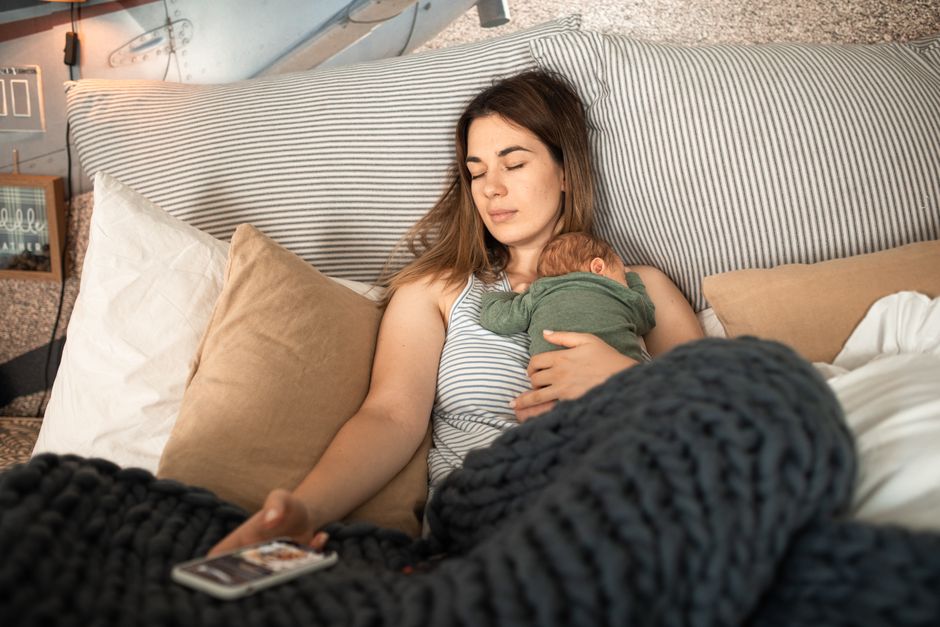
Straining increases intra-abdominal pressure and can rupture perineal stitches. To pass bowel movements safely:
- Take Daily Stool Softeners: Take osmotic stool softeners (like docusate sodium or polyethylene glycol) consistently as prescribed by your OB-GYN—do not skip doses.
- Elevate Your Feet: Use a toilet stool (Squatty Potty) to angle your knees above your hips, relaxing the puborectalis muscle.
- The Splint Technique: Take a clean, folded warm washcloth or sanitary pad, hold it firmly against your perineal stitches with your hand, and apply gentle upward pressure while you bear down gently. This supports the suture line and prevents the sensation that “everything is falling out.”
For a step-by-step psychological and physical guide, read our dedicated protocol for surviving the first postpartum poop.
4. Overexerting on Day 4 or 5 (“The Honey Moon Crash”)
Around day 4 postpartum, your initial hospital adrenaline might surge. Many mothers make the mistake of standing on their feet for hours doing laundry, walking up and down stairs, or hosting a house full of eager relatives.
Standing and walking create continuous downward gravitational shear stress across healing perineal muscles.
       ┌────────────────────────────────────────────────────────┐
       │             THE "5-5-5" POSTPARTUM REST RULE           │
       ├────────────────────────────────────────────────────────┤
       │ • 5 Days IN the Bed (Horizontal nursing & resting).    │
       │ • 5 Days ON the Bed (Sitting up, gentle movements).    │
       │ • 5 Days AROUND the Bed (Resting in the room).         │
       │ ➔ Protects collagen synthesis & pelvic floor organs.  │
       └────────────────────────────────────────────────────────┘
Resting horizontally allows maternal lymphatic fluid to drain naturally, reducing perineal swelling and protecting against long-term complications like postpartum pelvic organ prolapse symptoms.
5. Ice vs. Heat: Using the Wrong Therapy at the Wrong Time
Both cold and warm therapies are essential for perineal healing, but applying them in the wrong chronological order can stall tissue regeneration.

The Phase-Based Therapy Rules:
- Hours 0 to 48 (Vasoconstriction & Ice): In the first two days, your priority is controlling severe inflammation and blunt trauma bruising. Apply frozen gel packs or witch hazel “padsicles” for 15–20 minutes at a time.
- Day 3 and Beyond (Vasodilation & Warmth): After 48 hours, switch to warm sitz baths. Warm water dilates capillary beds, delivering fresh oxygen, white blood cells, and nutrients to accelerate cellular healing.
Summary Comparison: Perineal Tear Recovery
| Daily Care Area | Mistake That Stalls Healing ❌ | OB-GYN Approved Healing Protocol ✅ |
|---|---|---|
| Bathroom Hygiene | Wiping front-to-back with dry toilet paper | Spraying warm peri bottle during urination; patting dry |
| Seating Posture | Sitting in doughnut pillows on soft couches | Flat supported seating with side-lying bed rest |
| Bowel Movements | Straining against clenched pelvic muscles | Using a toilet footstool + manual perineal splinting |
| Activity Level | Walking long distances and carrying heavy gear | Horizontal bed rest following the 5-5-5 recovery rule |
| Pain Management | Suffering in silence out of fear of meds | Alternating Ibuprofen & Acetaminophen on a strict schedule |
| Wound Soaking | Long bubble baths with scented salts | 10-min plain warm water or Epsom sitz bath 2x daily |
Red Flag Warning Signs: When to Call Your OB-GYN Immediately
While soreness and mild itching (as stitches dissolve) are normal, certain symptoms indicate complications that require medical evaluation:
       ┌────────────────────────────────────────────────────────┐
       │             PERINEAL WOUND RED FLAGS 🚨                │
       ├────────────────────────────────────────────────────────┤
       │ ⚠️ Escalating, throbbing pain not relieved by meds.    │
       │ ⚠️ Foul, fishy, or putrid odor from vaginal discharge. │
       │ ⚠️ Visible stitch opening, gaping, or loose threads.   │
       │ ⚠️ Pus, yellow exudate, or spreading skin redness.     │
       │ ⚠️ Incontinence of stool or inability to control gas.  │
       │ ⚠️ Fever above 100.4°F (38°C) or body chills.          │
       └────────────────────────────────────────────────────────┘
If you experience severe heavy bleeding that fills more than one maxi pad per hour, review our clinical guide on postpartum blood clots warning signs and recovery red flags and seek emergency care immediately.
Sarah’s Encouragement for Healing Mamas
Birth is a profound physical marathon, and an injured perineum is a badge of your strength—not a failure of your body. Be fiercely gentle with yourself during these early weeks. Say no to visitors, stay in your pajamas, keep your feet up, and let your body perform the incredible biological miracle of healing.
You brought life into this world, and you deserve all the care, rest, and comfort in the universe as you recover.
Google AdSense Placeholder
Slot ready for "in-article". Set your AdSense publisher ID in settings when approved.
Frequently Asked Questions by Moms
How long does a second-degree perineal tear take to heal? ▼
Most first- and second-degree perineal tears heal significantly within 2 to 4 weeks, with dissolvable stitches naturally absorbing within 14 to 21 days. Deep muscular and nerve recovery typically takes 6 to 12 weeks.
Are doughnut pillows safe to sit on after a perineal tear? ▼
No. OB-GYNs and pelvic floor physical therapists strongly advise against donut cushions. Sitting on a ring separates your sitz bones, increasing downward gravitational pressure and swelling directly on healing stitches.
What are the warning signs of an infected postpartum tear? ▼
Red flags include foul-smelling vaginal discharge, escalating severe throbbing pain that worsens rather than improves after day 4, visible gaping/separation of the wound edges, localized hot red swelling, or a fever over 100.4°F (38°C).
When can I start taking sitz baths after tearing during delivery? ▼
You can usually begin warm sitz baths 2 to 3 days after delivery, soaking for 10 to 15 minutes 2–3 times daily to boost blood circulation and soothe bruised tissues, provided your provider has given the go-ahead.

Written by Sarah Collins
Doctor-Reviewed & Fact-CheckedMom of Two & Founder of Mommy Tips & Life
Sarah is a mother of two (Liam & Maya) sharing evidence-based parenting guides, infant sleep solutions, and baby safety alerts tested in real family life and vetted against AAP clinical standards.
Google AdSense Placeholder
Slot ready for "footer-banner". Set your AdSense publisher ID in settings when approved.