How to Survive Your Terrifying First Postpartum Poop (Without Tearing Your Stitches)
Dreading your first postpartum bowel movement? Discover why it feels terrifying with stitches or a C-section, and the gentle, pain-free protocol to go safely without straining.
Sarah Collins
Mom of Two & Founder of Mommy Tips & Life

Google AdSense Placeholder
Slot ready for "header-banner". Set your AdSense publisher ID in settings when approved.
🩺 Medical Disclaimer: This guide is for educational purposes and should not replace pediatric or obstetric medical consultation.
🛍️ Affiliate Disclosure: We may earn a small commission when you purchase through our links at no extra cost to you.
It was Day 3 postpartum after giving birth to my son Lucas. I had survived 26 hours of unmedicated back labor, a second-degree perineal tear, and six stitches. Yet, standing in front of the hospital bathroom toilet, gripping the metal handicap rail with white knuckles, I was more terrified than I had been during active labor.
My pelvic floor felt like bruised, throbbing hamburger meat. Every primitive instinct in my brain screamed that if I dared to sit down and bear down even a fraction of an inch, my stitches would rip wide open and my internal organs would spill onto the floor. I was shaking so hard my knees knocked together. I held it in for another 36 agonizing hours out of sheer panic—until the resulting constipation became so hard and painful that I ended up sobbing into a towel on the bathroom floor at 3:00 AM.
The postpartum bathroom experience is one of the least discussed, most frightening milestones of new motherhood (especially if you are also suffering from severe postpartum tailbone and coccyx pain when sitting down). But here is the secret veteran postpartum nurses know: with the right biomechanical positioning, counter-pressure splinting, and stool consistency, your first postpartum poop does not have to hurt. Once you learn how to work with your pelvic floor instead of fighting against it, you can pass this milestone smoothly, safely, and completely pain-free.
1. Why Is the First Postpartum Poop So Terrifying? (The Anatomy of the Fear)
The sheer dread of the first postpartum bowel movement is not just in your head—it is caused by a perfect storm of anatomical trauma and physiological slowdown:
- Stretched and Bruised Pudendal Nerves: During vaginal delivery, the pudendal nerve (which innervates the perineum, rectum, and sphincter) is compressed and stretched, temporarily dulling natural sensation and neuromuscular coordination.
- Progesterone & Pain Medication Gut Slump: Elevated postpartum hormones, IV fluids, epidural anesthesia, and narcotic pain medications drastically slow intestinal peristalsis, allowing the colon to extract excess water and turn stools rock-hard.
- Perineal and C-Section Incision Trauma: Whether healing from an episiotomy, a severe tear, or an abdominal incision, any downward pressure triggers protective muscle guarding (involuntary clenching of the levator ani muscles).
Trauma / Incisions ➡️ Fear of Tearing ➡️ Involuntary Sphincter Clenching ➡️ Severe Constipation ➡️ Harder Stool & Straining Pain
If you are recovering from surgical delivery, read our clinical guide on C-section recovery, healing mistakes, and infection warning signs to keep your incision protected.
2. The Golden Rule: Stool Softeners vs. Stimulant Laxatives
The biggest mistake postpartum mothers make is waiting until they feel severe constipation before taking action. Prevention starts in the recovery room.
The Crucial Distinction:
- Stool Softeners (Docusate Sodium / Colace) & Osmotic Agents (MiraLAX) ✅: These do not force bowel contractions. Instead, they act as gentle wetting agents, allowing dietary fats and water to penetrate stool bulk, keeping it as soft as peanut butter.
- Harsh Stimulant Laxatives (Senna / Bisacodyl) ❌: Avoid aggressive stimulant laxatives in the first 72 hours unless specifically ordered by your physician. They trigger violent colonic cramping that puts sudden, agonizing pressure on sensitive perineal tears.
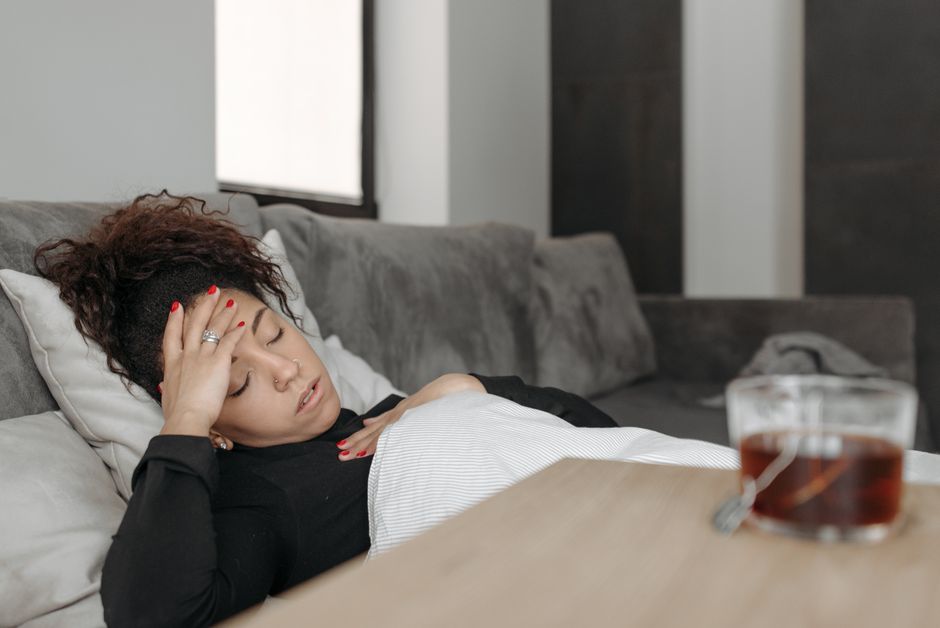
⚠️ Warning Alert: Hydration is non-negotiable. If you are breastfeeding, your body is shunting massive amounts of water directly into colostrum and breast milk production. Drink at least 100 to 120 ounces of electrolyte-rich water and broths daily to prevent colon dehydration.
3. The 5-Step “Pain-Free Evacuation” Protocol
When you feel the first gentle urge to go, do not panic and do not hold it in. Follow this step-by-step physical therapy protocol:
Step 1: The “Squatty” Elevation Setup
Never sit flat on a standard 90-degree toilet. In a normal seated posture, the puborectalis muscle wraps around the rectum like a tight lasso, kinking the canal.
- Place a footstool, yoga block, or upside-down trash can under your feet.
- Raise your knees above your hips (creating a 35-degree squat angle).
- Lean forward slightly and rest your elbows comfortably on your knees. This completely un-kinks the anorectal canal, allowing stool to slide out with zero effort.
Step 2: The Perineal Splinting Technique (The Game Changer)
This single technique eliminates 90% of postpartum poop terror:
- Take a clean, thick maternity sanitary pad or folded washcloth dampened with warm witch hazel.
- Place your hand firmly over your perineum (the tender area between your vagina and rectum).
- Press firm, supportive counter-pressure upward against your stitches as you bear down gently.
- Why this works: It physically supports the incision and pelvic floor tissues, convincing your brain that your stitches are completely reinforced and cannot pop open.
Step 3: The Warm Peri-Bottle Cascade
Fill your angled peri-bottle with warm (not hot!) water. As you begin to pass stool, continuously squirt the warm water stream over your front perineum and vulva. The soothing heat relaxes tight pelvic floor muscles and prevents stinging from urine or friction.
Step 4: The “Moo to Poo” Open-Glottis Breathing
Never hold your breath and push like you did during labor (the Valsalva maneuver). Breath-holding spikes intra-abdominal pressure and forces hemorrhoids to flare.
- Take a deep belly breath through your nose.
- Make a low, guttural “Moooo” or “Blow-before-you-go” sound as you exhale slowly through your mouth.
- Making a low sound forces your vocal cords (glottis) and pelvic floor sphincters to open in unison.
Step 5: Pat, Spray, and Cool (Never Wipe!)
- Never drag dry toilet paper across your healing perineum.
- Rinse thoroughly with your peri-bottle.
- Pat gently with pure cotton witch hazel wipes.
- Apply a generous layer of soothing zinc oxide hemorrhoid cream or organic perineal balm. If you are struggling with painful swelling, consult our proven tips on postpartum hemorrhoids treatment and relief mistakes.
Knees Elevated on Stool ➡️ Upward Splint on Stitches ➡️ Warm Peri Stream ➡️ "Moo" Exhalation ➡️ Pain-Free Gentle Relief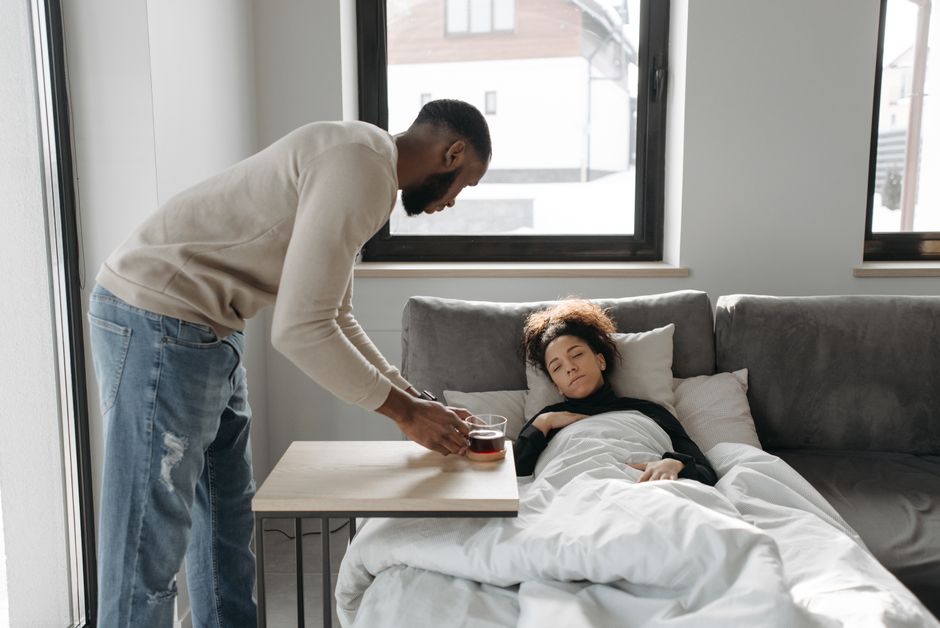
4. When to Call Your Healthcare Provider
While soreness, swelling, and mild apprehension are universal, certain symptoms require immediate evaluation by your obstetric team:
- Inability to pass stool or gas by Day 5 postpartum despite stool softeners.
- Severe, escalating throbbing pain in the rectal or vaginal area (potential pelvic hematoma).
- Foul-smelling discharge or visible gap/separation in your perineal stitches. For a full wound audit, see our postpartum perineal tear healing and stitches care guide.
- Involuntary loss of bowel control or feeling a heavy bulge falling out of the vagina. If you suspect pelvic floor weakness, review our complete guide on postpartum pelvic organ prolapse symptoms and recovery.
For an exhaustive audit of life-threatening postpartum emergencies, check out our comprehensive guide on postpartum recovery warning signs and red flags you should never ignore.
💡 Pediatric / Mom Tip: Keep a basket stocked right next to your toilet with your essentials: angled peri-bottle, stool softener capsules, witch hazel pads, a footstool, and high-fiber prune snacks so you never have to scramble when the urge strikes.
Summary: Postpartum Bathroom Traps vs. Healing Solutions
| Common Mistake ❌ | Gentle Healing Alternative ✅ |
|---|---|
| Holding in bowel movements for days out of fear of tearing stitches. | Go at the first gentle urge before stool hardens into a painful impaction. |
| Sitting upright at a 90-degree angle with feet dangling flat on the floor. | Elevate knees above hips on a footstool to un-kink the anorectal passage. |
| Holding breath and bearing down hard (Valsalva). | Use “Moo-to-Poo” diaphragmatic exhalations to relax the anal sphincter. |
| Wiping aggressively with dry, bleached toilet paper. | Rinse with warm peri-water and pat gently with alcohol-free witch hazel wipes. |
| Taking harsh stimulant laxatives that cause painful, violent intestinal spasms. | Rely on gentle docusate sodium (Colace) and high-fiber hydration. |
The Takeaway: You’ve Already Done the Hardest Part
Giving birth—whether through hours of pushing or major abdominal surgery—is an athletic feat of monumental proportions. Standing in front of that bathroom mirror, it is easy to feel fragile, bruised, and overwhelmed.
Give yourself immense grace. Your stitches are stronger than you think, your body knows how to heal, and that first scary bathroom trip will soon be nothing more than a distant postpartum memory. Elevate your feet, hold your splint, exhale slowly, and let your body do what it was designed to do.
Google AdSense Placeholder
Slot ready for "in-article". Set your AdSense publisher ID in settings when approved.
Frequently Asked Questions by Moms
Can pushing during my first postpartum poop tear my stitches? ▼
No, standard perineal stitches are strong, absorbable surgical sutures designed to withstand gentle, normal bowel movements. However, bearing down forcefully (Valsalva straining) increases pelvic floor tension, which is why stool softeners and counter-pressure splinting are essential.
How many days after giving birth should you have a bowel movement? ▼
Most women have their first postpartum bowel movement between 2 and 4 days after delivery. If you have not passed gas or stool by day 5, or experience severe abdominal cramping, contact your OB-GYN or midwife immediately.
What is the best stool softener for postpartum constipation? ▼
Docusate sodium (Colace) and polyethylene glycol (MiraLAX) are the most recommended stool softeners because they draw water into the stool without causing harsh, painful intestinal cramping or bowel dependency.

Written by Sarah Collins
Doctor-Reviewed & Fact-CheckedMom of Two & Founder of Mommy Tips & Life
Sarah is a mother of two (Liam & Maya) sharing evidence-based parenting guides, infant sleep solutions, and baby safety alerts tested in real family life and vetted against AAP clinical standards.
Google AdSense Placeholder
Slot ready for "footer-banner". Set your AdSense publisher ID in settings when approved.