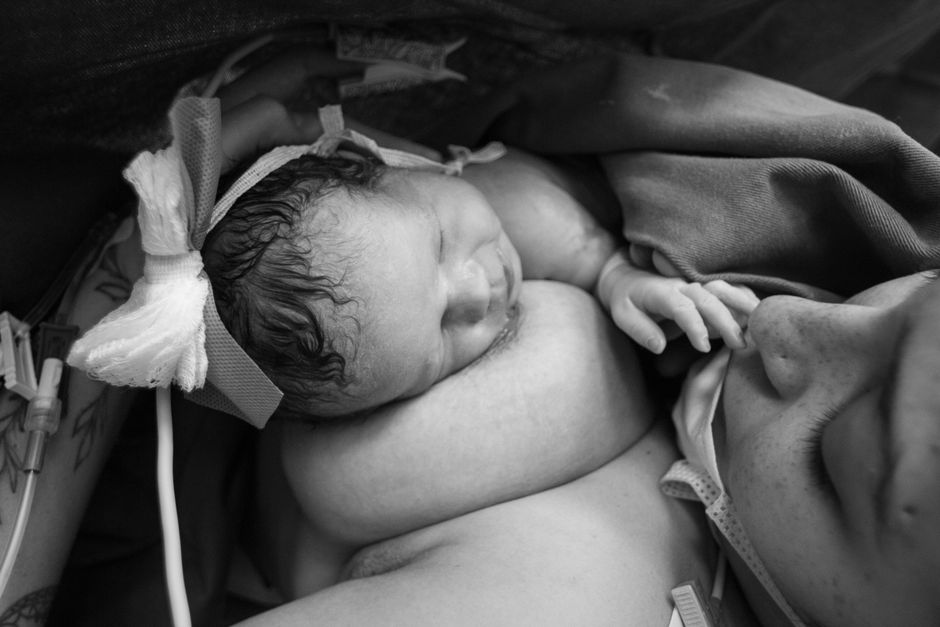
Postpartum Blood Clots vs. Normal Bleeding: 5 Critical Red Flags You Can't Ignore
Is your postpartum bleeding normal lochia or a sign of secondary hemorrhage? Learn the golf-ball clot rule, pad-soaking thresholds, and when to seek emergency medical care.
Sarah Collins
Mom of Two & Founder of Mommy Tips & Life

Google AdSense Placeholder
Slot ready for "header-banner". Set your AdSense publisher ID in settings when approved.
🩺 Medical Disclaimer: This guide is for educational purposes and should not replace pediatric or obstetric medical consultation.
🛍️ Affiliate Disclosure: We may earn a small commission when you purchase through our links at no extra cost to you.
Ten days after bringing Lucas home from the hospital, I was standing at the kitchen counter trying to sterilize pump parts when I felt a sudden, warm gush between my legs. I rushed to the bathroom, and my stomach plummeted: a dark, gelatinous blood clot the size of a lemon had passed onto my maternity pad. Within minutes, my hands began shaking, my heart was racing at 120 beats per minute, and a cold sweat broke out across my forehead.
Like so many new mothers, my initial instinct was to minimize the situation. I told myself, “You just walked up the stairs too fast; childbirth is messy; you’re fine.” I felt embarrassed to call my OB triage line in the middle of a busy weekday afternoon for something that might just be “normal postpartum bleeding.” But the dizziness overwhelmed me as I stood up, and my husband immediately dialed emergency services.
At the hospital, the emergency OB team informed me that a piece of retained placental tissue had prevented my uterine blood vessels from clamping shut, triggering a secondary postpartum hemorrhage. That terrifying experience taught me a profound lesson: new mothers are conditioned to normalize alarming bodily symptoms. Understanding the Golf-Ball Rule, recognizing the Lochia Color Timeline, and knowing pad-saturation metrics can literally save your life. If you want to review other critical maternal symptoms, explore our comprehensive guide on 7 postpartum warning signs you should never ignore.
The Biology of Postpartum Uterine Healing & Lochia
After the delivery of your baby, your body must deliver the placenta, which was attached to the inner uterine wall. This leaves a circular raw wound approximately the size of an 8-inch dinner plate inside your uterus, containing hundreds of exposed, open blood vessels.
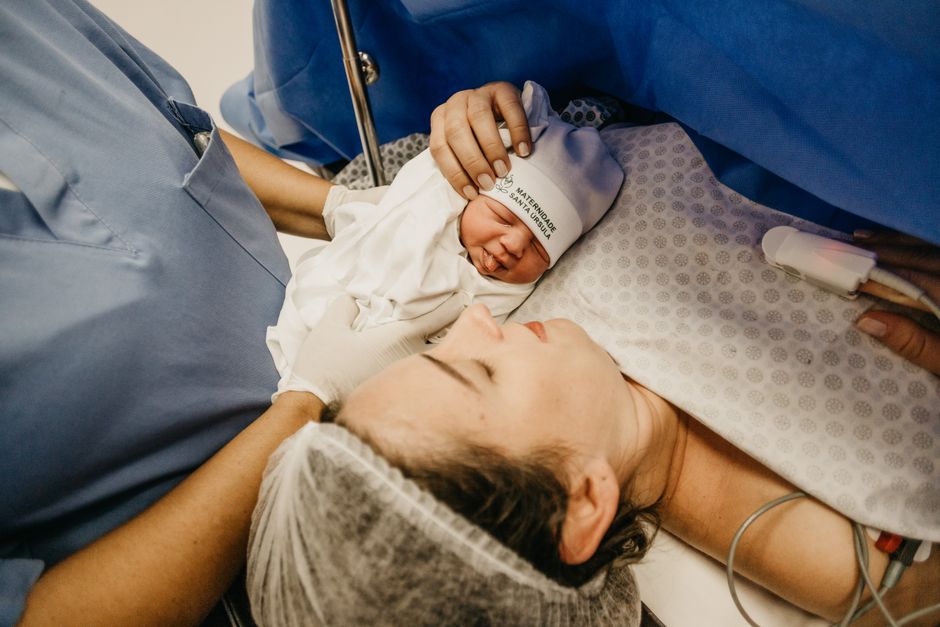
How Your Body Naturally Controls Bleeding:
- Myometrial Contractions (Afterpains): The smooth muscle fibers of the uterus contract rhythmically (stimulated by natural oxytocin during breastfeeding), physically compressing the open spiral arteries like living surgical ligatures.
- Coagulation Cascades: Platelets and fibrin mesh seal the wound bed, forming a protective scab.
- Lochia Shedding: As the uterine lining (endometrium) regenerates, the body sheds blood, mucus, and tissue in a predictable three-phase progression.
The 3 Clinical Stages of Normal Lochia
To distinguish between healthy recovery and abnormal hemorrhage, every mother must track the progression of her lochia:
[ Days 1 to 4: Lochia Rubra ] ➔ Bright / Dark Red, Heavy flow, Small grape-sized clots
             ⬇
[ Days 4 to 10: Lochia Serosa ] ➔ Pinkish / Brownish, Thinner watery consistency
             ⬇
[ Days 10 to 28+: Lochia Alba ] ➔ Yellowish / Creamy White, Minimal discharge
💡 Pediatric / Mom Tip: If your lochia progresses from pinkish-brown back to bright crimson red after week two, your body is telling you that you are doing too much physical exertion. Rest immediately and elevate your feet for 24 hours.
5 Critical Red Flags of Abnormal Postpartum Blood Clots
1. Clots Larger Than a Golf Ball (The 1.5-Inch Metric)
Passing small, dime-to-quarter-sized clots during the first 3 to 4 days postpartum—especially when standing up after lying down or during breastfeeding—is normal. Blood naturally pools in the vaginal vault and forms minor clots.
However, any clot that equals or exceeds the size of a golf ball, plum, or lemon indicates that rapid bleeding is occurring inside the uterine cavity faster than the body’s clotting mechanisms can manage.
2. The 1-Hour Heavy Pad Saturation Threshold
If you are soaking completely through a large, heavy-duty hospital maternity maxi-pad (front to back, edge to edge) in under 60 minutes for two consecutive hours, you are experiencing active hemorrhaging.
What Constitutes “Soaked”:
- Pad is so saturated that blood leaks onto underwear or bedsheets within 60 minutes.
- Blood flows in a steady, continuous stream rather than intermittent trickles.
⚠️ Warning Alert: Alongside heavy bleeding, always monitor for sudden severe headaches or vision changes that could indicate postpartum preeclampsia warning signs, or systemic breast inflammation like clogged ducts turning into mastitis.
3. Foul-Smelling, Putrid Vaginal Odor (Endometritis Risk)
Healthy lochia smells metallic or similar to a normal menstrual period. It should never smell rotten, fishy, or foul.
A pungent, offensive odor indicates a bacterial uterine infection called endometritis. If left untreated, bacteria can rapidly penetrate the myometrium and enter the bloodstream, causing maternal sepsis.
Accompanying Endometritis Symptoms:
- Oral temperature above 100.4°F (38°C).
- Chills and flu-like muscle aches.
- Severe, worsening pelvic cramping that does not respond to ibuprofen.
4. Systemic Hypovolemic Shock Symptoms
When significant blood volume is lost internally, the circulatory system struggles to maintain blood pressure to vital organs. You may feel these symptoms before you even realize how much you are bleeding.
- Sudden Dizziness / Lightheadedness upon standing.
- Tachycardia: Resting heart rate spiking above 100–110 bpm.
- Shortness of breath or feeling like you cannot take a deep breath while lying flat.
- Cold, clammy skin and pale, bluish lips or nail beds.
5. Delayed Secondary Hemorrhage (Weeks 2 to 6)
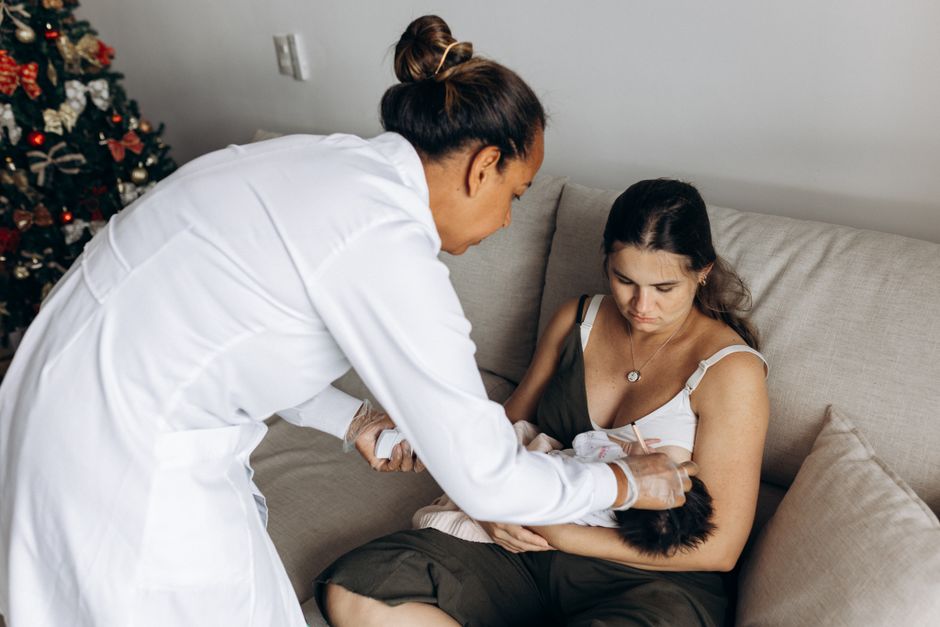
While primary postpartum hemorrhage occurs within 24 hours of birth, secondary postpartum hemorrhage can strike anywhere between 24 hours and 12 weeks postpartum.
It is most commonly caused by retained products of conception (RPOC)—fragments of placenta or fetal membranes that remained attached—or subinvolution (failure of the uterus to shrink back to pre-pregnancy size).
Comparison Table: Normal Postpartum Lochia vs. Emergency Red Flags
| Healthy Postpartum Bleeding ✅ | Emergency Red Flag (Seek Care Immediately) 🚨 |
|---|---|
| Clots smaller than a quarter (dime size) | Clots larger than a golf ball or lemon |
| Bleeding decreases gradually over weeks | Sudden massive gush soaking pad in <1 hr |
| Color transitions (Red ➔ Pink ➔ Yellow) | Reverting to heavy bright red flow with clots |
| Normal metallic menstrual scent | Foul, putrid, offensive vaginal odor |
| Mild cramping relieved by nursing/ibuprofen | Severe unyielding pelvic pain + fever >100.4°F |
When to Call OB Triage vs. Going Directly to the ER
Call Your OB/GYN Office (Same-Day Assessment):
- Bleeding has returned to bright red after turning pink or white.
- You have low-grade chills without high fever.
- You pass one quarter-sized clot and bleeding remains moderate.
Go to the Nearest Emergency Department (Dial 911):
- You passed a clot larger than a golf ball.
- You soaked through two heavy maxi-pads in two consecutive hours.
- You feel faint, dizzy, disoriented, or experience heart palpitations.
- You have a fever above 100.4°F accompanied by foul-smelling lochia.
Never let anyone make you feel guilty for advocating for your health. When in doubt, always make the call.
Google AdSense Placeholder
Slot ready for "in-article". Set your AdSense publisher ID in settings when approved.
Frequently Asked Questions by Moms
What size of postpartum blood clot is considered dangerous? ▼
Any blood clot larger than a golf ball (or roughly 1.5 inches in diameter), or passing multiple quarter-sized clots in an hour, warrants immediate emergency evaluation by your OB/GYN or nearest emergency department.
How much postpartum pad soaking is too much? ▼
Soaking through one or more heavy maternity maxi-pads in an hour for two consecutive hours is a clinical emergency known as postpartum hemorrhage, requiring immediate hospital assessment.
How long does normal postpartum bleeding (lochia) last? ▼
Normal lochia typically lasts between 4 and 6 weeks, progressing through three distinct color stages: Lochia Rubra (bright red, days 1–4), Lochia Serosa (pinkish-brown, days 4–10), and Lochia Alba (yellowish-white, days 10–28+).

Written by Sarah Collins
Doctor-Reviewed & Fact-CheckedMom of Two & Founder of Mommy Tips & Life
Sarah is a mother of two (Liam & Maya) sharing evidence-based parenting guides, infant sleep solutions, and baby safety alerts tested in real family life and vetted against AAP clinical standards.
Google AdSense Placeholder
Slot ready for "footer-banner". Set your AdSense publisher ID in settings when approved.