How to Stop Toddler Hair Pulling: 5 Common Reaction Mistakes That Make Aggression Worse
Is your 1 or 2-year-old toddler pulling your hair when angry, playful, or overwhelmed? Learn the neurological triggers and how to stop hair pulling without yelling.
Sarah Collins
Mom of Two & Founder of Mommy Tips & Life

Google AdSense Placeholder
Slot ready for "header-banner". Set your AdSense publisher ID in settings when approved.
🩺 Medical Disclaimer: This guide is for educational purposes and should not replace pediatric or obstetric medical consultation.
🛍️ Affiliate Disclosure: We may earn a small commission when you purchase through our links at no extra cost to you.
I was sitting cross-legged on our living room rug reading a picture book with my eighteen-month-old son, Liam, when without warning, his little fist shot out, grabbed a massive fistful of my hair near my temple, and yanked with the force of an Olympic weightlifter.
The pain was searing. My instinctual reaction was immediate: I gasped, screamed “OUCH! Stop it, Liam, NO!”, and frantically tried to pry his tiny fingers loose. But the louder I gasped and the harder I pulled, the wider Liam smiled—and the tighter his fist locked. Tears of pain and humiliation streamed down my face as I sat trapped on the floor, wondering how my sweet baby had suddenly turned into an aggressive little bully.
The Upfront Breakthrough Summary: Toddler hair pulling is rarely malicious aggression—it is neurological cause-and-effect curiosity or sensory proprioceptive overload. A dramatic parental gasp, loud yell, or emotional scolding acts like a glittering Vegas jackpot to a toddler’s brain, powerfully reinforcing the behavior. By replacing high-emotion reactions with a 3-step calm boundary protocol—using the biomechanical “wrist-roll release” to detach their fingers painlessly, delivering a monotone boundary (“I won’t let you hurt my hair”), and immediately redirecting to heavy sensory proprioceptive input (like squishing playdough or tearing paper)—we extinguished Liam’s hair-pulling habit in less than five days.
The Neurology of Toddler Hair Pulling: Why They Do It
To permanently stop hair pulling, you have to decode what is occurring inside your toddler’s developing brain when their hand grabs your hair:
       ┌────────────────────────────────────────────────────────┐
       │             THE 3 TYPES OF TODDLER HAIR PULLING        │
       ├──────────────────────────┬─────────────────────────────┤
       │ 1. The Cause-and-Effect  │ Testing physical causality: │
       │    Scientist (12–18 mos) │ "I pull ➔ Mom makes noise!" │
       ├──────────────────────────┼─────────────────────────────┤
       │ 2. The Sensory Seeker    │ Seeking intense deep-hand   │
       │    (14–24 mos)           │ proprioceptive resistance   │
       ├──────────────────────────┼─────────────────────────────┤
       │ 3. The Dysregulated      │ Prefrontal cortex offline;  │
       │    Meltdown (18–36 mos)  │ Amygdala fight-or-flight    │
       └──────────────────────────┴─────────────────────────────┘
Toddlers under age three have an immature prefrontal cortex—the executive control center responsible for impulse control, empathy, and emotional regulation.
When a toddler feels overwhelmed, tired, overstimulated, or intensely playful, their nervous system bypasses verbal expression and communicates through physical action. Hair is shiny, attached to the person they love most, and produces high-voltage reactions.
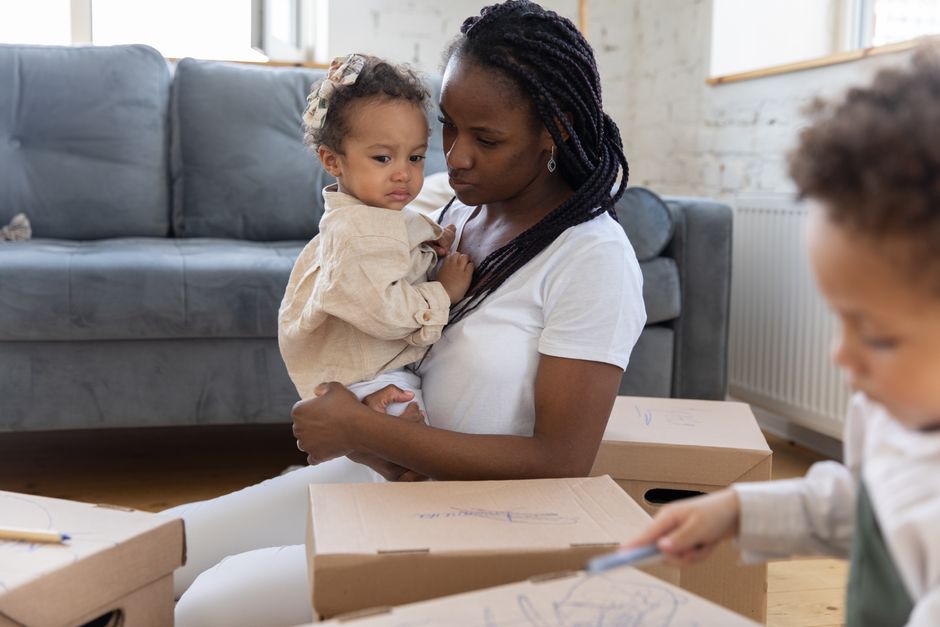
1. The “Jackpot Reaction”: Gasping, Screaming, and Big Eyes
The single most common mistake parents make when their hair is pulled is giving a high-energy, dramatic response.
When you shriek “OWWW! No! That hurts mommy!” with wide eyes, open mouth, and flailing arms, your toddler does not feel remorse. To a toddler’s brain, you just turned into an interactive musical toy with flashing lights and sirens.
Why High Drama Fuels Repetition:
- Dopamine Hit: Toddlers are addicted to cause and effect. Pushing a button on a plastic toy makes a beep; pulling mommy’s hair makes mommy scream and jump. The reaction is exhilarating.
- Attention Reinforcement: Even negative, angry attention is intensely rewarding to a toddler seeking connection.
   ❌ DRAMATIC REACTION              ✅ MONOTONE NEUTRAL DISCONNECTION

     [Parent shrieks & flails]           [Neutral face & zero reaction]
     [High-energy emotional drama]       [Calm biomechanical wrist peel]
     [Toddler gets huge dopamine hit]    [Firm, boring, predictable boundary]
     ➔ Toddler pulls hair again          ➔ Toddler loses interest in pulling
Similar high-intensity reaction traps occur with toddler biting and hitting behaviors and repetitive toddler pinching habits.
2. The Direct Pull Mistake: Triggering the Palmar Grasp Reflex
When someone grabs your hair, your natural physical reflex is to grab their wrist and yank it directly away from your skull.
However, pulling directly against a toddler’s grip triggers the biological traction reflex. When the flexor tendons of an infant’s hand feel resistance, the muscles involuntarily contract tighter, ripping hair follicles out by the root.
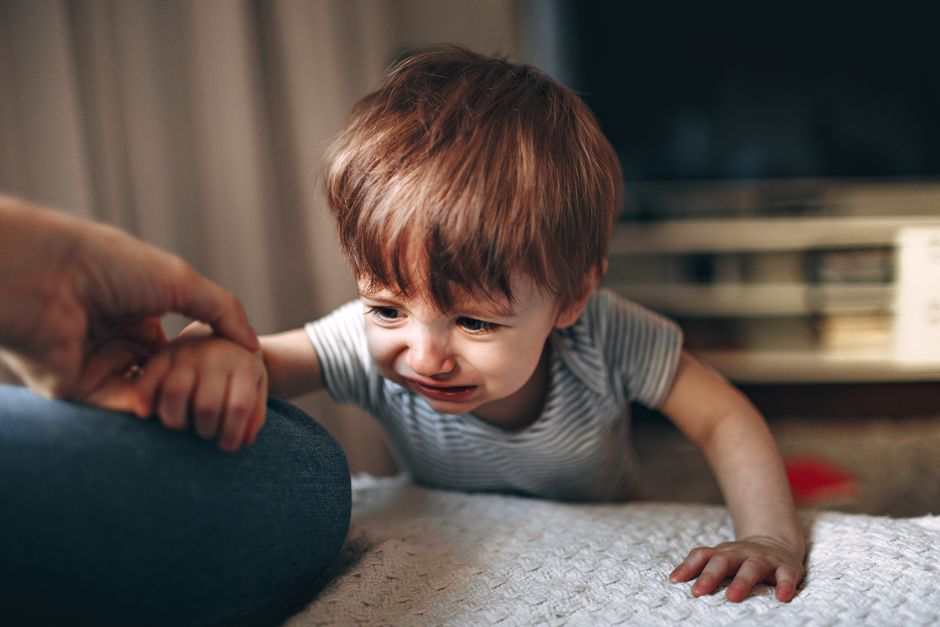
The Doctor-Approved “Wrist-Roll” Release:
- Stabilize Their Hand Against Your Head: Instead of pulling away, gently press the toddler’s fist against your scalp for one second to relieve tension on your hair roots.
- Compress the Base of the Wrist: Place your thumb at the crease on the back of the toddler’s wrist and apply gentle, firm downward pressure.
- Roll Downward: Gently roll their knuckles downward toward their inner forearm. This anatomical wrist flexion mechanically forces the extensor tendons to open the fingers without pain.
- Slide Free: Slide your hair cleanly out of their open palm.
3. The Retaliation Myth: “Pull Their Hair So They Learn It Hurts”
Outdated parenting advice frequently tells parents: “Pull their hair back gently so they understand it causes pain.”
Clinical child psychologists and the American Academy of Pediatrics (AAP) strongly advise against physical retaliation for clear developmental reasons:
⚠️ Warning Alert: Retaliating physically teaches a toddler that the person who loves them uses physical pain to control behavior. A 1-to-2-year-old brain cannot make the abstract philosophical leap: “Mommy pulled my hair because I pulled hers, so I should stop.” Instead, their brain concludes: “When I am angry or frustrated, pulling hair is what we do in this house.”
       ┌────────────────────────────────────────────────────────┐
       │      THE 3-STEP CALM BOUNDARY SCRIPT (WHAT TO DO)      │
       ├────────────────────────────────────────────────────────┤
       │ STEP 1: RELEASE & DISCONNECT                           │
       │ Biomechanically peel hand ➔ Place child on floor/couch │
       ├────────────────────────────────────────────────────────┤
       │ STEP 2: STATE THE BORING BOUNDARY                      │
       │ Monotone voice: "I will not let you pull my hair.      │
       │ Hair is not for pulling. Hair pulling hurts."          │
       ├────────────────────────────────────────────────────────┤
       │ STEP 3: PROVIDE HEAVY SENSORY REPLACEMENT              │
       │ "Your hands need to squeeze hard. You can squeeze this │
       │ silicone stress ball or rip this junk mail paper."     │
       └────────────────────────────────────────────────────────┘
If the hair pulling occurs during a full emotional dysregulation episode, learn how to distinguish between a toddler sensory meltdown vs temper tantrum and replace isolation punishment with supportive time-in co-regulation techniques.
4. Failing to Provide Proprioceptive Sensory Replacements
Many toddlers who pull hair are not angry; they are seeking deep proprioceptive sensory input (the sensation of muscular resistance in their finger joints and palms).
If you only say “No” without giving their hands a constructive physical outlet, the biological urge to squeeze and pull remains unmet.
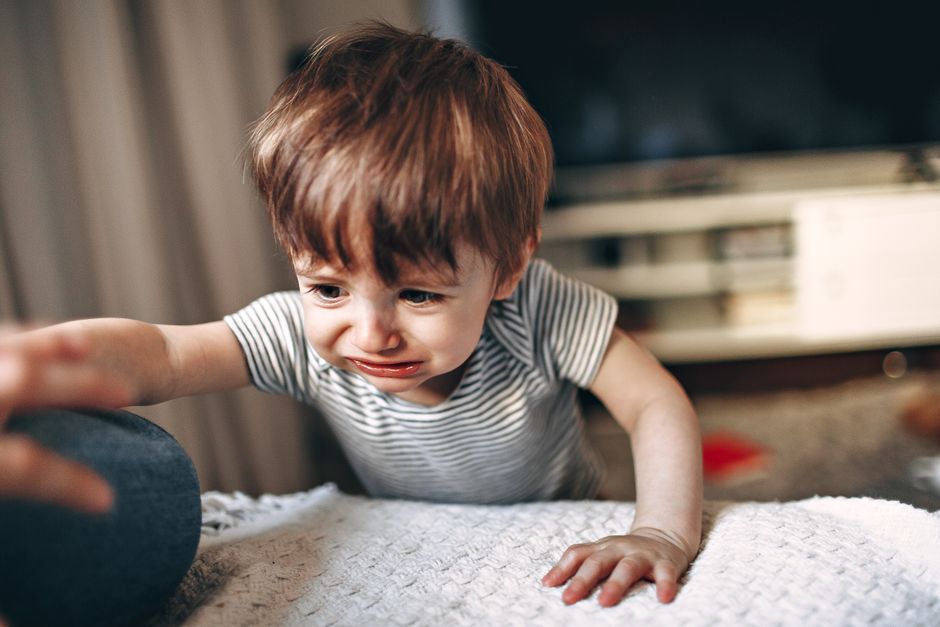
High-Input Sensory Replacements for Hair Pullers:
- Theraputty / Heavy Playdough: Keep a tub of firm sensory putty on hand for vigorous squeezing and pulling.
- Ripping Scrap Cardboard: Give them junk mail or cardboard egg cartons to rip apart with two hands.
- Velcro Pull Strips: Mount wide Velcro strips to a wooden board; the intense resistance of pulling Velcro apart satisfies the exact same neuromuscular grip urge.
- Brushing Dolls / Plush Animals: Offer a doll with synthetic hair and a bristle brush so they can fulfill their hair-grooming curiosity safely.
5. Summary: Hair Pulling Discipline Mistakes vs. Evidence-Based Solutions
| Common Mistake ❌ | Healthy Alternative ✅ | Why It Works 💡 |
|---|---|---|
| Screaming “Ouch! No!” with animated facial drama | Flat, boring, neutral facial expression and tone | Eliminates the dopamine “jackpot” reward for testing causality |
| Yanking toddler’s fist straight back off your head | Using the downward “wrist-roll” biomechanical release | Opens flexor tendons smoothly without pulling hair follicles out |
| Pulling their hair back to “teach them a lesson” | Calm physical boundary + immediate redirection | Avoids modeling physical aggression and preserves trust |
| Lecturing for 5 minutes about feelings to an 18-month-old | Short 5-word boundary: “I won’t let you pull hair” | Matches the cognitive processing limit of toddler working memory |
| Telling them what not to do without a replacement | Handing them playdough, Velcro, or sensory balls | Channels natural proprioceptive grip urges into safe outlets |
When Toddler Aggression Requires Professional Guidance
While hair pulling is a typical developmental phase in toddlers aged 12 to 28 months, persistent or extreme aggression should be discussed with your pediatrician.
💡 Pediatric / Mom Tip: Consult a pediatric occupational therapist or behavioral specialist if hair pulling is accompanied by:
- Chronic biting or head-banging that causes self-injury.
- Inability to make eye contact or respond to their name.
- Hair pulling that occurs dozens of times daily without any calming during sensory redirection.
- Severe sensitivity to clothing textures, loud noises, or everyday transitions.
Final Thoughts From Sarah
Being on the receiving end of your toddler’s physical aggression can feel deeply personal and distressing. When your sweet toddler latches onto your hair with a look of fierce intensity, it is easy to wonder if you are doing something terribly wrong as a parent.
You are not failing. Your toddler is simply navigating a brain that feels big physical urges before it has the words to express them. Keep your hair tied up during close floor play for a few weeks, practice your calm monotone wrist releases, offer heavy sensory dough, and stand confident knowing that consistency and calm boundaries will guide them through this intense season.
Google AdSense Placeholder
Slot ready for "in-article". Set your AdSense publisher ID in settings when approved.
Frequently Asked Questions by Moms
Why do toddlers pull hair when they get upset or excited? ▼
Toddlers pull hair for three primary reasons: cause-and-effect experimentation (testing parental reactions), sensory input seeking (proprioceptive feedback through hand grip), or an amygdala hijack during emotional dysregulation when their prefrontal cortex lacks verbal communication skills.
How do you get a toddler to let go of your hair without ripping it out? ▼
Never pull their hand straight back—this triggers an automatic palmar reflex, making their grip tighter. Instead, gently peel their fingers from the outside by pressing your thumb into the back of their wrist while rolling their hand downward toward their wrist joint.
Should you pull a toddler's hair back so they know it hurts? ▼
Never pull a child's hair to 'show them how it feels.' Retaliation teaches toddlers that physical force is an acceptable response to frustration, damages emotional attachment, and models aggressive behavior.
What is the best immediate response when a toddler pulls hair? ▼
Maintain a neutral, unreactive facial expression. Calmly peel their hand away, hold their wrist gently, place them at arm's length, and state a brief, clear boundary: 'I will not let you pull my hair. Hair pulling hurts.' Offer a replacement sensory object immediately.

Written by Sarah Collins
Doctor-Reviewed & Fact-CheckedMom of Two & Founder of Mommy Tips & Life
Sarah is a mother of two (Liam & Maya) sharing evidence-based parenting guides, infant sleep solutions, and baby safety alerts tested in real family life and vetted against AAP clinical standards.
Google AdSense Placeholder
Slot ready for "footer-banner". Set your AdSense publisher ID in settings when approved.