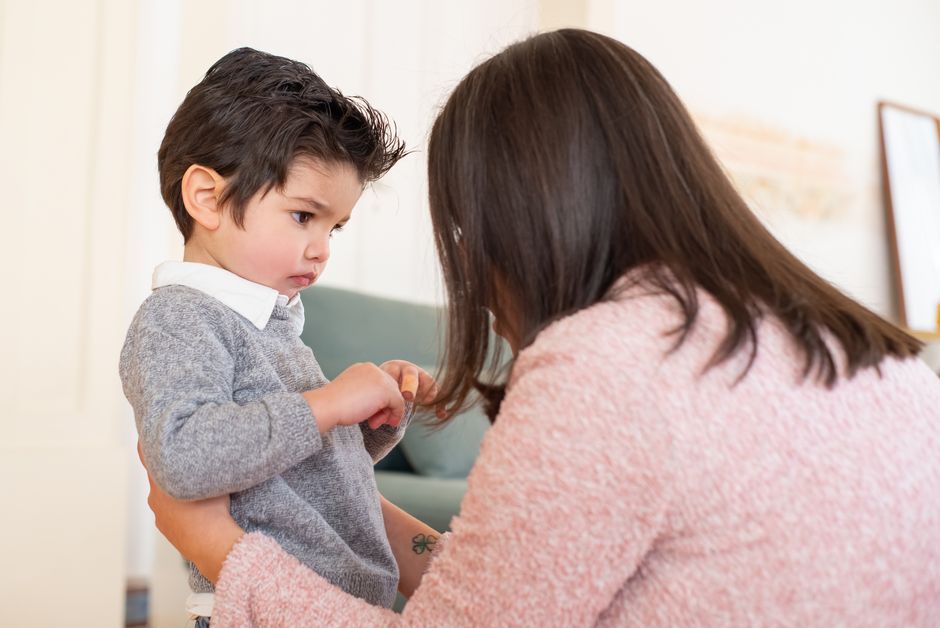
How to Stop Toddler Pinching: 5 Big Discipline Mistakes That Make Aggression Worse
Is your toddler pinching your arms, neck, or chest during diaper changes or tantrums? Learn why toddlers pinch for sensory connection and how to set calm, non-reactive boundaries.
Sarah Collins
Mom of Two & Founder of Mommy Tips & Life
Google AdSense Placeholder
Slot ready for "header-banner". Set your AdSense publisher ID in settings when approved.
🩺 Medical Disclaimer: This guide is for educational purposes and should not replace pediatric or obstetric medical consultation.
🛍️ Affiliate Disclosure: We may earn a small commission when you purchase through our links at no extra cost to you.
When my daughter Maya was twenty months old, our sweet bedtime cuddles turned into a painful battlefield. As I rocked her in the dim nursery, she would reach her tiny hand around my neck, find the sensitive, soft skin on my collarbone or inner upper arm, and pinch with razor-sharp fingernails—twisting as hard as she could.
My natural instinct was to flinch, gasp, and yell: “Ouch! Maya, stop! That hurts Mommy!”
To my sheer horror, Maya didn’t stop. Her eyes lit up, she burst into a delighted giggle, and she immediately reached out to pinch me again. Within a few weeks, the pinching spread from bedtime to diaper changes, grocery store lines, and playdates. I found myself feeling secretly resentful, tense whenever she approached for a hug, and ashamed of how angry I felt toward my own sweet toddler.
Was my child turning into a bully? Why did she enjoy hurting me?
The Upfront Breakthrough Summary: The turning point occurred when our child behavioral specialist explained that toddler pinching is rarely about malice; it is driven by neurological cause-and-effect experimentation, sensory proprioceptive seeking, or prefrontal cortex dysregulation. When parents deliver big, dramatic emotional reactions, toddlers receive a dopamine surge that cements the behavior. By switching to a 3-step calm boundary method—giving zero emotional drama, calmly blocking the hand at the wrist, and immediately offering a sensory replacement (like a textured squishy toy)—Maya stopped pinching completely in less than one week.
Inside the Toddler Brain: Why Pinching Happens
To extinguish pinching, you must decode what is happening inside your toddler’s rapidly developing nervous system. Toddlers between 12 and 36 months operate almost exclusively from their emotional brain (the limbic system and amygdala).
       ┌────────────────────────────────────────────────────────┐
       │             THE 3 TYPES OF TODDLER PINCHING            │
       ├──────────────────────────┬─────────────────────────────┤
       │ 1. The Sensory Seeker    │ 2. The Cause-and-Effect Lab │
       │ Pinches while nursing or │ Pinches to see mom gasp and │
       │ falling asleep to ground │ make big cartoon eyes       │
       │ their nervous system     │ (Dopamine reward loop!)     │
       ├──────────────────────────┴─────────────────────────────┤
       │ 3. The Overwhelmed Dysregulated Child                  │
       │ Big anger or frustration overflows before verbal words │
       │ can express it ➔ Physical fight-or-flight strike       │
       └────────────────────────────────────────────────────────┘
Because impulse control (governed by the prefrontal cortex) does not fully mature until age 4 to 7, toddlers physically act out feelings before their conscious brain can stop them.
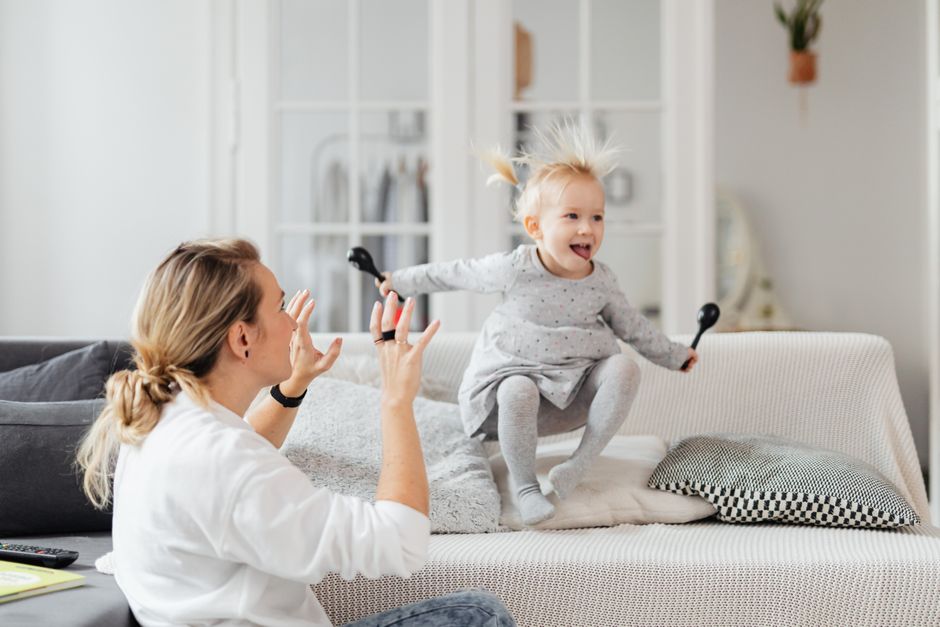
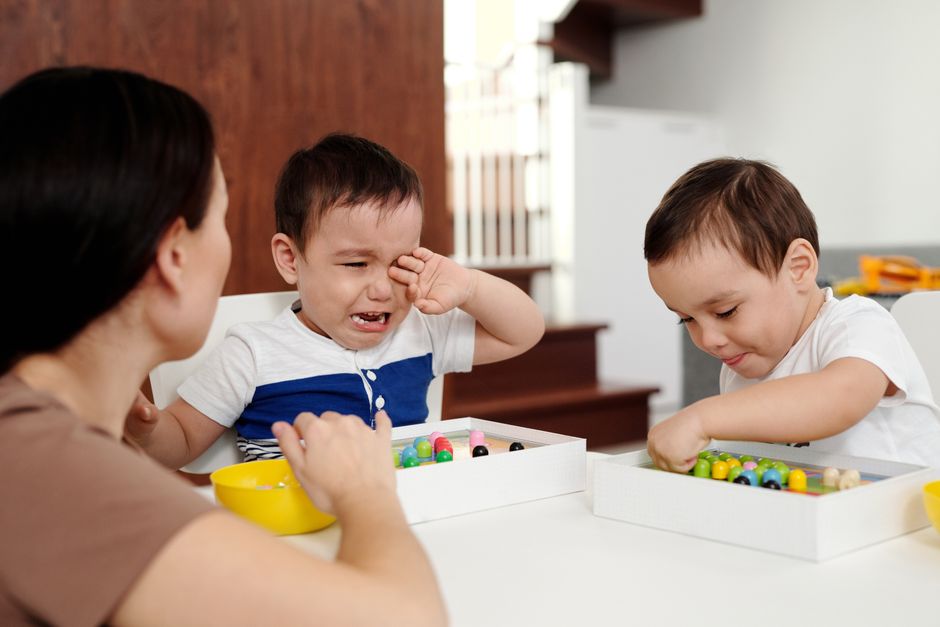
1. The High-Drama Reaction Trap (Feeding the Dopamine Loop)
When your toddler pinches you, it genuinely hurts. But jumping back, clutching your arm, and scolding in a high-pitched voice creates an accidental entertainment jackpot.
   ❌ THE DRAMATIC "OUCH!" REACTION  ✅ THE CALM, NEUTRAL BLOCK

     [Parent Gasps & Scolds Loudly]       [Parent Catches Wrist Neutrally]
                 |                                      |
     ➔ High-Energy Parental Drama        ➔ Low Stimulus, Boring Response
     ➔ Toddler Brain Gets Dopamine       ➔ Boundary Is Clear & Unrewarding
     ➔ Toddler Pinches Again to Repeat   ➔ Behavior Extinguishes Naturally
Why Toddlers Love Big Reactions:
To a two-year-old, causing an adult who is ten times their size to gasp and make funny facial expressions feels like holding a magic wand. They are not thinking: “I want to hurt Mommy.” They are thinking: “Look at what my little fingers can make happen!”
The Neutral Script:
- Keep your face completely neutral and expressionless (like a calm statue).
- Catch their hand gently by the wrist before or immediately as they pinch.
- Say in a calm, low, firm voice: “I won’t let you pinch. Pinching hurts.”
For more strategies on regulating your own response, see our guide on how to get toddlers to listen without yelling or reacting.
2. “Pinching Back to Show Them How It Feels” (The Modeling Trap)
An outdated piece of parenting advice often passed down from older generations is: “Just pinch them right back so they see that it hurts!”
Pediatric psychologists and the American Academy of Pediatrics strongly warn against this approach.

Why Pinching Back Destroys Trust:
- It Validates Violence: It communicates that when someone upsets you or does something you dislike, using physical pain is an appropriate response.
- It Erodes Attachment: When a child’s safe harbor causes them intentional physical pain, it triggers a spike in stress hormones (cortisol), increasing overall behavioral aggression.
- Similar dynamics are detailed in our deep dive on toddler hitting and biting discipline strategies.
3. Treating Sensory “Comfort Pinching” as Defiance
Many toddlers pinch exclusively during quiet, intimate moments—like nursing, bottle feeding, or drifting off to sleep in your lap.
| Pinching Type | Trigger Scenario 🕒 | Root Cause 🧠 | Best Immediate Fix 🛠️ |
|---|---|---|---|
| Comfort Pinching | Bedtime, nursing, drowsy state | Sensory seeking for regulation | Give sensory silicone necklace or squishy toy |
| Frustration Pinching | Toy taken away, told “No” | Amygdala overload, poor impulse control | Physical block + label emotion (“You’re mad!”) |
| Attention Pinching | Mom looking at phone or cooking | Seeking connection & engagement | Give dedicated 5-minute floor play connection |
| Playful Pinching | Tickling, roughhousing | Overarousal of the nervous system | Pause play immediately: “Rough hands pause the game” |
If your toddler pinches while nursing or falling asleep, their fingers are desperately searching for tactile resistance to ground their nervous system.
💡 Pediatric / Mom Tip: If your child is a comfort pincher, wear a silicone sensory nursing necklace, or keep a plush velvet scrunchie or textured pop-it toy between your chest and their fingers so they can squeeze that instead of your skin.
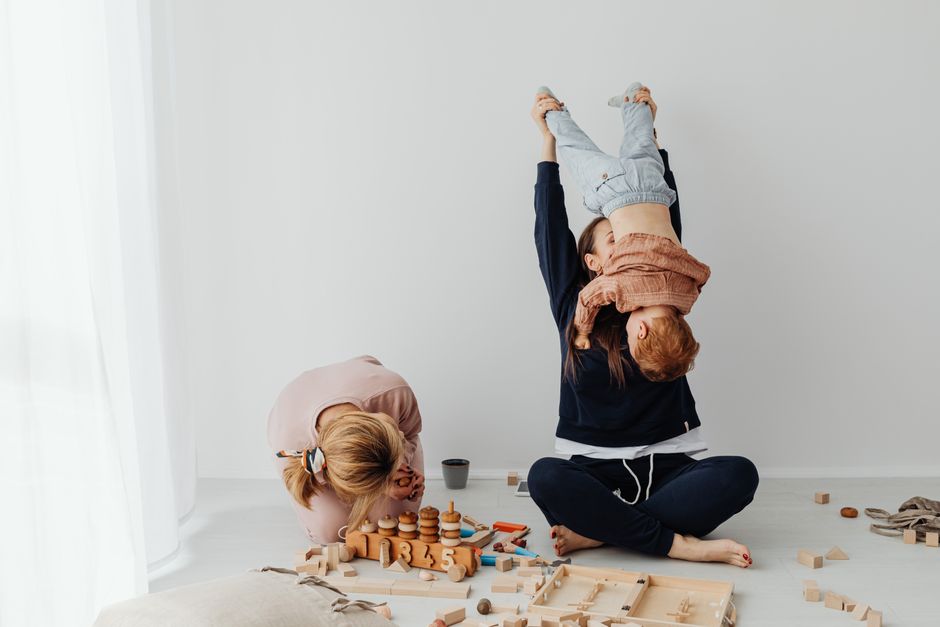
4. The 3-Step “Connect, Block, and Redirect” Method
To successfully stop pinching across all daily routines, practice this 3-step discipline protocol:
       ┌────────────────────────────────────────────────────────┐
       │             THE 3-STEP PINCHING RESET PROTOCOL         │
       ├────────────────────────────────────────────────────────┤
       │ Step 1: BLOCK (Physical Safety First)                  │
       │ Catch wrist calmly. Remove fingers from skin firmly.   │
       │                                                        │
       │ Step 2: BOUNDARY (Short, Monotone Statement)           │
       │ "Hands are not for pinching. I will keep my body safe."│
       │                                                        │
       │ Step 3: REDIRECT (Provide an Acceptable Sensory Outlet)│
       │ "If your fingers need to pinch, you can pinch play-doh │
       │ or this squishy ball."                                 │
       └────────────────────────────────────────────────────────┘
Why Isolation Time-Outs Fail for Pinching:
Placing a dysregulated 2-year-old alone in a dark hallway time-out does not teach them alternative emotional regulation skills. For a better approach, explore time-out vs time-in and co-regulation methods and our blueprint for handling intense toddler tantrums.
⚠️ Warning Alert: If your toddler is in the middle of a full sensory meltdown, do not try to lecture or reason with them. In a fight-or-flight state, their logical brain is completely offline. Focus on keeping everyone physically safe first.
5. Summary: Common Pinching Discipline Mistakes vs. Positive Solutions
| Common Mistake ❌ | Positive Discipline Alternative ✅ | Why It Works 💡 |
|---|---|---|
| Screaming “OUCH!” with big dramatic gestures | Calm, neutral expression with low monotone voice | Starves the behavior of high-energy dopamine rewards |
| Pinching the child back to “teach a lesson” | Gentle, consistent physical blocking at wrist | Models safe emotional regulation and protects trust |
| Punishing comfort pinching during bedtime | Offering textured silicone fidgets or squishies | Satisfies the underlying sensory need safely |
| Long verbal lectures explaining why pinching is bad | Short, 5-word boundary scripts (“Pinching hurts”) | Matches the limited processing capacity of toddler brain |
| Ignoring the behavior until you snap in anger | Intervening on the very first attempt calmly | Sets firm, predictable boundaries before frustration builds |
Final Thoughts From Sarah
Being pinched by your own child hurts—both physically and emotionally. It is completely natural to feel a flash of irritation or frustration when those little fingers dig in.
Take a deep breath and remind yourself: your toddler is not an aggressive villain; they are a tiny human with a gigantic world of emotions and an immature brain learning how to cope. By holding your calm, blocking the pinch, and offering safe sensory alternatives, you are guiding them toward healthy emotional regulation. You’ve got this, mama!
Google AdSense Placeholder
Slot ready for "in-article". Set your AdSense publisher ID in settings when approved.
Frequently Asked Questions by Moms
Why do toddlers pinch when they are cuddled or nursing? ▼
Toddlers often pinch soft skin (neck, inner arm, chest) as an unconscious self-soothing sensory mechanism. Known as 'comfort pinching,' the tactile sensation of squishing skin provides proprioceptive input to an overtired or overstimulated nervous system.
Why does my toddler laugh when I say 'Ouch, no pinching!'? ▼
Toddlers do not laugh out of malice. A dramatic facial expression, loud gasp, or sudden voice change is interpreted by their developing brain as an entertaining, high-energy 'jackpot' reaction, reinforcing the pinching behavior as a cause-and-effect experiment.
Should I pinch my toddler back to show them how much it hurts? ▼
Never. Pinching a child back models physical aggression as an acceptable way to communicate discomfort. It breaks maternal attachment, triggers cortisol, and teaches the child that bigger people have the right to hurt smaller people.
What is the best immediate response when a toddler pinches? ▼
Stay completely neutral, gently catch their wrist to block the pinch physically, and state a brief, clear boundary in a low monotone: 'I won't let you pinch me. Pinching hurts.' Immediately redirect their hands to a sensory fidget or squishy toy.

Written by Sarah Collins
Doctor-Reviewed & Fact-CheckedMom of Two & Founder of Mommy Tips & Life
Sarah is a mother of two (Liam & Maya) sharing evidence-based parenting guides, infant sleep solutions, and baby safety alerts tested in real family life and vetted against AAP clinical standards.
Google AdSense Placeholder
Slot ready for "footer-banner". Set your AdSense publisher ID in settings when approved.