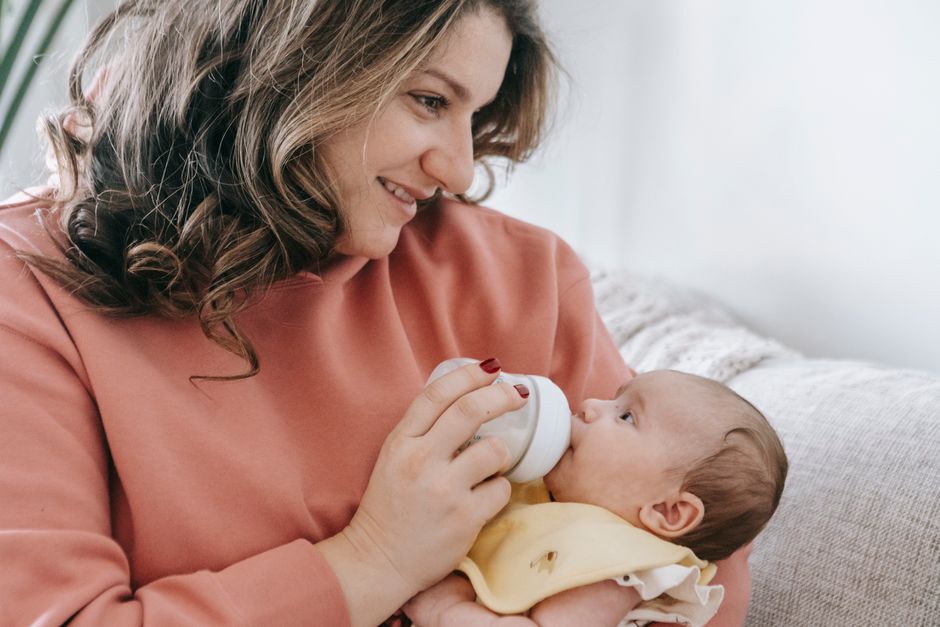
5 Newborn Burping Mistakes Causing Trapped Gas and Screaming (And 4 Positions That Actually Work)
Is your baby screaming after feeds or impossible to burp over your shoulder? Discover the 5 burping errors trapping painful air bubbles and 4 doctor-approved relief positions.
Sarah Collins
Mom of Two & Founder of Mommy Tips & Life
Google AdSense Placeholder
Slot ready for "header-banner". Set your AdSense publisher ID in settings when approved.
🩺 Medical Disclaimer: This guide is for educational purposes and should not replace pediatric or obstetric medical consultation.
🛍️ Affiliate Disclosure: We may earn a small commission when you purchase through our links at no extra cost to you.
When my son Lucas was just four weeks old, our post-feeding routine felt like an Olympic endurance test. After every single bottle, I would hoist him over my shoulder, patting his tiny back for twenty exhausting minutes until my arm went numb. More often than not, no burp would come. Believing he was “all done,” I would gently lay him in his bassinet—only for him to wake up twenty minutes later in ear-piercing agony, legs pulled tightly to his chest, red-faced and screaming from trapped gas bubbles.
I felt like an absolute failure as a mother. Why was this basic parenting skill so agonizingly hard? Every well-meaning relative told me to “just pat harder,” but aggressive patting only made Lucas spit up all over my shirt and scream louder. It wasn’t until our pediatric gastroenterologist watched me burp Lucas at a weight check that the lightbulb finally went off: our entire mechanical approach to burping was working against infant anatomy.
The Quick Breakthrough Summary: Burping isn’t about slapping air out of your baby’s back; it’s about anatomical alignment and gentle pressure. When we stopped using the rigid over-the-shoulder slap and switched to the Upright Wonky Tree hold combined with gentle torso rotations (the Magic Burp) and mid-feed burp breaks, Lucas expelled trapped gas within 45 seconds—with zero tears and zero projectile spit-up.
Here is the comprehensive, doctor-vetted breakdown of the 5 common burping mistakes that trap gas in your newborn’s gut, followed by 4 pediatrician-approved positions that release stubborn bubbles effortlessly.
1. The 5 Major Burping Mistakes Keeping Air Trapped in Your Baby’s Tummy
When babies nurse or drink from a bottle, they inevitably swallow ambient air. If that air sits trapped in the stomach cavity under a layer of dense milk, it exerts painful pressure on the stomach lining, triggering intense crying and cramping. If you are already managing feeding challenges, combine these fixes with our guide on semi-upright paced bottle feeding to prevent excess air intake from the start.
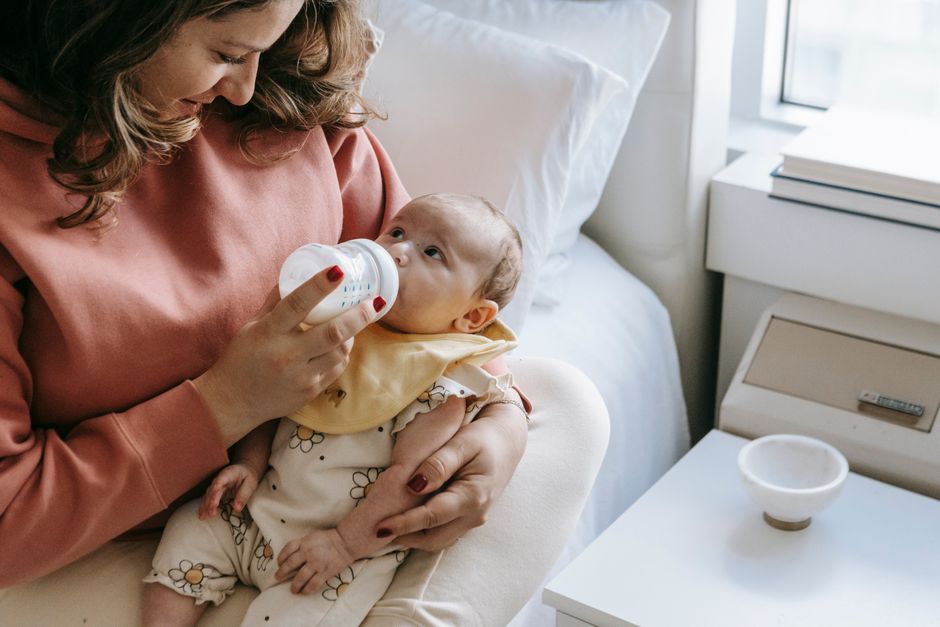
Mistake #1: Waiting Until the Very End of the Feed
Most parents wait until their baby drains the entire bottle or finishes nursing on both sides before attempting to burp. By the end of a full feed, a large volume of liquid sits directly on top of the air pocket swallowed during the first few minutes.
When you try to burp them at the end, the air bubble has to fight its way up through 3 to 4 ounces of liquid, frequently bringing up a huge puddle of milk or getting pushed down into the small intestine where it turns into painful intestinal gas.
The Fix: Mid-Feed Burp Intervals
- Bottle-fed babies: Pause and burp every 1 to 2 ounces.
- Breastfed babies: Burp before switching breasts, or whenever your baby naturally unlatches or slows their sucking rhythm.
Mistake #2: The “Slouching Spine” Over-the-Shoulder Trap
The classic over-the-shoulder position is the default for almost every parent, but it has a major structural flaw for newborns with weak neck control. When an infant is placed high on your shoulder, their chin often falls forward toward their chest.
A slouched neck kinks the esophagus like a bent garden hose. No matter how much you pat, the air bubble cannot travel past the collapsed esophageal junction.
⚠️ Warning Alert: Never allow a newborn’s chin to rest heavily on their chest while burping. Positional slumping restricts airflow and completely blocks trapped gas from exiting. Always ensure their airway and neck remain elongated and supported.
Mistake #3: Patting Aggressively Instead of Using Upward Vibration
Many parents believe that forceful clapping dislodges bubbles. In reality, hard thumping shocks a newborn’s sensitive nervous system and tightens their abdominal wall, clenching the lower esophageal sphincter shut.
Gas bubbles rise naturally due to buoyancy. What they need is gentle, rhythmic vibration moving from the lower ribs upward toward the shoulder blades, not flat pounding.
Mistake #4: Burping with Compressed Legs
When parents hold a baby on their lap to burp, they often let the baby’s knees curl tightly into the abdomen. While leg crunches help release lower flatulence, compressing the lower abdomen during a burp increases intra-abdominal pressure, forcing stomach acid up into the throat (which can mimic or worsen infant silent reflux symptoms).
Mistake #5: Quitting Too Soon (The “Fake Burp” Phenomenon)
Newborns frequently produce one small, superficial “throat burp” within the first 10 seconds of being picked up. Relieved parents immediately lay them back down. However, the larger, deeper gastric bubble is still lodged deep in the stomach fundus. Ten minutes later, the baby is writhing in distress.
2. The 4 Pediatrician-Approved Burping Positions That Actually Work
If the traditional shoulder pat isn’t producing results, don’t keep doing the same thing for 20 minutes. Rotate your baby through these 4 biomechanically superior positions to shift air bubbles to the top of the stomach fluid.
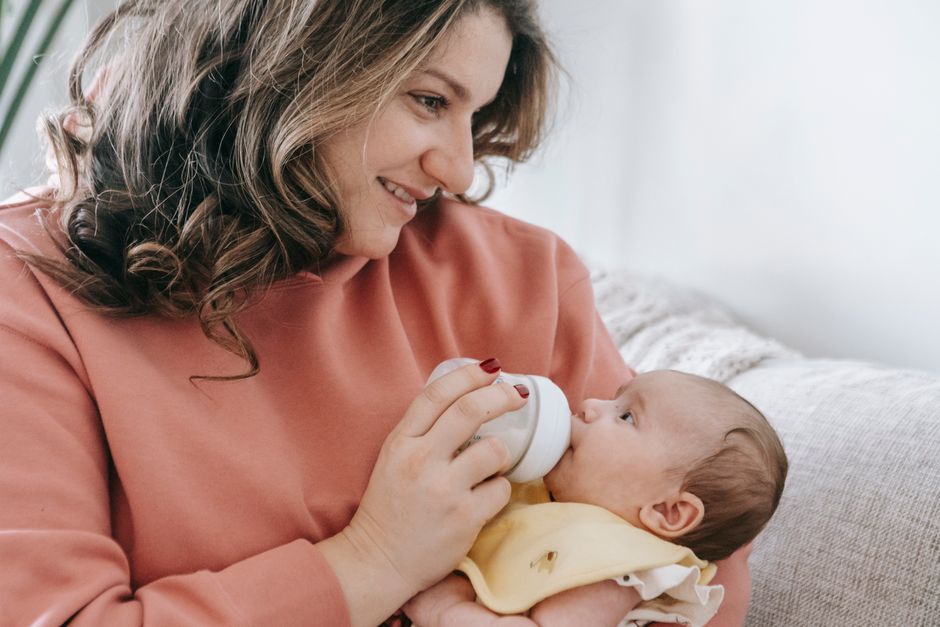
Position 1: The Magic Burp (Seated Torso Rotation)
This is the gold standard used by neonatal nurses and pediatric physical therapists because it uses gravity and spinal elongation to open the esophageal sphincter.
- Sit your baby sideways on your lap, facing to your right or left.
- Form a “C” shape with your hand: rest your palm against their chest, cupping their jawbone with your fingers and thumb (never put pressure on the soft throat tissue).
- Lean the baby slightly forward so their chest rests securely against your palm, ensuring their back is elongated and straight.
- With your free hand supporting their lower back, gently guide their upper body in slow, smooth clockwise circles.
- After 4 to 5 circles, gently tilt their torso slightly back and then forward. The elongated posture allows the bubble to escape effortlessly within 30 to 60 seconds.
💡 Pediatric / Mom Tip: If your baby is prone to painful gas throughout the day, pair the Magic Burp with the tummy massage protocols outlined in our complete guide to baby colic and trapped gas relief.
Position 2: The “Wonky Tree” (Over-the-Hip Rest)
When shoulder burping fails, the Wonky Tree uses gentle counterpressure on the baby’s left side—where the stomach naturally sits—to channel air upward.
- Sit upright in a supportive chair with your legs slightly apart.
- Place your baby tummy-down across your thighs, with their head turned safely to one side resting on your left thigh and their torso across your right thigh.
- Keep their head slightly elevated higher than their hips.
- Support their bottom with one hand while your other hand applies long, firm, upward gliding strokes from their lower back to the base of their neck.
Position 3: The High-Cheek Shoulder Rest (Corrected Over-the-Shoulder)
If you prefer the shoulder hold, modify it to ensure their airway remains completely open:
- Place your baby high enough on your torso so their armpits rest directly over the crest of your shoulder.
- Their arms should hang naturally draped over your back.
- Ensure their cheek rests on your shoulder, gently tilting their chin upward to prevent neck collapse.
- Cup your hand (like holding water) and deliver gentle, rhythmic hollow cups upward along the spine.

Position 4: The Football Hold Burp (Forearm Suspension)
This position is especially effective for colicky babies who need gentle abdominal warmth to relax clenched tummy muscles.
- Lay your baby tummy-down along your forearm, with their head resting comfortably in the crook of your elbow.
- Straddle their legs across your forearm, with your hand securely holding their inner thigh.
- Use your opposite hand to gently massage their upper back while walking around the room. The subtle bounce of your walking motion combined with forearm pressure gently releases trapped air.
3. What to Do When a Burp Just Won’t Come Out
If you have tried multiple positions for 5 minutes and your baby is peaceful, don’t stress. Some feeds result in very little air intake. However, if your baby is squirming and distressed, try these 3 reset steps:
- The 60-Second Lie-Down Reset: Lay your baby flat on their back on a safe surface for 60 seconds. This allows the air bubble to migrate from the bottom of the stomach to the front surface. Pick them back up into the Magic Burp position; the bubble will often pop right out.
- Bicycle Legs & Tummy Compressions: If the gas has already slipped past the pyloric sphincter into the lower intestines, upper burping won’t help. Gently bicycle their legs toward their chest to relieve lower pressure.
- Evaluate Medical vs. Mechanical Causes: If your baby is consistently screaming through feeds and experiencing frequent projectile vomiting or severe discomfort despite correct burping, explore our breakdown on gas drops vs. gripe water for infant colic and speak to your pediatrician regarding potential food intolerances.
Burping Mistakes vs. Pediatric-Approved Fixes
| Common Burping Error ❌ | Pediatrician-Approved Alternative ✅ |
|---|---|
| Pounding baby’s back aggressively | Gentle cupped-hand upward strokes and rhythmic vibration |
| Waiting until the entire bottle is drained | Taking 30-second burp pauses midway through feeds |
| Letting baby’s chin slump forward on chest | Elongating the spine with the Magic Burp seated hold |
| Keeping baby in one failed position for 20 mins | Switching through 2–3 anatomical positions every 90 seconds |
| Quitting after the first tiny surface burp | Waiting for the deep stomach bubble before laying down |
The Bottom Line for Tired Parents
Burping does not have to be a stressful, 30-minute battle of wills. By ditching the slouched shoulder pound and using gentle spinal alignment, torso rotations, and mid-feed pauses, you will transform post-feeding time into a calm, comforting experience.
Trust your maternal instincts. If your baby is crying in distress after feeds, experiment with these ergonomic positions tonight—and give yourself the grace you deserve as you learn your baby’s unique cues.
Google AdSense Placeholder
Slot ready for "in-article". Set your AdSense publisher ID in settings when approved.
Frequently Asked Questions by Moms
How long should you try to burp a newborn before giving up? ▼
Pediatricians recommend burping an infant for 3 to 5 minutes after or midway through a feed. If no burp emerges after 5 minutes of gentle positional changes and your baby is calm and relaxed, you can lay them down or keep them upright. However, if your baby is squirming, arching, or fussing, air is likely trapped beneath milk; change positions or try gentle movement rather than pounding their back.
Why is it so hard to burp some babies over the shoulder? ▼
The classic over-the-shoulder hold often fails because a newborn's airway and esophagus can bend if their neck slumps, blocking the upward path of air. Additionally, if the parent places pressure on the baby's soft stomach against the collarbone, it can cause reflux and discomfort instead of gently releasing trapped air.
Do fully breastfed babies need to be burped as much as bottle-fed babies? ▼
While breastfed babies typically swallow less air than bottle-fed babies due to an airtight latch, they still swallow air when letdown is fast, when they gulp, or if they have a shallow latch. Always attempt a gentle burp when switching breasts or if your breastfed baby pulls off fussing.
What is the Magic Burp method for stubborn gas? ▼
The Magic Burp involves sitting your baby on your lap, supporting their jaw and chest with one hand while keeping their spine completely straight, and gently rotating their torso in slow circular motions. Elongating the spine aligns the stomach and esophagus, allowing trapped gas bubbles to rise naturally without harsh patting.

Written by Sarah Collins
Doctor-Reviewed & Fact-CheckedMom of Two & Founder of Mommy Tips & Life
Sarah is a mother of two (Liam & Maya) sharing evidence-based parenting guides, infant sleep solutions, and baby safety alerts tested in real family life and vetted against AAP clinical standards.
Google AdSense Placeholder
Slot ready for "footer-banner". Set your AdSense publisher ID in settings when approved.