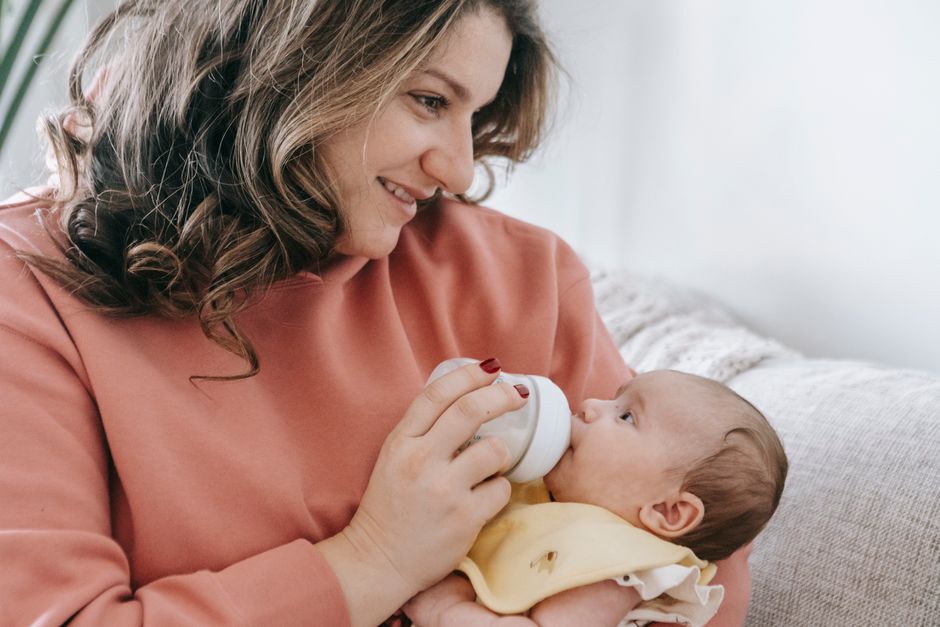
5 Feeding Aversion Mistakes Making Your Baby Reject Bottles (And How to Overcome It)
Is your baby screaming at the sight of a bottle, arching their back, or only feeding while drowsy? Discover the subtle pressure traps causing feeding aversion and how to fix it.
Sarah Collins
Mom of Two & Founder of Mommy Tips & Life
Google AdSense Placeholder
Slot ready for "header-banner". Set your AdSense publisher ID in settings when approved.
🩺 Medical Disclaimer: This guide is for educational purposes and should not replace pediatric or obstetric medical consultation.
🛍️ Affiliate Disclosure: We may earn a small commission when you purchase through our links at no extra cost to you.
It was 3:15 PM on a Tuesday afternoon when my three-month-old daughter, Maya, started screaming the second I placed a bib around her neck. She hadn’t eaten in nearly five hours, but the moment I tilted her back into my arms and reached for the bottle, her entire little body went rigid. She arched her spine like a bow, batted frantically at my hands, and turned her head violently away, sobbing until she was gasping for air.
I felt a wave of cold panic and crushing inadequacy wash over me. In my desperation to ensure she met her daily ounces, I had tried everything: sneaking the nipple into her mouth while bouncing on an exercise ball, singing desperately, shoving the pacifier in and quickly swapping it for the bottle, and waiting until she was dead asleep to “dream feed” her just to get nutrition into her tiny stomach. Every single feeding had become an agonizing psychological battlefield that left both of us in tears.
The Upfront Breakthrough Summary: The pivotal turning point occurred when our pediatric feeding specialist diagnosed Maya with a severe, acquired behavioral feeding aversion caused by well-intentioned feeding pressure. By implementing a 3-step trust-rebuilding framework—completely eliminating forced feeds and trickery, adopting the two-offer rule (respecting her first “no” unconditionally), and combining horizontal paced bottle feeding methods with upright positioning to soothe underlying silent reflux pain—Maya drank her first peaceful, full 5-ounce bottle while fully awake within just four days.
What Is Infant Feeding Aversion? The Psychology of Feeding Trauma
When a baby cries at the sight of a bottle or breast, parents naturally assume the infant isn’t hungry, hates the formula, or is simply being “stubborn.” However, pediatric feeding literature (including the renowned work of feeding specialist Rowena Bennett) defines feeding aversion as a conditioned protective fight-or-flight response.
When an infant repeatedly experiences pressure, physical pain (such as acid reflux burn), or physical restraint during feedings, their amygdala registers the bottle as an active threat.
       ┌────────────────────────────────────────────────────────┐
       │             THE FEEDING AVERSION CYCLE                 │
       ├──────────────────────────┬─────────────────────────────┤
       │ Well-Meaning Pressure    │ Infant Defense Mechanism    │
       │ (Forcing, jiggling, sneak│ (Arching, swatting, batting │
       │  feeds when drowsy)      │  bottle away, screaming)    │
       ├──────────────────────────┼─────────────────────────────┤
       │ Parental Panic Escalates │ Conditioned Trauma Loop     │
       │                          │                             │
       │ ➔ Parent tries harder to  │ ➔ Baby associates feeding   │
       │   force volume intake    │   environment with fear     │
       │   due to weight loss fear│   and loss of autonomy      │
       └──────────────────────────┴─────────────────────────────┘
When you understand that your baby isn’t defying you, but rather defending themselves against perceived violation of their bodily autonomy, your entire approach shifts from control to trust.

5 Critical Feeding Mistakes Fueling Your Baby’s Bottle Aversion
1. The “Sneak & Switch” Trick (Pacifier Swapping)
When a baby refuses the nipple, many exhausted parents resort to popping a pacifier in to trigger the sucking reflex, then rapidly pulling it out and slipping the bottle nipple in.
While this might fool a baby once or twice, infants are exceptionally perceptive. Sneak-feeding erodes your baby’s trust in both the soothing pacifier and your caregiving cues, creating constant vigilance and heightened oral defensiveness.
⚠️ Warning Alert: Never force a nipple between a baby’s clenched gums or lips. Forcing the teat inside violates the oral sphincter reflex, leading to gagging, choking, and severe oral aversion that can derail feeding development.
2. Feeding Only While Drowsy or Asleep (The Dream Feed Trap)
When daytime feedings become a battleground, parents frequently shift all caloric intake to sleep states: naps, bedtime, and middle-of-the-night dream feeds.
While ensuring hydration is paramount, relying exclusively on semi-conscious feeds teaches the infant that the only safe time to eat is when they cannot defend themselves. If your baby refuses all bottles while awake, review our guide on overcoming bottle refusal and latch hesitation to gently reintroduce awake feedings.
3. Continuous Nipple Jiggling, Twisting, and Tapping
If your baby pauses during a feed, instinct tells you to twist the bottle, stroke their cheek, or jiggle the teat against their palate to prompt sucking.
To an infant, this constant tactile interference feels invasive and coercive. Babies need natural pauses during feeding to breathe, regulate heart rate, and assess stomach fullness. Interrupting these pauses increases cortisol levels.
4. Overlooking Silent Acid Reflux Burns
In many babies, a behavioral aversion is originally triggered by an undiagnosed physical problem: gastric acid burning the delicate lining of the esophagus.
If your baby arches their back, gulps repeatedly between swallows, or produces sour-smelling breath, the act of swallowing warm milk causes acute burning pain. Treating the behavioral aversion without soothing the gastrointestinal tract will result in continued refusal. Check our clinical breakdown on hidden signs of baby silent reflux for red flags.
5. Prolonging Feeds Beyond 30 Minutes
When an infant takes only half an ounce in twenty minutes, parents frequently keep the bottle out for an hour, repeatedly re-offering the nipple every few minutes.
Dragging feedings out turns half of the baby’s waking hours into an agonizing ordeal of low-grade pressure. A healthy feeding should take no longer than 20 to 30 minutes.
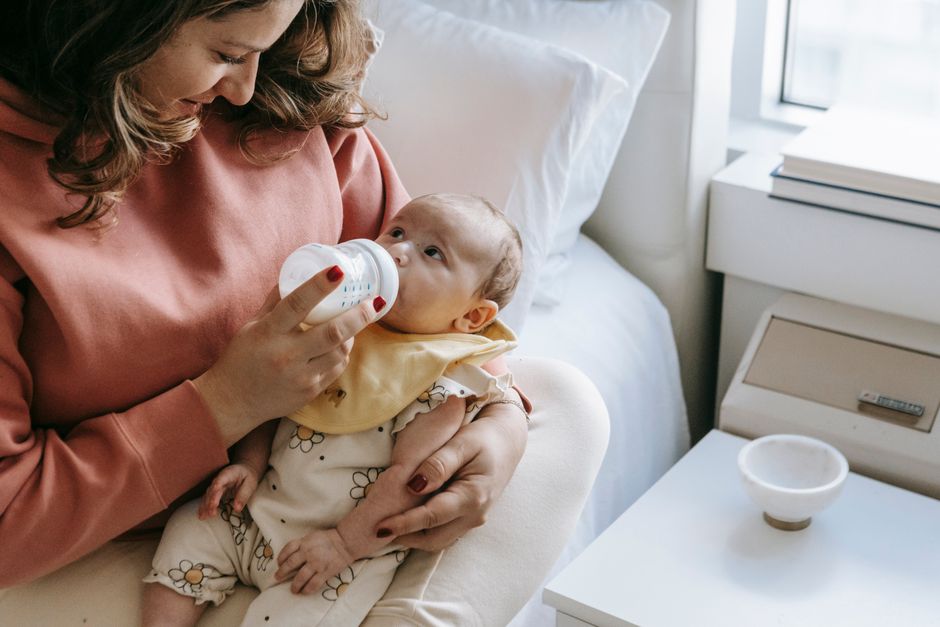
Comparison Table: Common Mistakes vs. Evidence-Based Solutions
| Feeding Mistake ❌ | Evidence-Based Alternative ✅ |
|---|---|
| Forcing the nipple into a closed mouth | Resting the nipple gently on the upper lip and waiting for an open-mouth “rooting” invitation. |
| Feeding exclusively during naps or dream feeds | Practicing zero-pressure awake feeds and allowing baby to dictate intake volume. |
| Twisting and jiggling the bottle in the mouth | Keeping the bottle completely still and letting the baby control the pace and pauses. |
| Stretching feeds to 45–60 minutes | Capping all feeding sessions at a strict 25–30 minute limit. |
| Re-offering the bottle 10+ times per session | Utilizing the strict “Two-Offer Rule” (if rejected twice, end the session calmly). |
The 3-Step Protocol to Reverse Bottle Feeding Aversion
Overcoming an established feeding aversion requires absolute consistency and emotional calm from parents. Here is the clinical protocol recommended by pediatric feeding specialists:
Step 1: Establish the “Two-Offer Rule”
- First Offer: Place your baby in a supportive, comfortable feeding chair or on your lap. Show them the bottle from 12 inches away. Gently touch the bottle nipple to their lower lip or philtrum (above the upper lip). Do not push it in.
- If Baby Accepts: Allow them to feed at their own pace without jiggling or interference.
- If Baby Rejects (turns away, pushes, fusses): Immediately say in a calm, cheerful voice: “That’s okay, you don’t have to eat right now.” Set the bottle completely out of their sight for 10 to 15 minutes.
- Second Offer: After 10 to 15 minutes, offer once more in the exact same gentle manner. If they refuse again, immediately pack the bottle away and end the feeding session. Do not offer food again until the next scheduled feed (typically 2.5 to 3.5 hours later).
💡 Pediatric / Mom Tip: It is terrifying to watch your baby skip a feed or drink only one ounce. However, healthy infants will not starve themselves when food is made available without fear. It usually takes 24 to 48 hours for babies to realize the pressure is gone, after which their natural hunger drive overcomes their defensive fear.
Step 2: Implement Horizontal Paced Bottle Feeding
Ensure you are using a slow-flow nipple and holding the bottle horizontally so the baby is never overwhelmed by gravity-driven milk flow. Read our detailed tutorial on paced bottle feeding mechanics and angle traps to prevent choking sensations that trigger defensive panic.
Step 3: De-escalate the Feeding Environment
Remove all negative associations with feeding:
- Stop using restrictive high chairs or tight swaddles during feeds if they trigger distress.
- Feed in a quiet, dimly lit room without distracting screens or high-stress energy.
- Keep your facial expression relaxed and neutral—babies mirror maternal anxiety instantly.
When to Contact Your Pediatrician
While behavioral aversion is the most common cause of bottle refusal in 2-to-6-month-olds, you must consult your pediatrician or pediatric gastroenterologist immediately if you notice:
- Fewer than 4 to 5 wet diapers in a 24-hour period (signs of clinical dehydration).
- Weight loss or failure to gain weight over a 2-week period.
- Blood or black specks in vomit or stools.
- Extreme lethargy, sunken soft spot (fontanelle), or lack of tears when crying.
Restoring your baby’s relationship with feeding takes patience, but by respecting their cues and removing all pressure, you will rebuild mutual trust and return peace to your nursery.
Google AdSense Placeholder
Slot ready for "in-article". Set your AdSense publisher ID in settings when approved.
Frequently Asked Questions by Moms
What is the difference between simple bottle refusal and a true feeding aversion? ▼
Bottle refusal is often mechanical—such as disliking a specific nipple shape, fast flow, or temperature. A true feeding aversion is behavioral and emotional: the baby associates the feeding process with pressure, fear, or physical discomfort, triggering an immediate fight-or-flight fight response (screaming, arching, batting the bottle away) the moment they see the bottle or are placed in a nursing position.
Why does my baby with a feeding aversion only feed while asleep or drowsy (dream feeding)? ▼
When an infant is asleep or transitioning into sleep, their conscious defense mechanisms and protective fight-or-flight reflexes are suppressed. They drink out of automatic sucking instinct without the anxiety or fear triggered during conscious wakefulness. While this keeps calories up short-term, relying solely on drowsy feeding reinforces the daytime aversion.
How long does it take to resolve a baby's bottle feeding aversion? ▼
With a strict zero-pressure desensitization protocol (offering the bottle twice per feed and immediately stopping if rejected), most infants begin accepting bottles calmly within 3 to 7 days, with full confidence and typical volume intake returning within 10 to 14 days.
Could untreated silent reflux cause my baby's feeding aversion? ▼
Yes. If an infant experiences burning acid pain in their esophagus every time they swallow milk, they quickly develop an aversion to the bottle itself to protect themselves from pain. In these cases, medical management of acid reflux must occur alongside behavioral pressure reduction.

Written by Sarah Collins
Doctor-Reviewed & Fact-CheckedMom of Two & Founder of Mommy Tips & Life
Sarah is a mother of two (Liam & Maya) sharing evidence-based parenting guides, infant sleep solutions, and baby safety alerts tested in real family life and vetted against AAP clinical standards.
Google AdSense Placeholder
Slot ready for "footer-banner". Set your AdSense publisher ID in settings when approved.