Toddler Refuses to Get Dressed? 5 Morning Routine Mistakes and How to End the Battle Without Tears
Dreading the morning dressing battle with your toddler? Discover why toddlers run away, scream, or flop like noodles when getting dressed—and 5 gentle discipline strategies to get out the door calmly.
Sarah Collins
Mom of Two & Founder of Mommy Tips & Life

Google AdSense Placeholder
Slot ready for "header-banner". Set your AdSense publisher ID in settings when approved.
🩺 Medical Disclaimer: This guide is for educational purposes and should not replace pediatric or obstetric medical consultation.
🛍️ Affiliate Disclosure: We may earn a small commission when you purchase through our links at no extra cost to you.
It was 7:45 AM on a rainy Thursday morning. I had a critical client presentation at 8:30 AM, and my three-year-old was running naked across the living room rug, giggling hysterically while clutching a single superhero sock. Every time I stepped near him with a pair of pants, his body turned into a boneless, flailing noodle.
When playful cajoling failed, my anxiety took over. I raised my voice, pinned his wriggling legs down between my knees, and forced his pants on while he shrieked: “NO! NO PANTS! I HATE THEM!” By the time we finally reached the preschool drop-off line, my toddler had red, tear-streaked cheeks, my own shirt was soaked in sweat, and my chest was crushed with overwhelming mom-guilt.
Sitting in my car in the preschool parking lot, I realized that turning mornings into a daily wrestling match was poisoning our connection. Toddlers do not resist dressing out of spite; they resist because getting dressed represents a sudden loss of bodily autonomy, a difficult sensory transition, or an allergic reaction to parental stress.
By replacing high-pressure demands with the “Choice of Two” boundary, turning sleeves into playful games, and addressing sensory triggers, we transformed our 40-minute morning wrestling matches into a smooth, 5-minute breeze. Here is the gentle discipline blueprint that will restore peace to your mornings.
1. Mistake #1: The Autonomy Hijack (Commanding vs. Collaborating)
Between 18 months and 4 years old, a child’s brain undergoes a massive explosion of self-awareness. Their chief developmental task is individuation: discovering that they are a separate person with their own willpower.
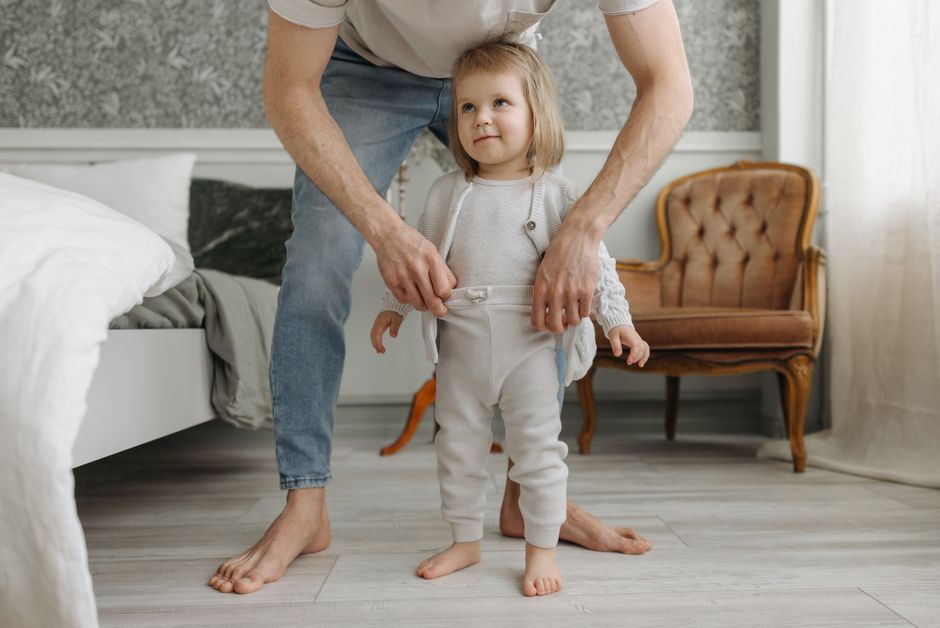
Why Direct Orders Trigger Immediate “NO”
When an adult walks into a room, scoops up a playing toddler, and begins pulling clothes over their head without warning, the toddler’s nervous system interprets this as an invasive physical takeover. Their brain triggers an immediate resistance response to protect their autonomy.
For more insights on why toddlers default to defiance, read our guide on why toddlers say no to everything and how to respond with boundaries.
[ Parent Gives Direct Order: "Put on your pants right now!" ]
                                    ⬇
        [ Toddler Perceives Loss of Autonomy & Control ]
                                    ⬇
    [ Amygdala Hijack ➔ "Boneless Noodle" / Running Away / Tantrum ] ⚠️
The Fix: Offer the “Empowered Choice of Two”
Never ask open-ended questions like “What do you want to wear today?” (which invites chaos). Instead, offer two parent-approved options:
- “Do you want to wear the dinosaur shirt or the rocket ship shirt?”
- “Should we put your left sock on first or your right sock?”
- “Do you want to climb into your pants like a kangaroo or march into them like a soldier?”
The child gets 100% of the autonomy they crave, while you retain 100% of the executive boundary.
2. Mistake #2: Overlooking Subtle Sensory Irritations
Many parents assume a child throwing a fit over socks is just “being dramatic.” In reality, young children have significantly more sensitive tactile cutaneous receptors than adults.

Common Sensory Triggers That Feel Like Physical Pain:
- Sock Toe Seams: The horizontal seam on standard cotton socks presses directly against sensitive nerve endings along the tops of the toes.
- Scratchy Fabric Tags: Stiff polyester labels on the neckline rub against the cervical spine like sandpaper.
- Stiff Waistbands & Denim: Tight elastic or non-stretchy denim restricts a toddler’s natural belly breathing and active motor movement.
- Thermal Shock: Stripping warm pajamas in a chilly morning room shocks their nervous system.
The Sensory Audit Checklist:
- Switch to tagless bamboo or organic cotton clothes.
- Turn socks inside out so the soft knit touches the toes and the rough seam stays on the outside.
- Warm their daytime clothes on a heating pad or in the dryer for 2 minutes on cold winter mornings.
3. Mistake #3: Transition Shock (Interrupting Deep Play)
Imagine you are in the middle of watching the climax of your favorite movie, and someone suddenly walks in, turns off the screen, pulls you out of your chair, and starts tying shoes onto your feet. You would feel irritated and defensive.
The Prefrontal Cortex Transition Lag
Toddlers have an immature prefrontal cortex and lack adult time perception. When deeply absorbed in building a block tower or playing with toy cars, an abrupt command to “get dressed now” feels like an aggressive disruption.
💡 Pediatric / Mom Tip: Always use Visual and Verbal Bridges before starting the routine. Give a 5-minute warning: “In 5 minutes, the timer will chime, and it will be time for our clothes game.” Use a visual sand timer so they can physically see time passing.
To master seamless activity shifts without meltdowns, explore our guide on preventing toddler transition meltdowns and emotional dysregulation.
4. Mistake #4: The Rushing Energy Trap (Catching Parental Cortisol)
Children are emotional barometers. When you are rushing, frantically checking your watch, and radiating tension, your child’s mirror neurons detect your stress as danger.
[ Parent Feels Stressed & Rushed ] ➔ Radiates Anxiety & High Heart Rate
                                    ⬇
        [ Toddler's Mirror Neurons Sense Danger in the Environment ]
                                    ⬇
    [ Toddler Dysregulates / Clings / Refuses Cooperation ] ❌
When a toddler senses threat or parental impatience, their natural biological defense is either fight (kicking, screaming), flight (running away naked), or freeze (becoming a heavy, limp weight on the floor). If morning battles frequently escalate into shouting, consult our blueprint on how to get toddlers to listen without yelling.
5. Comparison: What Doesn’t Work vs. Gentle Morning Strategies
Here is a side-by-side comparison of daily discipline methods:
| Morning Habit ❌ | The Gentle Discipline Fix ✅ | Why It Works 💡 |
|---|---|---|
| Barking orders across the room | Connect physically: get down to eye level, offer a hug first | Calms the nervous system and fosters natural cooperation. |
| Opening the whole closet | Present a binary choice: “Shirt A or Shirt B?” | Gives autonomy while avoiding overwhelming decision fatigue. |
| Physically forcing limbs into sleeves | Turn dressing into playful challenges (“Can your foot peek out?”) | Engages the child’s imaginative brain instead of the defense center. |
| Threatening (“If you don’t dress, no playground!”) | Use ‘When/Then’ logic (“When you have pants on, then we eat pancakes”) | Sets clear, positive natural consequences without empty threats. |
| Ignoring complaints of itchy clothes | Conduct a sensory audit: cut tags, use seamless bamboo | Validates physical comfort and eliminates real sensory pain. |
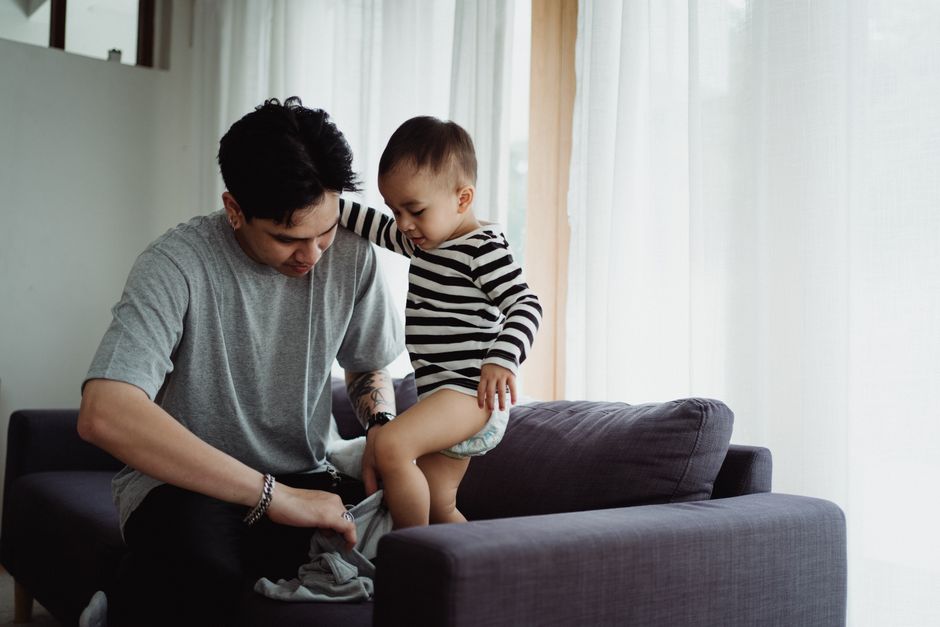
3 Playful Games That Get Toddlers Dressed in 3 Minutes
Toddlers speak the language of play. When you make dressing a game, resistance dissolves instantly:
Game 1: The “Magical Animal Tunnel”
Turn shirt sleeves and pant legs into dark caves:
- “Oh look, a dark cave! Is there a little bunny foot inside? Let’s see if the bunny can hop all the way through to the other side… Peekaboo!”
Game 2: The “Silly Parent Mistake”
Attempt to put their clothing onto the wrong body parts:
- Put their pants over your own head like a hat or try to put their sock on their hand. Your toddler will giggle, correct you, and eagerly show you how to put it on properly.
Game 3: The “Beat the Song Timer”
Put on a favorite upbeat 2-minute song (like The Freeze Dance):
- “Let’s see if we can get our superhero suit on before the music stops!”
The “Natural Consequence” Reset (When All Else Fails)
What if you have tried games, choices, and connection, but your toddler still adamantly refuses?
⚠️ Warning Alert: The Calm Car Routine If you truly must leave the house and your toddler refuses clothes, remain completely calm. Do not yell or wrestle. Gently say: “I see you aren’t ready to put your clothes on yet. That’s okay, but it is time to go. We will bring your clothes in the car, and you can put them on when we arrive.”
Wrap them in a warm blanket, place them safely in their car seat, and carry their clothes in a bag. 99% of toddlers will ask to put their clothes on the moment the car arrives at daycare.
By staying calm, giving respectful choices, and leading with playfulness, you turn morning battles into moments of connection. You’ve got this, mama!
Google AdSense Placeholder
Slot ready for "in-article". Set your AdSense publisher ID in settings when approved.
Frequently Asked Questions by Moms
Why does my toddler fight getting dressed every single morning? ▼
Toddler dressing resistance is rarely about the clothes themselves; it is primarily driven by three factors: a drive for autonomy (wanting control over their body), sensory sensitivities (itchy tags, stiff denim, or cold air), or transition resistance (not wanting to stop playing or leave the safety of home).
How can I get my toddler dressed when we are running late without yelling? ▼
Prepare the environment the night before, eliminate rushing panic (which triggers toddler fight-or-flight), offer a strict choice of two pre-selected outfits, turn dressing into a silly game (e.g., 'Where do the feet go?' or 'Sock puppets'), and connect before you direct.
Should I let my toddler pick their own clothes? ▼
Yes, but within defined boundaries. Instead of opening a full wardrobe (which creates decision fatigue and inappropriate choices like swimsuits in winter), offer a binary 'Choice of Two' (e.g., 'Do you want the blue dinosaur shirt or the green striped shirt?').
What if my toddler refuses to get dressed because clothing feels 'itchy' or uncomfortable? ▼
Check for genuine sensory processing sensitivities. Switch to seamless bamboo or 100% organic cotton fabrics, cut off all neck tags, avoid stiff buttons and zippers, and turn socks inside out so toe seams don't press against sensitive nerves.

Written by Sarah Collins
Doctor-Reviewed & Fact-CheckedMom of Two & Founder of Mommy Tips & Life
Sarah is a mother of two (Liam & Maya) sharing evidence-based parenting guides, infant sleep solutions, and baby safety alerts tested in real family life and vetted against AAP clinical standards.
Google AdSense Placeholder
Slot ready for "footer-banner". Set your AdSense publisher ID in settings when approved.