Toddler Refusing to Brush Teeth? 5 Discipline Mistakes Turning Hygiene into a War
Is toothbrushing time a nightly wrestling match in your bathroom? Discover why toddlers clamp their jaws, the discipline errors escalating the battle, and playful hacks to end tantrums.
Sarah Collins
Mom of Two & Founder of Mommy Tips & Life
Google AdSense Placeholder
Slot ready for "header-banner". Set your AdSense publisher ID in settings when approved.
🩺 Medical Disclaimer: This guide is for educational purposes and should not replace pediatric or obstetric medical consultation.
🛍️ Affiliate Disclosure: We may earn a small commission when you purchase through our links at no extra cost to you.
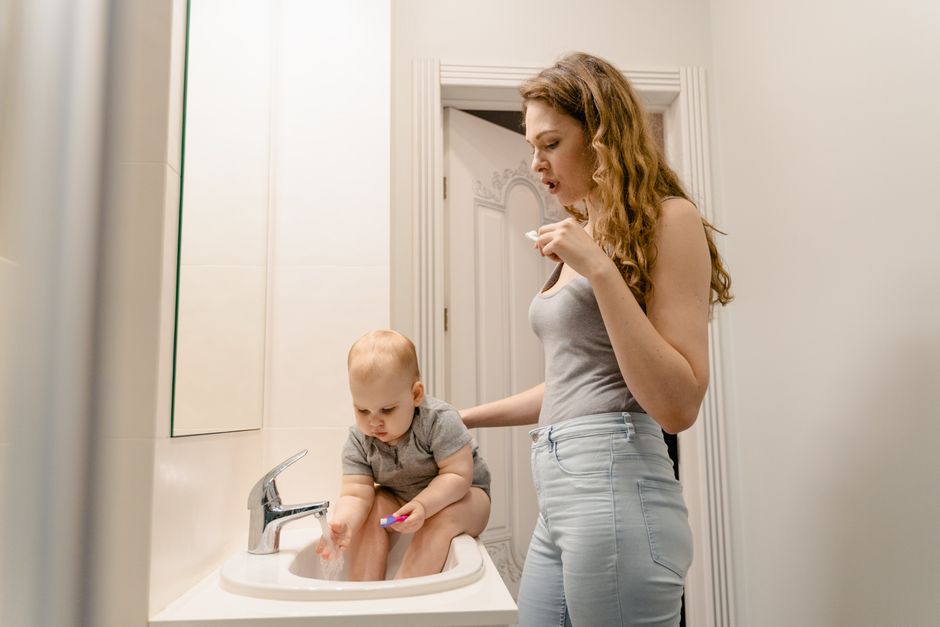
Every night at 7:45 PM, a dark cloud of dread would settle over our house. It was time for my two-year-old son Lucas to brush his teeth. The moment I picked up his little blue dinosaur toothbrush, his entire demeanour transformed: he would sprint across the hallway, dive under his toddler bed, and when I gently retrieved him, he would clamp his lips shut like a vault, thrashing his arms and screaming at the top of his lungs.
In my sheer exhaustion and fear of dental cavities, I resorted to the dreaded “toddler pin-down.” I would sit on the bathroom floor, gently trapping his flailing arms between my knees, prying his jaw open with my fingers while he choked on tears and toothpaste. I would finish brushing with my own heart racing at 140 BPM, sweating through my clothes, feeling like the absolute worst monster of a mother in the world.
The Upfront Breakthrough Summary: The turning point arrived when our pediatric dentist explained that turning dental hygiene into a battle of physical dominance triggers an intense amygdala threat response that hardwires chronic resistance. By implementing a 3-step playful autonomy system—introducing the “Two-Toothbrush Choice,” turning brushing into an interactive “Sugar Bug Hunting Safari,” and practicing the “You Brush Mine, I Brush Yours” reciprocity game—Lucas went from hysterical screaming meltdowns to cheerfully opening wide and roaring like a lion within three days.
The Toddler Psychology: Why Brushing Feels Like an Attack
To solve the bedtime brushing battle, you have to see the experience through your toddler’s developing neurobiology.
       ┌────────────────────────────────────────────────────────┐
       │             THE TOOTHBRUSHING POWER STRUGGLE           │
       ├──────────────────────────┬─────────────────────────────┤
       │ Loss of Bodily Autonomy  │ Sensory Discomfort Overload │
       │ (Parent forces object    │ (Bristles tickle sensitive  │
       │  into oral cavity)       │  gums; strong mint burns)   │
       ├──────────────────────────┼─────────────────────────────┤
       │ Amygdala Threat Trigger  │ Entrenched Bedtime Battle   │
       │                          │                             │
       │ ➔ Fight-or-flight kicks  │ ➔ Nightly avoidance loop    │
       │   in; jaw clamps shut;   │   escalates into full       │
       │   screaming and flailing │   sensory meltdown          │
       └──────────────────────────┴─────────────────────────────┘
The mouth is a child’s most sensitive, protected sensory zone. When you approach a toddler rapidly with a rigid tool, their primitive brain interprets it as an invasive physical violation.
5 Critical Discipline Mistakes Parents Make at the Bathroom Sink
1. Bribery, Threats, and Tooth Decay Scare Tactics
Telling a 2-year-old: “If you don’t brush, the dentist will pull your teeth out!” or “No bedtime story unless you open up!” does not work.
Toddlers cannot comprehend abstract future consequences like dental decay. Threats only increase bedtime cortisol and anxiety, reinforcing defiance. For effective communication techniques that bypass yelling, see our guide on how to get toddlers to listen without yelling.
2. The Physical Wrestling Match (Pinning Down)
While sometimes born out of desperate maternal exhaustion, pinning a child down creates genuine trauma.
The child learns that bedtime hygiene equals physical subjugation, making them fight harder every subsequent night. If your toddler is locked in daily battles of will, review our master guide on breaking toddler power struggles.
3. Using Spicy or Overly Minty Adult Toothpaste
Many children are sensory-sensitive to adult mint flavorings, which feel like a burning chemical sensation on young taste buds.
Switch to a mild, kid-approved fruit flavor (such as strawberry or watermelon) with pediatric-recommended fluoride levels.
4. Brushing at Peak Exhaustion
Attempting to brush teeth when a toddler is already melting down from overtiredness at 8:15 PM is a recipe for disaster.
Shift your brushing routine to right after dinner (around 6:30 PM) when your toddler still has neurological bandwidth and emotional stamina.
5. Confusing a Meltdown with Defiance
If your child is sobbing hysterically and hyperventilating, forcing a toothbrush into their mouth is ineffective.
Learn to distinguish between behavioral testing and emotional overwhelm by reviewing our clinical guide on sensory meltdowns vs temper tantrums.
Comparison Table: Power Struggles vs. Playful Cooperation
| Power Struggle Habit ❌ | Gentle Cooperation Strategy ✅ |
|---|---|
| “Open your mouth right now or no bedtime story!” | “Do you want to use the blue dino brush or the yellow tiger brush tonight?” |
| Prying the child’s clenched jaw open | “Let’s see if there are any crunchy broccoli monsters hiding in your back teeth!” |
| Brushing at the very end of the bedtime routine | Brushing immediately following dinner before evening fatigue peaks. |
| Doing 100% of the brushing while toddler sits passive | “Your turn to brush my teeth first, then my turn to give yours a shiny sparkle!” |
| Lecturing on plaque and future cavities | Singing a 2-minute brushing song or using an interactive sand timer. |
The 3-Step Playful Strategy to End Toothbrushing Battles
Transform your bathroom into a fun, low-pressure zone with these dentist-approved strategies:
Step 1: Offer “Bounded Autonomy” (The Dual-Brush Hack)
Toddlers crave control over their world. Give them safe choices:
- Buy two or three inexpensive, colorful toothbrushes featuring their favorite characters.
- At the sink, ask: “Are we using Peppa Pig or Bluey tonight?”
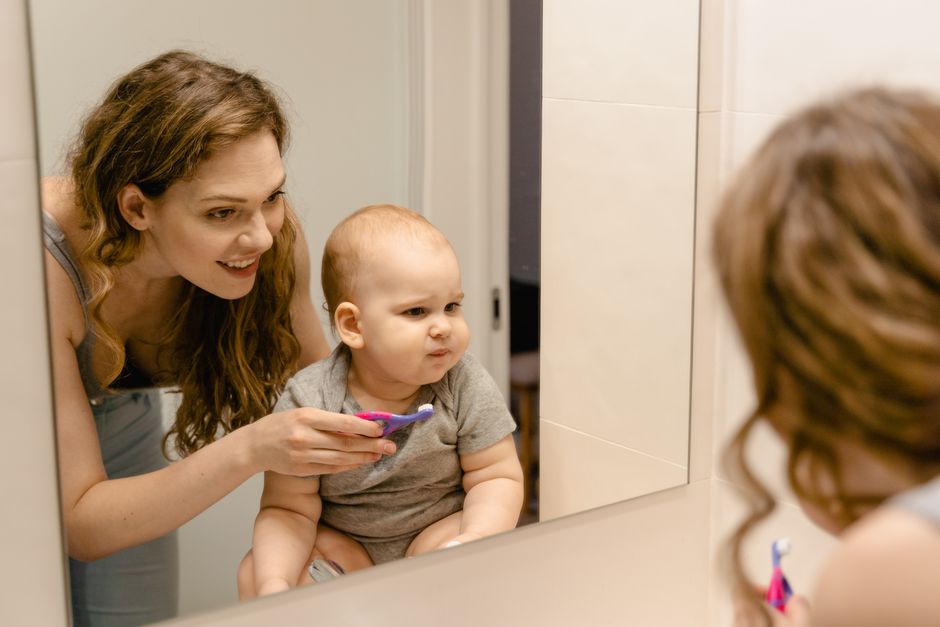
- Give your child one toothbrush to hold and “brush” with, while you hold the second brush to gently polish the rear molars.
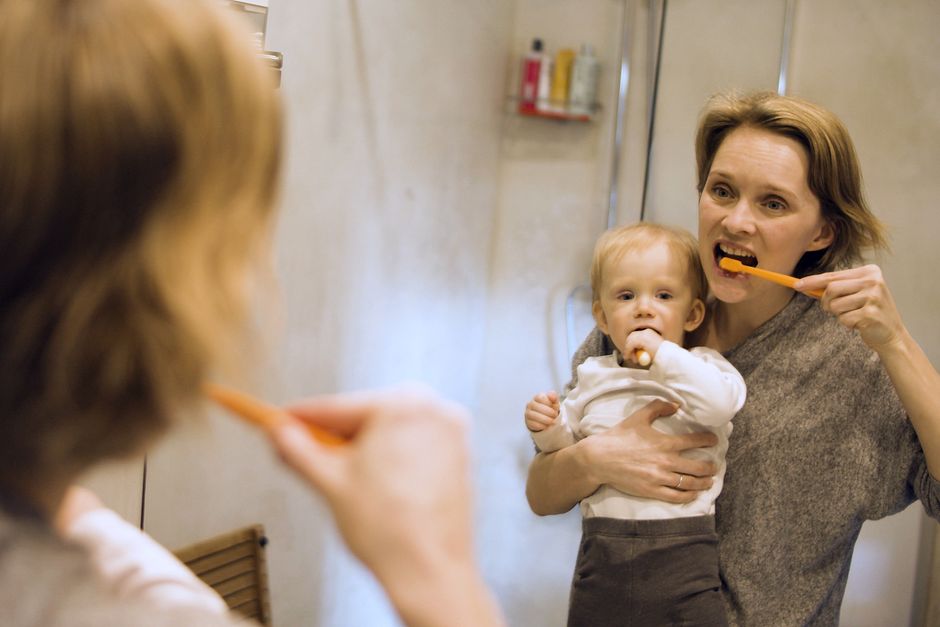
💡 Pediatric / Mom Tip: Let your toddler brush your teeth first! Children find it hilarious to put a toothbrush in mommy’s mouth and inspect your teeth, which completely disarms their natural defensive guarding reflex.
Step 2: The “Sugar Bug Safari” Game
Gamify the cleaning process:
- Tell your child you are an explorer hunting for silly creatures: “Oh my goodness, I see a purple sugar bug hiding behind your top molar! Let me tickle him away!”
- Ask them to make different animal sounds to open different parts of their mouth:
- “Roar like a lion!” (opens wide for lower molars).
- “Hiss like a snake: Eeeeeee!” (brings front teeth together for the incisors).
Step 3: Use Auditory and Visual Timers
Toddlers have zero concept of how long “two minutes” lasts, which makes brushing feel infinite and torturous:
- Use a 2-minute colorful liquid-motion sand timer.
- Play their favorite upbeat 2-minute song on your phone (e.g., Elmo Brushy Brush or the Super Simple Songs Brush Your Teeth song).
Summary: Building Lifelong Positive Habits
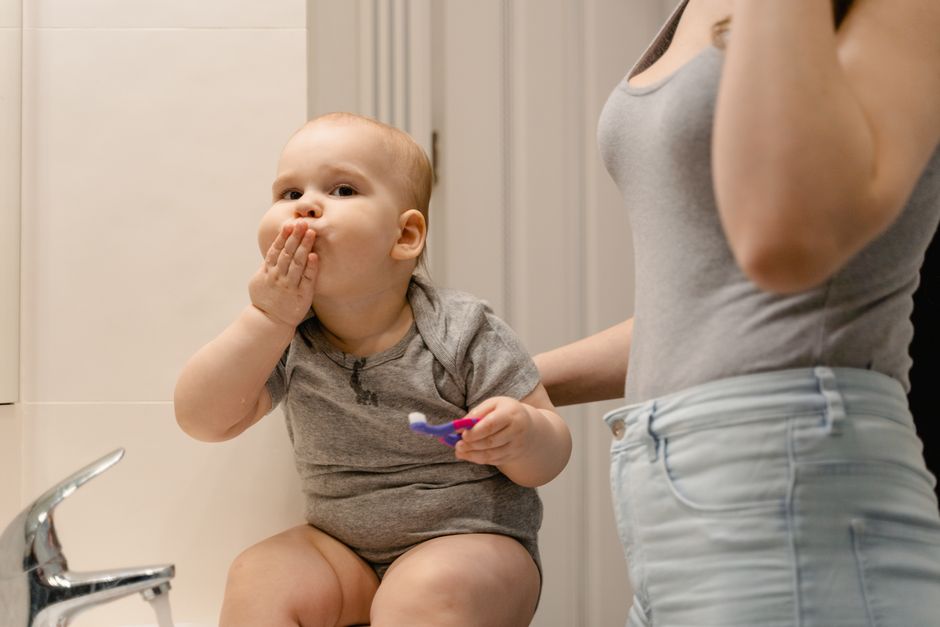
Toothbrushing should not be a traumatic wrestling match that leaves both of you in tears.
By replacing force with playful connection, offering empowering choices, and respecting your toddler’s sensory boundaries, you will protect their dental health while preserving your loving emotional bond.
Google AdSense Placeholder
Slot ready for "in-article". Set your AdSense publisher ID in settings when approved.
Frequently Asked Questions by Moms
Why do toddlers hate brushing their teeth so intensely? ▼
Toothbrushing combines two major toddler triggers: a perceived loss of bodily autonomy (having a foreign object inserted into their mouth without control) and oral sensory sensitivity (foaming paste, vibrating bristles, or cold water triggering a gag or discomfort response).
Is it okay to hold a toddler down to brush their teeth? ▼
While pediatric dentists emphasize that plaque removal is non-negotiable for cavity prevention, physically pinning a child down creates acute terror and activates their amygdala fight-or-flight response. This reinforces chronic oral aversion. Game-based cooperation and positive autonomy should always be the primary daily strategy.
How much toothpaste should a 1-to-3-year-old toddler use? ▼
The American Academy of Pediatric Dentistry (AAPD) recommends a tiny 'grain-of-rice' sized smear of fluoride toothpaste from the eruption of the first tooth until age 3. From age 3 to 6, increase to a pea-sized amount.
At what age can a child brush their teeth completely unsupervised? ▼
Children lack the manual fine motor dexterity (specifically wrist rotation) required to clean rear molars effectively until roughly age 7 or 8 (around when they can tie their own shoelaces or write in cursive). Parents should actively assist or perform a 'final polish' until this age.

Written by Sarah Collins
Doctor-Reviewed & Fact-CheckedMom of Two & Founder of Mommy Tips & Life
Sarah is a mother of two (Liam & Maya) sharing evidence-based parenting guides, infant sleep solutions, and baby safety alerts tested in real family life and vetted against AAP clinical standards.
Google AdSense Placeholder
Slot ready for "footer-banner". Set your AdSense publisher ID in settings when approved.