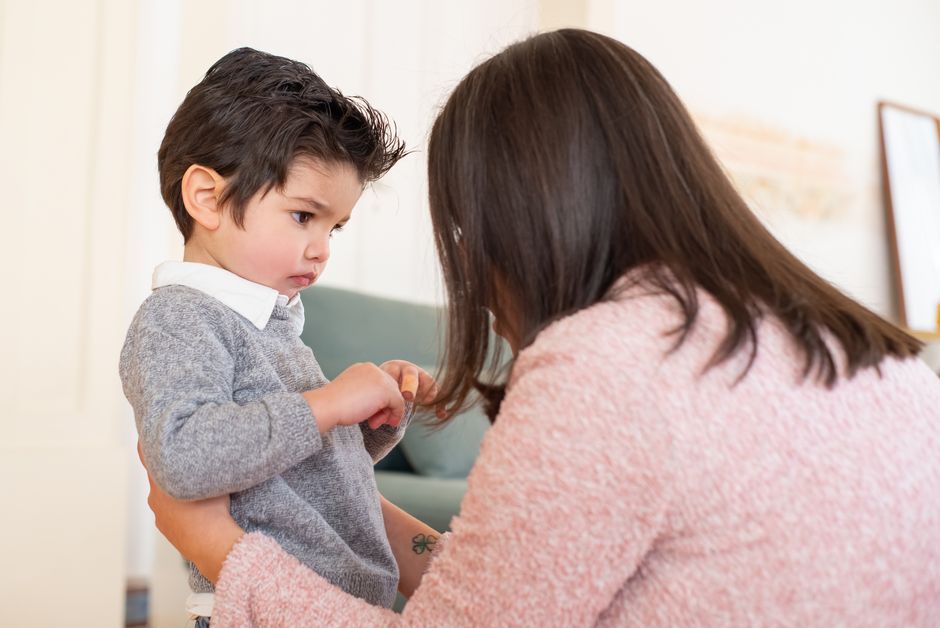
Toddler Refusing and Running Away From Diaper Changes? 5 Peaceful Fixes That Actually Work
Tired of wrestling an alligator at every diaper change? Learn why toddlers run away, somatic autonomy triggers, and 5 peaceful discipline strategies to end the battle.
Sarah Collins
Mom of Two & Founder of Mommy Tips & Life

Google AdSense Placeholder
Slot ready for "header-banner". Set your AdSense publisher ID in settings when approved.
🩺 Medical Disclaimer: This guide is for educational purposes and should not replace pediatric or obstetric medical consultation.
🛍️ Affiliate Disclosure: We may earn a small commission when you purchase through our links at no extra cost to you.
It was 4:30 PM on a rainy Thursday, and I found myself sweating profusely on our living room rug, holding down my 18-month-old son’s thrashing ankles with one hand while trying to wipe a messy diaper with the other. Liam was arching his back with supernatural strength, shrieking as if in mortal danger, kicking my chest, and rolling violently from side to side like a captured alligator.
By the time I managed to tape the diaper tabs, wipes were strewn across the floor, diaper cream was smeared on my jeans, and Liam was sobbing hysterically in the corner. I sat on the carpet, exhausted, trembling with frustration, and fighting off waves of maternal rage and guilt. I dreaded every single diaper change, wondering why my sweet, gentle toddler turned into a feral wildcat every time a clean diaper was required.
The Upfront Peaceful Discipline Breakthrough: The turning point arrived when our child development specialist explained that toddlers don’t fight diaper changes to be defiant or malicious; they fight because being pinned flat on their back violates their emerging somatic bodily autonomy. At 18 months, a toddler’s brain is hardwired to move, explore, and assert independence. Forcibly immobilizing them in a vulnerable, supine position triggers an immediate primitive fight-or-flight stress response. By adopting a 3-step respectful cooperation protocol—transitioning 80% of daily changes to standing diaper changes using 360 pull-ups, introducing the “2-Choice Autonomy Bridge,” and honoring play transitions with a 60-second warning—our daily diaper wrestling matches vanished within four days.
The Toddler Brain: Why Being Pinned Triggers Panic
To peacefully resolve diaper change battles, you must look at the experience through your toddler’s neurological lens.
   ┌────────────────────────────────────────────────────────────┐
   │             THE DIAPER BATTLE PSYCHOLOGY MATRIX            │
   ├──────────────────────────────┬─────────────────────────────┤
   │ Adult Perspective            │ Toddler Neurological Reality│
   ├──────────────────────────────┼─────────────────────────────┤
   │ • Quick 2-minute hygiene task│ • Abrupt interruption of play│
   │ • Necessary skin health      │ • Complete loss of physical control│
   │ • Simple routine             │ • Vulnerable, pinned supine posture│
   │ • Rational priority          │ • Amygdala fight-or-flight trigger │
   └──────────────────────────────┴─────────────────────────────┘
Between 14 and 24 months, toddlers undergo explosive neurological growth in the prefrontal cortex and motor centers. When a parent suddenly scoops them up without warning and pins their shoulders to a changing table, their brain doesn’t think, “Mom is protecting me from diaper rash.” Their amygdala screams: “I am trapped, immobilized, and powerless!”

If your toddler is also having intense meltdowns during transitions throughout the day, explore our guide on how to stop toddler transition meltdowns and discipline traps.
1. Abrupt Play Interruption (The “Swoop and Scoop” Mistake)
The most common trigger for diaper resistance is the sudden, unannounced interruption of deep toddler play.
The Flow State Disruption
When your toddler is stacking blocks, examining a leaf, or pushing a toy truck, their brain is in a state of intense neuro-synaptic focus.
   ❌ THE SWOOP & SCOOP:
        Toddler Playing ──> Parent Grabs Without Warning ──> Instant Meltdown & Kicking!

   ✅ THE TRANSITION BRIDGE:
        1-Minute Warning ──> Play Connection ──> Toddler Walks Cooperatively to Station
When you swoop in, pick them up, and carry them away without preparation, you shatter their focus and invite immediate rebellion.
💡 Pediatric / Mom Tip: Use the “Acknowledge and Bridge” strategy: “You are building a really tall tower with your red blocks! We have 1 more minute, and then it is time for a fresh diaper so your skin stays comfy.” Bringing closure to their activity eliminates 50% of resistance before it starts.
2. Pinned on the Back (The Vulnerability Threat)
Lying flat on one’s back (the supine position) is the most biologically vulnerable posture for any mammal.
Why Toddlers Hate the Changing Table
For a newborn, the changing table is comfortable. But for a mobile, running toddler, being forced onto their back feels unnatural, confining, and undignified. They want to be vertical, active, and in charge of their limbs.
   ❌ TRADITIONAL SUPINE CHANGE:
        Pinned on back ──> Feels trapped ──> Kicks, twists, and screams

   ✅ RESPECTFUL STANDING CHANGE:
        Standing tall on two feet ──> Preserves autonomy ──> Calm cooperation
Switching to standing diaper changes transforms the dynamic from a power struggle into a collaborative self-care milestone.

3. The Power Struggle Trap (Demanding vs. Empowering)
When parents get frustrated, our tone naturally shifts into rigid commands: “Get over here right now! Lay down! Stop moving!”
The “Saying No” Phenomenon
Toddlers have zero control over what they eat, when they sleep, where they go, or what clothes they wear. Their diaper is one of the very few domains where they can physically resist parental authority. If every diaper change turns into a battle of wills, you inadvertently reinforce the behavior through negative attention.
If you are dealing with constant defiance and power struggles across daily routines, read our clinical guide on toddler power struggles and discipline mistakes and what to do when your toddler says no to everything.
4. Cold Wipes, Diaper Rash Discomfort, and Sensory Sensitivity
Sometimes, a toddler’s screaming is driven by physical discomfort rather than behavioral defiance.
Hidden Sensory Triggers:
- Painful Diaper Rash: Raw, inflamed skin burns excruciatingly when wiped with standard scented wipes.
- Frigid Temperature Shock: A freezing wipe placed against sensitive genital skin causes a sharp sensory shock.
- Dry Friction: Vigorous scrubbing instead of gentle dabbing irritates delicate epithelial barriers.
⚠️ Warning Alert: If your toddler screams in agony during wiping, inspect their skin for bright red satellite dots or shiny raw patches—this indicates a yeast diaper infection (Candida albicans) that requires a pediatric antifungal prescription rather than standard zinc cream.

Summary Comparison: Wrestling vs. Cooperation
| Combat Strategy ❌ | Peaceful Cooperation Alternative ✅ | Psychological Rationale |
|---|---|---|
| Pinning child’s arms and legs down by force | Switching to standing diaper changes with pull-ups | Honors toddler physical autonomy and mobility. |
| Grabbing toddler abruptly from play | Giving a 1-minute visual/verbal transition warning | Prevents amygdala shock and cognitive disorientation. |
| Barking strict orders (“Lay down right now!”) | Offering a 2-Choice Autonomy Bridge | Fulfills their developmental drive for control. |
| Shaming (“You are a big boy, stop acting like a baby”) | Assigning an active self-care job (holding wipes) | Turns a passive ordeal into a cooperative responsibility. |
5 Practical Steps to End Diaper Wrestling Today
Transform diaper changes from a daily wrestling match into a calm, connected routine with this 5-step peaceful protocol:
Step 1: Master the 60-Second Standing Change
Purchase 360-degree stretch pull-up pants (available in sizes 2T–5T and size 3–6 diapers). Have your toddler stand facing the bathroom sink or holding your shoulder.
- Tear the side seams of the dirty pull-up.
- Wipe thoroughly from front to back while they remain standing.
- Have them step their feet through the new stretch waistband and pull it up together like “big kid underwear.”
Step 2: Deploy the “Two-Choice Autonomy Bridge”
Never ask a yes/no question (“Can I change your diaper?” ➔ will always get a “NO!”). Instead, offer two controlled choices:
- “Do you want to walk like a penguin or hop like a kangaroo to the bathroom?”
- “Do you want to hold the blue wipes or the green wipes today?”
- “Do you want to do your change standing up in the bathroom or in your bedroom?”
Step 3: Introduce the “Diaper-Only Sensory Basket”
Keep a small basket of novel, captivating toys that are only available during diaper changes and put away the instant the diaper is on:
- A small LED flashlight
- A kaleidoscope or liquid sensory timer
- A novelty pop-it or vibrating massage ball
- Singing silly animal voice songs that make them laugh
Step 4: Assign a Meaningful Helper Job
Toddlers love having authentic responsibility. Give them active tasks during the change:
- “Can you hold the clean diaper for Mommy?”
- “Can you pull out exactly one wipe for me?”
- “Can you press the button on the trash bin to throw the old diaper away?”
Step 5: De-Escalate Tantrums with Co-Regulation
If your toddler is already in a full hysterical meltdown, stop trying to reason with them. Get down on their eye level, take a slow deep breath, and validate their feelings: “You were having so much fun with your cars. It is hard to stop playing. I hear you. Let’s do a quick standing change together so you can get right back to your race tracks.”
For more strategies on managing intense behavioral outbursts, review our evidence-based guide on how to stop toddler tantrums fast.
Google AdSense Placeholder
Slot ready for "in-article". Set your AdSense publisher ID in settings when approved.
Frequently Asked Questions by Moms
Why do toddlers fight and run away from diaper changes? ▼
Between 14 and 24 months, toddlers experience a massive developmental surge in somatic bodily autonomy and independent mobility. Being abruptly scooped up, pinned flat on their back, and having their active play interrupted feels like an aggressive loss of physical control, triggering a fight-or-flight panic response.
How do I do a standing diaper change? ▼
For wet diapers (and manageable soiled ones), have your toddler stand facing a low table or holding your shoulder. Pull down their pants, wipe from front to back, and step into 360-degree stretch pull-up training pants. This preserves their dignity and active posture.
Is pinning a toddler down during diaper changes harmful? ▼
While occasionally necessary for severe hygiene safety, repeatedly pinning a screaming child down creates a combative power struggle, elevates cortisol, and turns a routine hygienic task into a traumatic daily battlefield.
How can I stop my toddler from running away when it's time to change? ▼
Give a 1-minute transition warning, offer an empowering two-choice autonomy bridge ('Do you want to stomp like an elephant or hop like a bunny to the bathroom?'), and hand them a novel 'special changing toy' reserved exclusively for diaper time.

Written by Sarah Collins
Doctor-Reviewed & Fact-CheckedMom of Two & Founder of Mommy Tips & Life
Sarah is a mother of two (Liam & Maya) sharing evidence-based parenting guides, infant sleep solutions, and baby safety alerts tested in real family life and vetted against AAP clinical standards.
Google AdSense Placeholder
Slot ready for "footer-banner". Set your AdSense publisher ID in settings when approved.