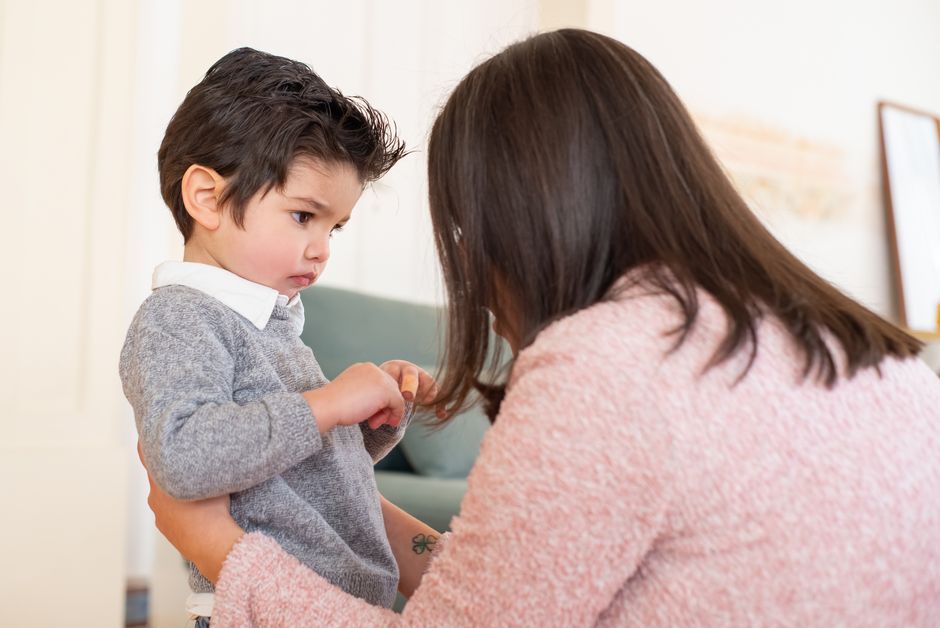
Why Your Toddler Bangs Their Head When Angry (Sensory Triggers, Tantrum Mistakes & Safe Calming Strategies)
Is your toddler slamming their head against the floor or crib when angry? Learn why toddlers bang their heads, critical mistakes to avoid, and safe calming strategies.
Sarah Collins
Mom of Two & Founder of Mommy Tips & Life
Google AdSense Placeholder
Slot ready for "header-banner". Set your AdSense publisher ID in settings when approved.
🩺 Medical Disclaimer: This guide is for educational purposes and should not replace pediatric or obstetric medical consultation.
🛍️ Affiliate Disclosure: We may earn a small commission when you purchase through our links at no extra cost to you.
The first time my son Lucas banged his head against our hardwood floor, my heart stopped cold. He was twenty months old, and I had just told him he couldn’t have a second cookie before dinner. He dropped to his knees, screamed at the top of his lungs, and violently slammed his forehead against the oak floor three times in rapid succession. Thump. Thump. Thump.
Terrified that he was going to crack his skull open or cause permanent brain damage, I screamed, lunged across the rug, scooped him up in a frantic panic, and immediately handed him the cookie just to make him stop. But over the next two weeks, the behavior exploded. Every time he heard the word “no,” his forehead went straight into walls, crib slats, or tiles. I felt like a hostage in my own home, paralyzed by guilt, terror, and total confusion.
The Quick Breakthrough Summary: Head banging in toddlers is an alarming, yet medically common, visceral reaction to an amygdala hijack combined with sensory input seeking. My big mistake was reacting with high-pitched panic and immediate reward capitulation, which accidentally reinforced head banging as a powerful emotional lever. The moment we implemented the “Silent Pillow Buffer” technique, maintained a calm, grounded neutral presence, and introduced heavy-work proprioceptive sensory outlets (trampoline stomps, bear hugs), the head banging vanished within ten days.
If you are navigating daily behavioral battles with your toddler, remember that aggression and meltdowns stem from underdeveloped emotional regulation. If your toddler is also lashing out at others, read our practical strategies for handling toddler hitting and biting without yelling, and learn how to distinguish between a sensory meltdown versus a standard temper tantrum.
Here is the pediatrician- and child-psychologist-vetted framework explaining why toddlers bang their heads, the common parenting traps that escalate the behavior, and the step-by-step calming protocol that keeps your child physically safe and emotionally grounded.
1. The Neuroscience: What Triggers the Head Banging Reflex?
Watching your child intentionally hurt themselves is terrifying. But understanding the neurological mechanism removes the fear and allows you to respond effectively.
The Amygdala vs. Prefrontal Cortex Mismatch
Between 12 and 36 months, a toddler’s emotional brain (the amygdala) is fully online, capable of generating massive waves of rage, grief, and frustration. However, their logical, verbal brain (the prefrontal cortex) is still in its infancy.
When overwhelmed:
- Adrenaline and cortisol flood the central nervous system.
- The toddler experiences emotional sensation as intense, unbearable physical tension.
- Because they lack the linguistic ability to say, “I am furious that I cannot have that toy,” their body seeks an immediate physical release.
[ Overwhelming Frustration / Hearing 'No' ]
                     ⬇
[ Amygdala Hijack & Cortisol Surge ]
                     ⬇
[ Prefrontal Verbal Circuit Overwhelmed ]
                     ⬇
[ Seeks Immediate Rhythmic Vestibular Sensation ]
                     ⬇
[ Rapid Head Banging as Visceral Pressure Relief ]
Rhythmic Self-Soothing vs. Vestibular Stimulation
Rhythmic motor actions (like rocking or rhythmic bumping) stimulate the inner ear’s vestibular system, which naturally triggers the release of endorphins to mute intense emotional distress.
2. The 4 Big Parenting Mistakes That Accidentally Fuel Head Banging
Most parents make one of these instinctive mistakes when head banging begins, unintentionally cementing the behavior into a habitual pattern.
Mistake 1: The High-Panic Screaming Reaction
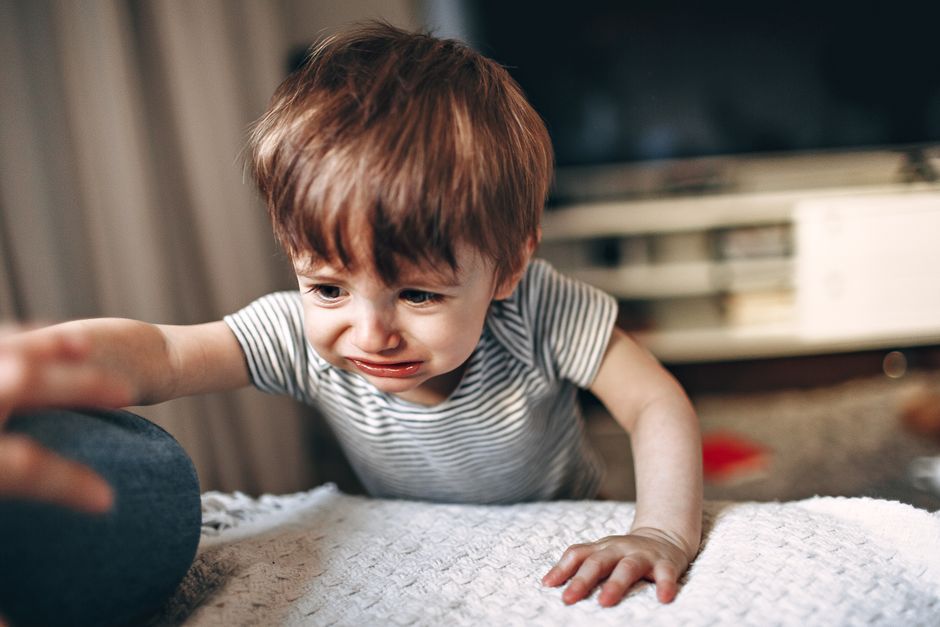
When you gasp, scream “No, stop, don’t do that!” and rush over with terror in your eyes, your toddler perceives that head banging wields massive emotional power over adults. In a toddler’s brain, dramatic parental panic is an intense form of reinforcement.
Mistake 2: The Capitulation Trap (Giving In to Make It Stop)
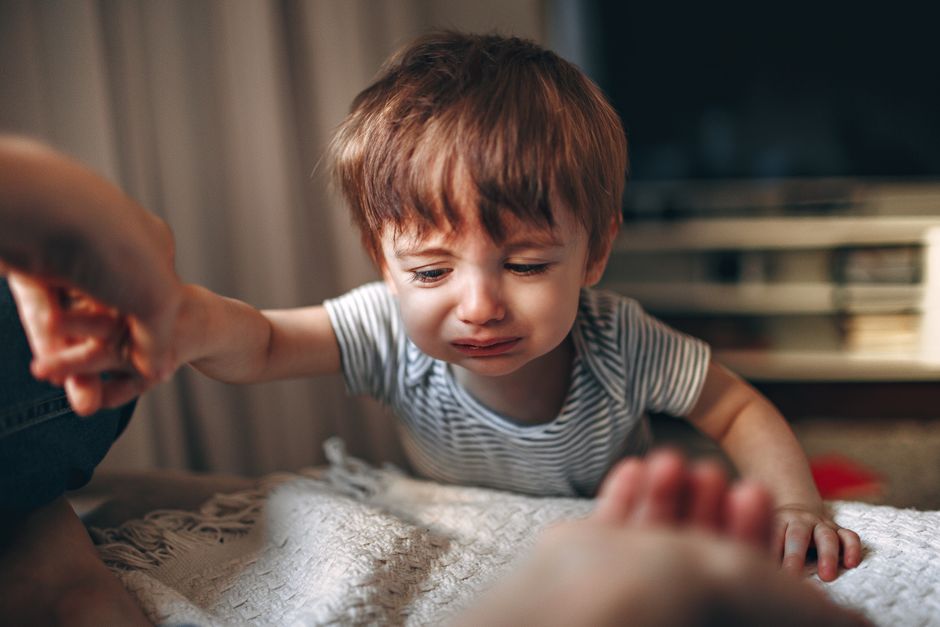
If you say “No iPad,” they bang their head, and you immediately hand over the iPad to protect their forehead, their brain learns an instant neurological equation: Head Banging = Instant Victory.
Mistake 3: Trying to Reason or Lecture Mid-Meltdown
Lecturing, scolding, or demanding explanations while a child is banging their head is neurologically useless. During an amygdala hijack, the auditory processing centers are offline. Talking only adds auditory overstimulation.
Mistake 4: Punitive Isolation Time-Outs
Sending a self-harming, terrified toddler to an isolated bedroom leaves them in a state of autonomic dysregulation, where they are more likely to bang their head against doors or baseboards. For better alternatives, see our guide on time-out vs time-in discipline strategies.
3. The 3-Step “Safe Buffer” Protocol During a Meltdown
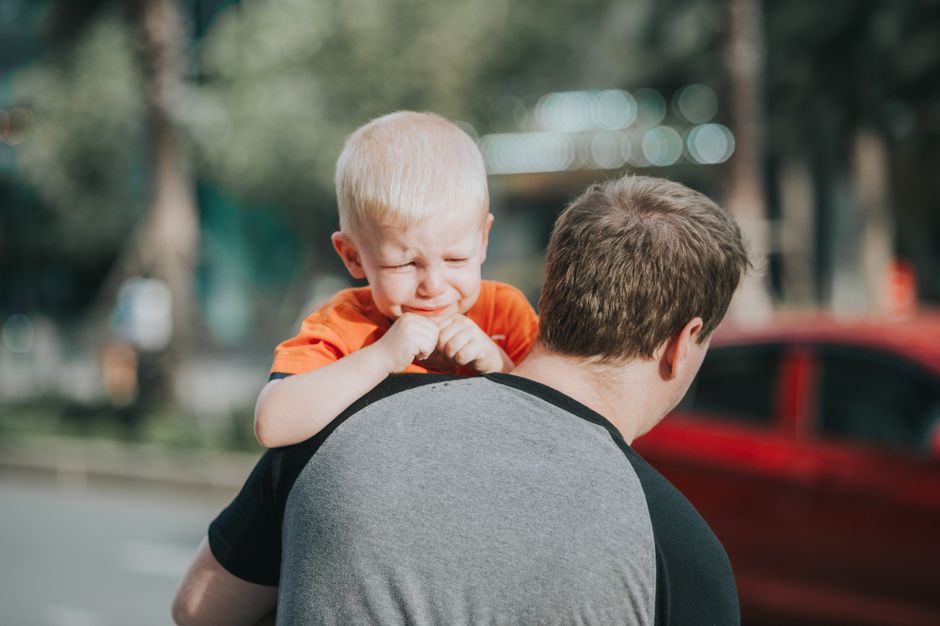
When your toddler drops to the floor and starts banging their head, follow this exact clinical protocol:
Step 1: Protect the Head Silently (The Buffer)
- Do NOT grab their head forcefully or scream.
- Slide a soft throw pillow, folded blanket, or your flat open palm directly under their forehead so the impact hits a cushioned surface.
- If they are in a crib, transition them to a floor mat or carpeted area.
Step 2: Establish a Grounded “Time-In” Presence
- Sit down beside them on the floor, keeping your posture relaxed and your breathing slow and deep.
- Use a calm, low-pitch, steady voice: “I will keep your body safe. I am right here with you.”
- If they allow physical touch, offer firm, grounding pressure on their shoulders or a deep hug. If touch escalates their anger, remain 2 feet away as a quiet protective anchor.
Step 3: Hold the Boundary Without Wavering
- Never reverse the original limit that triggered the meltdown.
- Validating the emotion does NOT mean changing the boundary: “You are so mad that playtime is over. It is okay to be mad. It is not okay to hurt your head.” For more limit-setting scripts, review our breakdown on stopping toddler tantrums fast.
4. Heavy-Work Proprioceptive Outlets: Proactive Prevention
Toddlers who bang their heads often have a high need for proprioceptive sensory input (the sensation of joints and muscles feeling heavy pressure).
Daily Heavy-Work Activities to Regulate the Nervous System:
- The “Bear Squeeze” Game: Playful deep-pressure hugs before transitions.
- Pillow Crashing: Creating a pile of cushions on the carpet and letting your toddler run and dive into them.
- Pushing & Pulling Heavy Objects: Pushing a laundry basket filled with books or pulling a wagon.
- Mini-Trampoline Stomps: Jumping vigorously to discharge physical tension before naptime or dinner.
5. When to Call the Pediatrician: Medical Red Flags
While head banging during behavioral tantrums is common in 20% of healthy toddlers, certain patterns require clinical evaluation.
Red Flags That Require Medical Assessment:
- Indifference to Severe Pain: Child bangs head so forcefully that skin breaks or bleeds, but exhibits zero crying or pain response.
- Head Banging All Day in Isolation: Banging head for hours even when happy, calm, or alone, with no emotional trigger.
- Lack of Social Interaction & Speech Delay: Head banging alongside loss of eye contact, no waving, and no expressive words.
- Persistent Head Banging Past Age 3.5 to 4: Continued frequent episodes after verbal language is fully established.
| Typical Tantrum Head Banging ✅ | Red Flag Pattern Requiring Evaluation ⚠️ |
|---|---|
| Occurs only when told “no” or frustrated | Occurs continuously throughout the day without triggers |
| Stops when given a soft pillow or comforted | Ignores physical injury, bleeding, or bruising |
| Resolves within 2 to 5 minutes | Accompanied by loss of eye contact and speech delay |
| Child cries and seeks comfort after impact | Child seems in a detached, unresponsive trance |
Final Words: You Are Your Child’s Anchor
Watching your child hit their head can make you feel helpless and overwhelmed. But remember: your child is not broken, and you are not a bad parent.
Their little brain is simply learning how to carry big, stormy emotions. When you stay calm, protect their physical safety without panic, and maintain loving, sturdy boundaries, you teach them that their biggest storms cannot shake you—and that they are safe in your arms.
If you are concerned about your child’s head banging, self-injurious habits, or developmental progress, discuss it with your pediatrician for specialized pediatric guidance.
Google AdSense Placeholder
Slot ready for "in-article". Set your AdSense publisher ID in settings when approved.
Frequently Asked Questions by Moms
Why does my toddler bang their head on the floor when mad? ▼
Head banging is a primitive neurological response to severe emotional dysregulation or sensory overload. Toddlers lack verbal pathways to articulate overwhelming frustration. The intense physical sensation and rhythmic impact stimulate vestibular receptors, temporarily distracting their nervous system from intense emotional pain.
Can a toddler cause brain damage or serious injury by banging their head? ▼
Healthy toddlers almost never bang hard enough to cause subdural hematomas, concussions, or brain damage because their own pain threshold acts as a biological governor. However, they can develop painful bruises, lumps, or minor skin lacerations, which is why parents should place a soft buffer beneath them.
Should I ignore head banging tantrums or hold my toddler? ▼
Never completely ignore a self-harming behavior, but avoid giving it dramatic anxious attention. Provide a silent physical buffer (such as sliding a pillow or your hand under their forehead), offer a calm 'time-in' presence, and wait until their amygdala calms before attempting verbal connection.
At what age should toddler head banging stop? ▼
Head banging typically peaks between 18 and 24 months and naturally resolves by age 3 as verbal language and emotional self-regulation neural circuits mature. If head banging persists past age 3 or 4, or is accompanied by developmental delays, consult a pediatric neurologist or behavioral specialist.

Written by Sarah Collins
Doctor-Reviewed & Fact-CheckedMom of Two & Founder of Mommy Tips & Life
Sarah is a mother of two (Liam & Maya) sharing evidence-based parenting guides, infant sleep solutions, and baby safety alerts tested in real family life and vetted against AAP clinical standards.
Google AdSense Placeholder
Slot ready for "footer-banner". Set your AdSense publisher ID in settings when approved.