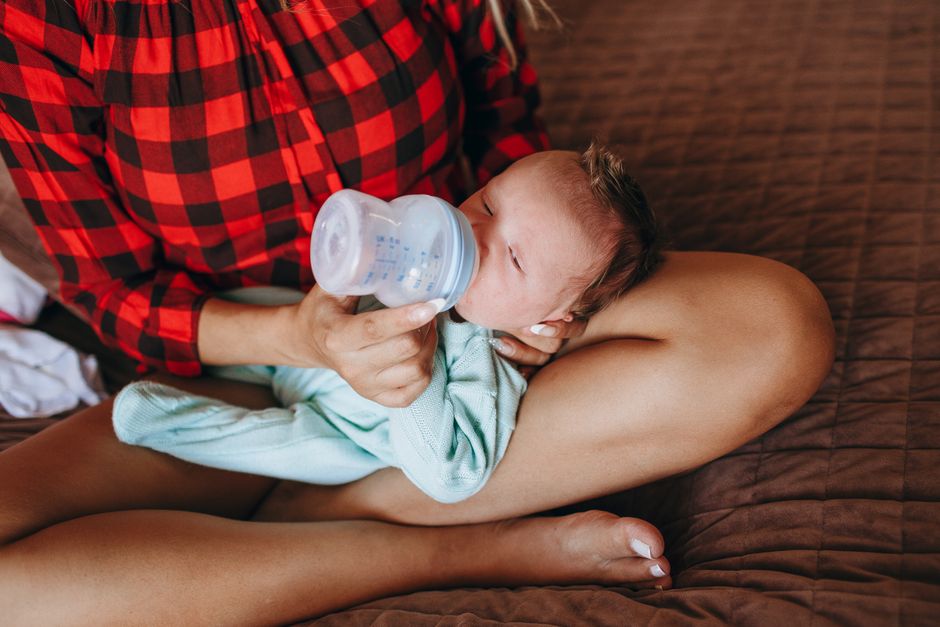
5 Dangerous Reasons Never to Put Rice Cereal in Your Baby's Bottle (Choking, Gut & Sleep Traps)
Told to put rice cereal in your baby's bottle for sleep or reflux? Discover AAP warnings, choking hazards, gut inflammation risks, and doctor-backed alternatives.
Sarah Collins
Mom of Two & Founder of Mommy Tips & Life
Google AdSense Placeholder
Slot ready for "header-banner". Set your AdSense publisher ID in settings when approved.
🩺 Medical Disclaimer: This guide is for educational purposes and should not replace pediatric or obstetric medical consultation.
🛍️ Affiliate Disclosure: We may earn a small commission when you purchase through our links at no extra cost to you.
When my first baby was barely eight weeks old, exhaustion was slowly unraveling every ounce of my sanity. He was waking every 90 minutes, fussing relentlessly with acid discomfort, and refusing to settle flat in his bassinet. At a family gathering, an older relative pulled me aside with absolute conviction: “Just put two teaspoons of rice cereal in his bedtime bottle. It thickens the milk, weighs down his tummy, and he’ll sleep eight hours straight. We did it with all four of our kids!”
Standing in my kitchen at 2:00 AM that same night, gripping a box of baby rice cereal and looking at my screaming baby, the temptation was agonizing. I was desperate for sleep. But a nagging gut instinct prompted me to send a midnight portal message to our pediatrician first. The next morning, her response was swift and emphatic: “Under no circumstances put cereal in his bottle. It is one of the most dangerous outdated parenting myths we fight in pediatric medicine.”
The Quick Breakthrough Summary: Adding infant cereal to a bottle creates severe choking and lung aspiration risks, overtaxes immature digestive enzymes leading to painful intestinal gas, introduces unnecessary heavy metal exposure (inorganic arsenic), and fails to improve infant sleep duration. Instead of thickeners, we resolved our baby’s sleep and reflux issues within 72 hours by adopting paced upright bottle feeding at 45°, introducing anti-colic vented flow nipples, and following strict age-appropriate wake windows.
If your baby is also battling frequent evening distress and spitting up, remember that digestive discomfort directly impacts sleep quality. Before altering bottle contents, make sure to explore our complete guide on hidden signs of baby silent reflux and acid burn and read our breakdown of 5 baby colic and trapped gas mistakes ruining newborn sleep.
Here is the comprehensive, doctor-vetted breakdown of why pediatricians strictly advise against putting cereal in a baby’s bottle, the serious physiological risks involved, and the evidence-based methods that actually bring sleep and digestive relief.
1. The Choking & Aspiration Hazard (A Fatal Mechanical Trap)
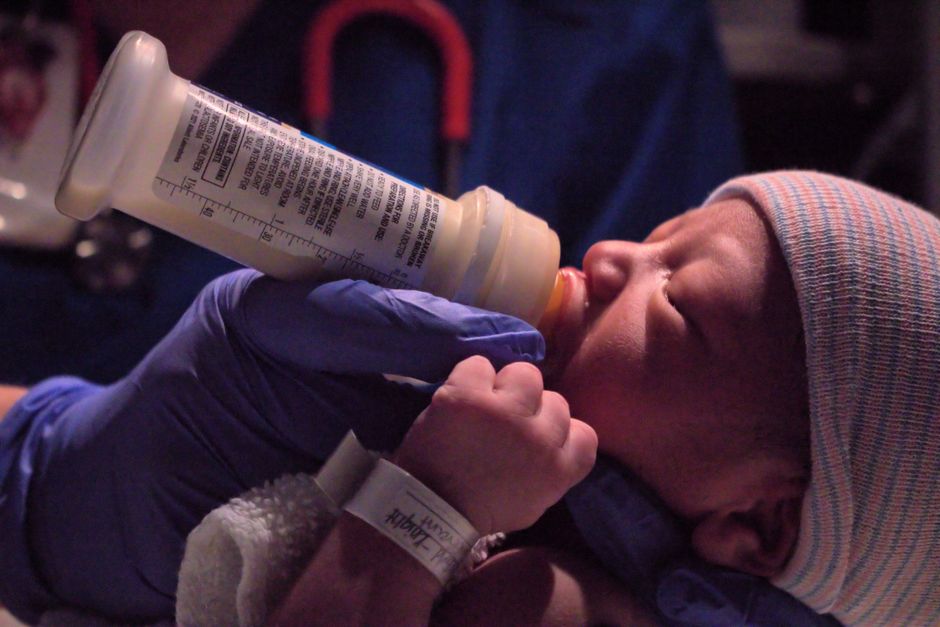
The single greatest immediate danger of putting rice cereal into an infant’s bottle is the physical risk of airway obstruction and pulmonary aspiration.
The Physics of Immature Infant Swallowing
Newborns and young infants are biologically designed to drink liquids with the viscosity of breast milk or standard infant formula. Their oral motor mechanics rely on an involuntary sucking reflex where the tongue moves forward and backward in a wave-like peristaltic motion.
When cereal is mixed into milk, the fluid becomes a thick, sticky sludge. An infant’s pharyngeal muscles are not mature enough to coordinate swallowing this dense consistency while simultaneously regulating their breathing rhythm.
[ Thickened Slurry in Bottle ]
              ⬇
[ Overwhelms Immature Pharyngeal Reflex ]
              ⬇
[ Fluid Pools Above the Laryngeal Inlet ]
              ⬇
[ Micro-Aspiration into Lungs or Sudden Choking ]
The Dangerous “Cut Nipple” Habit
Because thickened cereal clogs standard slow-flow bottle nipples, parents often resort to taking a pair of kitchen scissors and cutting an “X” or widening the hole in the silicone nipple.
⚠️ Warning Alert: Cutting bottle nipples creates an uncontrolled, high-velocity rush of thickened liquid straight into the baby’s airway. In addition to severe choking, microscopic fragments of cereal can enter the trachea and lungs, causing chemical pneumonitis and chronic respiratory infections. For safe feeding practices, review our essential guide on baby bottle nipple flow rate mistakes.
2. The Heavy Metal Hazard: Inorganic Arsenic in Rice Cereal
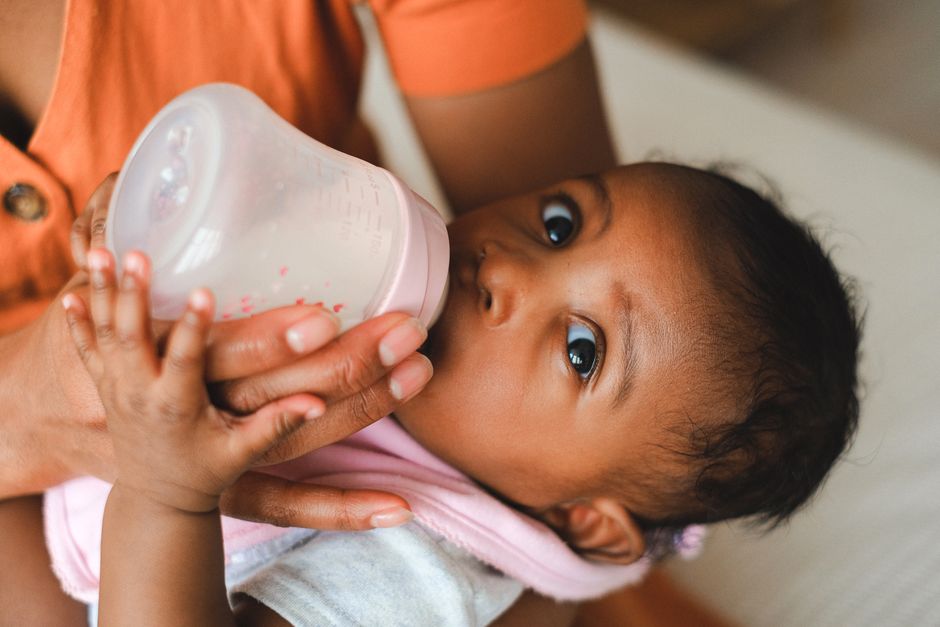
Beyond immediate mechanical choking risks, regular consumption of infant rice cereal exposes developing infants to concentrated levels of inorganic arsenic.
Why Rice Concentrates Arsenic
Rice plants absorb arsenic from water and soil at a rate roughly 10 times higher than other cereal grains like oats, barley, or wheat. Because infants consume a high volume of food relative to their small body mass, their exposure per pound of body weight is significantly magnified.
The FDA (U.S. Food and Drug Administration) and the American Academy of Pediatrics (AAP) have issued stringent guidance warning against exclusive rice cereal feeding due to neurodevelopmental concerns associated with chronic heavy metal ingestion during early brain development.
Pediatric-Approved Grains for Starting Solids:
- Single-Grain Oatmeal: Naturally lower in heavy metals and gentle on developing intestines.
- Barley Cereal: Rich in prebiotic fiber and easy to digest.
- Mashed Whole Foods: Avocado, steamed sweet potato purees, or unsweetened pureed pears fed via spoon at 6 months.
3. Immature Gut Enzymes & Severe Gas Distension
A common myth claims that a “heavy tummy” full of cereal soothes a colicky baby. In reality, introducing starch into a baby’s bottle before their gastrointestinal tract is mature causes painful digestive distress.
The Amylase Deficiency
Human infants do not produce sufficient levels of pancreatic amylase (the primary digestive enzyme required to break down complex starches like rice flour) until approximately 4 to 6 months of age.
When undigested starch reaches the large intestine:
- Beneficial gut flora are overwhelmed by complex carbohydrates they cannot ferment efficiently.
- Opportunistic bacteria ferment the starch rapidly, generating large volumes of hydrogen and methane gas.
- The infant experiences painful abdominal distension, severe intestinal cramping, and foul-smelling loose stools or painful constipation.
💡 Pediatric Tip: If your baby is grunting, straining, or screaming in the middle of the night, adding cereal will exacerbate their agony. Check our clinical guide on infant constipation relief remedies and common dietary errors to identify real tummy relief solutions.
4. The Sleep Myth Debunked: Why Cereal Does NOT Make Babies Sleep Longer
The most frequent reason exhausted parents consider bottle cereal is the promise of unbroken nighttime sleep. However, scientific evidence decisively refutes this old wives’ tale.
Clinical Research on Infant Sleep Cycles
Multiple randomized controlled trials tracking infant sleep patterns have compared babies given cereal-thickened bedtime bottles against babies given standard breast milk or formula.
The clinical findings are consistent:
- No Increase in Total Sleep Time: Babies fed cereal bottles woke just as frequently during the night as control groups.
- Sleep Consolidation is Neurological: Night waking in the first 6 months is governed by circadian rhythm maturity, neurological sleep cycle transitions, and natural hunger cues—not how heavy their stomach feels.
- Higher Risk of Sleep Disruption: Infants fed cereal frequently wake more often due to acid irritation and abdominal cramps triggered by poorly digested starches.
If you are struggling with unpredictable bedtime wakeups, the issue is almost always a wake window mismatch rather than hunger. Explore our comprehensive guide on newborn sleep wake window traps and bedtime errors to master biological sleep cues.
5. Caloric Imbalance, Rapid Weight Gain & Delayed Spoon Skills
Feeding cereal through a bottle bypasses natural appetite regulation mechanisms and delays critical oral-motor development.
Disrupted Satiety Signaling
When infants drink from a bottle, they regulate volume based on suck-swallow fluid dynamics. Thickened bottles pack dense, empty calories into the same fluid volume, causing overfeeding before the infant’s brain registers fullness. Pediatric studies have linked early bottle-thickener habits with rapid, unhealthy infant weight gain trajectories.
The Missing Oral-Motor Milestones
Eating solids is meant to be a sensory and developmental milestone practiced with a spoon in an upright high chair:
- Learning Lateral Tongue Movement: Pushing food with the tongue from the front of the mouth to the back.
- Chewing & Jaw Muscle Strengthening: Building facial tone necessary for clear speech development.
- Satiety Self-Regulation: Recognizing the visual and tactile cues of food.
When solids are funneled through a bottle nipple, the infant is robbed of these crucial developmental opportunities.
Safe, Doctor-Approved Reflux & Sleep Alternatives
If your baby is suffering from painful reflux or frequent night wakings, do not gamble with bottle cereal. Use these AAP-endorsed strategies instead:
| Common Mistake ❌ | Evidence-Based Alternative ✅ |
|---|---|
| Adding 1-2 tsp rice cereal to bottle | Paced upright bottle feeding held at a 45° angle |
| Cutting bottle nipples wider with scissors | Switching to anti-colic vented slow-flow nipples |
| Feeding cereal to force longer sleep stretches | Tuning daytime wake windows & white noise routines |
| Thickening feeds without a medical diagnosis | 30-minute strict upright hold post-feed for reflux relief |
| Introducing spoon purees before 4 months | Waiting until 6 months and all developmental signs appear |
Final Thoughts: Protecting Your Baby’s Developing Body
The pressure on exhausted new parents to find a “quick fix” for sleep and reflux is immense. When well-meaning relatives offer outdated advice like putting cereal in a bottle, remember that modern pediatric science has evolved to keep your baby safe.
By sticking to standard breast milk or formula in bottles and addressing reflux through proper positioning and burping techniques, you safeguard your baby’s airway, nurture their delicate gut, and establish healthy sleep habits that last a lifetime.
Always consult your board-certified pediatrician before making any changes to your infant’s nutritional regimen or medical feeding plan.
Google AdSense Placeholder
Slot ready for "in-article". Set your AdSense publisher ID in settings when approved.
Frequently Asked Questions by Moms
Does putting rice cereal in a baby's bottle help them sleep through the night? ▼
No. Extensive pediatric clinical studies, including research published by the American Academy of Pediatrics (AAP), show that infants fed cereal in bottles do not sleep longer or wake less frequently than babies fed standard formula or breast milk. Sleep consolidation is a neurological developmental milestone, not a caloric density effect.
Why is adding cereal to a baby bottle considered a choking hazard? ▼
Infants under 4 to 6 months lack the neuromuscular oral coordination to safely swallow thickened liquids from a bottle nipple. The thickened slurry easily pools in the pharynx, triggering aspiration into the lungs or sudden airway blockage. Furthermore, parents often cut the nipple tip to widen the hole, drastically increasing choking risks.
Is rice cereal safe if my pediatrician prescribed thickened feeds for severe GERD? ▼
If a pediatric gastroenterologist specifically prescribes thickened feeds for severe medical reflux, they will prescribe regulated medical thickeners (such as carob-bean gum preparations) or specific pre-thickened formulas, monitored under strict clinical supervision. Parents should never independently add grocery-store rice cereal to bottles.
When is it safe to introduce cereal to a baby? ▼
Cereal should only be introduced around 6 months of age when your baby demonstrates all developmental readiness signs (sitting unassisted, loss of tongue-thrust reflex, good head control) and must always be fed from a small spoon, never through a bottle nipple.

Written by Sarah Collins
Doctor-Reviewed & Fact-CheckedMom of Two & Founder of Mommy Tips & Life
Sarah is a mother of two (Liam & Maya) sharing evidence-based parenting guides, infant sleep solutions, and baby safety alerts tested in real family life and vetted against AAP clinical standards.
Google AdSense Placeholder
Slot ready for "footer-banner". Set your AdSense publisher ID in settings when approved.