Postpartum Bladder Leaks: 5 Pelvic Floor Recovery Mistakes Making Incontinence Worse
Are you leaking urine when you sneeze, cough, or jump after birth? Discover why aggressive Kegels fail, the hypertonic pelvic floor trap, and how to heal.
Sarah Collins
Mom of Two & Founder of Mommy Tips & Life
Google AdSense Placeholder
Slot ready for "header-banner". Set your AdSense publisher ID in settings when approved.
🩺 Medical Disclaimer: This guide is for educational purposes and should not replace pediatric or obstetric medical consultation.
🛍️ Affiliate Disclosure: We may earn a small commission when you purchase through our links at no extra cost to you.
Four months after the birth of my second child, I was feeling good enough to join my four-year-old on our backyard trampoline. I took two joyful bounces, and in an instant, a warm gush soaked through my leggings. I froze in utter shock and mortification. I stepped off the trampoline, rushed to the bathroom, and sat on the closed toilet lid, holding back tears of shame.
I thought bladder leaks were something that only happened to grandmothers. Society had conditioned me to believe that laughing, sneezing, or jogging while wetting your pants was simply the “unspoken price of motherhood.” Desperate to fix the problem, I began aggressively doing 150 fast Kegel squeezes every single day while driving, feeding the baby, and washing dishes. Yet, instead of improving, my leaks got significantly worse—and now, I also had a dull, aching heaviness in my pelvic bowl.
The Upfront Pelvic Health Breakthrough: The breakthrough occurred when I visited a certified Pelvic Floor Physical Therapist (WCS) who performed a comprehensive internal evaluation. She discovered that my pelvic floor wasn’t weak and loose—it was severely hypertonic (chronically shortened, tight, and fatigued) from months of postural gripping and pregnancy stress. By endlessly clenching with Kegels, I was choking off muscle blood flow and preventing the pelvic sling from functioning like an elastic shock absorber. By adopting a 3-step pelvic restorative protocol—mastering 360-degree diaphragmatic “pelvic drop” breathing, releasing deep hip and pelvic obturator muscles with yoga poses, and retraining core pressure through the “blow-before-you-go” exhale technique—my bladder leaks completely stopped within six weeks.
The Pelvic Sling: Why Bladder Support Fails After Birth
To heal postpartum incontinence, you must understand the anatomy of your pelvic floor. The pelvic floor is a bowl-shaped sling of muscles, fascia, and ligaments stretching from your pubic bone in the front to your tailbone (coccyx) in the back.
   ┌────────────────────────────────────────────────────────────┐
   │             THE CORE CANISTER & PRESSURE SYSTEM            │
   ├────────────────────────────────────────────────────────────┤
   │ Top:        Diaphragm (Breathing Muscle)                   │
   │ Front/Sides: Transversus Abdominis (Deep Core)             │
   │ Back:       Multifidus (Spinal Stabilizers)                │
   │ Bottom:     Pelvic Floor Sling (Bladder & Urethral Support)│
   └────────────────────────────────────────────────────────────┘
During pregnancy and delivery, these tissues endure profound stress:
- Hormonal Softening: Relaxin and progesterone soften connective tissue collagen.
- Nerve Stretching: The pudendal nerve (which controls the urethral sphincter) stretches during fetal descent.
- Pressure Overload: 9 months of carrying 25 to 35+ pounds of fetal and placental weight downward against the pelvic bowl.
If you are also experiencing a sensation of pelvic pressure or a bulging “tampon falling out” feeling, read our clinical guide on postpartum pelvic organ prolapse symptoms and recovery.
1. The “Endless Kegel” Trap (Hypertonic Pelvic Floor)
The most damaging advice given to postpartum women is “just do your Kegels.”
Why a Tight Muscle Is a Weak Muscle
Think of your bicep: if you walk around with your elbow bent at 90 degrees clenching your bicep all day, that muscle becomes stiff, exhausted, and incapable of lifting a heavy box.
   ❌ CHRONIC KEGEL CLENCHING:
        Pelvic Floor Locked Short ──> Zero Shock Absorption ──> High Pressure Blowout (Leaks!)

   ✅ DYNAMIC ELASTIC SLING:
        Full Relax / Length ──> Dynamic Contraction on Exhale ──> Complete Bladder Support
A healthy pelvic floor must be able to lengthen and relax fully before it can contract powerfully. When a hypertonic pelvic floor experiences sudden abdominal pressure from a sneeze or jump, it is already at maximum tension and cannot contract further, resulting in a leak.
2. Breath-Holding and Intra-Abdominal Pressure Mismanagement
Watch how you lift your heavy infant car seat or push a stroller up a steep hill: do you hold your breath and bear down into your pelvis?
The Piston Effect
Your diaphragm and pelvic floor move in tandem like a hydraulic piston:
- When you Inhale: The diaphragm descends, the ribs expand 360 degrees, and the pelvic floor gently stretches and drops down.
- When you Exhale: The diaphragm ascends, the rib cage narrows, and the pelvic floor naturally rebounds upward.
   INHALATION:   Diaphragm Moves DOWN ──> Pelvic Floor Drops & Lengthens
   EXHALATION:   Diaphragm Moves UP   ──> Pelvic Floor Naturally Lifts & Contracts
When you hold your breath during physical exertion (straining on the toilet, lifting groceries, coughing), you generate massive intra-abdominal pressure with nowhere to go except straight down into your bladder neck.
If you notice your belly doming or “coning” along your midline during workouts, check our guide on postpartum diastasis recti exercises to avoid.
3. Rushing Back to High-Impact Running and Jumping
Many new mothers feel intense societal pressure to “bounce back” and immediately return to high-intensity interval training (HIIT), bootcamps, or marathon running at 6 weeks postpartum.
The 12-Week Tissue Remodeling Window
Pelvic floor fascia and connective tissue require a minimum of 12 weeks to regain structural tensile strength after childbirth. Running places a ground-reaction force of 2.5 to 3 times your body weight straight onto an unhealed, recovering pelvic floor.
💡 Pediatric / Mom Tip: Follow the internationally recognized Postpartum Return to Running Guidelines: avoid high-impact jumping and running until at least 12 weeks postpartum, and only after passing a pelvic floor strength and load test without leaks or heaviness.
4. Dehydration and Bladder Irritant Overload
When mothers leak urine, their instinct is often to stop drinking water to “keep the bladder empty.”
Concentrated Urine Irritation
Limiting water intake backfires dramatically. When you are dehydrated:
- Your urine becomes highly concentrated with acidic urea and solutes.
- Concentrated acidic urine irritates the mucosal lining of the bladder wall (detrusor muscle).
- The irritated bladder spasms prematurely, triggering sudden, uncontrollable urge incontinence.
Furthermore, relying on large amounts of coffee, black tea, and pre-workout drinks introduces potent bladder irritants that stimulate the nervous system and exacerbate leaks.

Summary Comparison: Bladder Healing Dos and Don’ts
| Incontinence Mistake ❌ | Evidence-Based Pelvic Fix ✅ | Physiological Benefit |
|---|---|---|
| Clenching 100 fast Kegels while driving | Diaphragmatic 360° breathing (Pelvic Drop) | Restores muscle elasticity and resting tone. |
| Holding breath while lifting baby or stroller | The “Exhale on Exertion” (Blow Before You Go) | Directs intra-abdominal pressure upward safely. |
| Restricting water to avoid having to pee | Drinking 2.5–3 liters of water with electrolytes | Prevents concentrated urine from irritating bladder walls. |
| Jumping straight into HIIT and jump rope at 6 wks | Targeted pelvic floor & glute rehab for 12 weeks | Allows ligamentous tissue remodeling before impact loads. |
4-Step Daily Pelvic Floor Restoration Routine
Perform this 10-minute restorative routine daily to restore pelvic floor elasticity, stop bladder leaks, and rebuild your core canister from the inside out:
Step 1: 360-Degree Diaphragmatic Breathing (3 Minutes)
Lie on your back with knees bent and feet flat on the floor (or side-lying with a pillow between your knees). Place your hands on the sides of your lower ribcage.
- Inhale through your nose (4 seconds): Feel your ribs expand wide into your hands and visualize your pelvic floor melting open like a blossoming flower.
- Exhale through pursed lips (6 seconds): Gently blow out like blowing through a straw. Feel your ribs soften inward and your pelvic floor naturally rebound upward without force.
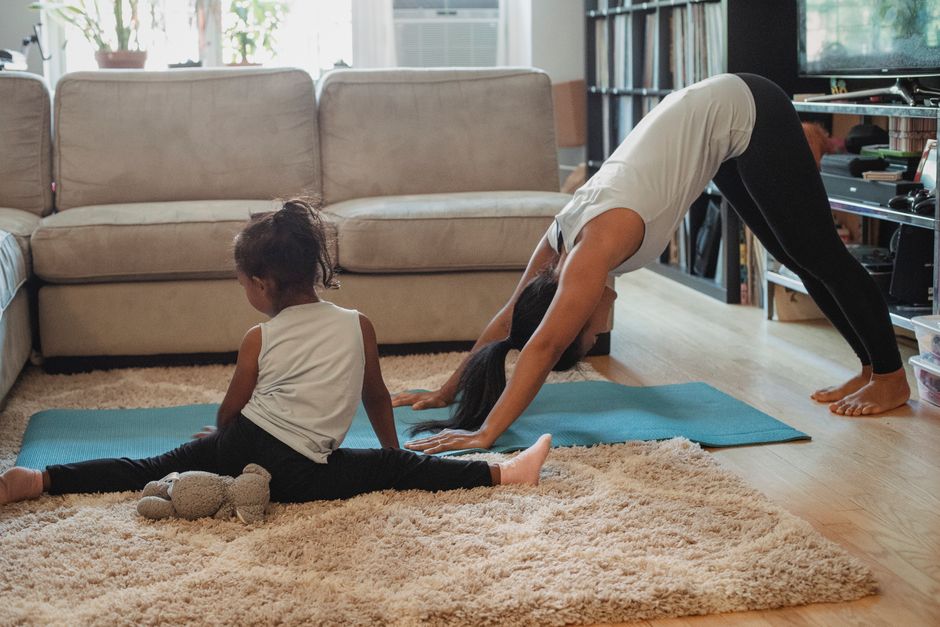
Step 2: The Pelvic Floor Release Yoga Flow (3 Minutes)
Hold each pose for 5 deep breaths, focusing purely on relaxing your jaw, hips, and pelvic floor:
- Happy Baby Pose: Lie on your back, hold the outside edges of your feet or shins, and allow your knees to fall wide toward your armpits.
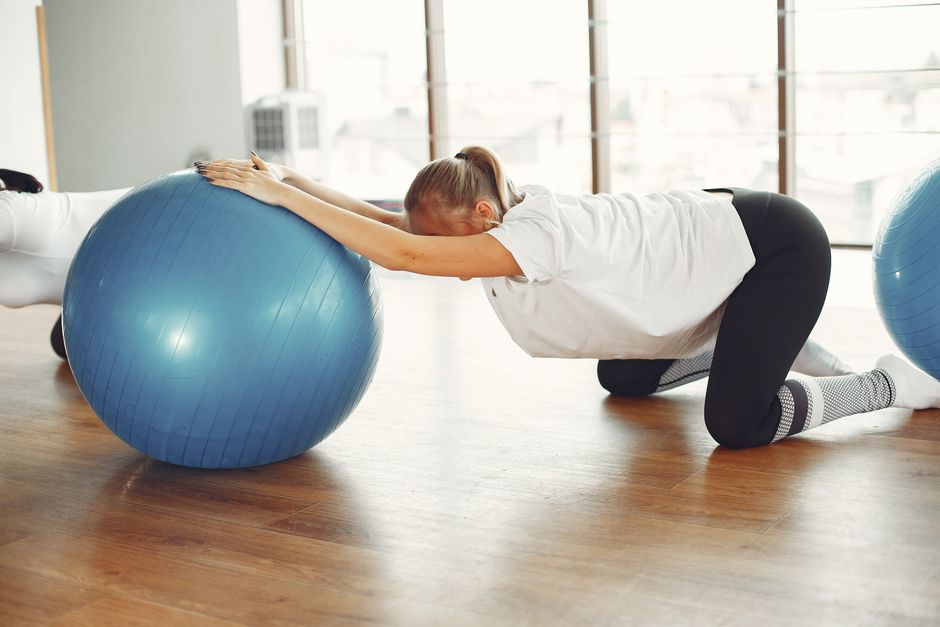
- Child’s Pose (Balasana): Knees wide on the mat, big toes touching, hips sinking back onto your heels with arms outstretched.
- Deep Supported Squat: Rest your sit bones on a yoga block or low stool, keeping your spine tall and pelvic sling relaxed.
Step 3: The “Blow Before You Go” Lift Pattern (2 Minutes)
Practice picking up your baby or a 10-pound weight:
- Begin your gentle exhale before you lift.
- As you blow out, initiate the lift through your glutes and hamstrings.
- This automatically coordinates core activation and prevents downward pressure blowouts on your bladder.
Step 4: Consult a Pelvic Floor Physical Therapist
If bladder leaks persist past 12 weeks postpartum, book an appointment with a licensed Pelvic Floor Physical Therapist. A personalized internal assessment is the fastest, most empowering investment you can make in your lifelong physical wellness.
For more guidance on postpartum body recovery and holistic healing, check our guide on postpartum depletion symptoms and recovery mistakes.
Google AdSense Placeholder
Slot ready for "in-article". Set your AdSense publisher ID in settings when approved.
Frequently Asked Questions by Moms
Is it normal to leak urine after having a baby? ▼
While postpartum urinary incontinence is extremely common (affecting over 1 in 3 women), it is NOT a normal permanent condition. It is a sign of pelvic floor dysfunction, altered intra-abdominal pressure, or nerve stretching that can be fully rehabilitated with proper physical therapy.
Why are my postpartum Kegel exercises not stopping bladder leaks? ▼
Kegels only train the contraction phase of the pelvic floor. In many postpartum women, the pelvic muscles are hypertonic (chronically tight and exhausted). Squeezing a tight muscle makes it weaker and increases bladder leaks. You must learn to lengthen and relax the pelvic floor before strengthening it.
What is the difference between stress incontinence and urge incontinence? ▼
Stress incontinence is leaking caused by physical pressure (coughing, laughing, jumping, running). Urge incontinence (overactive bladder) is a sudden, uncontrollable need to urinate followed by involuntary leaking before reaching the toilet.
When should I see a Pelvic Floor Physical Therapist (PT)? ▼
Every postpartum mother should ideally see a Pelvic Floor PT at their 6 to 8-week postpartum check. If you experience urinary leaking, pelvic heaviness, pain during intercourse, or severe core weakness past 12 weeks, an evaluation is essential.

Written by Sarah Collins
Doctor-Reviewed & Fact-CheckedMom of Two & Founder of Mommy Tips & Life
Sarah is a mother of two (Liam & Maya) sharing evidence-based parenting guides, infant sleep solutions, and baby safety alerts tested in real family life and vetted against AAP clinical standards.
Google AdSense Placeholder
Slot ready for "footer-banner". Set your AdSense publisher ID in settings when approved.