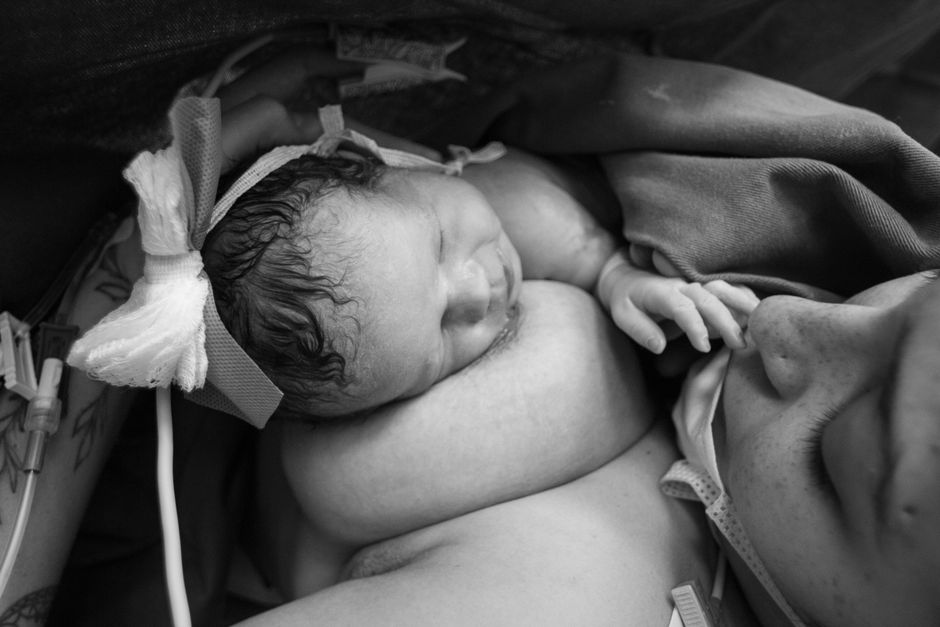
Postpartum Diastasis Recti: 5 Core Exercises to Avoid (And What to Do Instead)
Struggling with a postpartum belly bulge or doming? Discover the 5 worst core exercises that worsen diastasis recti and how to heal your ab separation safely.
Sarah Collins
Mom of Two & Founder of Mommy Tips & Life
Google AdSense Placeholder
Slot ready for "header-banner". Set your AdSense publisher ID in settings when approved.
🩺 Medical Disclaimer: This guide is for educational purposes and should not replace pediatric or obstetric medical consultation.
🛍️ Affiliate Disclosure: We may earn a small commission when you purchase through our links at no extra cost to you.
Four months after giving birth to Maya, I stood sideways in front of our full-length bathroom mirror in leggings and a sports bra. Even though I was nearly back to my pre-pregnancy weight, my lower belly protruded in a persistent, rounded dome that made people continuously ask me when I was “due again.”
Determined to “get my core back,” I dusted off my fitness app and started doing 50 crunches, 60-second front planks, and bicycle twists every morning while Maya napped. But after three weeks of grueling workouts, my lower back started throbbing with intense ache, and whenever I sat up in bed, a bizarre, rigid ridge popped up along the center of my stomach like a football seam. I sat on my yoga mat and cried, feeling completely betrayed by my own body.
The Upfront Breakthrough Summary: The traditional “ab workouts” marketed on social media do not heal a postpartum belly—they actively destroy and tear apart recovering abdominal connective tissue (the linea alba). When you do crunches with unhealed separation, intra-abdominal pressure forces your organs forward, worsening coning and doming. The turning point arrived when our pelvic floor physical therapist had me stop all crunches, switch to deep Transverse Abdominis (TVA) activation, master 360-degree diaphragmatic breathing, and implement the log-roll method when getting out of bed. Within eight weeks, the 3-finger gap closed and my back pain vanished completely.
1. The Anatomy of Diastasis Recti: Understanding the Linea Alba
During pregnancy, 100% of women experience some degree of abdominal expansion. To make room for a growing baby, your abdominal wall stretches up to 115% of its resting length.
Down the exact center of your abdomen runs a fibrous connective tissue band called the Linea Alba, which anchors the two vertical bands of your “six-pack” muscle (Rectus Abdominis):
[ Intra-Abdominal Pressure from Pregnancy ]
                     ⬇
[ Linea Alba Connective Tissue Stretches & Thins ]
                     ⬇
[ Left & Right Rectus Abdominis Muscles Separate ]
                     ⬇
- If Repaired with Transverse Abdominis (TVA) & 360° Breathing: Linea Alba Regains Tension ✅
- If Strained with Crunches & Planks: Tissue Stretches Further ➔ Permanent Doming / Hernia ❌
When intra-abdominal pressure is mismanaged postpartum, the stretched linea alba cannot generate tension. As a result, your internal organs push outward against the weakened midline seam, creating the classic “postpartum belly pooch.”
If you are also experiencing pelvic heaviness or dragging pressure, explore our comprehensive guide on postpartum pelvic organ prolapse symptoms and recovery, as well as our medical guides on clogged duct vs mastitis symptoms and treatment and postpartum recovery warning signs and red flags.
2. The 5 Core Exercises to Avoid with Diastasis Recti
If you have an unhealed abdominal separation or experience visible “doming/coning” along your midline, immediately eliminate these five exercises:
Exercise 1: Traditional Crunches and Sit-Ups
- The Harm: Crunches isolate the superficial rectus abdominis. Curling your chest toward your pelvis creates a massive spike in downward and forward pressure that forces your linea alba outward.
- The Symptom: You will see a distinct triangular tent or ridge pop up along your midline during the curl.
Exercise 2: Front Forearm Planks and Push-Ups
- The Harm: In a full horizontal plank, gravity pulls all your abdominal organs directly downward against your compromised linea alba. If your deep core is not yet strong enough to resist that load, your midline sags and widens.
- The Symptom: Lower back arching, pelvic sagging, and a soft midline bulge dropping toward the mat.
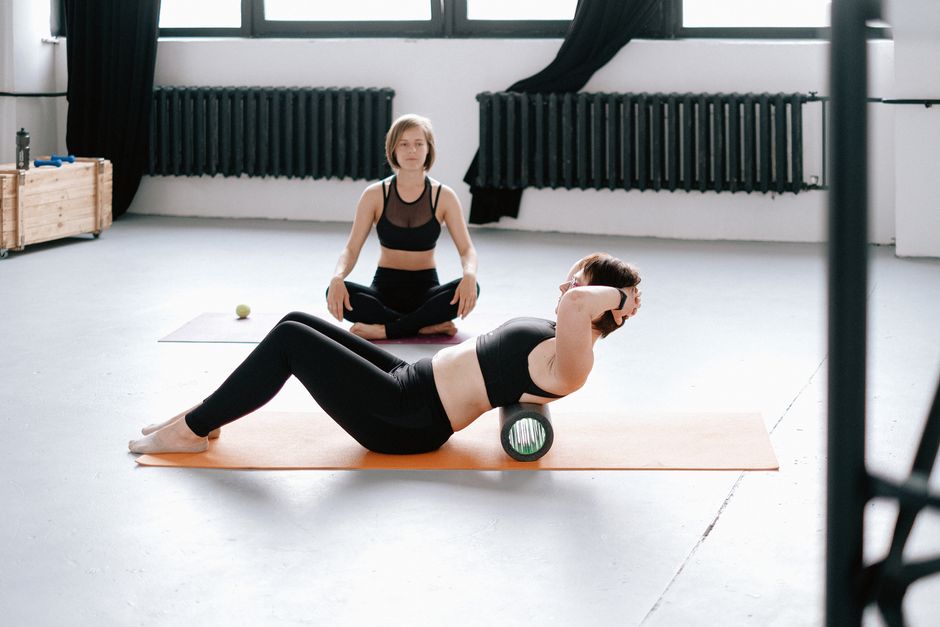
Exercise 3: Bicycle Twists and Russian Twists
- The Harm: Combining spinal flexion (crunching) with aggressive torso rotation shears the fragile collagen fibers of the healing linea alba across opposing diagonal axes.
⚠️ Warning Alert: If you see “coning” (a peaked ridge like the hull of an upside-down canoe) along your belly during any movement, stop immediately! Coning is visible proof that your intra-abdominal pressure is overpowering your connective tissue.
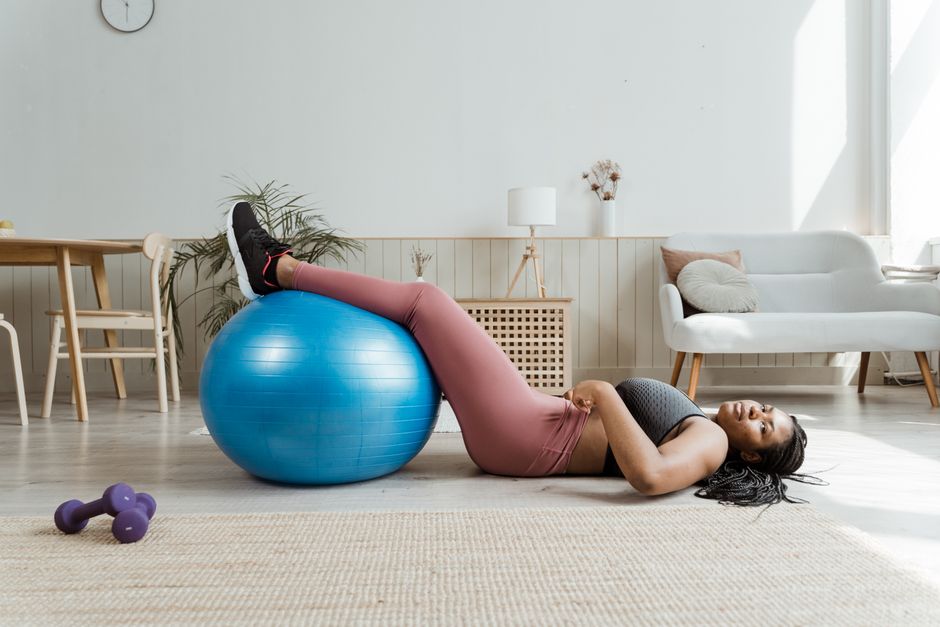
Exercise 4: Double Leg Lifts and Scissor Kicks
- The Harm: Lifting both legs simultaneously off the floor creates an enormous mechanical lever arm. Without deep TVA engagement, your pelvis tilts anteriorly and your lower back leaves the floor, dumping 100% of the strain onto your separated midline.
Exercise 5: Aggressive Backbends (Full Upward Dog or Camel Pose)
- The Harm: Overextending your spine aggressively stretches the linea alba longitudinally before it has regained cellular tensile strength, preventing the collagen fibers from knitting back together.
3. What to Do Instead: The 4-Step Deep Core Rebuilding Protocol
Healing diastasis recti is not about getting a “flat stomach” through exhaustion—it is about restoring neurological connection to your deepest stabilizing muscle: the Transverse Abdominis (TVA), your body’s internal corset.
Step 1: 360-Degree Diaphragmatic “Ribcage” Breathing
- Sit tall or lie on your back with knees bent. Place your hands on the sides of your lower ribcage.
- Inhale through your nose: Feel your ribcage expand 360 degrees outward into your hands, while your belly and pelvic floor gently relax and soften.
- Exhale through pursed lips (like blowing through a straw): Gently draw your pelvic floor upward (like picking up a blueberry) and hug your hip bones together, feeling your lower belly gently flatten inward toward your spine.
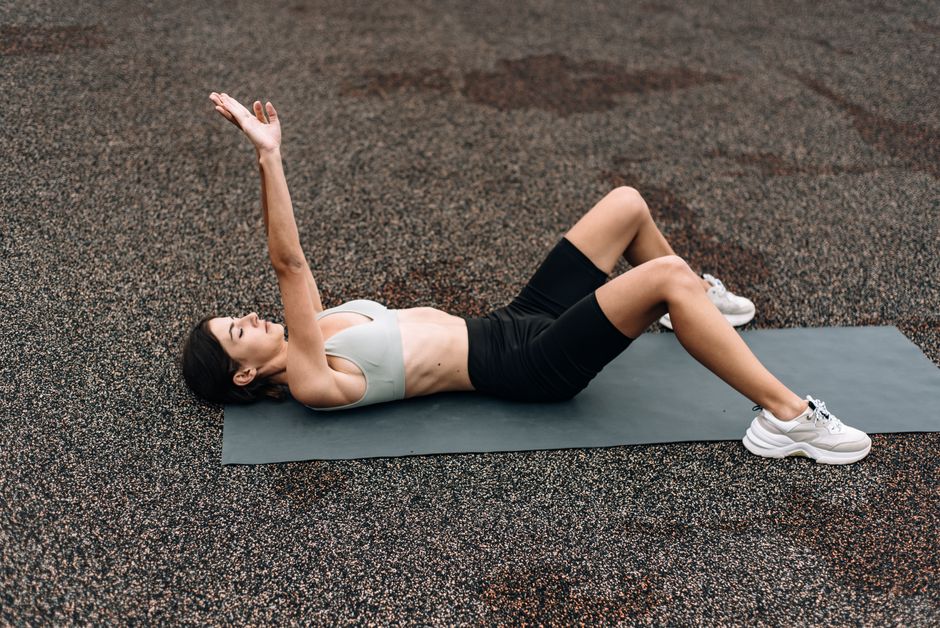
Step 2: Heel Slides with Core Hug
- Lie on your back in a neutral pelvic position. Inhale to expand the ribs.
- On your exhale, engage the deep core hug, and slowly slide your right heel along the floor away from your body without letting your lower back arch or your belly cone.
- Inhale to slide back. Alternate legs for 10 slow, controlled repetitions.
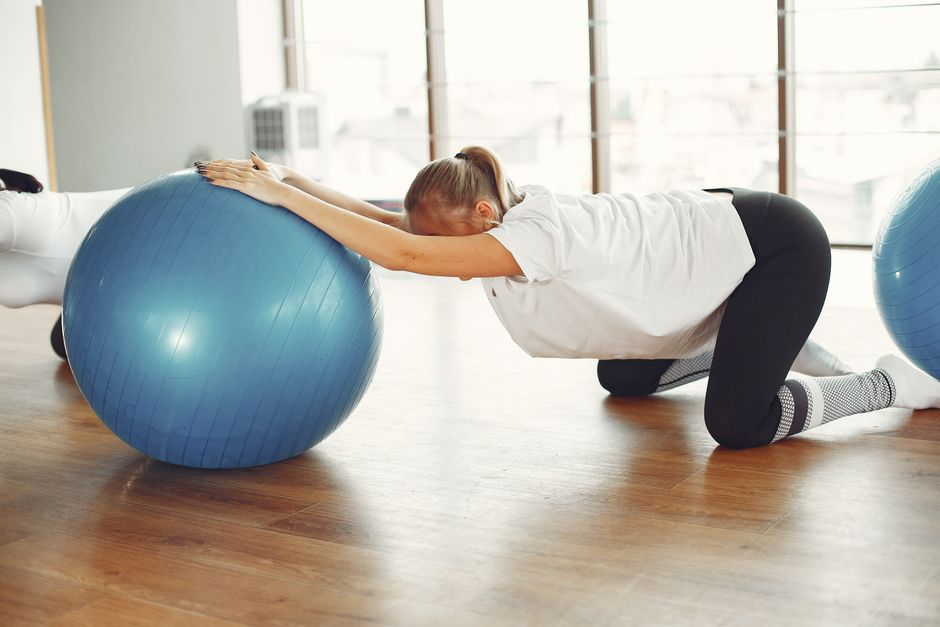
Step 3: Supported Bird-Dog (Opposite Arm & Leg Reach)
- Position yourself on hands and knees with a neutral spine.
- Exhale, gently engage your TVA corset, and slide opposite arm and opposite leg along the floor before lifting them just a few inches.
- Focus on zero torso wobble and zero belly sagging.
Step 4: The “Log Roll” Habit for Daily Life
- Never sit straight up out of bed like a vampire rising from a coffin!
- The Rule: Always roll completely onto your side first, drop your legs off the edge of the mattress, and use your top arm to push your torso upright.
4. Unsafe vs. Safe Core Movements Comparison
| Harmful Exercises to Avoid ❌ | Healing Deep-Core Alternatives ✅ |
|---|---|
| Traditional Crunches & Sit-ups | Diaphragmatic 360° Exhale Hugs |
| Full Front Planks | Wall Planks or Elevated Incline Planks |
| Bicycle & Russian Twists | Pallof Presses (Anti-Rotation Holds) |
| Double Leg Lifts | Controlled Supine Heel Slides |
| Sitting Straight Up from Bed | Side Log-Roll Technique |
5. When to Consult a Pelvic Floor Physical Therapist
Every postpartum mother deserves a comprehensive assessment from a licensed Pelvic Floor Physical Therapist (WCS/PT) around 6 to 8 weeks postpartum. Seek specialized physical therapy if you experience:
- A gap wider than 2.5 to 3 fingers with soft, sinking depth along your linea alba.
- Urinary incontinence (leaking urine when sneezing, coughing, or jumping).
- Pelvic organ prolapse symptoms (a feeling of heaviness, bulging, or a “golf ball” sensation in your vaginal canal). Review our clinical guide on postpartum blood clots vs recovery warning signs.
- Chronic, unexplained lower back or sacroiliac (SI) joint pain.
💡 Pediatric / Mom Tip: Be gentle with yourself. Your abdominal wall spent nine full months stretching to safely cradle your baby. Restoring muscular integrity and functional core strength takes patience, consistent breathwork, and time. You will get your strength back!
Google AdSense Placeholder
Slot ready for "in-article". Set your AdSense publisher ID in settings when approved.
Frequently Asked Questions by Moms
What is Diastasis Recti (ab separation) and how is it measured? ▼
Diastasis Recti Abdominis (DRA) is the widening and thinning of the linea alba—the connective tissue seam connecting the left and right rectus abdominis muscles. It is clinically assessed by palpating the midline gap with fingers (measured in finger-widths: 1 finger is normal, 2+ fingers with soft squishy tension indicates clinical diastasis recti).
Why do standard crunches and sit-ups worsen a postpartum pooch? ▼
Crunches, sit-ups, and traditional planks generate intense intra-abdominal pressure that pushes forward against an already compromised, stretched linea alba. Instead of flattening your stomach, this outwards pressure creates 'coning' or 'doming', permanently widening the ab separation and weakening pelvic floor support.
Can diastasis recti be healed months or years after giving birth? ▼
Yes! Connective tissue remodeling and neuromuscular retraining can restore tension to the linea alba at any time postpartum. Healing focuses on engaging the deep Transverse Abdominis (TVA) muscle and coordinating 360-degree diaphragmatic breathing, rather than superficial muscle flexing.

Written by Sarah Collins
Doctor-Reviewed & Fact-CheckedMom of Two & Founder of Mommy Tips & Life
Sarah is a mother of two (Liam & Maya) sharing evidence-based parenting guides, infant sleep solutions, and baby safety alerts tested in real family life and vetted against AAP clinical standards.
Google AdSense Placeholder
Slot ready for "footer-banner". Set your AdSense publisher ID in settings when approved.