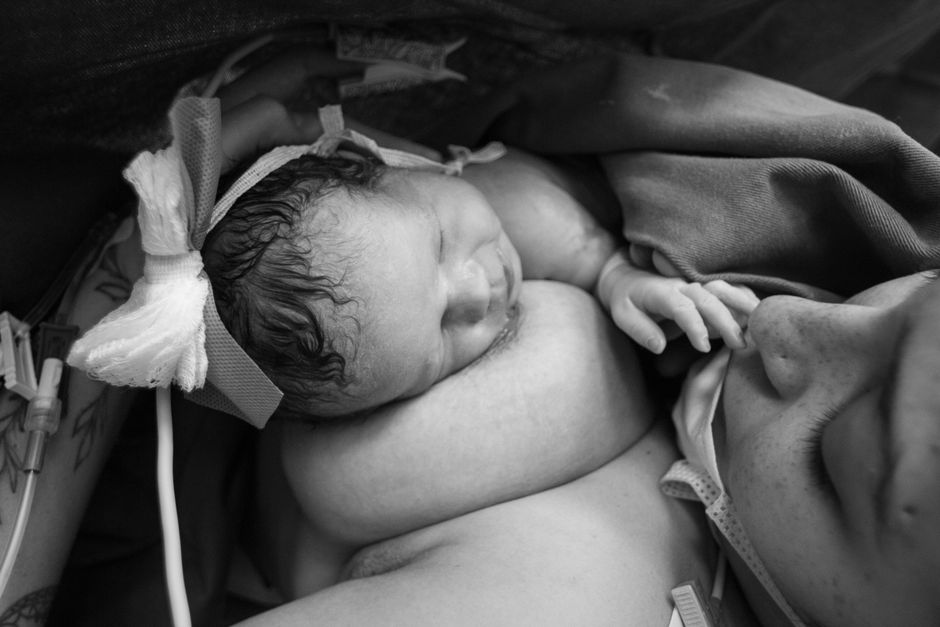
Postpartum Rage: 5 Hidden Symptoms, Triggers, and How to Heal Without Mom Guilt
Feeling sudden, overwhelming anger and irritability after having a baby? Learn what causes postpartum rage, how it differs from postpartum depression, and gentle steps to recover.
Sarah Collins
Mom of Two & Founder of Mommy Tips & Life

Google AdSense Placeholder
Slot ready for "header-banner". Set your AdSense publisher ID in settings when approved.
🩺 Medical Disclaimer: This guide is for educational purposes and should not replace pediatric or obstetric medical consultation.
🛍️ Affiliate Disclosure: We may earn a small commission when you purchase through our links at no extra cost to you.
It was 2:30 in the afternoon, six weeks after bringing my daughter Maya home. I had slept a total of three fragmented hours the night before, had not eaten a warm meal in three days, and Maya had been screaming non-stop for two hours straight. As I fumbled with a formula canister, the lid slipped and white powder scattered across the kitchen floor.
In that exact split second, a blinding, volcanic wave of fury rushed through my veins. I slammed both hands down on the counter and let out a guttural scream that shook my entire chest. Seconds later, staring at my trembling hands and Maya crying in her bouncy seat, a wave of sickening mom-guilt washed over me. I collapsed onto the kitchen tiles in tears, thinking: What is wrong with me? Am I a monster? Why am I so angry?
The Upfront Breakthrough Summary: You are not a bad mother, you are not broken, and you are not alone. Postpartum rage is a recognized, clinically documented symptom of Perinatal Mood and Anxiety Disorders (PMADs). It is your sympathetic nervous system’s fight-or-flight alarm getting stuck in “fight” mode due to severe sleep deprivation, precipitous drops in estrogen and progesterone, chronic sensory overload, and unmet basic human needs. By understanding your physiological triggers, practicing the “Safe Crib Step-Away” protocol, auditing sensory inputs, and seeking perinatal support, you can regulate your nervous system and regain your emotional peace.
1. The Neuroscience of Postpartum Rage: Why It Happens
Society teaches mothers to expect sadness or “baby blues,” but no one prepares them for the explosive irritability that can take over in the fourth trimester.
To understand postpartum rage, consider the physiological tsunami occurring inside your body:
- The Massive Hormonal Cliff: Within 48 hours of delivery, circulating levels of estrogen and progesterone drop by over 90%—the most rapid hormonal plunge in human biology.
- Chronic Amygdala Hijack: Sleep deprivation impairs the prefrontal cortex (the brain’s executive control center) while placing the amygdala (the brain’s threat-detection center) on constant high alert.
- Sensory Overload (“Touched Out”): Constant crying, breastfeeding, pumping, rocking, and skin-to-skin contact overload the sensory processing system, making any sudden noise or inconvenience feel like an acute physical attack.
[ Hormonal Cliff + Severe Sleep Deprivation + Constant Sensory Demand ]
                                   ⬇
[ Prefrontal Cortex Exhaustion & Amygdala Hyperactivation ]
                                   ⬇
[ Sympathetic Fight-or-Flight System Triggers "Fight Mode" ]
                                   ⬇
- If Bottled in Guilt & Shame: Isolation, Escalating Burnout & PMAD Severity ❌
- If Acknowledged & Regulated: Nervous System Reset, Boundaries & Full Healing ✅
For more guidance on postpartum physical and emotional warning signs, read our guides on postpartum anxiety vs baby blues and postpartum recovery warning signs and red flags.

2. The 5 Hidden Signs & Symptoms of Postpartum Rage
Postpartum rage is more than just feeling a little impatient. It manifests in distinct physical and emotional symptoms:
Symptom #1: Sudden, Explosive “Zero to 100” Outbursts
You go from feeling relatively calm to completely consumed by fury in a fraction of a second over minor triggers—like a spilled cup of coffee, a dog barking, or your partner asking what’s for dinner.
Symptom #2: Physical Tension and Somatic Surges
During an episode, you feel a visceral physical surge: racing heart rate, clenched jaw, heat rushing to the neck and face, clenched fists, and a physical urge to slam doors or hit soft surfaces.
Symptom #3: Intense Resentment Toward Your Partner
A common manifestation is severe, burning resentment directed at your partner. Seeing them sleep uninterrupted, take a 20-minute shower, or leave the house for work can trigger deep anger over the uneven division of invisible maternal labor.
Symptom #4: Extreme Sensory Irritation (“Don’t Touch Me”)
The sound of infant crying feels physically painful inside your ears, or the feeling of someone brushing against your shoulder makes your skin crawl. You feel profoundly “touched out.”
Symptom #5: The Crushing Aftermath of Guilt and Shame
Immediately after the anger passes, you are overwhelmed by debilitating remorse, weeping, and fear that you are failing your baby or losing your sanity.
💡 Pediatric / Mom Tip: Postpartum rage is not a personal character flaw. It is a biological distress flare signaling that your maternal battery is completely depleted and your nervous system needs immediate support.

3. Comparison: Baby Blues vs. Postpartum Rage & PMADs
| Feature | Standard Baby Blues | Postpartum Rage / PMADs |
|---|---|---|
| Primary Emotion | Weepiness, mild mood swings, nostalgia | Intense anger, fury, irritability, agitation |
| Onset Timing | Days 3 to 14 postpartum | Any time within the first 12 months |
| Duration | Resolves naturally within 2 weeks | Persists or escalates without intervention |
| Physical Symptoms | Mild fatigue, tearfulness | Racing pulse, clenched jaw, shaking, heat surges |
| Impact on Function | Able to care for self and baby with support | Overwhelmed, feeling disconnected or unsafe |
| Recommended Care | Rest, nutrition, family support | Perinatal therapy, medical consult, boundary reset |
4. The 4-Step Emergency Protocol When Rage Strikes
When you feel that familiar heat rising up your spine, execute this somatic de-escalation plan immediately:
Step 1: The Safe Crib Protocol
If your baby is crying and you feel yourself losing control:
- Place your baby safely on their back in an empty crib or bassinet.
- Close the nursery door.
- Walk into another room or the bathroom.
- Remember: A crying baby in a safe crib is 100% safe. Taking 3 minutes to cool down prevents dangerous emotional reactions.
Step 2: The Cold Water Shock (Vagus Nerve Reset)
Turn on the faucet, cup icy cold water in your hands, and splash it directly onto your face and eyes. This activates the mammalian dive reflex, instantly dropping your heart rate and forcing your nervous system out of fight-or-flight mode.
Step 3: Somatic Pressure Release
Clench both fists as hard as you can for 5 seconds, then deliberately shake them out. Exhale with a long, audible sigh or deep growl into a pillow to discharge excess adrenaline safely.
Step 4: Re-regulate with the 4-7-8 Breath
Inhale through your nose for 4 seconds, hold your breath for 7 seconds, and exhale slowly through pursed lips for 8 seconds. Repeat 4 times to send an undeniable biological signal of safety to your brain.
⚠️ Warning Alert: If you experience intrusive thoughts of actively harming your baby or yourself, or if you feel disconnected from reality, contact the National Maternal Mental Health Hotline (1-833-943-5746 / 1-833-9-HELP4MOMS) or dial 988 immediately. Help is confidential, free, and available 24/7.

5. Long-Term Healing: Restoring Your Maternal Nervous System
Healing from postpartum rage requires addressing the physical and systemic root causes:
- Protect 4 Hours of Consecutive Sleep: Fragmented sleep prevents restorative REM cycles. Coordinate with your partner, family member, or night doula to protect one unbroken 4-to-5-hour sleep block every 24 hours.
- Audit Sensory Triggers: Wear high-fidelity noise-dampening earplugs (like Loop Engage) during fussy witching hours. They reduce decibel intensity while allowing you to hear your baby safely.
- Check Thyroid and Blood Chemistry: Postpartum thyroiditis, severe ferritin (iron) deficiency, and vitamin D depletion frequently mimic or exacerbate rage and anxiety. (Review our guide on postpartum night sweats and hormone recovery).
- Speak to a Perinatal Therapist: Therapy specializing in postpartum adjustments (CBT and somatic experiencing) or safe SSRI medication can restore chemical balance and give you your joy back.
You gave life to your baby, and your body and mind deserve the same gentleness, compassion, and care that you pour into your little one every day.
Google AdSense Placeholder
Slot ready for "in-article". Set your AdSense publisher ID in settings when approved.
Frequently Asked Questions by Moms
What is postpartum rage and is it normal? ▼
Postpartum rage is a sudden, intense surge of uncontrollable anger, irritability, or explosive frustration experienced by mothers in the months following childbirth. While it is rarely talked about due to stigma, it is an extremely common manifestation of postpartum mood and anxiety disorders (PMADs) driven by severe sleep deprivation, hormonal plunges, and maternal nervous system overload.
How does postpartum rage differ from standard postpartum depression? ▼
While classic postpartum depression is characterized by sadness, numbness, crying spells, and low energy, postpartum rage presents as externalized anger, screaming, clenching fists, agitation, and extreme sensitivity to overstimulation. However, both often stem from the same underlying neurochemical and physical imbalances.
When should I seek professional medical help for postpartum anger? ▼
You should reach out to your OB/GYN, midwife, or a perinatal mental health therapist immediately if the anger feels uncontrollable, lasts longer than two weeks, disrupts your daily functioning, or brings intrusive thoughts of harming yourself or others.

Written by Sarah Collins
Doctor-Reviewed & Fact-CheckedMom of Two & Founder of Mommy Tips & Life
Sarah is a mother of two (Liam & Maya) sharing evidence-based parenting guides, infant sleep solutions, and baby safety alerts tested in real family life and vetted against AAP clinical standards.
Google AdSense Placeholder
Slot ready for "footer-banner". Set your AdSense publisher ID in settings when approved.