Postpartum Night Sweats and Chills: 5 Signs It's Normal Hormones vs. an Infection Red Flag
Waking up drenched in cold sweat after giving birth? Discover why postpartum night sweats happen, how long they last, and subtle infection warning signs not to ignore.
Sarah Collins
Mom of Two & Founder of Mommy Tips & Life
Google AdSense Placeholder
Slot ready for "header-banner". Set your AdSense publisher ID in settings when approved.
🩺 Medical Disclaimer: This guide is for educational purposes and should not replace pediatric or obstetric medical consultation.
🛍️ Affiliate Disclosure: We may earn a small commission when you purchase through our links at no extra cost to you.
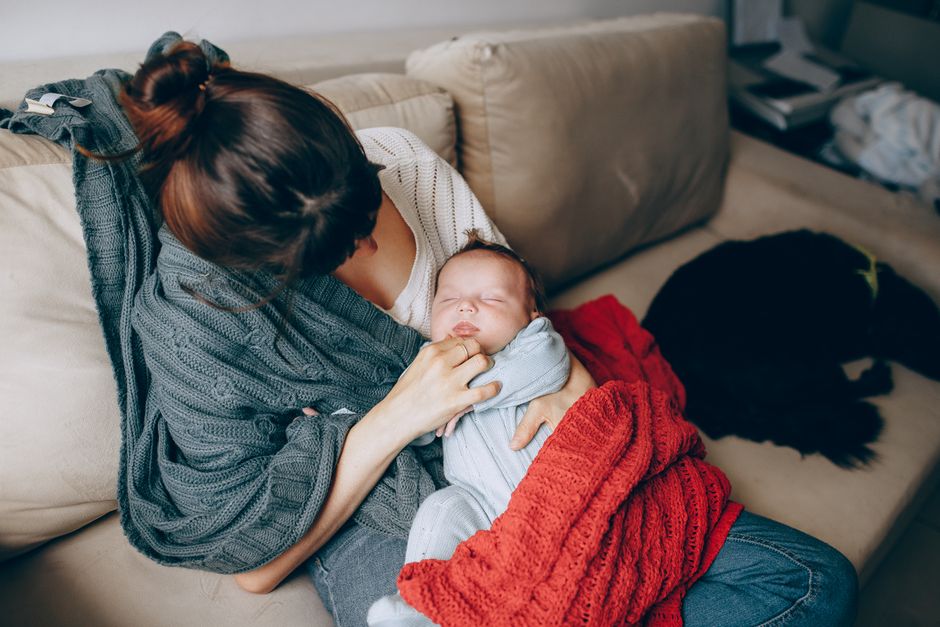
It was 3:15 AM on my fourth night home from the hospital after giving birth to my son Lucas. I woke up gasping for air, shivering uncontrollably, with my nursing tank top, hair, and bedsheets soaked completely through as if someone had dumped a bucket of ice water over my mattress. My teeth were chattering so violently that I could barely hold the digital thermometer under my tongue. As I stood in our pitch-black bathroom changing into dry clothes for the third time that night, a wave of cold terror washed over me: Do I have a raging uterine infection? Is this sepsis? Am I dying and leaving my four-day-old baby motherless?
My husband rushed to grab fresh towels and layered them over the damp mattress so I could collapse back down. I felt utterly broken, frail, and exhausted. Nobody in my prenatal classes, birthing books, or hospital discharge paperwork had warned me that my body would turn into a human sauna every time I closed my eyes. The sheer volume of sweat felt unnatural, alarming, and deeply uncomfortable.
What finally gave me clarity and peace of mind was speaking with my obstetrician and learning the biological mechanics of postpartum diaphoresis. Once I learned how to distinguish normal endocrine fluid-shedding from dangerous bacterial infections, set up an easy “dry-bed” recovery system, and cross-referenced the critical postpartum recovery red flags and warning signs, I was able to navigate the fourth trimester with confidence rather than paralyzing medical anxiety.
1. Mistaking Normal Hormonal Diaphoresis for an Undiagnosed Fever
During pregnancy, your body increases its total blood and fluid volume by approximately 40% to 50% to nourish the placenta and support fetal circulation.
The moment your baby and placenta are delivered, estrogen and progesterone levels experience the steepest cliff-dive in human biology. This sudden hormonal withdrawal sends a direct chemical signal to the hypothalamus (the brain’s internal thermostat) to eliminate gallons of retained interstitial fluid.
Placenta Delivery ➡️ Massive Estrogen Drop ➡️ Hypothalamic Reset ➡️ Postpartum Diaphoresis (Sweating) & Diuresis (Urination)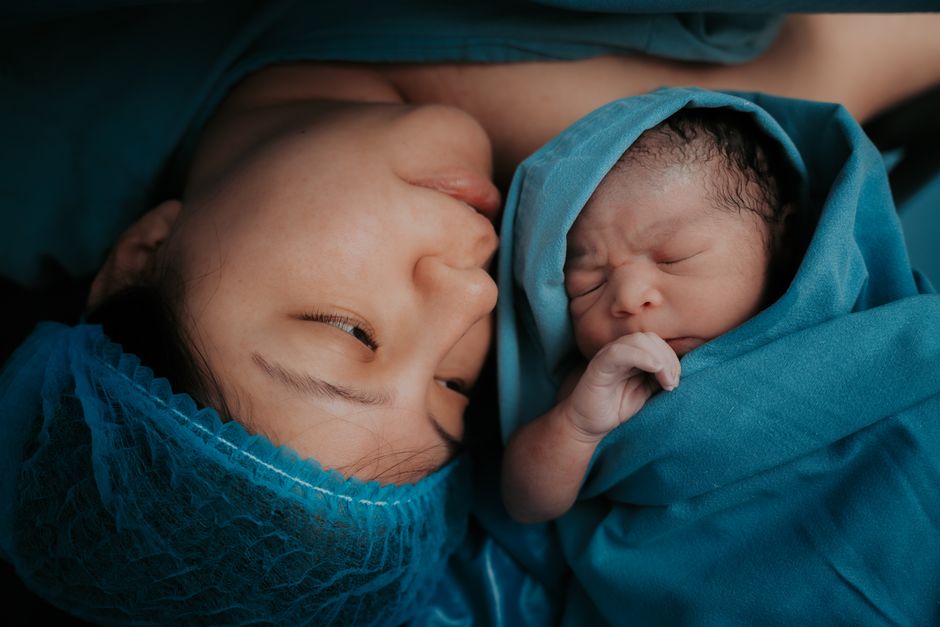
Why Night Sweats Peak in Weeks 1 to 2:
- Diaphoresis (Sweating): Your pores open during deep REM sleep, releasing up to several liters of fluid per night.
- Diuresis (Frequent Urination): Your kidneys work overtime, requiring frequent bathroom trips.
- The Breastfeeding Spike: Every time you nurse, prolactin spikes while estrogen stays low, intensifying night sweats.
💡 Pediatric / Mom Tip: Night sweats alone—without a fever above 100.4°F (38°C), body aches, or localized pain—are a normal, healthy biological sign that your vascular system is returning to its pre-pregnancy state.
2. Ignoring the Red Flag: The 100.4°F Fever and Shivering Chills
While hormonal night sweats cause profuse dampness, they should never produce a genuine clinical fever.
One of the most dangerous mistakes postpartum mothers make is assuming teeth-chattering chills, body aches, and high temperatures are “just the baby blues” or normal exhaustion.
The 4 Major Postpartum Infections That Trigger Night Sweats & Chills:
- Endometritis (Uterine Infection): Infection of the placental attachment site. Look for foul-smelling vaginal discharge (lochia), severe lower abdominal tenderness, and fever.
- Mastitis (Breast Tissue Infection): Infection resulting from a clogged milk duct or cracked nipple. If you notice a hard, wedge-shaped red patch on your breast accompanied by flu-like chills, read our clinical guide on clogged duct vs. mastitis symptoms and treatment.
- Incisional Infection (C-Section or Perineal Tear): Increasing redness, heat, purulent drainage, or opening along the surgical line.
- Postpartum UTI / Pyelonephritis: Burning during urination, flank back pain, and high fever from bladder catheterization during labor.
⚠️ Warning Alert: If your oral temperature reaches 100.4°F (38°C) or higher at any point during postpartum recovery, contact your OB-GYN, midwife, or triage line immediately. Do not “wait until morning.”
3. Confusing Hormonal Temperature Swings with Postpartum Preeclampsia
Many women assume that preeclampsia is exclusively a pregnancy complication that ends once the baby is born. In reality, late-onset postpartum preeclampsia can develop up to 6 weeks after delivery.
When blood pressure spikes dangerously, women frequently report sudden hot flashes, facial flushing, severe sweating, and throbbing headaches that do not respond to acetaminophen.

Preeclampsia Warning Signs to Watch For:
- Severe, Throbbing Headache: Pain behind the eyes or temple that does not fade with medication.
- Visual Disturbances: Seeing flashing lights, floaters, or blurry vision.
- Sudden Facial / Hand Edema: Waking up with swollen eyelids, lips, or hands that cannot close.
- Right Upper Quadrant Pain: Severe stabbing pain under the right rib cage (liver swelling).
If you experience any combination of these symptoms alongside night sweats, review our clinical breakdown on postpartum preeclampsia warning signs and emergency protocols.
4. Dehydrating Yourself to “Stop the Sweating”
When new moms wake up drenched in sweat, a common misconception is to restrict fluid intake in the evening to “dry up the excess moisture.”
This is a dangerous trap. Restricting fluids during the fourth trimester causes severe maternal dehydration, leading to:
- Crashing Milk Supply: Breast milk is 87% water; dehydration drastically reduces volume.
- Severe Postpartum Constipation: Hard, painful stools that strain healing pelvic floor tears or hemorrhoids.
- Increased Risk of Blood Clots (DVT): Postpartum mothers are naturally in a hypercoagulable state. Dehydration thickens blood viscosity, increasing thrombosis risk. For warning signs, see our guide on postpartum blood clots vs. normal bleeding.
Fluid Restriction ➡️ Dehydration & High Blood Viscosity ➡️ Constipation, Low Milk & DVT Risk5. Suffering in Discomfort: The “Dry-Bed” Survival Setup
Waking up multiple times a night to strip a fitted sheet while holding a crying newborn is recipe for total postpartum sleep deprivation and emotional breakdown.
Instead of fighting the sheets, set up a “Towel Layering” strategy:
- Layer 2–3 Cotton Bath Towels: Place flat, soft bath sheets across your side of the bed. When you wake up sweaty at 2 AM, simply toss the top damp towel into the hamper and lie down on the fresh, dry towel underneath.
- 100% Breathable Bamboo/Cotton Sleepwear: Avoid synthetic polyesters, fleece, or satin pajamas. Wear light, moisture-wicking organic cotton nursing tanks.
- Keep a 40 oz Insulated Straw Cup at Bedside: Drink room-temperature water with electrolyte drops during every nighttime feeding session.
- Monitor Mental Health: Sleep disruption from severe night sweats can exacerbate emotional vulnerability. Understand the crucial differences in our guide on postpartum anxiety vs. the normal baby blues.
Summary: Normal Night Sweats vs. Red Flag Infections
| Normal Hormonal Sweats ✅ | Infection / Medical Red Flag ❌ |
|---|---|
| Normal body temperature (under 100.4°F / 38°C). | Fever of 100.4°F or higher with severe shivering and body aches. |
| Gradual improvement between weeks 2 and 6. | Worsening symptoms after week 2 with localized pain or swelling. |
| Normal lochia (bleeding) with mild, earthy odor. | Foul-smelling lochia, large golf-ball clots, or severe pelvic cramping. |
| Sweating without focal pain in breasts or incisions. | Hard red wedges on breasts (mastitis) or weeping incisions. |
| Resolved by light cotton layers and hydration. | Throbbing headaches, visual spots, or sudden facial swelling. |
The Takeaway: Give Your Body Grace to Heal
The fourth trimester is a massive biological transformation. Your body grew an entire human being, built a temporary organ, and is now recalibrating every hormone, organ, and fluid balance in your system.
Night sweats are uncomfortable, messy, and inconvenient—but they are also tangible proof that your miraculous body is doing the hard work of restoring itself. Stay hydrated, keep your dry-towel stack ready, listen to your instincts, and never hesitate to call your healthcare provider whenever something feels off.
Google AdSense Placeholder
Slot ready for "in-article". Set your AdSense publisher ID in settings when approved.
Frequently Asked Questions by Moms
How long do postpartum night sweats typically last? ▼
Postpartum night sweats usually peak during the first two weeks after birth and gradually subside by week 4 to 6. They occur as the body sheds excess pregnancy fluid through diaphoresis following the abrupt drop in estrogen and progesterone.
When are postpartum chills and sweating considered an emergency? ▼
Sweating accompanied by a fever of 100.4°F (38°C) or higher, localized breast pain with red streaking, foul-smelling lochia, severe pelvic cramping, or shivering teeth-chattering chills is a medical emergency indicating a systemic infection.
Why do night sweats get worse while breastfeeding? ▼
During nursing or pumping sessions, the brain releases oxytocin to trigger the milk let-down reflex. This surge suppresses estrogen levels even further, causing temporary hot flashes and intense sweating episodes.

Written by Sarah Collins
Doctor-Reviewed & Fact-CheckedMom of Two & Founder of Mommy Tips & Life
Sarah is a mother of two (Liam & Maya) sharing evidence-based parenting guides, infant sleep solutions, and baby safety alerts tested in real family life and vetted against AAP clinical standards.
Google AdSense Placeholder
Slot ready for "footer-banner". Set your AdSense publisher ID in settings when approved.