6 Mistakes Parents Make When Introducing Allergens to Babies (And the Safe AAP Schedule)
Terrified of giving your baby peanuts or eggs? Discover the critical allergen introduction mistakes to avoid, safe preparation methods, and AAP guidelines.
Sarah Collins
Mom of Two & Founder of Mommy Tips & Life
Google AdSense Placeholder
Slot ready for "header-banner". Set your AdSense publisher ID in settings when approved.
🩺 Medical Disclaimer: This guide is for educational purposes and should not replace pediatric or obstetric medical consultation.
🛍️ Affiliate Disclosure: We may earn a small commission when you purchase through our links at no extra cost to you.
When my daughter started solids at six months, the mere thought of handing her peanut butter made my chest tighten. I sat at our kitchen table with my phone dialed to 911 on the lock screen, paralyzed by fear that a single microscopic taste would send her into anaphylactic shock. Like millions of first-time parents, I had absorbed decades of outdated advice telling mothers to hold off on high-risk foods until age two or three.
I delayed offering peanut butter, tree nuts, eggs, and sesame for weeks, convinced I was protecting her delicate gut. It wasn’t until our pediatrician gently intervened that I realized my well-intentioned hesitation was actually doing the exact opposite. Modern immunology has completely overturned the old rulebook on infant feeding.
The Quick Breakthrough Summary: Protecting your baby from life-threatening food allergies does not mean avoiding them—it means intentional, early, and continuous exposure. Landmark clinical research (including the groundbreaking LEAP and EAT studies) proves that introducing major allergens starting around 4 to 6 months reduces the risk of developing severe food allergies by up to 86%. By following a calm 3-step system—introducing one single allergen at breakfast, watching for a 2-hour window, and maintaining 1–2 weekly exposures—you can build lifelong oral immune tolerance without the overwhelming anxiety.
The New Science of Oral Tolerance (Why the Old Advice Was Dangerous)
For nearly two decades, parents were advised to delay introducing eggs until age one, cow’s milk until age one, and peanuts and seafood until age three. What happened during that period? Food allergy rates skyrocketed across the United States.
Pediatric allergists discovered that the infant immune system has a unique, time-sensitive “critical window” between 4 and 11 months. During this developmental phase, the gut-associated lymphoid tissue (GALT) is primed to accept food proteins as harmless nutrients rather than foreign invaders.
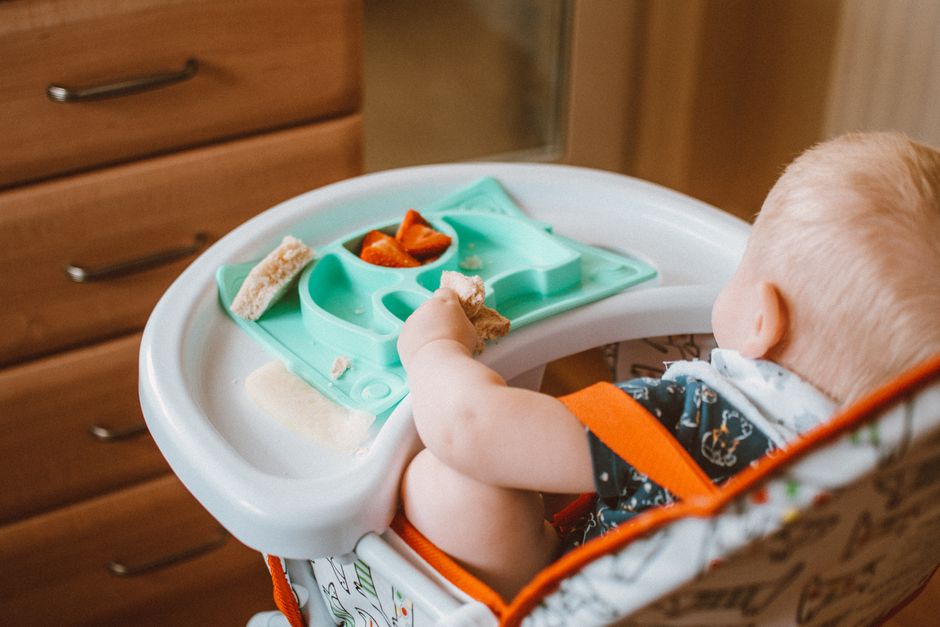
When you delay oral introduction, a baby’s immune system is far more likely to encounter environmental food proteins (such as peanut dust in household air) through broken skin barriers—especially if your baby suffers from eczema or dry skin. This skin exposure sensitizes the immune system, programming it to create IgE antibodies that trigger severe allergic reactions later in life.
1. Waiting Too Long Out of Fear (The Delay Trap)
The single most common mistake parents make is waiting until 9, 12, or 18 months to introduce high-allergen foods. If your baby has mild-to-moderate eczema or existing sensitivities—such as cow’s milk protein allergy symptoms—early introduction is even more critical, not less.
       ┌────────────────────────────────────────────────────────┐
       │      THE DUAL-ALLERGEN EXPOSURE HYPOTHESIS             │
       ├──────────────────────────┬─────────────────────────────┤
       │ Oral Gut Exposure First  │ Skin/Barrier Exposure First │
       │ (Ages 4-11 Months)       │ (Delayed Oral Introduction) │
       ├──────────────────────────┼─────────────────────────────┤
       │ Immune system identifies │ Environmental protein leaks │
       │ protein as safe food.    │ through broken skin.        │
       │                          │                             │
       │ ➔ ORAL TOLERANCE BUILT   │ ➔ IgE SENSITIZATION OCCURS  │
       └──────────────────────────┴─────────────────────────────┘
💡 Pediatric / Mom Tip: If your baby has severe eczema, an existing egg allergy, or a family history of anaphylaxis, consult your pediatric allergist before the 6-month mark. They may recommend an in-office supervised challenge or specific IgE blood testing to guide early home introduction safely.
2. Introducing Multiple New Allergens in the Same Meal
When enthusiasm replaces caution, parents sometimes blend peanut powder, almond flour, and scrambled eggs into a single baby oatmeal bowl. While convenient, this eliminates your ability to pinpoint the culprit if an adverse reaction occurs.
The “Single-Ingredient” Rule
Always introduce the “Big 9” allergens—peanuts, eggs, milk, tree nuts, wheat, soy, fish, shellfish, and sesame—one at a time in pure, unmixed forms.
The 3-Day Window Rule:
- Day 1: Offer a tiny micro-taste (1/8 teaspoon of thinned peanut butter or pureed egg yolk) mixed into a known, safe base puree (like sweet potato or oatmeal).
- Day 2: If no reaction occurs, offer an increased serving (1/4 to 1/2 teaspoon) at the same morning meal.
- Day 3: Offer a full developmental serving (1 to 2 teaspoons).
- Days 4–5: Pause on new allergens while observing baseline digestion before introducing the next major category.
If you are navigating baby-led weaning alongside allergen introduction, be sure to review our guide on baby-led weaning mistakes and gagging vs choking to ensure food textures are prepared safely.
3. Rubbing Allergen Pastes on Baby’s Skin First (The Atopic Myth)
Many parenting forums still suggest “testing” peanut butter or egg on a baby’s cheek, wrist, or lip before letting them swallow it. Pediatric allergists strongly advise against this.

Why the Skin Rub Test Fails:
- False Alarms: Highly acidic foods (like tomato or citrus) or thick nut butters naturally irritate sensitive infant facial skin, causing benign localized redness that looks like an allergy.
- Sensitization Risk: Rubbing concentrated proteins onto broken or inflamed skin encourages the body to produce IgE antibodies, increasing the odds of developing a true systemic allergy.
- Diagnostic Inaccuracy: Oral tolerance happens in the digestive tract, not through the epidermal layers.
⚠️ Warning Alert: Never apply food allergens topically to test tolerance. If your baby’s skin comes into contact with food during mealtime and develops localized red contact irritation, gently wash the area with warm water and consult your pediatrician rather than panicking.
4. The “One-and-Done” Trap: Forgetting Regular Maintenance
You gave your 6-month-old scrambled eggs on Tuesday, breathed a huge sigh of relief when nothing happened, and then forgot about eggs for the next three months. This is known in clinical medicine as the tolerance drop-off.
Oral immune tolerance is not a permanent binary switch flipped by a single exposure; it is an active training process for the developing immune system.
       ┌────────────────────────────────────────────────────────┐
       │         THE MAINTENANCE EXPOSURE PROTOCOL             │
       ├────────────────────────────────────────────────────────┤
       │ 1. Phase 1 (Intro): 1-3 tiny tastes over 3 days.        │
       │ 2. Phase 2 (Confirmation): 1 full portion tolerated.   │
       │ 3. Phase 3 (Maintenance): 2g protein 2-3x per week.    │
       │ ➔ Continues through toddlerhood for lasting immunity. │
       └────────────────────────────────────────────────────────┘
Once an allergen is tolerated, keep it in your weekly meal rotation. Aim to serve approximately 2 grams of allergen protein (equivalent to roughly 2 teaspoons of peanut butter, half a cooked egg, or 2 tablespoons of yogurt) 1 to 2 times each week.
5. Serving New Allergens at Dinner or Before Bedtime
Timing is everything when introducing potential immune triggers. Giving a 7-month-old a brand-new food at 6:30 PM before putting them down to sleep in their crib is a serious safety hazard.
The Morning Feeding Rule
Always serve new allergenic foods in the morning (between 8:00 AM and 10:00 AM) or during the first solid meal of the day.
       ┌────────────────────────────────────────────────────────┐
       │             TIMING YOUR ALLERGEN TRIALS                │
       ├──────────────────────────┬─────────────────────────────┤
       │ Morning Introduction ☀️   │ Evening Introduction 🌙     │
       ├──────────────────────────┼─────────────────────────────┤
       │ Baby is alert & awake.   │ Baby is swaddled in dark.   │
       │ 2-3 hour direct visual   │ Symptoms may occur during   │
       │ monitoring window.       │ sleep unobserved.           │
       │                          │                             │
       │ Quick access to clinics. │ Nighttime ER visits.        │
       └──────────────────────────┴─────────────────────────────┘
Immediate IgE reactions almost always manifest within 15 minutes to 2 hours of ingestion. When your baby is playing on the living room floor after breakfast, you will instantly notice if hives or swelling appear. If you notice severe discomfort or spitting up after feedings, review our breakdown on baby silent reflux hidden signs to distinguish digestive acid from an allergic reaction.
6. Serving Thick Nut Butters or Whole Nuts (Choking Hazards)
Whole peanuts, tree nuts, and thick globs of sticky peanut butter straight from the jar are among the leading causes of fatal pediatric choking.

Safe Allergen Preparation by Age
For Peanuts & Tree Nuts:
- Never: Give whole nuts, chopped nut pieces, or thick spoonfuls of sticky peanut butter.
- Safe Method 1 (Thinned Puree): Whisk 1 teaspoon of creamy, unsalted peanut butter with 2–3 teaspoons of warm breastmilk, formula, or pureed fruit until smooth and runny.
- Safe Method 2 (Powder Mix): Stir 100% pure organic peanut powder (no added sugar or salt) into oatmeal, applesauce, or yogurt.
- Safe Method 3 (Bamba Puffs): Soft peanut butter corn puffs (like Bamba) dissolved in warm water into a soft paste for younger infants, or given as finger food if they have mastered chewing.
For Whole Eggs:
- Never: Give raw or undercooked runny eggs.
- Safe Method: Fully scramble a whole egg (yolk and white combined) in a non-stick skillet without butter or salt, then mash finely or blend into a smooth puree with breastmilk.
For Dairy / Cow’s Milk:
- Note: Whole cow’s milk as a beverage should wait until 12 months, but full-fat plain whole milk Greek yogurt and pasteurized cheeses are excellent introductory solid foods starting at 6 months.
Summary Comparison Table: Allergen Introduction
| Action / Habit | Dangerous / Outdated Approach ❌ | Doctor-Approved Safe Protocol ✅ |
|---|---|---|
| Introduction Age | Waiting until age 1, 2, or 3 out of fear | Introduce early between 4–7 months when solids begin |
| Allergen Testing | Rubbing paste on baby’s skin or inner arm | Oral ingestion in micro-portions mixed with safe puree |
| Time of Day | Dinner time right before nighttime sleep | Morning breakfast with 2–3 hours of active visual monitoring |
| Ingredient Mixing | Blending 4 high-allergen foods in one meal | 1 single new allergen at a time across a 3-day window |
| Follow-Up Frequency | Giving it once and avoiding for months | Maintaining 1–2 servings weekly to preserve tolerance |
| Peanut Texture | Thick sticky spoonfuls or whole nut pieces | Thinned with breastmilk/puree or dissolved peanut powder |
How to Recognize Allergic Reactions: Mild vs. Severe
Knowing what to look for transforms fear into confident, calm preparedness. Keep this clinical reference handy during every new food introduction:
       ┌────────────────────────────────────────────────────────┐
       │             IDENTIFYING ALLERGIC REACTIONS             │
       ├──────────────────────────┬─────────────────────────────┤
       │ Mild / Moderate Reaction │ Severe Anaphylaxis Alert 🚨 │
       ├──────────────────────────┼─────────────────────────────┤
       │ • Isolated hives or rash │ • Swelling of lips, tongue  │
       │ • Mild facial redness    │ • Wheezing, stridor, cough  │
       │ • Itchy nose or eyes     │ • Pale, floppy, or limp     │
       │ • Single vomit episode   │ • Repetitive projectile emesis│
       │                          │                             │
       │ ➔ Clean skin & call      │ ➔ CALL 911 / ADMINISTER     │
       │    pediatrician line.    │    EPINEPHRINE IMMEDIATELY. │
       └──────────────────────────┴─────────────────────────────┘
⚠️ Warning Alert: If you observe swelling of the tongue, blue lips, severe breathing difficulty, wheezing, or sudden lethargy, call 911 immediately. Do not give oral antihistamines (like Benadryl) during anaphylaxis, as they do not stop airway constriction and delay critical medical care.
Sarah’s Final Thought for Anxious Mamas
Introducing allergens can feel like walking a tightrope, but remember: the science is on your side. Millions of babies transition onto solids, peanut butter, and scrambled eggs every single day with zero complications. By starting early, serving micro-doses in the morning, and making allergens a natural part of your weekly pantry, you are giving your child the greatest gift of all—a strong, resilient, and allergy-free immune foundation.
Take a deep breath, grab your favorite bib, and celebrate this exciting milestone together!
Google AdSense Placeholder
Slot ready for "in-article". Set your AdSense publisher ID in settings when approved.
Frequently Asked Questions by Moms
When should I start introducing major food allergens to my baby? ▼
According to the American Academy of Pediatrics (AAP) and the landmark LEAP study, you should start introducing common allergens around 4 to 6 months of age, as soon as your baby shows readiness signs for solid foods, rather than delaying.
How often should I feed an allergen once it has been safely introduced? ▼
Introducing an allergen once is not enough to build lifelong immune tolerance. Pediatric allergists recommend maintaining regular dietary exposure by serving each tolerated allergen 1 to 2 times per week continuously.
What are the immediate signs of an allergic reaction in infants? ▼
Immediate IgE-mediated allergic reactions typically occur within minutes to 2 hours of ingestion. Key red flags include hives, facial swelling, lip or tongue puffiness, sudden vomiting, coughing, wheezing, or pale/limp appearance.
Can I test for allergies by rubbing peanut butter or egg on my baby's skin? ▼
No. Never perform a skin rub test at home. Rubbing food proteins on delicate infant skin—especially on babies with eczema—can trigger contact dermatitis and may actually promote immune sensitization rather than oral tolerance.

Written by Sarah Collins
Doctor-Reviewed & Fact-CheckedMom of Two & Founder of Mommy Tips & Life
Sarah is a mother of two (Liam & Maya) sharing evidence-based parenting guides, infant sleep solutions, and baby safety alerts tested in real family life and vetted against AAP clinical standards.
Google AdSense Placeholder
Slot ready for "footer-banner". Set your AdSense publisher ID in settings when approved.