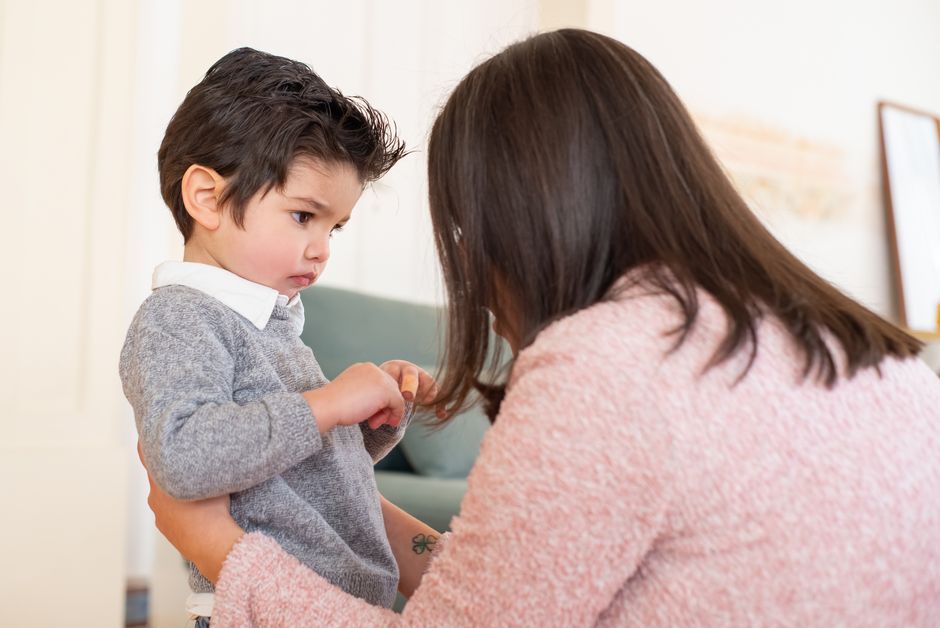
How to Stop Toddler Screaming for Attention: 5 Mistakes That Make It Worse (And Calming Fixes)
Is your toddler letting out ear-splitting shrieks every time you cook dinner or take a phone call? Discover gentle, effective scripts and discipline fixes.
Sarah Collins
Mom of Two & Founder of Mommy Tips & Life

Google AdSense Placeholder
Slot ready for "header-banner". Set your AdSense publisher ID in settings when approved.
🩺 Medical Disclaimer: This guide is for educational purposes and should not replace pediatric or obstetric medical consultation.
🛍️ Affiliate Disclosure: We may earn a small commission when you purchase through our links at no extra cost to you.
It was 5:30 PM on a Tuesday, and I was standing at the stove trying to stir boiling pasta while answering an important call from our pediatrician’s office. Out of nowhere, my two-year-old planted his feet on the kitchen tile, tilted his head back, and unleashed a glass-shattering, high-pitched screech that made my eardrums ring.
Frazzled and overwhelmed, I cupped my hand over the phone and yelled, “STOP SCREAMING! I am on the phone!” The result? He took a deeper breath, smiled mischievously, and screamed twice as loud. Within minutes, I was crying in the kitchen, feeling like the most incompetent mother on earth.
The Quick Breakthrough Summary: Toddler screaming is not malicious disobedience; it is a primal, hyper-effective strategy to eliminate parental distraction and force instant connection. Shouting back or frantically handing over snacks provides potent neurological reinforcement that screaming gets results. The turning point arrived when we instituted a 3-step positive discipline reset: mastering the “Whisper Shift” (dropping our vocal volume to a whisper to activate mirror neurons), implementing the tactile “Hand on Wrist” interrupting rule, and refusing to fulfill any requests until delivered with a calm “indoor voice.” Within a week, the ear-splitting shrieks were replaced by gentle touch.
Why Toddlers Screech: The Neurological Drivers
To extinguish the behavior, we first have to understand what is happening inside your toddler’s developing prefrontal cortex.
       ┌────────────────────────────────────────────────────────┐
       │             THE 3 TYPES OF TODDLER SCREAMING           │
       ├──────────────┬─────────────────────────────────────────┤
       │ 1. Sensory   │ Exploring vocal cords, pitch acoustics, │
       │    Volume    │ and the sheer physical power of lungs.  │
       ├──────────────┼─────────────────────────────────────────┤
       │ 2. Frustrated│ Amygdala hijack caused by lack of words │
       │    Dysreg.   │ to express overwhelming big feelings.   │
       ├──────────────┼─────────────────────────────────────────┤
       │ 3. Demand /  │ Learned functional behavior: "If I make │
       │    Attention │ this sound, Mommy looks at me instantly"│
       └──────────────┴─────────────────────────────────────────┘
Toddlers crave connection more than food or toys. To a small child, negative attention (a parent yelling or scolding) is far better than zero attention (a parent staring at a smartphone screen or cooking).

1. Yelling Back: “Stop Screaming!” (The Mirror Neuron Trap)
When your ears are assaulted by a 90-decibel shriek, your evolutionary reflex is to raise your voice to overpower the noise.
However, children possess active mirror neuron systems in their brains. When you shout “Stop screaming!”, your child doesn’t process your words—they absorb your elevated pitch, wide eyes, and frantic nervous system state. They conclude: “The baseline volume in this room is high, so I must scream louder to participate.”
The “Whisper Shift” Technique:
- When your child shrieks, take one slow, deep diaphragmatic breath.
- Drop your voice to an ultra-quiet, conspiratorial whisper.
- Lean in close at their eye level and whisper: “Whoa, your voice is super powerful. My ears hurt. Can you show me your secret mouse voice?”
- Because human brains are wired to strain to hear quiet sounds, your toddler will instinctively stop shouting to hear what you are whispering.
If you struggle with keeping calm during chaotic moments, check our complete framework on how to get toddlers to listen without yelling or repeating yourself.
2. The Accidental Reward Trap (Intermittent Reinforcement)
Consider this common evening scenario:
- Toddler screams at your feet while you are preparing dinner.
- You ignore it for 30 seconds.
- Toddler screams louder.
- You hold out for 60 seconds.
- Toddler unleashes a devastating shriek that rattles the windows.
- Defeated and exhausted, you hand them a cookie or turn on the iPad to buy five minutes of peace.
       ┌────────────────────────────────────────────────────────┐
       │             THE INTERMITTENT REINFORCEMENT TRAP        │
       ├────────────────────────────────────────────────────────┤
       │ Toddler Screams ➔ Parent Resists ➔ Scream Intensifies  │
       │ ➔ Parent Gives In ➔ Toddler Learns: "I must scream     │
       │ louder and longer next time to get what I want!"       │
       └────────────────────────────────────────────────────────┘
This intermittent reinforcement makes screaming nearly impossible to extinguish. If you are also battling constant whiny demands, read our guide on how to stop toddler whining and discipline mistakes.

3. The “Hand on Wrist” Protocol (Teaching Polite Interrupting)
Instead of only telling your child what not to do (“Don’t scream!”), you must give them an active, physical alternative replacement behavior.
How to Teach the Hand on Wrist Technique:
- Practice During Calm Play: Sit with your toddler when everyone is happy. Say: “When Mommy is talking or busy cooking, here is our secret superpower. Put your hand gently on my wrist like this.”
- Immediate Physical Acknowledgment: Explain that as soon as they place their hand on your wrist, you will place your other hand over theirs and gently squeeze it. This non-verbal touch tells them: “I feel you, I see you, and I will answer in 5 seconds.”
- Turn and Reward: Finish your sentence, turn your full body toward them, and say enthusiastically: “Thank you for using your gentle hand on my wrist! What did you need to tell me?”
💡 Pediatric / Mom Tip: For children under two who lack verbal fluency, pair this with baby sign language (like tapping fingers together for “more” or placing an open palm on the chest for “please”).
4. Differentiating Tantrums from Sensory Shrieking
Not all screams have the same emotional root. Responding to a sensory meltdown with discipline tactics will only escalate distress.
       ┌────────────────────────────────────────────────────────┐
       │             SCREAM AUDIT: TANTRUM VS. MELTDOWN         │
       ├──────────────────────────┬─────────────────────────────┤
       │ Demand Screaming 🗣️      │ Sensory Meltdown 💥         │
       ├──────────────────────────┼─────────────────────────────┤
       │ • Makes eye contact.     │ • Overstimulated / tired.   │
       │ • Pauses to see if it    │ • Sweating, thrashing, or   │
       │   worked.                │   inconsolable crying.      │
       │ • Stops when given item. │ • Cannot process commands.  │
       │                          │                             │
       │ ➔ Hold boundary calmly.  │ ➔ Dim lights, co-regulate. │
       └──────────────────────────┴─────────────────────────────┘
If your child is experiencing sensory overload in crowded stores or loud environments, review our clinical guide on toddler sensory meltdowns vs temper tantrums and learn why traditional time-outs fail during emotional dysregulation.

5. Scripted Responses for Common Screaming Scenarios
Having exact word-for-word scripts ready prevents parental freeze and keeps your nervous system anchored:
Scenario 1: Screaming at the Dinner Table or High Chair
- Parent Response: “My ears only hear soft, calm voices. When you use your normal voice, I can pass you more strawberries.” Fold your hands, look down, and wait in silence. The instant they use a regular pitch, smile and hand the food over.
Scenario 2: Screaming in the Car Seat
- Parent Response: “It is loud in the car! Screaming hurts my ears while I am driving safely. Let’s sing our silly animal song together!” Immediately shift the vocal energy into an interactive rhythmic song (like Old MacDonald).
Scenario 3: Screaming During Phone Calls
- Parent Response: Preempt the call by handing your toddler a “special phone call busy bag” with stickers or kinetic sand. If they shriek, place your finger over your lips, place your hand on their shoulder, and walk into the next room without engaging in a debate.
Summary Comparison: Toddler Screaming Discipline
| Trigger Scenario | Outdated / Ineffective Reaction ❌ | Positive Discipline Protocol ✅ |
|---|---|---|
| Screaming during conversations | Yelling “Stop being so rude and quiet down!” | Guide their hand to your wrist, squeeze back, and acknowledge |
| Screaming for a snack | Handing over the snack to stop the noise | State: “I hear you when your voice is soft,” wait for calm |
| Sensory screaming at home | Sending child to isolated time-out room | Direct sound into a pillow or step outside for a “loud yell” |
| Public grocery store screech | Panicking and feeling mom-shame | Kneel down, whisper quietly, and offer a shopping helper job |
| Screaming when angry/denied | Mocking or imitating the child’s scream | Validate the feeling while holding the behavioral boundary |
Sarah’s Encouragement for Tired Mamas
Toddler screeches can feel like nails on a chalkboard, especially when you are running on four hours of sleep and a cold cup of coffee. But remember: your toddler’s loud voice is proof of their growing vitality and desire to connect with the most important person in their world—YOU.
Take a breath, lower your pitch to a whisper, teach their little hands where to rest, and watch how quickly peace and calm return to your home. You’ve got this, mama!
Google AdSense Placeholder
Slot ready for "in-article". Set your AdSense publisher ID in settings when approved.
Frequently Asked Questions by Moms
Why does my toddler let out high-pitched shrieks when I'm on the phone or busy? ▼
Toddlers have immature impulse control and perceive parental disconnection (like phone calls or cooking) as a threat to their attachment security. Screaming is an immediate, high-potency trigger that instantly forces parental attention back onto them.
Should I ignore my toddler when they scream for attention? ▼
You should ignore the *volume* (refusing to grant demands made via screeching) while remaining emotionally available. Do not shout back; instead, whisper calmly and teach them an alternative communication gesture like placing their hand on your wrist.
What is the 'Hand on Wrist' technique for toddlers? ▼
It is a proven positive discipline tool where you teach your child to gently place their hand on your wrist or knee when they need you while you are talking. You place your hand over theirs to acknowledge them without interrupting your conversation, signaling they will have your turn next.
Is screaming a sensory need in toddlers? ▼
Yes, in many 1-to-2 year olds, shrieking is sensory exploration of their vocal cords and acoustics. Offering appropriate sensory outlets (like screaming into a pillow or outdoor yelling games) satisfies this developmental urge without indoor ear pain.

Written by Sarah Collins
Doctor-Reviewed & Fact-CheckedMom of Two & Founder of Mommy Tips & Life
Sarah is a mother of two (Liam & Maya) sharing evidence-based parenting guides, infant sleep solutions, and baby safety alerts tested in real family life and vetted against AAP clinical standards.
Google AdSense Placeholder
Slot ready for "footer-banner". Set your AdSense publisher ID in settings when approved.