Toddler Running Away in Public? 5 Discipline Traps Making Bolting Worse
Terrified when your toddler darts away in parking lots or crowded stores? Learn why chasing reinforces bolting, and the positive boundary tricks that keep them safe.
Sarah Collins
Mom of Two & Founder of Mommy Tips & Life

Google AdSense Placeholder
Slot ready for "header-banner". Set your AdSense publisher ID in settings when approved.
🩺 Medical Disclaimer: This guide is for educational purposes and should not replace pediatric or obstetric medical consultation.
🛍️ Affiliate Disclosure: We may earn a small commission when you purchase through our links at no extra cost to you.
It happened in the blink of an eye in a crowded grocery store parking lot. I had just unbuckled my two-year-old son, Leo, and turned around for two seconds to grab the diaper bag from the trunk.
In that split second, Leo heard a delivery truck rumble, giggled with delight, and bolted straight toward the active driving lane.
My heart plunged into my stomach. I dropped everything, screamed his name at the top of my lungs, and sprinted after him, tackling him by his hoodie just three feet from a moving SUV. My hands shook uncontrollably for the rest of the day, and I sat in the car sobbing while Leo looked at me with wide, confused eyes.
That terror is every toddler parent’s worst nightmare.
The Upfront Discipline Strategy: The turning point occurred when a pediatric behavioral specialist explained that chasing a bolting toddler reinforces the running behavior. To a toddler’s dopamine-seeking brain, your panicked sprint looks like the ultimate, hilarious game of tag. By replacing frantic reactions with pre-trip boundary contracts, teaching the fun “Red Light, Freeze!” reflex game at home, and implementing the ironclad “Car Target” rule, we eliminated public bolting within two weeks without yelling or tears.
The Toddler Brain: Autonomy Without Prefrontal Brakes
To stop a bolter, you have to understand the neurological landscape of a 1-to-3-year-old child.
       ┌────────────────────────────────────────────────────────┐
       │             THE TODDLER BOLTING PARADOX                │
       ├──────────────────────────┬─────────────────────────────┤
       │ Developing Motor Drive   │ Prefrontal Brain Anatomy    │
       ├──────────────────────────┼─────────────────────────────┤
       │ Explosive walking &      │ Prefrontal cortex has ZERO  │
       │ running physical agility │ impulse control or foresight│
       │                          │                             │
       │ ➔ High novelty curiosity │ ➔ Cannot conceptualize cars,│
       │   drives immediate speed │   danger, or death          │
       └──────────────────────────┴─────────────────────────────┘
When a toddler sees a dog, an open doorway, or a bright display across a parking lot, their motor cortex fires instantly. Because their prefrontal cortex (the brain’s brake pedal) is undeveloped, there is no internal voice saying: “Cars drive fast here; I should stop.”

1. Screaming and Sprinting (The “Tag” Game Trap)
When your child starts running, your natural biological adrenaline spikes. You scream: “NO! LEO, STOP RUNNING RIGHT NOW!” and sprint toward them with wide eyes.
   ❌ THE ACCIDENTAL "CHASE ME" TRAP     ✅ THE CALM "FREEZE" COMMAND

     [Parent Panics & Sprints]              [Parent Uses Practiced Code]
     [High-Pitched Screaming: "STOP!"]      [Firm, Calm Command: "FREEZE!"]
              |                                      |
     ➔ Toddler Hears: "Mom is playing!"     ➔ Toddler Muscle Memory Triggers
     ➔ Toddler Laughs & Runs Faster         ➔ Toddler Stops & Locks Feet
     ➔ Extreme Danger in Parking Lots       ➔ Safe & Controlled Retrieval
Why Screaming Backfires:
To an immature brain, loud vocalizations and frantic running look like enthusiastic participation in a game. They look back over their shoulder, giggle, and run twice as fast because they love the dramatic reaction.
How to Handle an Active Run:
- If your child is in immediate life danger (heading toward traffic), run silently, tackle safely, and secure them without lecturing on the spot.
- If they are in a safe enclosed space (a park or living room), do NOT chase them. Stop walking, cross your arms, turn your body slightly sideways, and say cheerfully: “Bye! I’m going this way to see the puppies!” Toddlers hate losing the spotlight and will turn around to follow you.
2. Giving Vague Commands Instead of Physical Action Rules
Telling a two-year-old to “Be good,” “Stay close,” or “Don’t run away” is neurologically meaningless. Toddlers do not understand abstract proximity.

Replace Negative Commands with Positive Physical Jobs:
- ❌ “Don’t let go of my hand!” ➔ ✅ “Hold my pinky with your superhero grip.”
- ❌ “Stop running around the store!” ➔ ✅ “You are my shopping helper; hold the side of the cart with two hands.”
- ❌ “Be careful in the parking lot!” ➔ ✅ “Keep your palm glued to the dinosaur car magnet until Mommy opens the door.”
💡 Pediatric / Mom Tip: Buy a colorful magnetic decal (a dinosaur, flower, or race car) and stick it right next to your gas cap. Teach your toddler that as soon as their feet hit the ground, their hand must stay on the “Safety Target.” Praise them enthusiastically every single time they hold it.
3. Empty Threats vs. Firm, Immediate Safety Boundaries
Many parents issue repeated warnings that never materialize: “If you run away one more time, we’re leaving!”… followed by three more warnings when the child runs again.
| Discipline Method | Parental Action 🗣️ | Toddler Reaction 🧠 | Safety Outcome 🛡️ |
|---|---|---|---|
| Repeated Warnings | “I’m counting to three! Don’t do that!” | Tests boundaries; continues bolting | Dangerous & frustrating ❌ |
| Bribing with Treats | “If you hold my hand I’ll give you candy” | Learns to bolt to negotiate treats | Reinforces defiance ❌ |
| Loving Physical Boundary | “My job is to keep you safe. You may walk holding my hand, or ride in the stroller.” | Understands clear cause-and-effect | 100% Safe & Predictable ✅ |
⚠️ Warning Alert: In public safety situations, safety is non-negotiable. Offer two choices: “You can hold my hand, or you can sit buckled in the cart. Which do you choose?” If they pull away or scream, calmly say: “You chose the cart to stay safe,” and buckle them in without anger.
For handling emotional explosions when holding these boundaries, explore our guides on how to stop toddler tantrums and biting and toddler bedtime resistance and power struggles.
4. Failing to Practice “The Freeze Game” at Home
You cannot teach a survival skill in the middle of a high-stimulation crisis at Target. Impulse control must be conditioned through low-stress playful games at home.
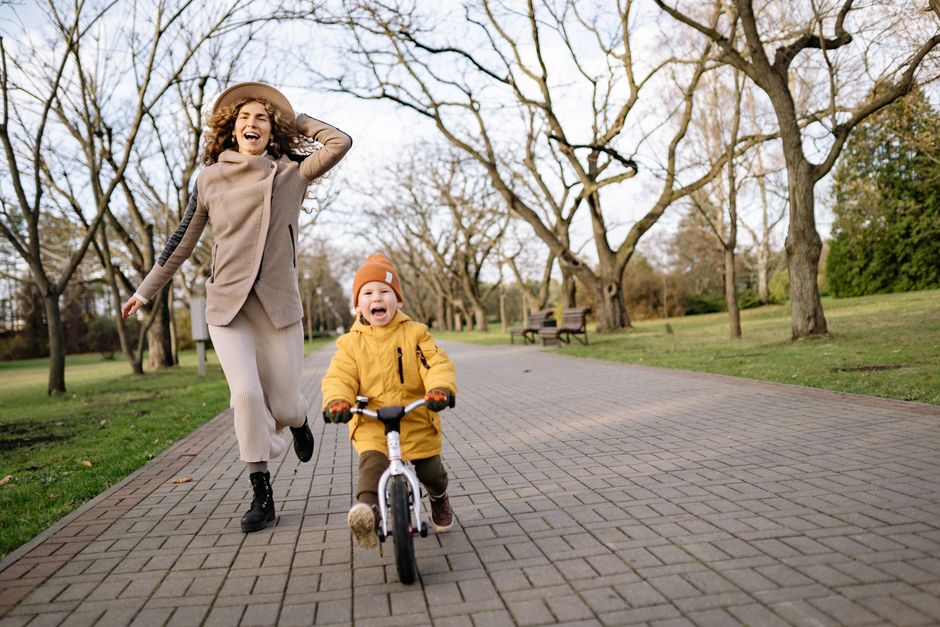
The 3 Essential At-Home Safety Drills:
- Red Light, Green Light / Freeze Dance: Play music in your living room. When the music stops or you shout “FREEZE!”, everyone must turn into an ice statue. Reward instant freezing with high-fives and tickles.
- The “Statue Challenge” at the Park: Practice calling “FREEZE!” across an open grassy field. When they freeze, sprint over to them and celebrate wildly.
- The Stroller Contract: Before leaving the house, review the rules: “When we get to the store, we hold hands. If feet run away, we ride in the stroller. Deal?” Have your toddler say “Deal!” and fist-bump you.
5. Summary: Public Bolting Discipline Traps vs. Solutions
| Discipline Trap ❌ | Positive Boundary Solution ✅ | Why It Works 💡 |
|---|---|---|
| Screaming and chasing in a panic | Using practiced “FREEZE” reflex cues | Stops the dopamine chase game immediately |
| Giving abstract warnings (“Stay close!”) | Assigning concrete tactile jobs (Cart helper / Target) | Directs motor energy into a specific focus |
| Repeating empty threats without follow-through | Offering 2 choices: Hand or Stroller/Cart | Establishes firm, loving boundaries |
| Trying to reason during an active public sprint | Securing physically first, discussing later at home | Respects developmental brain limitations |
| Never practicing impulse control at home | Playing Red Light / Freeze dance daily | Builds neural motor inhibition pathways |
Final Words of Encouragement From Sarah
Parenting a toddler with quick feet and zero fear is physically exhausting and terrifying. You are constantly on high alert, scanning every doorway, parking space, and crowd.
Remember: bolting is not a sign that your child is “bad” or that you are a poor parent. It is a completely normal developmental surge of physical curiosity colliding with immature impulse control. Set firm boundaries, turn safety into a game, stay consistent, and keep your little explorer safe!
Google AdSense Placeholder
Slot ready for "in-article". Set your AdSense publisher ID in settings when approved.
Frequently Asked Questions by Moms
Why do toddlers suddenly bolt and run away in public places? ▼
Toddlers experience an explosion of physical autonomy combined with zero impulse control or danger perception. In their developing minds, darting away is an exhilarating game of tag that guarantees 100% of parental focus and high-energy chase reactions.
Does yelling 'STOP!' actually work when a toddler is running? ▼
Rarely. When parents scream frantically, toddlers perceive the high vocal pitch as excited cheering or a cue that the chase game has begun. A calm, firm 'FREEZE!' command practiced in advance is far more effective.
Are toddler safety wrist leashes or harnesses psychologically damaging? ▼
No. Child development experts agree that for impulsive runners, neurodivergent children, or high-risk environments (like busy city streets and airports), a safety leash is a compassionate physical boundary that protects life without shame.
How do I teach parking lot safety to a 2-year-old? ▼
Use the 'Hand on the Target' rule: stick a colorful magnet or decal onto your car's fuel door, and make it an ironclad rule that their hand must touch the target whenever they are outside the vehicle until you buckle them in.

Written by Sarah Collins
Doctor-Reviewed & Fact-CheckedMom of Two & Founder of Mommy Tips & Life
Sarah is a mother of two (Liam & Maya) sharing evidence-based parenting guides, infant sleep solutions, and baby safety alerts tested in real family life and vetted against AAP clinical standards.
Google AdSense Placeholder
Slot ready for "footer-banner". Set your AdSense publisher ID in settings when approved.